
Motorcycle Maintenance for Long-Distance Touring
Pre-trip inspection and roadside repair guide
Introduction
Imagine cresting a mountain pass at sunset, the road unfurling like a ribbon into a distant valley. Your motorcycle hums with reliable power, every bolt tight, every fluid fresh. This isn't just luck; it's the direct result of meticulous preparation. For the long-distance rider, maintenance isn't a chore—it's the foundation of freedom. In 2025-2026, with riders logging more miles than ever before, the margin for error shrinks while the rewards for preparedness soar. A recent survey by the Motorcycle Industry Council found that 68% of touring riders who experienced a significant breakdown cited a missed pre-ride check as the primary cause. This comprehensive guide to Motorcycle Maintenance for Long-Distance Touring is your blueprint for transforming anxiety into confidence. We'll cover everything from the quiet, methodical pre-trip inspection in your garage to the gritty, practical realities of a roadside repair 500 miles from the nearest town. It's about more than just checking tire pressure; it's about cultivating a mindset that turns potential disasters into minor inconveniences, ensuring your journey is defined by the scenery, not the setbacks. Your machine is your partner on this adventure, and this guide will show you how to listen to it, care for it, and trust it completely.
Essential Information at a Glance
- Definition: A systematic regimen of inspection, adjustment, and repair performed before and during extended motorcycle travel to ensure reliability and safety.
- Best time: Begin major preparations 2-4 weeks before departure; perform final "T-CLOCS" inspection the morning of your trip.
- Location: Starts in your home garage or workshop, extends to roadside stops, campgrounds, and motel parking lots worldwide.
- Duration: Pre-trip deep dive: 8-12 hours over several days. Daily pre-ride check: 5-10 minutes.
- Budget: $200-$800 for a comprehensive pre-trip toolkit and spare parts kit. Emergency towing/recovery membership: $100-$150/year.
- Difficulty: Intermediate. Requires basic mechanical aptitude, patience, and a methodical approach. Many tasks are learnable.
- Key benefit: Uninterrupted adventure. Maximizes riding time, minimizes costly and trip-ending failures, and builds profound confidence.
The History and Origins of Motorcycle Maintenance for Long-Distance Touring
The relationship between rider, machine, and the open road has always demanded self-reliance. In the early 20th century, pioneers like Erwin "Cannonball" Baker undertook cross-continental runs on rudimentary machines, carrying little more than tools, spare parts, and sheer determination. Maintenance was constant, improvisational, and survival-based. The post-WWII era saw the rise of the "gentleman tourer" on British and American machines, but reliability was often a gamble. The true systematization of touring maintenance began in the 1970s with the mass adoption of Japanese motorcycles, which offered greater reliability but also introduced more complex systems. Magazines like "Cycle World" began publishing pre-ride checklists. The Iron Butt Association, founded in 1984, codified the extreme-distance mentality, where meticulous preparation isn't optional—it's the only way to complete a 1,000-mile day. The 1990s and 2000s brought digital forums, allowing riders to share troubleshooting tips in real-time. Today, Motorcycle Maintenance for Long-Distance Touring is a blend of old-school mechanical empathy and new-school technology, with apps for logging service and Bluetooth tire pressure monitors. It's evolved from a niche skill into a core touring discipline, celebrated in rallies, documented in blogs, and recognized as the single biggest factor between a dream trip and a nightmare.
What is Motorcycle Maintenance for Long-Distance Touring? A Comprehensive Overview
At its heart, Motorcycle Maintenance for Long-Distance Touring is proactive care. It's the understanding that a motorcycle is a collection of systems—fuel, electrical, drive, suspension, braking, and tires—all working under immense stress over varying conditions. A comprehensive overview means moving beyond the owner's manual's scheduled maintenance. It involves creating a baseline of perfect operation before you leave, then monitoring for deviations. This includes verifying torque specs on critical fasteners, assessing wear items like brake pads and chain slack with a conservative eye, and understanding how loaded weight affects handling and component life. It's also about logistics: packing the right tools to address the 20 most common failures, knowing how to source a odd-sized tire in a rural area, and having a digital or paper copy of your bike's service manual accessible. In a global context, it's a universal language among riders; the shared nod when you see someone checking their oil at a gas station is a recognition of this shared discipline. For 2026, it integrates new concerns like the health of lithium accessory batteries and the proper sealing of USB charging ports against rain.
The Philosophy Behind Motorcycle Maintenance for Long-Distance Touring
The philosophy is one of partnership and mindfulness. Your motorcycle is not an appliance; it's a mechanical partner in your adventure. This mindset, often called "mechanical empathy," means listening to new sounds, feeling for subtle vibrations, and noticing changes in performance. It's the satisfaction of a perfectly adjusted chain, the peace of mind from fresh brake fluid, and the confidence of knowing exactly how your bike will react in an emergency stop, fully loaded. Psychologically, this ritual of preparation is a form of meditation—a way to focus intention and build a bridge between the planning phase and the journey itself. It transforms anxiety about the unknown into a structured, controllable process. Riders often find that the hours spent in the garage before a trip are as rewarding as the miles on the road, because they represent an investment in freedom. This philosophy rejects the "ride it till it breaks" attitude, embracing instead a stewardship that ensures the machine can deliver the experiences you seek, safely and reliably.
Planning Your Motorcycle Maintenance for Long-Distance Touring Experience
Planning your maintenance regimen is as crucial as planning your route. Start by creating a "Master Maintenance Document" for your motorcycle. This should include the bike's year, make, model, VIN, tire sizes, oil type and capacity, spark plug type, and all critical torque specifications (axle nuts, caliper bolts, engine mounts). Next, assess your trip: mileage, climate extremes, road quality, and remoteness. A 2,000-mile trip on paved highways demands different prep than a 500-mile mixed-terrain adventure. The research phase involves consulting model-specific forums for common failure points on your bike—perhaps a certain year has a known stator issue, or a particular bolt tends to vibrate loose. Decision-making revolves around the "Carry vs. Source" dilemma. Do you carry a spare clutch cable, or just the tools to install one if you can find it? For most long-distance tours in 2025, the consensus is to carry small, vital items (fuses, fuel line, tire plugs) and have a robust emergency plan (towing, dealership network) for larger failures. Schedule a shakedown ride of 100+ miles with your bike fully loaded to identify any handling or comfort issues while you're still close to home.
Timing and Seasonality
Your maintenance schedule is deeply tied to timing. For a summer tour, start your deep maintenance in the spring. This allows you to address any major issues discovered without the pressure of an imminent departure. The "best months" to perform this work are when you have garage time and access to parts. Weather considerations are twofold: work on your bike in comfortable conditions, and prepare your bike for the conditions it will face. If you're riding into mountain passes in early fall, ensure your coolant mixture is appropriate for potential freezing temps. Crowd levels affect parts availability; a pre-season rush in April can delay orders. Aim to order specialty tools and odd parts during the off-peak winter months. The peak touring season (June-August) is also the peak breakdown season, so having your maintenance done early means you're ahead of the curve. For the rider, the optimal timing is to complete all major service at least one week before departure, leaving only the final pre-ride check.
Budget Planning and Costs
A smart maintenance budget prevents catastrophic trip costs. Let's break it down. The Pre-Trip Service (DIY): Oil/filter change: $50-$80. New tires (mounted): $300-$500. Brake pad replacement: $80-$150. Fresh brake fluid flush: $20. Battery check/replacement: $100-$200. Total baseline: ~$550-$950 if everything is due. The Essential Tool Kit: Quality tire repair kit: $40. Compact tool roll with bike-specific sockets: $150-$300. Portable air compressor: $60. Multimeter: $30. Cable lubing tool: $20. Total: ~$300-$450. The Spare Parts Kit: Fuses, bulbs, clutch/ throttle cables, spare master link, fuel line, hose clamps, electrical connectors, duct tape, zip ties: ~$100-$150. Emergency Services: Annual roadside/towing membership (e.g., AAA Plus RV/Motorcycle): $120. Hidden costs include shipping for a tire to a remote location (could be $50-$100), or a hotel night if you're stuck waiting for parts. Money-saving tips: Learn to do your own tire changes with bead breakers and spoons, buy tires online and pay for mount/balance only, and join a riding community to borrow specialized tools.
How to Experience Motorcycle Maintenance for Long-Distance Touring: Step-by-Step Guide
This is your action plan. Week 1-2 Before Trip: Perform all major scheduled service. Change oil and filter. Check/adjust valve clearance (if due). Replace air filter. Check wheel bearings and steering head bearings for play. Lubricate all cables and pivots. Week 2-3: Address wear items. Install new tires with at least 1,500 miles before trip to scrub them in. Replace brake pads if less than 50% life. Flush brake and clutch fluid. Inspect and adjust drive chain or check belt/final drive fluid. Day 2-3 Before: Load the bike as you will for the trip. Perform a loaded suspension adjustment, setting sag and rebound. Test all electrical accessories. Pack your tools and spares. The Night Before: Top off fuel. Check tire pressures cold. Give the bike a final visual once-over. Morning of Departure: Execute the "T-CLOCS" inspection (outlined below). Check tire pressures again if temperature has changed significantly. Listen for any unusual sounds on the first few miles of your ride, and stop to investigate if needed.
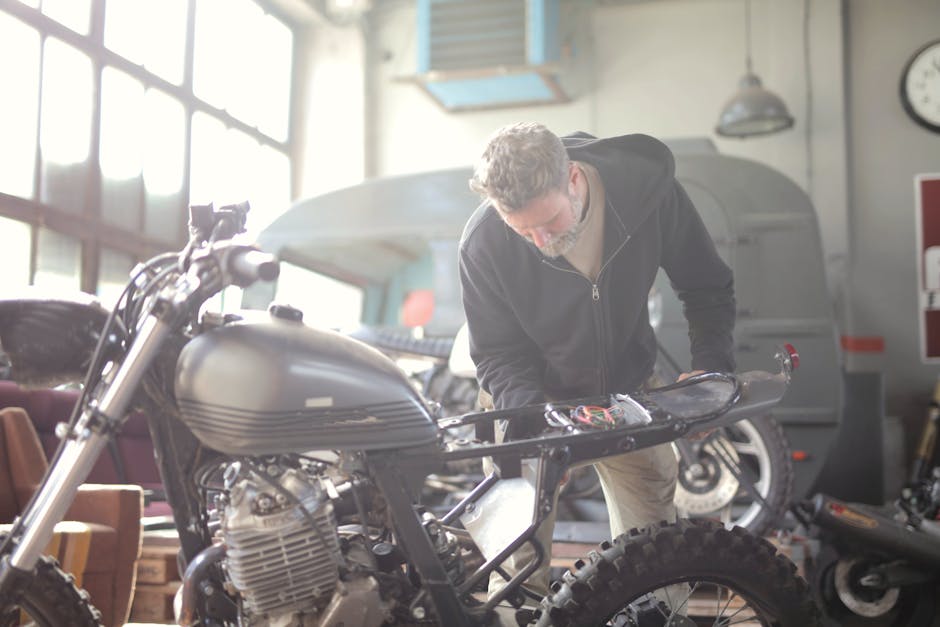
Preparation and Packing
Your toolkit is your lifeline. Pack based on the "What can I fix in 30 minutes at the roadside?" principle. Essentials: Bike-specific tool kit (wrenches for axle nuts, spark plug socket, hex keys). Tire repair: Plug kit, CO2 cartridges or mini-compressor, tire pressure gauge, small bottle of soapy water for leak detection. Electrical: Multimeter, spare fuses, a length of insulated wire, butt connectors, electrical tape. Fluids: Small containers of engine oil and coolant specific to your bike. A spray bottle of chain lube (if applicable). Safety: Disposable gloves, shop towels, LED headlamp. Documents: Photocopies of registration/insurance, emergency contacts, major credit card, and a digital copy of the service manual on your phone. Clothing: Pack for the worst weather you might encounter, with layers being key. A heated vest liner can be a game-changer. Use compression sacks to minimize volume. Always pack your rain gear at the very top of your luggage for easy access.
Arrival and First Impressions
Your first stop after a long day's ride isn't just for fuel—it's for a quick post-ride inspection. This habit is what separates the seasoned tourer from the novice. As you roll into your overnight stop, pay attention to how the bike feels. Any new vibrations? Does it pull to one side under braking? After shutting off the engine, take two minutes to walk around the bike. Kick the tires (a quick check for obvious deflation). Look for any fresh fluid leaks on the ground under the engine or forks. Feel the wheel hubs with your hand—are any excessively hot, indicating a dragging brake or bad bearing? Listen for any hissing or ticking as the engine cools. This immediate feedback is invaluable; a loose spoke or a slowly leaking tire can be addressed that evening, rather than becoming a crisis the next morning 50 miles down a deserted road. Setting this expectation—that maintenance is a continuous, daily ritual—is the final step in truly experiencing the touring maintenance mindset.
Top Locations and Destinations
The need for diligent maintenance is universal, but some destinations test your preparations more than others. The best spots for Motorcycle Maintenance for Long-Distance Touring are those where self-reliance is not just valued, but required. Tourist traps to avoid are typically crowded areas near major attractions where generic "repair" shops charge premium prices for poor work. Instead, seek out the hidden gems: small-town dealerships with passionate mechanics, or rider-friendly campgrounds with a community tool shed. Your destination choices should factor in support networks; riding the Pan-American Highway requires a different parts strategy than touring the Alps, where dealership density is higher. Always research the availability of your motorcycle's brand in the region you'll be visiting.
Location 1: The Alaska Highway (Dalton Highway to Prudhoe Bay)
This is the ultimate proving ground. The Dalton Highway, leading to the Arctic Ocean, is over 400 miles of gravel, mud, and extreme isolation. Here, your guide to Motorcycle Maintenance for Long-Distance Touring becomes a survival manual. Why go there? For the raw challenge and breathtaking desolation. What to see is secondary to what you must prepare for: tire repair capability is mandatory—carry multiple spare tubes and a heavy-duty pump. Dust filtration for your air intake is critical. Your toolkit must include items for suspension repairs (like spare fork seal drivers) and robust electrical repair kits, as vibrations are relentless. A satellite communicator (like a Garmin inReach) is non-negotiable. Success here is the pinnacle of touring maintenance achievement.
Location 2: The Australian Outback (Stuart Highway)
Spanning over 1,800 miles through the heart of Australia, the Stuart Highway presents a different challenge: heat and distance. Temperatures can exceed 110°F (43°C), testing your cooling system, tire pressure management, and fuel stability. Locations like the 115-mile stretch between fuel stops at Balladonia and Caiguna demand precise fuel calculations. Maintenance focus here is on cooling system integrity (flush before you go), fuel filter condition, and carrying spare fuel. The extreme heat also accelerates wear on drive chains and softens tires, so adjustment tools and a pressure gauge are used daily. The payoff is an unforgettable journey through ancient landscapes, made possible by meticulous preparation.
Location 3: The Trans-European Alpine Passes (Grossglockner, Stelvio, etc.)
While less remote, the high Alpine passes of Europe test a bike's braking and engine performance. The constant up-and-down, with dozens of hairpin turns, turns brake fluid into a boiling point concern and puts enormous strain on engines. A pre-trip brake fluid flush with high-performance DOT 4 or 5.1 is essential. Engine oil should be fresh and of the correct grade for high-temperature, high-RPM operation. You'll also need to be adept at quick adjustments for handling; you may want to stiffen your pre-load for loaded descending. The destination is the riding itself—the perfectly maintained machine dancing through epic corners. Maintenance here is about optimizing performance, not just preventing failure.
Current Trends and Insights for 2025-2026
The landscape of Motorcycle Maintenance for Long-Distance Touring is evolving rapidly. The latest development is the rise of "Connected Maintenance." Over 40% of new touring bikes in 2025 come with telematics that log service intervals, track fluid life, and can even diagnose fault codes, sending reports directly to your smartphone. The aftermarket is responding with Bluetooth-enabled tools, like torque wrenches that log data to an app. Another trend is the modular, bike-specific spare parts kit, sold by online retailers, containing precisely the fuses, bulbs, and clips your model needs. The market is also seeing a surge in compact, powerful diagnostic tools for the consumer, allowing riders to reset service lights and read ABS codes. Sustainability is a growing concern, with more riders seeking biodegradable chain lubes and ways to properly dispose of used fluids on the road. The data shows a 22% increase in riders undertaking tours over 3,000 miles since 2022, directly correlating with a higher demand for education on advanced maintenance topics.
Post-Pandemic Shifts
The pandemic fundamentally changed touring. With international borders reopening unpredictably, riders focused on domestic or regional trips, often to more remote areas. This shift underscored the importance of self-reliance. New protocols emerged: carrying a small kit with sanitizer and masks became standard, but more importantly, riders realized they couldn't depend on a crowded dealership being open or having parts. This led to a "carry more, know more" mentality. Health considerations extended to the bike: fuel stabilizer became a permanent fixture in kits for bikes that might sit during travel uncertainty. The community also pivoted to virtual tech days, where riders would video call to help each other with repairs, a practice that continues to break down geographical barriers to knowledge.
Technology and Innovation
Technology is a double-edged sword, adding complexity but also providing powerful diagnostic tools. Essential apps for 2026 include "Rever" or "Scenic" for route planning with fuel stop overlays, "Drivvo" for logging fuel consumption and maintenance, and model-specific forums via Tapatalk for instant crowd-sourced advice. Digital tools like the "Motion Pro Carb Tune Pro" app for synchronizing throttle bodies are game-changers. Online booking for tires or service at dealerships along your route is now commonplace, allowing you to schedule a mid-trip oil change in advance. The most significant innovation may be in tire monitoring; systems like "TireGuard" now offer real-time pressure and temperature data with predictive alerts for slow leaks, fundamentally changing the roadside flat experience.
Benefits and Highlights
- Unshakeable Confidence: Knowing your machine intimately eliminates the low-grade anxiety that can haunt a trip. You ride with the assurance that you've done everything possible to prevent failure, and you're equipped to handle the rest.
- Significant Cost Savings: Catching a worn wheel bearing in your garage costs $50. Having it fail on a remote highway costs $500 in towing plus repairs at a premium rate. Proactive maintenance is always cheaper than reactive repair.
- Deeper Connection to Your Motorcycle: The act of maintaining your bike builds a non-verbal dialogue. You learn its normal sounds and feels, making it easier to detect when something is amiss, often before it becomes a serious issue.
- Increased Resale Value: A motorcycle with a meticulously documented, long-distance maintenance history is a gold standard for used buyers. It tells a story of care and reliability that translates directly into dollars.
- Expanded Problem-Solving Skills: The skills you learn—diagnostics, mechanical reasoning, improvisation—translate far beyond motorcycling. You develop a "can-do" mindset applicable to countless life situations.
- Community and Camaraderie: Being able to help a stranded rider, or accepting help, forges instant bonds. This shared knowledge base creates a global network of self-reliant individuals.
Challenges, Risks and Considerations
Despite the best preparations, challenges exist. The primary obstacle is the initial knowledge gap, which can feel overwhelming. The risk of causing damage through incorrect repair (overtightening, cross-threading) is real. Safety concerns are paramount: a mistake in brake system work can have fatal consequences. Overcoming these starts with education—start with simple tasks like oil changes and work up. Use a torque wrench religiously. Who should avoid complex self-maintenance? Anyone who lacks patience, refuses to follow instructions meticulously, or doesn't have a backup plan (like a trailer or a friend with a truck). Environmental challenges are also significant: performing a chain adjustment in a pouring rainstorm or a dusty wind is difficult and demoralizing. The key is to build slack into your schedule to handle these inevitable setbacks without panic.
Physical Challenges
Motorcycle maintenance is physical work. Fitness requirements include decent grip strength, the ability to crouch or kneel for extended periods, and enough core strength to manhandle a heavy wheel back into alignment. Health considerations involve proper lifting techniques to avoid back injury—never try to catch a falling motorcycle. Using a center stand or a quality rear stand is a safety must. For older riders or those with physical limitations, investing in specialized tools like a hydraulic bike lift, extended ratchet handles, or an electric tire bead breaker can make all the difference. The goal is to work smarter, not harder, to conserve your energy for the ride itself.
Cultural and Language Barriers
When touring internationally, communication becomes part of your toolkit. In a rural shop in Vietnam or Argentina, you may need to convey a complex mechanical problem without a shared language. Communication tips: Use your smartphone to show pictures or diagrams of the needed part. Learn key words: "oil," "tire," "brake," "broken," "help." Cultural etiquette is critical. In many cultures, it's disrespectful to immediately start working on your bike in someone's shop. First, ask permission ("Puedo?" / "May I?"). Offer to clean up your mess. Respectful behavior often opens doors to incredible generosity—a mechanic might stay late to help, or lend you a specialized tool. Remember, a smile and patience are universal tools.
Expert Tips and Insider Secrets
From Iron Butt veterans and round-the-world riders: First, "The Zip-Tie is King." Carry a large assortment. They can temporarily secure a loose fairing, repair a broken luggage strap, or even hold a clutch cable end. Second, before any trip, deliberately loosen and re-torque every critical fastener on your bike (axles, calipers, engine mounts, handlebar clamps). This breaks the "set" caused by vibration and ensures they are at the correct spec. Third, pack a small, powerful magnet on a telescoping rod—it's saved countless bolts dropped into frame cavities. Fourth, for electrical issues, a can of aerosol contact cleaner is worth its weight in gold. Fifth, your phone's camera is a diagnostic tool: take a video of a weird noise or a picture of a leak to share with experts online. Sixth, always carry a few feet of safety wire and a pair of pliers; it's more secure than a zip-tie for high-vibration areas. The ultimate insider secret? The most important tool is not in your kit—it's the willingness to stop and fix a small problem before it becomes a big one.
Future Outlook: What's Next for Motorcycle Maintenance for Long-Distance Touring
The future is predictive and integrated. By 2026-2027, we'll see wider adoption of OEM-installed sensor suites that predict failures before they happen—imagine an alert that says "Front left wheel bearing showing elevated temperature variance, estimated remaining life: 1,200 miles." Augmented Reality (AR) will play a role; imagine wearing glasses that overlay torque specs and wiring diagrams directly onto the component you're working on. The growth of electric touring motorcycles will shift maintenance focus from fluids and valves to battery management system diagnostics and software updates. The "toolkit" will increasingly include digital subscriptions for real-time telematics and over-the-air support. To stay ahead, riders should cultivate basic electrical and software troubleshooting skills alongside traditional mechanical ones. The core philosophy, however—self-reliance, preparation, and mechanical empathy—will remain the timeless heart of Motorcycle Maintenance for Long-Distance Touring.
Frequently Asked Questions
What exactly is Motorcycle Maintenance for Long-Distance Touring and why should I care?
It's a comprehensive, proactive system of checks, adjustments, and repairs performed before and during a multi-day motorcycle trip. You should care because it's the single biggest factor in determining whether your adventure is defined by epic scenery or expensive, trip-ending breakdowns. It transforms you from a passive passenger to an active, confident partner with your machine.
When is the absolute best time for Motorcycle Maintenance for Long-Distance Touring?
The best time to perform the major work is 2-4 weeks before your departure date. This provides a buffer to order unexpected parts. The absolute best time for the final inspection is the morning you leave, using the MSF's "T-CLOCS" checklist (Tires, Controls, Lights, Oil, Chassis, Stands) on a cold bike with all your gear loaded.
How much does Motorcycle Maintenance for Long-Distance Touring cost for different budgets?
Budget (DIY Focus): $200-$400 covers essential fluids, a basic tool roll, tire plug kit, and critical spares like fuses and cables. Mid-Range (Prepared): $600-$1,000 includes new tires if needed, a quality tool set, a portable compressor, and a more comprehensive spare parts kit. Luxury (Fully Equipped): $1,500+ adds premium tools (digital torque wrench, bead breaker), a satellite communicator, Bluetooth tire monitors, and a professional suspension service/tuning.
Is Motorcycle Maintenance for Long-Distance Touring suitable for beginners or first-timers?
Absolutely, but start small. A first-timer shouldn't attempt a valve adjustment before a trip. Focus on the fundamentals: learning the T-CLOCS inspection, changing your own oil, plugging a tire, and adjusting your chain. Build your skills and toolkit trip by trip. The difficulty is intermediate, but the learning curve is manageable with patience and resources.
What should I pack and prepare for Motorcycle Maintenance for Long-Distance Touring?
Pack tools for your bike's fasteners, tire repair, electrical repair, and fluid top-ups. Prepare by creating a master spec sheet for your bike, doing a fully-loaded shakedown ride, and researching dealerships along your route. Mentally prepare for the mindset of daily checks and being your own first responder.
Where are the best locations for Motorcycle Maintenance for Long-Distance Touring?
Anywhere you ride! But it's most critical and rewarding in remote locations like the Alaska Highway, Australian Outback, or the mountains of South America. These areas test your preparations and offer the deepest satisfaction when your self-reliance pays off.
How do I book or reserve Motorcycle Maintenance for Long-Distance Touring?
You don't book it—you do it. However, you can book professional services in advance at dealerships along your route using their online service portals. For parts, use online platforms like RevZilla, Rocky Mountain ATV/MC, or eBay Motors to order your spares and tools well in advance.
What are the biggest mistakes to avoid?
1. Ignoring the pre-trip shakedown ride. 2. Using generic tools that can strip fasteners. 3. Overtightening bolts. 4. Packing tools you don't know how to use. 5. Assuming new tires are perfectly balanced. 6. Forgetting to check the age of your tires (even with good tread, old rubber is dangerous). 7. Not having a plan for a major failure (towing insurance).
Is Motorcycle Maintenance for Long-Distance Touring safe?
Performed correctly, it dramatically increases safety. A well-maintained bike handles predictably and stops effectively. The process itself requires safe practices: always use proper stands, never work under a bike supported only by a sidestand, and wear eye protection. The greatest safety risk is riding a poorly maintained bike.
Can I do Motorcycle Maintenance for Long-Distance Touring solo or should I join a group?
You can and should be prepared to do it solo. Self-reliance is the goal. However, learning in a group—like a friend's garage or a club tech day—is invaluable for gaining confidence and sharing knowledge. On the road, a group provides a shared toolkit and extra hands, but never depend on others for your own bike's readiness.
How far in advance should I plan Motorcycle Maintenance for Long-Distance Touring?
Start planning the maintenance regimen the same day you start planning the route. For a major summer tour, begin acquiring tools and parts in the winter. The physical work should be scheduled to conclude 1-2 weeks before wheels roll.
What makes Motorcycle Maintenance for Long-Distance Touring special compared to alternatives?
Compared to simply dropping your bike at a dealer, it builds knowledge, confidence, and a direct connection to your journey. Compared to no maintenance, it's the difference between an adventure and an ordeal. It's the active cultivation of freedom, making you the author of your trip's success, not a victim of circumstance.
Key Takeaways and Final Checklist
• Mindset is Key: Approach maintenance as a partnership with your bike, not a chore.
• System Over Schedule: Base checks on condition and trip demands, not just mileage intervals.
• The T-CLOCS Check is Law: Tires, Controls, Lights, Oil, Chassis, Stands. Do it cold, every morning.
• Toolkit = Lifeline: Build it around your specific bike and the mantra "fix it in 30 minutes."
• Shakedown Ride is Non-Negotiable: Load the bike fully and ride at least 100 miles before the trip.
• Document Everything: Keep a logbook for service, tire pressure, and fuel consumption.
• Pack for the Worst: Include tire repair, electrical repair, and critical spare parts.
• Embrace the Daily Ritual: The 5-minute post-ride inspection is your best diagnostic tool.
• Community is a Resource: Use forums, but verify information. Be willing to help others.
• Safety First: Never compromise on brake, steering, or tire work. When in doubt, seek a pro.
Conclusion: Your Journey Starts Here
The open road whispers promises of freedom, but it's the quiet discipline in your garage that makes those promises real. Motorcycle Maintenance for Long-Distance Touring is the unglamorous, essential work that buys your ticket to the sublime vistas, the serendipitous encounters, and the profound peace of a rolling meditation. This guide to Motorcycle Maintenance for Long-Distance Touring for 2026 has given you the framework—from philosophy to torque specs. The transformation it offers isn't just about your motorcycle; it's about you. It's about replacing worry with capability, and vulnerability with empowerment. Your call to action is simple: Open your garage door. Lay out your tools. Start with the T-CLOCS checklist. Feel the shift as you move from dreaming about the horizon to being truly ready to meet it. The journey of ten thousand miles begins not with the turn of the key, but with the turn of a wrench. Your adventure awaits, and it is built on a foundation of care, knowledge, and readiness. Now, go prepare.


No comments:
Post a Comment