
Best Motorcycle Routes in Kanchanaburi: A Rider's Guide to Epic Two-Wheeled Adventures
Introduction
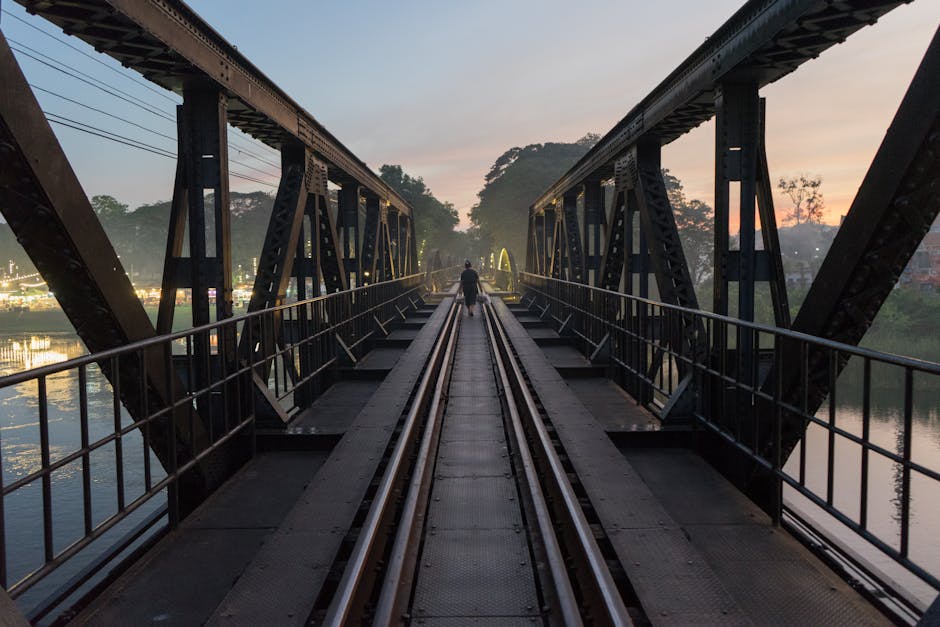
Forget the tame, predictable roads of the tourist trail. Here, in Kanchanaburi, the asphalt is a living, breathing entity, a ribbon of history and adrenaline that coils through limestone karsts, dances alongside emerald rivers, and whispers tales of resilience and war. This is not merely a destination; it is a pilgrimage for the two-wheeled soul. Choosing the right route here is the difference between a simple ride and a journey tattooed upon your memory. One turn might lead you into the cool, mist-shrouded embrace of a mountain pass, the scent of damp earth and jungle blooms filling your helmet. The next could sweep you across the iconic Bridge over the River Kwai, the iron girders thrumming beneath your tires, a solemn echo of history in every vibration.
This guide is crafted for those who feel the call of the lean, the rush of the throttle, and the profound silence found only at speed. We've dissected Kanchanaburi's network of roads with a rider's eye, evaluating not just the destination, but the journey itself. Factors like road surface texture—from the glass-smooth sweepers of Highway 323 to the gritty, rewarding challenges of rural track 3086—are paramount. We've considered the ever-changing theater of scenery, from flooded rice paddies shimmering like liquid mercury to the fiery sunsets over Srinakarin Dam. Difficulty is gauged by the tightness of the hairpin, the steepness of the grade, and the presence of wandering wildlife. Weather is your constant companion, from the blazing dry-season sun to the sudden, drenching downpours of the monsoon that transform grip in a heartbeat. And bike suitability is key: a nimble sportbike, a laid-back cruiser, a rugged adventure steed, or a loaded touring rig—each will find its perfect dance partner on these roads. Prepare to map your heartbeat to the rhythm of Kanchanaburi's epic routes.
Kanchanaburi Riding Conditions Overview by Season
Cool Season (November - February): The undisputed king of riding windows. Daytime temperatures range from a pleasant 25°C to 32°C (77°F-90°F), with nights dipping to a crisp 15°C (59°F) in the mountains. Rainfall is rare, skies are a piercing blue, and road grip is consistently excellent. This is peak touring season, offering perfect conditions for long, sweeping days in the saddle. Mornings can be foggy in the highlands, burning off to reveal stunning vistas.
Hot Season (March - May): The furnace. Temperatures soar, regularly hitting 38°C-40°C (100°F-104°F) and beyond. The air is dry and hazy, and the asphalt can become blisteringly hot, potentially affecting tire pressure and rider endurance. Road grip remains good, but the challenge is thermal management. Early morning and late afternoon rides are essential, with hydration being a critical safety concern. The landscape turns golden and dry.
Rainy Season (June - October): A season of dramatic transformation and heightened skill. The monsoon brings heavy, often predictable afternoon downpours. Temperatures are cooler, 28°C-33°C (82°F-91°F), but humidity is intense. Road conditions are variable: main highways drain well, but secondary and mountain roads can be slick with mud, algae, or sudden gravel washouts. River levels rise, and some remote tracks may become impassable. For the prepared adventure rider, it offers lush, vibrant scenery and empty roads shrouded in mist.
Month-by-Month Route Breakdown
January
Weather Snapshot: Highs of 32°C (90°F), lows of 17°C (63°F). Virtually no rain. Crisp, clear air with excellent visibility. Perfect road grip.
Traffic & Atmosphere: Peak tourist season is in full swing. The Bridge and main waterfalls are busy, but the riding routes themselves offer flowing traffic. The atmosphere is vibrant and festive.
Key Events: Post-New Year charity rides are common, often supporting local hill-tribe communities.
Gear/Service: All shops and stations are fully operational ($$). Morning gear should include a light jacket or liner.
Best Routes: The classic 323 loop to Sangkhla Buri via the Three Pagodas Pass. The air is cool and the mountain views are crystal clear.
Perfect for: Touring and Cruiser riders seeking comfort and iconic scenery.
February
Weather Snapshot: Similar to January, perhaps a degree warmer. Dry, stable, and ideal. Nights remain cool.
Traffic & Atmosphere: Still high season, but thinning slightly by month's end. A great time for social rides with fellow motorcyclists.
Key Events: Look for local motorcycle club gatherings at viewpoints like Pha Tad Waterfall.
Gear/Service: Full availability ($$). Sun protection becomes increasingly important.
Best Routes: Explore the network around Srinakarin Dam – routes 3272 and 3273 offer technical curves and lake views without extreme elevation.
Perfect for: Sportbike enthusiasts wanting to carve corners on pristine asphalt.
March
Weather Snapshot: The heat begins its ascent. Highs of 36°C (97°F), lows of 22°C (72°F). Humidity starts to climb. Last call for reliably dry conditions.
Traffic & Atmosphere: Tourist numbers drop, leaving roads more open. The riding vibe shifts to early starts to beat the afternoon heat.
Key Events: Minimal. Riders often plan trips before the Songkran holiday rush in April.
Gear/Service: Available ($$). Mesh jackets and hydration packs are now essential kit.
Best Routes: River road runs, like the path along the Kwai Noi from Tha Kilen to Tha Kha Nam, provide shade and water views to mitigate the heat.
Perfect for: Weekend warriors looking for a scenic, flowing day trip from Bangkok.
April
Weather Snapshot: Hot and hazy. Highs push 38°C+ (100°F+). The Songkran festival mid-month brings intentional, joyous water drenching.
Traffic & Atmosphere: Extremely heavy traffic around Songkran (13th-15th). Roads are chaotic with water fights. Post-festival, roads empty but are littered with debris—ride with extreme caution.
Key Events: Songkran. Riding during this is a unique, soaking-wet experience. Many bikers decorate their bikes and join the celebrations.
Gear/Service: Some closures during Songkran ($). Waterproof bags for electronics are mandatory. Expect reduced service.
Best Routes: Avoid main highways during Songkran. Short, local loops to community-based water festivals are the way to participate safely.
Perfect for: The adventurous rider seeking a uniquely Thai cultural immersion (with a focus on fun, not speed).
May
Weather Snapshot: The peak of the hot season. Oppressive heat, high humidity, and the first build-up of monsoon clouds. Afternoon thunderstorms become a possibility.
Traffic & Atmosphere: Very quiet. Only the most dedicated riders are out. The pre-storm light creates dramatic, moody landscapes.
Key Events: None. This is a month for solitary, endurance-focused rides.
Gear/Service: Available ($). Carry extra water and electrolyte tabs. Be prepared for sudden rain.
Best Routes: Focus on routes with swimming holes: Erawan National Park or the hot springs at Hin Dat. The reward of a cool dip justifies the ride.
Perfect for: Adventure motorcyclists testing their heat tolerance and seeking solitude.
June
Weather Snapshot: The monsoon curtain rises. Highs around 33°C (91°F), frequent and heavy afternoon/evening showers. Roads are often wet, with slick patches.
Traffic & Atmosphere: Minimal tourist traffic. The roads belong to you and the rain. The jungle erupts in a cacophony of green, with waterfalls at their most powerful.
Key Events: The start of the "Green Season" riding, celebrated by off-road and ADV groups.
Gear/Service: Most stations open ($). Quality rain gear is non-negotiable. Tire tread depth should be checked.
Best Routes: The ride to Hellfire Pass Memorial is profound in the rain. The forest drips, and the historical weight feels heavier, more immersive.
Perfect for: Reflective touring riders and those who love the scent of petrichor and the challenge of wet-weather riding.
July
Weather Snapshot: Deep into the monsoon. Daily rains, sometimes lasting hours. High humidity. River levels are high, and some low-lying roads may flood temporarily.
Traffic & Atmosphere: Serene and waterlogged. You'll have long stretches of road completely to yourself. The atmosphere is one of primal, dripping vitality.
Key Events: None. This is pure, unadulterated riding for the sake of the experience.
Gear/Service: Reliable but prepare for delays ($). Waterproof everything. Anti-fog solutions for visors are critical.
Best Routes: The ascent to Phra That Cave (Wat Tham Khao Noi). The mist clings to the mountains, and the golden chedi appears and disappears like a mirage.
Perfect for: Experienced adventure riders with waterproofed bikes and a sense of exploration.
August
Weather Snapshot: Similar to July—wet, green, and humid. A brief dry spell sometimes occurs mid-month. Landslides are a remote risk on steep mountain cuts.
Traffic & Atmosphere: Still very quiet. The landscape is at its most spectacularly lush and photogenic.
Key Events: Occasional charity rides to deliver supplies to remote villages cut off by weather.
Gear/Service: As July ($). Emphasis on mechanical preparedness—chain lube, cable checks.
Best Routes: The backroad to Kroeng Krawia Waterfall (Route 3086). It's a challenging, slick track that leads to a thunderous cascade, often with no other visitors.
Perfect for: Dual-sport and adventure riders looking for a technical, muddy challenge with a huge payoff.
September
Weather Snapshot: The tail end of the heaviest rains. Showers are still frequent but may be shorter. The countryside is a saturated emerald.
Traffic & Atmosphere: A sense of transition. The roads are still rider-friendly in terms of congestion, but the weather is less predictable.
Key Events: Bike washes and meet-ups become more frequent as riders emerge from the monsoon hiatus.
Gear/Service: All services normalizing ($). Layering systems work best for changeable conditions.
Best Routes: The loop around Vajiralongkorn Dam. The reservoir is full, creating a stunning, lake-dotted landscape on the ride. The road surface is generally good.
Perfect for: Touring couples who don't mind a bit of rain for breathtaking, crowd-free scenery.
October
Weather Snapshot: Transition month. Rains decrease significantly, humidity starts to drop. Temperatures are warm, 30-34°C (86-93°F). End-of-month offers near-perfect conditions.
Traffic & Atmosphere: Local traffic is normal, tourist numbers are still low. A fantastic month for riding, with the landscape still vibrantly green from the rains.
Key Events: Often used as a shake-down month for clubs planning longer cool-season tours.
Gear/Service: Fully available ($$). A mix of rain and warm-weather gear is advisable.
Best Routes: The entire Death Railway historical route, from the Bridge to Nam Tok Station. The weather is comfortable for stopping at every memorial and cave, absorbing the history.
Perfect for: All rider types, especially those interested in history and photography.
November
Weather Snapshot: The cool season begins. Low humidity, clear skies, pleasant temps (28-32°C highs, 20°C lows). Arguably the best riding weather of the year.
Traffic & Atmosphere: The high season rush begins. A palpable excitement returns to the riding community. Roads are shared with many more touring bikes.
Key Events: The Bridge over the River Kwai Festival occurs, with light and sound shows. The River Kwai Classic Car & Bike Show often coincides, drawing beautiful vintage machines.
Gear/Service: Premium availability and pricing ($$$). Book accommodation in advance.
Best Routes: The mountain run to Sam Ong Tai and the Thai-Myanmar border area. The air is cool and crisp, making the high-elevation riding exhilarating.
Perfect for: Sportbike and performance touring riders wanting to attack the mountains in ideal conditions.
December
Weather Snapshot: Peak cool season. Days are warm and sunny, nights can be genuinely chilly, especially in Sangkhla Buri (down to 15°C/59°F). Zero rain.
Traffic & Atmosphere: Maximum congestion at major attractions. Festive decorations are up. The riding atmosphere is social and celebratory.
Key Events: Christmas and New Year see many rider groups descending on Kanchanaburi for holiday tours. "Bike Nights" at popular rider cafes are weekly events.
Gear/Service: Full service, highest prices ($$$). A warm riding jacket for night rides is essential.
Best Routes: The scenic route 3086 to the Mon Bridge at Sangkhla Buri. Ride at dawn to see the mist rise off the lake and have the iconic wooden bridge to yourself before the crowds arrive.
Perfect for: Cruiser riders and touring couples enjoying the festive, social scene and comfortable cruising weather.
Peak vs. Shoulder vs. Off-Season Riding Analysis
Peak Season (Nov-Feb): This is Kanchanaburi in high definition. Pros: Flawless weather, guaranteed grip, all services and accommodations open, vibrant social riding scene, and crystal-clear views. The atmosphere is electric with fellow enthusiasts. Cons: Significant road congestion near major sites, higher prices for everything from guesthouses to roadside noodles, and a need for advanced booking. The experience can feel curated, less raw. You trade solitude for perfection and camaraderie.
Shoulder Seasons (Mar-May, Oct): The smart rider's sweet spot. Pros: In March and October, you capture 80% of the ideal weather with 50% fewer riders. Prices are moderate, spontaneity is possible, and the landscapes are dramatic—either lush (Oct) or starkly beautiful (Mar-May). Cons: Increasing heat in the late shoulder (Apr-May) demands disciplined riding hours. Weather becomes less predictable, especially in October, requiring greater preparation. Some remote eateries may have irregular hours.
Off-Season (Jun-Sep): This is for the purist and the adventurer. Pros: Empty roads that feel like your private racetrack or exploration trail. The most spectacular, vibrant green scenery. Lower costs and no need for reservations. A profound sense of solitude and connection with the elements. Cons: Constant battle with rain and humidity. Road hazards increase (mud, washouts, reduced visibility). Some attractions or services may be closed. Riding gear is a burden, never just a jacket. It's a physically and mentally demanding, but deeply rewarding, time to ride.
Best Routes for Specific Rider Types
Best for Sportbike Enthusiasts: The Three Pagodas Pass (Highway 323) run from Kanchanaburi town to Sangkhla Buri. This is Kanchanaburi's premier sport riding road. It serves up a relentless buffet of medium to fast sweepers, elevation changes, and technical sections through the mountains. The asphalt is generally excellent, allowing you to focus on line and lean angle. The climb rewards with cooling temperatures and the occasional need to overtake slower trucks on straights. Feel the chassis settle into a rhythm as you link one curve to the next, the engine singing in the thin mountain air.
Best for Cruiser Riders: The Historical River Kwai Loop. This route connects the iconic Bridge, the JEATH War Museum, the War Cemetery, and follows the Kwai Noi river road. The pace is relaxed, the roads are flat and well-paved, perfect for a heavy, low-slung machine. It's about the destination as much as the journey—frequent stops for photos, reflection, and visiting somber historical sites. The vibe is one of respectful cruising, with plenty of scenic spots to park, dismount, and absorb the profound history that defines this region.
Best for Adventure Motorcyclists: The Western Frontier Trails around the Thai-Myanmar border, specifically the network of unsealed tracks branching off from Route 3272 towards Umphang. Here, the tarmac ends and the adventure begins. Expect rutted dirt, river crossings (especially in rainy season), remote Karen hill-tribe villages, and a true sense of exploration. This route demands a capable bike, navigation skills, and self-sufficiency. The reward is raw, untouched scenery and the feeling of riding where few tourists ever venture.
Best for Touring Couples: The Srinakarin Dam & Lake Loop. Combining good-condition highways (3272, 3273) with stunning, varied scenery, this route offers comfort and romance. Sweeping curves around the vast lake, stops at panoramic viewpoints like Pha Tad, and the option for a long-tail boat trip to remote raft houses. The road surface is touring-bike friendly, and the abundance of lakeside resorts provides perfect overnight stops. It's a journey designed for shared awe, not white-knuckle challenge.
Best for Weekend Warriors: The Erawan National Park Dash. Starting from Bangkok or nearby, take Highway 323 straight to Erawan. It's a direct, 2-3 hour blast on a good dual-carriageway, allowing maximum time at the destination. Park the bike, hike the seven-tiered waterfall, and take a revitalizing swim in the turquoise pools. The ride back is just as straightforward, making for a perfectly contained, satisfying weekend escape that delivers both a rewarding ride and a iconic natural wonder.
Money-Saving Riding Strategies
Time your pilgrimage for the shoulder months of March or September. You'll avoid peak-season price gouging while still enjoying good riding conditions. For fuel, bypass the flashy stations near major attractions; smaller, local-brand stations just a few kilometers off the main routes often shave 1-2 THB per liter off the price. Accommodation is where you can save significantly: seek out rider-friendly guesthouses or "biker homestays" off the main drag in Sangkhla Buri or near the dam. These are not only cheaper but offer secure parking, basic tools, and invaluable local route advice from the owner-riders.
Coordinate major bike maintenance—like tire changes or chain/sprocket replacement—for just before your trip at your trusted local mechanic, not in the tourist towns where labor rates are inflated. Traveling in a small group (3-4 bikes) can unlock discounts on group rooms and meals at local restaurants. Embrace roadside Thai food stalls over restaurant menus; a plate of *pad kra pao* or a bowl of noodles is delicious, authentic, and costs a fraction. Finally, carry a reusable water bottle and refill it at your guesthouse or at temple water stations to avoid buying countless plastic bottles.
Motorcycle Events & Rallies Calendar
Kanchanaburi's event calendar revolves around history, charity, and community. The cornerstone is the Bridge over the River Kwai Festival (Late Nov), a week-long event with historical reenactments, cultural shows, and a stunning light-and-sound show on the Bridge itself. The roads around town are packed, but the spectacle is unforgettable. The River Kwai Classic Car & Bike Show often runs concurrently, a must-see for lovers of vintage and custom machinery displayed along the riverbank.
Throughout the cool season, watch for Charity Rides to Hill-Tribe Villages. Organized by major clubs like the Thai Rider Association or local Kanchanaburi groups, these events see hundreds of bikers convoying into the mountains to deliver supplies, school materials, and donations. Participation is a heartwarming way to give back. In April, Songkran transforms the entire province into a moving, soaking-wet party; riding is part of the celebration. For the ADV community, the Monsoon Challenge (Aug) is an informal, off-road gathering where riders test their mettle against the season's worst trails. Always check local Facebook groups like "Kanchanaburi Bikers" for impromptu bike nights, cafe meets, and weekend group rides that pop up weekly during the high season.
Practical Monthly Gear Guides
Your kit must adapt to Kanchanaburi's dramatic seasonal shifts. Cool Season (Nov-Feb): Layering is key. A moisture-wicking base, a thermal mid-layer, and a ventilated textile jacket with a removable thermal and waterproof liner. Pack warm gloves and a neck gaiter for mountain dawn rides. Hot Season (Mar-May): Maximum airflow. A perforated leather or high-quality mesh jacket with CE armor is essential. Hydration pack, cooling vest, and sweat-wicking balaclava. Sunscreen for any exposed skin (like your neck). Rainy Season (Jun-Oct): Waterproofness trumps all. A Gore-Tex or equivalent laminated jacket and pants are worth their weight in gold. Waterproof gloves and boots. Multiple microfibre cloths for visor clearing. Anti-fog pinlock or treated visor insert. Pack everything in dry bags or a waterproof tail bag.
Year-Round Essentials: A full-face helmet (modular is convenient), CE-rated armor (back protector is a must), sturdy riding boots, and a basic tool kit tailored to your bike (wrenches, hex keys, tire repair kit, compact compressor, spare fuses, and a master link for your chain). Always carry a small first-aid kit, electrolyte sachets, and a power bank for your phone/GPS. Remember, the right gear isn't an expense; it's your ticket to riding longer, farther, and safer in Kanchanaburi's demanding environment.
Sample 7-Day Route Itineraries by Season
Spring (March) Scorcher & Swim Itinerary: Day 1-2: Base in Kanchanaburi town, explore historical River Kwai sites in the cooler mornings. Day 3: Ride to Erawan National Park, hike and swim early, continue to a lakeside resort near Srinakarin Dam. Day 4: Loop the dam on Routes 3272/3273, stopping at viewpoints. Day 5: Ride north to Sai Yok, visit Sai Yok Noi waterfall and stay in a riverside bungalow. Day 6: A shorter ride to Hellfire Pass for a morning visit, then to Thong Pha Phum for a cool mountain evening. Day 7: Return to Kanchanaburi via a different river road. Focus: beating the heat with water-based activities and dawn/dusk riding.
Autumn (October) History & Highlands Itinerary: Day 1: Arrive, settle, Bridge at sunset. Day 2: Full Death Railway exploration by bike and foot (Nam Tok line). Day 3: Ride up to Sangkhla Buri via Three Pagodas Pass, stay overlooking the Mon Bridge. Day 4: Explore remote tracks around Vajiralongkorn Dam and the border area. Day 5: Return south via a different route (maybe 3272) to a lodge in the valley. Day 6: Day ride to Phra That Cave and the surrounding karst landscape. Day 7: Leisurely return, stopping at any missed war museums. Focus: immersive history and taking advantage of the clear, post-rain air in the mountains.
Winter (December) Peak Performance Tour: Day 1: Meet fellow riders in town, evening bike night. Day 2: Attack the Three Pagodas Pass to Sangkhla Buri with vigor. Day 3: Explore the extremely remote Sam Ong Tai border track (for ADV) or perfect cornering on the pass again (for sport). Day 4: Ride to Umphang (long day) for true frontier riding. Day 5: Explore the Umphang wildlife sanctuary area. Day 6: Return to Kanchanaburi via a scenic, slower route. Day 7: Relaxing river cruise or visit the Elephant Haven sanctuary. Focus: maximizing perfect weather for challenging, high-mileage days on the best riding roads.
Summer (July) Monsoon Adventure Itinerary: Day 1-2: Kanchanaburi, visiting museums and caves between showers. Day 3: Ride to Hellfire Pass in the rain for a profoundly atmospheric visit. Day 4: Trek to a remote waterfall like Kroeng Krawia (expect mud). Day 5: Ride the river roads, watching the powerful, brown Kwai flow. Day 6: Relax at a resort with a covered area to work on the bike, dry gear, and plan. Day 7: Return home, prepared for a wet ride. Focus: embracing the rain, seeking out the most powerful waterfalls, and enjoying the solitude. Flexibility is the only fixed plan.
Conclusion
The perfect Motorcycle route in Kanchanaburi does not exist on a map; it exists in the alignment of season, machine, and spirit. It is the cold morning mist burning off the Mon Bridge in December, the scent of hot asphalt and jungle rain in July, the solemn echo of history at Hellfire Pass, and the visceral joy of a perfectly linked series of curves on the pass road at sunset. This guide has laid bare the rhythms of this land—the optimal windows, the hidden hazards, the roads that call to your specific breed of rider.
Your final strategy is this: match your desire to the season. Seek perfection and camaraderie? Point your front wheel here from November to February. Crave value and dramatic skies? Let March or October be your guide. Yearn for raw, challenging solitude? Answer the monsoon's call from June to September. Choose your weapon—sportbike, cruiser, adventure steed, or tourer—and know that Kanchanaburi has a stretch of asphalt, a trail of dirt, a line of history waiting to make it sing. The road is not just a path; it is the main character in your story. Now, go write it.
FAQ - Best Motorcycle Routes in Kanchanaburi
What is the single best month for motorcycle touring in Kanchanaburi?
For the ideal balance of guaranteed dry weather, comfortable temperatures, and manageable crowds, late November or February are top contenders. You get the pristine conditions of peak season without the absolute maximum congestion of December and January. The air is clear and cool, especially in the mountains, making long days in the saddle a pleasure rather than an endurance test.
Is it safe to ride a motorcycle in Kanchanaburi during the rainy season?
It can be safe for experienced, well-equipped riders, but it demands respect and preparation. The main hazards are reduced visibility, slick road surfaces (especially on painted lines and metal bridges), and potential debris or minor flooding. You must have quality waterproof gear, tires with good tread, and a relaxed, smooth riding style. Avoid riding at night and be cautious on unfamiliar mountain roads. It's less about outright danger and more about elevated risk that requires managed skill.
I'm on a 250cc sportbike. Can I handle the mountain routes like the Three Pagodas Pass?
Absolutely. A 250cc sportbike is arguably one of the best tools for that job. The Three Pagodas Pass (Highway 323) has excellent pavement and a mix of corners where a lightweight, nimble bike excels. You may lack top-end power for effortless high-speed overtakes on steep grades, but the handling and flickability will make the twisties an absolute joy. Just manage your momentum and enjoy carving through the gears.
Are there any specific traffic laws or police checkpoints riders should be aware of?
Yes. Always carry your International Driving Permit alongside your home license. Police checkpoints are common on main highways entering and leaving towns. They primarily check for licenses, helmet use (which is mandatory for driver and passenger), and sometimes vehicle registration. Ensure your bike's tax sticker is current. Speeding tickets are possible but less common on winding roads than on straight highways. Lane splitting is tolerated in slow traffic but do it cautiously.
What is one underrated route that most tourists miss?
The network of small roads and tracks along the Kwai Noi River between Tha Kilen and Tha Kha Nam. While most stick to the main highway, this parallel route is a narrow, winding lane that dips in and out of villages, follows the riverbank intimately, and offers glimpses of local life completely absent from the tourist trail. It's paved but rough in spots, perfect for a relaxed, exploratory half-day ride away from all the buses.
Can I rent a suitable motorcycle for mountain roads directly in Kanchanaburi?
Yes, but choose carefully. Several reputable shops in Kanchanaburi town rent well-maintained Honda CB500X, Versys 300, and even larger adventure bikes. Avoid the ubiquitous, underpowered automatic scooters for serious mountain riding. Inspect the bike thoroughly, check tire tread and brake pads, and ensure you have proper insurance coverage. Renting a capable bike locally saves you the ride from Bangkok and lets you start fresh.
How do I respectfully visit the WWII memorial sites while on a motorcycle tour?
Dress modestly when dismounting to visit sites like the war cemeteries or Hellfire Pass—cover shoulders and knees. Park your bike considerately, away from main entrances. Speak quietly. At the Bridge, be mindful when riding across; it's a working railway and a place of remembrance, not a racetrack. The experience is meant to be reflective. Taking a moment to understand the history before you visit will profoundly deepen the respect you naturally show.


No comments:
Post a Comment