
Best Motorcycle Routes in Phu Chi Fa: A Rider's Guide to Epic Two-Wheeled Adventures
Introduction
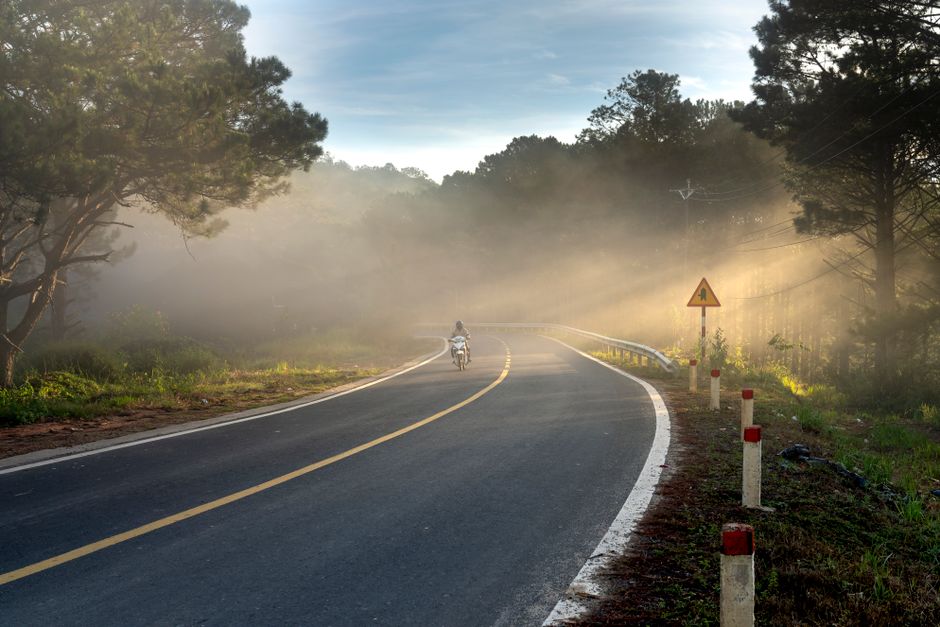
This is not a road. It is a serpentine whisper carved into the spine of mountains, a call to the rider who measures life not in miles, but in lean angles and the scent of high-altitude pine. The motorcycle route in Phu Chi Fa is a pilgrimage to the edge of the world, where Thailand dissolves into a sea of mist and the first light of dawn ignites the sky over Laos. Choosing your ribbon of asphalt here is everything; it transforms a simple ride into a symphony of sensation. One route offers the surgical precision of hairpin descents, another the gentle cruiser's embrace of rolling tea plantations, and a third the raw, unpaved challenge that calls to the adventurer's soul. This guide is your curated map to that symphony. We've dissected the journey not just by destination, but by the very feel of the road beneath your tires—the gritty texture of a mountain pass in the dry season, the slick, reflective sheen after a monsoon kiss, the perfect, cool tackiness of a winter morning. We considered everything: the unforgiving camber of a corner at 1,600 meters, the sudden weather shifts that can turn a vista into a whiteout, the suitability of your machine for these demanding elevations, and the sheer, breathtaking payoff of scenery that will have you pulling over not to rest, but to simply breathe it in. This is where the map ends and the legend begins. Throttle up.
Phu Chi Fa Riding Conditions Overview by Season
The character of the motorcycle route in Phu Chi Fa is a chameleon, dramatically reshaped by the seasonal hand. To ride it is to dance with the elements. Winter (Nov-Feb) is the crown jewel: crisp, dry air with temperatures from 5°C at dawn to a pleasant 25°C midday. Road grip is optimal, but morning frost patches on shaded high-elevation corners demand respect. This is the peak season for the legendary sea-of-mist sunrise. Spring (Mar-May) brings a warming trend, with highs pushing 30°C in the valleys. The haze can obscure distant views, but the blooming wildflowers are a spectacular trade-off. Road conditions remain excellent, though afternoon heat can make leathers oppressive. Summer (Jun-Oct) is the monsoon's domain. Temperatures are mild (18-28°C), but daily downpours are frequent, turning the asphalt into a slick, unpredictable mirror and unleashing potential fog that reduces visibility to mere meters. Off-road sections become challenging mud baths. Autumn (Oct-Nov) is the secret shoulder season: the rains retreat, leaving behind crystal-clear air, lush green landscapes, and cool, dry roads perfect for aggressive riding. The ideal riding months are unequivocally November through February, with October and March as superb, less-crowded alternatives.
Month-by-Month Route Breakdown
January
Weather Snapshot: Peak cold. Dawn at the summit plunges to 3-5°C, rising to a max of 22°C. Rain is a rare, dry-season ghost. Roads are bone-dry and grippy, but beware of lingering overnight frost in the deepest shadows of north-facing curves.
Traffic & Atmosphere: This is high season. The viewpoint at sunrise is a pilgrimage site, creating convoys of cars and bikes up the final ascent pre-dawn. Post-sunrise, the routes clear into a rider's paradise. The atmosphere is electric, a shared, shivering anticipation among riders for that iconic moment.
Events & Rallies: The "New Year's Sunrise Ride" unofficially dominates the first week, with hundreds of bikes converging. No formal rallies, but an organic gathering of the tribe.
Gear & Services: All guesthouses and shops in Phu Chi Fa and nearby Thoeng are open. Premium for sunrise-view accommodation. Pack serious cold-weather riding gear: heated grips are a godsend, layered thermal liners, and a windproof neck gaiter are mandatory.
Best Routes: The classic R118 from Chiang Kham to Phu Chi Fa, then exploring the smooth, sweeping curves of Highway 1093 along the ridgeline towards Doi Pha Tang. Perfect for high-speed cruising with unparalleled visibility.
Perfect for: Touring riders and photographers seeking the quintessential, if crowded, Phu Chi Fa sunrise experience.
February
Weather Snapshot: Similar to January, but marginally warmer (8°C lows, 25°C highs). The dry, stable weather holds firm. Road conditions remain pristine, arguably the year's best for predictable grip.
Traffic & Atmosphere: Still busy, but the post-holiday lull means slightly thinner crowds. The riding atmosphere is confident; riders push a little harder, knowing the asphalt is their ally.
Events & Rallies: Local temple festivals in nearby villages can cause sporadic, short traffic delays but offer fascinating cultural pit stops.
Gear & Services: Full availability. Cold morning gear still essential. Services are accustomed to riders; mechanics in Thoeng are well-versed in tire changes and chain adjustments.
Best Routes: The serpentine climb up from Wiang Kaen on Route 1155. This is a sportbike dream: a technical, demanding ascent with tight switchbacks and minimal traffic, leading directly to the peak.
Perfect for: Sportbike enthusiasts and technical riders wanting to test their mettle on a challenging, grippy climb.
March
Weather Snapshot: The heat begins to assert itself. Lows a mild 15°C, highs can spike to 30°C in the lowlands. Haze starts to build, softening distant mountain vistas. The last truly dry month; dust can be a factor on unpaved spurs.
Traffic & Atmosphere: A noticeable decline in tourist traffic. The roads feel more yours. The atmosphere shifts from winter pilgrimage to spring exploration.
Events & Rallies: The "Lanna Rider's Cool Season Farewell" often sees group rides from Chiang Mai converging on the region for one last dry-road blast.
Gear & Services: Transitional gear: a perforated jacket with a removable liner is ideal. All services open. Carry extra water; the drier heat is deceptively taxing.
Best Routes: The loop through Phu Sang and Phu Kham via local roads. Lower elevation, flowing curves through agricultural land and quieter villages, perfect for a relaxed, warm-weather cruise.
Perfect for: Cruiser riders and weekend warriors seeking a scenic, less physically demanding ride in pleasant warmth.
April
Weather Snapshot: Hot. Valley temperatures soar past 35°C, though the summit remains around 28°C. The haze is thick, often obscuring the Laos vista. Afternoon thunderstorms become a possibility late in the month. Road grip still good, but melting tar can be slick in the heat.
Traffic & Atmosphere: Low season begins. Traffic is minimal, mostly local. The riding atmosphere is one of endurance against the heat, rewarded with empty roads.
Events & Rallies: Songkran (Thai New Year, mid-April) brings nationwide water fights. Riding during this period means being drenched constantly; fun for some, a hazardous slick-fest for others.
Gear & Services: Maximum ventilation is key. Mesh gear, hydration packs, and cooling neck wraps. Some smaller guesthouses may close for maintenance. Fuel stations are always available.
Best Routes: Early morning rides only. The pre-dawn ascent to Phu Chi Fa to avoid the heat, then descending quickly to seek shade in the forested routes around Sirikit Dam.
Perfect for: Early-rising adventurers and those seeking solitude, willing to trade clear views for empty tarmac.
May
Weather Snapshot: The monsoon knocks on the door. Oppressively hot and humid (25-33°C). Afternoon cloud build-up is dramatic, with short, intense thunderstorms becoming frequent. Roads can be wet and slick with washed-out gravel in the evenings.
Traffic & Atmosphere: Very quiet. The atmosphere is heavy, tense with the promise of rain. Rides are planned with one eye on the towering cumulonimbus clouds.
Events & Rallies: None. This is a month for locals and the hardcore only.
Gear & Services: Full rain gear packed at the top of your luggage. Waterproof boots are a wise choice. Services are open but quiet.
Best Routes: Short, flexible loops from a base like Chiang Kham. The route to Phu Lang Ka is beautiful when the storms clear, with super-green rice paddies and dramatic skies.
Perfect for: The intrepid adventure rider, equipped for weather swings and ready to capture the landscape in its most violently lush state.
June
Weather Snapshot: The monsoon arrives in earnest. Cooler temperatures (20-28°C) but 80%+ chance of daily rain. Roads are perpetually damp, with moss and algae growing on seldom-used corners. Visibility in cloud and fog is the major challenge.
Traffic & Atmosphere: Minimal. You'll have the mountains to yourself, sharing them only with truckers and local farmers. The atmosphere is immersive, raw, and demanding.
Events & Rallies: Absolutely none. This is pure, unsanitized riding.
Gear & Services: Non-negotiable: high-quality, breathable rain suit, anti-fog visor treatment or pinlock, and waterproof luggage. Check tire tread depth aggressively.
Best Routes: The main highways (R118, 1093) are your safest bet, as they are well-maintained. Avoid the steep, unpaved shortcuts. Ride for the journey through the clouds, not the destination.
Perfect for: Seasoned, well-equipped touring riders who find a meditative peace in riding through rain and mist.
July
Weather Snapshot: Peak monsoon. Persistent, heavy rainfall. Temperatures steady (20-27°C). Landslide risk increases on cut-into-the-mountain roads. Road conditions are poor: slick, debris-strewn, with potential for deep puddles hiding potholes.
Traffic & Atmosphere: Sparse and cautious. The riding atmosphere is one of survival and heightened senses. Every corner is taken with reserve, every blind crest approached with caution.
Events & Rallies: None.
Gear & Services: As June, but add a focus on mechanical preparedness. Chain lube washes off quickly. Service stations are open, but remote mechanics may be harder to summon.
Best Routes: Not recommended for leisure riding. If you must, stick to the lowland roads east of Phayao. The high mountain passes of the motorcycle route in Phu Chi Fa are for experts only in these conditions.
Perfect for: Only the most experienced adventure motorcyclists with off-road capable machines and a high risk tolerance.
August
Weather Snapshot: Similar to July, but rainfall may begin to taper slightly towards month's end. Humidity is at its peak, a suffocating blanket. Fog is a near-constant companion above 1,000 meters.
Traffic & Atmosphere: Remains very quiet. The green is almost overwhelmingly vibrant. Riding is slow, methodical, and deeply sensory—the smell of wet earth, the sound of rain on helmet.
Events & Rallies: None.
Gear & Services: Focus on keeping dry *inside* your gear. Moisture-wicking base layers are crucial to avoid clammy chills at altitude.
Best Routes: Exploring the network of smaller roads in the mid-elevation tea plantation areas near Doi Mae Salong (accessed from the west). The scenery is stunning, and the roads are less extreme.
Perfect for: The photographer-rider, willing to endure discomfort for shots of emerald-green terraces shrouded in drifting cloud.
September
Weather Snapshot: The monsoon begins its retreat. Rain frequency drops to 50%, often in intense but shorter afternoon bursts. Temperatures remain pleasant (20-29°C). Roads dry out for longer periods, offering windows of glorious, clean asphalt.
Traffic & Atmosphere: A trickle of returning riders senses the change. The atmosphere is one of re-discovery, of emerging from a watery cocoon into a washed-clean world.
Events & Rallies: Informal "End of Rains" rides start to pop up in online forums.
Gear & Services: Continue packing rain gear, but you might start the day in a ventilated jacket. All services are operational and eager for business.
Best Routes: This is a great month for the full Phu Chi Fa - Doi Pha Tang - Sirikit Dam loop (Highway 1093, 1148, 1049). You get the epic views with a dramatic sky, and the roads are largely clean and empty.
Perfect for: Adventure and touring riders who want the lush scenery without the constant deluge of peak monsoon.
October
Weather Snapshot: The secret season. Rains become rare, the air clears dramatically. Temperatures are ideal: cool 18°C lows, warm 28°C highs. Road grip returns to near-perfect levels, clean and inviting.
Traffic & Atmosphere: Moderate and growing. The atmosphere is euphoric. Riders rediscover speed and confidence, the community reconnects on the road, sharing stories of the summer.
Events & Rallies: Often the host month for the "North Thailand Rider's Festival" based in Chiang Rai, with organized rides departing to Phu Chi Fa and beyond.
Gear & Services: Perfect for versatile textile gear. A light liner for morning mountain chills, removed by midday. Everything is open and welcoming.
Best Routes: All routes are in prime condition. This is the time to tackle the adventurous, unpaved backroad from Thoeng to Phu Chi Fa (Route 1234) – the mud has hardened, the dust is settled, and the views are crystal clear.
Perfect for: Every rider type. Especially adventure motorcyclists wanting to hit the dirt in optimal conditions.
November
Weather Snapshot: The start of the golden season. Dry, cool, and clear. Morning temperatures at the summit dip to 10°C, days are a sunny 26°C. Visibility is infinite. Road conditions are flawless.
Traffic & Atmosphere: Busy, but not yet peak. A sense of pilgrimage returns. The riding atmosphere is focused and joyous, with every curve revealing a postcard-perfect landscape.
Events & Rallies: "Loi Krathong" festivals in mid-month see lanterns in the sky; riding at night during this period is magical. Charity rides for hill-tribe communities are common.
Gear & Services: Back to cold-weather morning prep. Heated gear appreciated. All services at full capacity. Book accommodation in advance for sunrise views.
Best Routes: The classic sunrise assault. Up R118 in the pitch dark, a hushed wait with fellow riders at the summit, then a spirited, sun-warmed descent along the ridge on 1093 as the mist burns away below.
Perfect for: Touring couples and sport-touring riders seeking the complete, iconic Phu Chi Fa experience with perfect weather.
December
Weather Snapshot: Peak season cold. Frost is common at dawn (3-8°C), with brilliant, sunny days up to 24°C. Zero rain. Roads are dry but frost patches demand extreme caution on early-morning rides.
Traffic & Atmosphere: Highest traffic of the year, especially around holidays. The atmosphere is festive but congested. Camaraderie is high, but personal riding space is at a premium.
Events & Rallies: Christmas and New Year see massive influxes of riders from Bangkok and beyond. Spontaneous bike meets happen nightly in Chiang Kham.
Gear & Services: Full winter riding kit essential. Accommodation is expensive and booked solid; consider staying in Phayao or Chiang Rai and riding in early. Services are busy; wait times possible.
Best Routes: To escape crowds, explore the lesser-known southern approach from Pong via Route 1021. It's longer, more technical, and far quieter, delivering you to the peak from a different, serene angle.
Perfect for: The well-prepared touring rider who books early, or the local weekend warrior who knows the alternative backroads.
Peak vs. Shoulder vs. Off-Season Riding Analysis
Choosing when to tackle the motorcycle route in Phu Chi Fa is a strategic decision defining your entire experience. Peak Season (Nov-Feb) offers the ultimate reward: guaranteed dry roads, crystal-clear skies, and that legendary sunrise. The price? Congestion. The final climb can feel like a procession, not a ride. Accommodation prices double, and the serene mountaintop vibe is replaced by a bustling carnival atmosphere. You trade solitude for spectacle. Shoulder Season (Mar-Apr, Oct) is the rider's sweet spot. In October, you get 90% of the dry-season perfection with 50% fewer riders. March and April offer warmth and thinning crowds, though haze and heat are trade-offs. Roads are still excellent, services are fully open, and you can find a guesthouse room on a whim. This is where you claim the road as your own, riding at your pace, stopping where you please without a convoy behind you. Off-Season (May-Sep) is a fundamentally different proposition. This is not about destination riding; it's about raw, elemental journeying. The roads are challenging—slick, fog-bound, potentially hazardous. Traffic evaporates. You'll have mist-shrouded curves all to yourself, and the landscape is a dripping, vibrant emerald. The cons are severe: constant gear changes, reduced visibility, and the very real risk of landslides or getting caught in a torrential downpour. It's for the rider who values challenge and unique atmosphere over comfort and guaranteed views. For most, the shoulder season presents the ideal balance of reward and riding purity.
Best Routes for Specific Rider Types
Best for Sportbike Enthusiasts: The Wiang Kaen Ascent (Route 1155). This is your racetrack. A relentless series of tight, technical switchbacks and fast sweepers carved into the mountain face. The surface is generally good, the sightlines (outside monsoon) are clear, and the elevation change delivers a thrilling physicality. It demands focus, precise throttle control, and confident cornering. The reward is an empty parking lot at the top and the knowledge you've tamed the most demanding approach.
Best for Cruiser Riders: The Tea Plantation Meander (Local roads around Phu Sang & Phu Kham). Ditch the high mountains for rolling hills draped in neat rows of tea bushes. These wider, smoother roads feature gentle, flowing curves perfect for a heavy, low-slung machine. The pace is relaxed, the scenery is beautifully manicured, and the villages you pass through offer authentic roadside cafes where you can park prominently and soak in the slower pace of life.
Best for Adventure Motorcyclists: The Thoeng Backcountry Trail (Unpaved sections of Route 1234 and beyond). When dry, this network of dirt, gravel, and broken tarmac is a playground. It connects remote Hmong and Akha villages, traverses ridgelines with jaw-dropping views, and offers river crossings (dry season only). It requires a capable bike, navigation skills, and self-sufficiency. This is where the asphalt ends and true exploration begins.
Best for Touring Couples: The Classic Sunrise Loop (R118 to Phu Chi Fa, then Highway 1093 east to Doi Pha Tang, south on 1148/1049 to Sirikit Dam). This route maximizes scenery and comfort. It uses well-paved highways, offers multiple picturesque stopping points (viewpoints, hot springs, dam-side restaurants), and perfectly paces the day from pre-dawn mystery to a relaxing lakeside lunch. Ample accommodation options exist along the loop for a relaxed multi-day trip.
Best for Weekend Warriors: The Chiang Kham Sampler (Base in Chiang Kham, day rides to Phu Lang Ka, Phu Chi Fa, and local temples). This is efficiency and variety. From a single, well-equipped town, you can launch shorter, intense rides in different directions. One day for cultural stops and easy curves, another for an early-morning summit blast. It minimizes packing/unpacking and maximizes saddle time, perfect for the rider with limited days but unlimited enthusiasm.
Money-Saving Riding Strategies
Conquering the motorcycle route in Phu Chi Fa needn't conquer your wallet. Trip Timing: Avoid the December-January holiday spike. A late October or March trip delivers near-identical conditions at 30-40% lower costs for lodging. Fuel Hacks: Fill up in major towns like Phayao or Chiang Rai before entering the mountain loop; remote stations add a premium. Use a fuel-tracking app and remember that aggressive riding at high altitude burns through reserves faster. Rider-Centric Accommodation: Skip the "resort" at the summit. Look for rider-friendly guesthouses in Chiang Kham or Wiang Kaen that offer secure, under-cover bike parking, basic tools, and laundry services—often run by riders, for riders, at a fraction of the cost. Maintenance Timing: Get your major service (tires, chain, brakes) done in your home city where you trust the mechanic. Carry essential spares (clutch cable, tube) to avoid costly, opportunistic repairs in remote areas. Group Riding Discounts: Travel with two or three buddies. Not only does it enhance safety, but you can split the cost of guide services (if desired), bargain for group rates at guesthouses, and share the burden of carrying tools and spares. Eat Local: The roadside noodle stalls and village markets offer delicious, authentic meals for a few dollars, far cheaper than hotel restaurants. Hydrate with bottled water, not overpriced soft drinks at viewpoint concessions.
Motorcycle Events & Rallies Calendar
The rhythm of the motorcycle route in Phu Chi Fa is punctuated by gatherings of the tribe. While not all are formal, they significantly impact route timing and atmosphere. January: The organic "New Year's Sunrise Ride" sees hundreds converge on January 1st. Expect packed roads and a festival vibe. February/March: Various "Cool Season Farewell" rides organized by Bangkok and Chiang Mai clubs, creating temporary convoys of gleaming machines on the main routes. April: Songkran (13th-15th). The entire region becomes a water fight. Riding is possible but you will be soaked; treat it as a fun, unique experience or avoid it entirely for safety. October: The "North Thailand Rider's Festival" often based in Chiang Rai. This is a major event with bike shows, vendor stalls, and organized group rides departing to Phu Chi Fa and the Golden Triangle, significantly increasing traffic on weekends. November: Loi Krathong (full moon, usually mid-month). While not a bike event, the sight of thousands of lanterns floating into the night sky from temples and towns along your route is an unforgettable backdrop for an evening ride. Charity rides for hill-tribe schools are also common in this month. December: Christmas and New Year holidays trigger a mass exodus of riders from the south. Book everything a year in advance if you plan to ride during this period. These events add camaraderie and spectacle but always plan for increased congestion and higher prices.
Practical Monthly Gear Guides
Packing for Phu Chi Fa is about preparing for vertical climate zones. Your kit must adapt from valley heat to mountain chill, and from dry to deluge in minutes. All-Season Core: A quality modular or adventure-style helmet with Pinlock anti-fog. Rugged motorcycle jeans or pants with armor. Armored jacket (textile with multiple liners is most versatile). Motorcycle-specific boots (waterproof recommended). Gloves: pack a summer ventilated pair and a winter insulated/waterproof pair. A compact tool kit, tire repair kit, and portable air compressor. Winter (Nov-Feb): Add a heated vest or jacket liner, thermal base layers, a windproof neck gaiter/balaclava, and heated grips. Handguards on your bike are a massive bonus. Shoulder (Mar-Apr, Oct): Your core jacket with just the thermal liner. Pack a lightweight, packable rain layer just in case. Hydration is key. Monsoon (May-Sep): This is a full wet-weather offensive. A breathable, high-visibility rain suit (jacket & pants). Waterproof over-gloves. Multiple microfibre cloths for visor wiping. Waterproof luggage or high-quality dry bags. Anti-fog treatment for your visor. Moisture-wicking base layers to manage sweat. Unexpected Prep: Regardless of season, always carry a powerful LED flashlight/headlamp (for dawn rides or breakdowns), a basic first-aid kit, and a power bank for your phone. The mountains offer limited services, and self-reliance is part of the adventure.
Sample 7-Day Route Itineraries by Season
Spring (Clear Skies & Blooms): Day 1: Chiang Rai to Phayao (warm-up on Highway 1). Day 2: Phayao to Chiang Kham via backroads. Day 3: Base in Chiang Kham, day ride to Phu Lang Ka. Day 4: Chiang Kham to Phu Chi Fa summit for sunrise, then onward to camp/stay in Doi Pha Tang. Day 5: Explore Doi Pha Tang area, ride to Thoeng. Day 6: Thoeng to Phu Sang/Phu Kham tea plantations loop, overnight in Phu Sang. Day 7: Return to Chiang Rai via Wiang Kaen pass. Focus: Flower fields, clear(ish) skies, comfortable temperatures.
Summer (Emerald Odyssey): Day 1: Chiang Rai to Thoeng (set base). Day 2: Loop ride to Phu Chi Fa (expect fog/rain, ride cautiously). Day 3: South to Sirikit Dam, explore lake views in the rain. Day 4: Rest day/service bike in Thoeng. Day 5: Ride west towards Mae Chai, exploring lower-elevation rural roads less affected by cloud. Day 6: Northern loop to Wiang Kaen and back. Day 7: Return to Chiang Rai. Focus: Lush greenery, cultural stops, flexible planning around afternoon storms.
Autumn (Perfect Grip Tour): Day 1: Chiang Mai to Phayao (long haul). Day 2: Phayao to Phu Chi Fa via backroad 1234 (adventure route). Day 3: Sunrise at Phu Chi Fa, then take 1093 all the way east to the Mekong at Chiang Khong. Day 4: Mekong loop ride, Golden Triangle. Day 5: Chiang Saen to Doi Mae Salong via stunning mountain roads. Day 6: Mae Salong to Chiang Rai via backroads. Day 7: Chiang Rai leisure day. Focus: Aggressive riding on perfect roads, epic vistas, combining mountains and river.
Winter (Sunrise Pilgrimage): Day 1: Arrive Chiang Rai, bike prep. Day 2: Chiang Rai to Phu Chi Fa (afternoon ride), stay at summit guesthouse (booked!). Day 3: Sunrise, then descend to Chiang Kham. Day 4: Chiang Kham to Phu Sang hot springs, relax. Day 5: Phu Sang to Doi Pha Tang for sunset. Day 6: Doi Pha Tang to Nong Khai (long ride on good highways). Day 7: Nong Khai exploration. Focus: The iconic sunrise, cold-weather riding, and chasing the winter sun.
Conclusion
The motorcycle route in Phu Chi Fa is more than a destination; it is a rite of passage. The optimal strategy is not to seek one perfect route, but to match your machine, your skill, and your desire to the season's offering. For the sport rider seeking surgical precision, the dry, cool tarmac of February on the Wiang Kaen ascent is your canvas. For the adventurer craving raw earth and solitude, the hardened backroads of October call your name. For the touring couple dreaming of a shared, spectacular sunrise, the crisp dawn of November delivers a memory forged in gold and mist. Our final recommendation? Be the rider who respects the mountain's moods. Come prepared, come humble, and come ready to engage every sense. Whether you're carving a silent line through monsoon fog or chasing the dawn light with a hundred other pilgrims, you are part of the story of this road. The asphalt ribbons await, coiled around these ancient hills. Your throttle hand is the author. Write a great ride.
FAQ - Best Motorcycle Routes in Phu Chi Fa
Q: What is the single best month to ride Phu Chi Fa?
A: For the ideal balance of perfect weather, clear skies, and manageable crowds, November is the champion. The rains have just ended, leaving the landscape lush and the air crystal clear, the winter chill is present but not severe, and the peak holiday crowds have not yet arrived. You get 95% of the iconic experience with 30% more riding freedom.
Q: Is a large adventure bike (e.g., BMW R1250GS) suitable for all the routes?
A: Absolutely, and it might be the most versatile choice. On the main paved highways (R118, 1093), it's a comfortable tourer. On the steep, technical switchbacks like Route 1155, its torque and stability inspire confidence. Crucially, it unlocks the unpaved backroads and trails that are the region's true hidden gems, allowing you to explore beyond the asphalt. Just be mindful of its width and weight on very narrow village paths.
Q: Can I do the Phu Chi Fa sunrise ride on a small scooter or 150cc bike?
A: Yes, but with caveats. The engine will strain on the steepest grades, especially two-up. Your margin for error in cold morning conditions with thin tires is smaller. However, thousands do it every year. Ensure your brakes and tires are in excellent condition, take the climbs slowly, and dress even more warmly as scooters offer zero wind protection. It's a testament to the journey, not the machine.
Q: How dangerous are the roads during the monsoon (June-September)?
A: The danger level increases significantly. Hazards are multifaceted: reduced visibility from fog and heavy rain, slick asphalt that hides painted lines and manhole covers, debris and mud washed onto the road, and potential landslides on cut-into-the-hill sections. It is not recommended for inexperienced riders or those on sport bikes with slick tires. If you ride, do so with extreme caution, assume zero grip, and plan to be wet.
Q: Are there any specific cultural norms or rules I should follow as a rider in the area?
A: Respect is paramount. Dress modestly when off the bike, especially at temples. Keep noise levels down in villages—avoid revving engines unnecessarily. Always ask permission before taking photos of locals. The mountain communities are welcoming but traditional. A simple *wai* (traditional greeting with hands together) and a smile go a long way. Remember, you are a guest in their home.
Q: Is it necessary to book accommodation in advance, and if so, how far ahead?
A: For the peak season (December & January), especially for summit accommodation for sunrise, book 3-6 months in advance. For the shoulder seasons (November, February, March, October), a few weeks to a month is usually sufficient. During the monsoon, you can often book same-day. In all cases, contacting guesthouses directly via phone or Thai booking apps can yield better results than international sites.
Q: What is the one piece of gear riders most often forget but absolutely need?
A: Beyond the obvious, it's a high-quality neck gaiter or balaclava. The temperature drop during the pre-dawn ascent or a high-speed descent is brutal. A cold neck can lead to stiff shoulders and compromised control. A good gaiter seals your jacket, keeping out the chill and wind. In the monsoon, a thin one can help manage rain trickling into your collar. It's a small item that dramatically impacts comfort and focus.


No comments:
Post a Comment