
Mount Revelstoke National Park: The Ultimate Visitor's Guide | Tips, Trails & Things to Know
Introduction
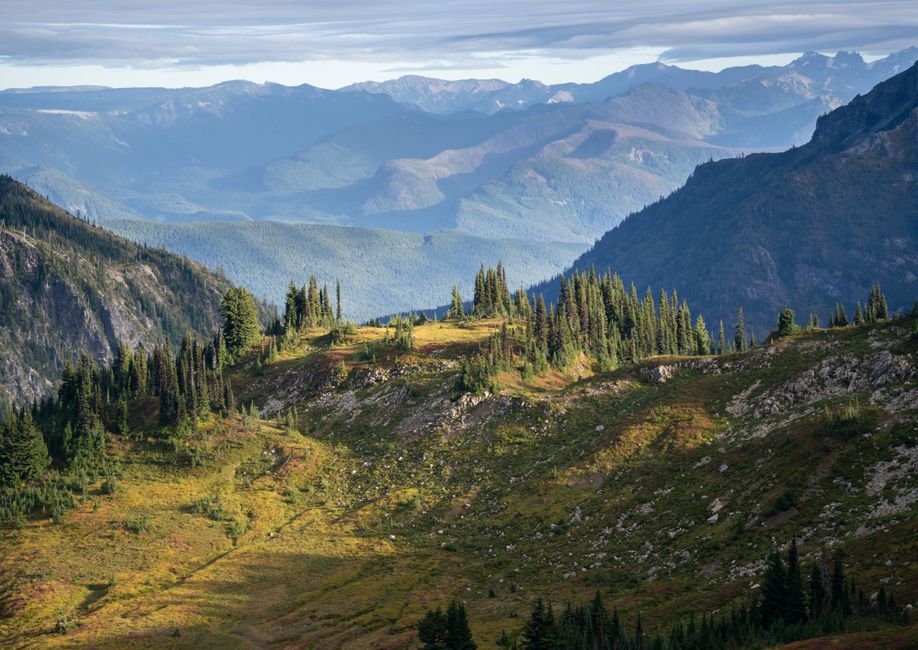
Rising from the lush, cedar-hemlock rainforests of the Columbia River valley to the wind-swept, flower-dappled alpine meadows of its namesake summit, Mount Revelstoke National Park is a world of ecological wonder compressed into a single, breathtaking ascent. Part of the UNESCO Canadian Rocky Mountain Parks World Heritage Site, this 100-square-mile (260 sq km) park in British Columbia's interior is a masterclass in vertical diversity. Unlike most mountain parks where reaching the alpine requires a grueling hike, here the 26-kilometer Meadows in the Sky Parkway delivers you—quite literally—to the doorstep of the heavens, winding through ancient forests and subalpine groves to a realm of delicate wildflowers and panoramic views that stretch for hundreds of kilometers.
What makes Mount Revelstoke globally significant is this accessible transition through four distinct bioclimatic zones. You can start your day among moss-draped giants and, within an hour, be strolling across a fragile alpine tundra ecosystem at an elevation of 6,400 feet (1,950 meters). The park protects a vital corridor for wildlife, including grizzly bears, mountain caribou, and over 180 species of birds. With approximately 400,000 visitors annually, it offers a more intimate and serene experience compared to its busier neighbors, yet it packs a powerful scenic punch. This guide is your key to unlocking its secrets. We'll cover the best times to visit for wildflowers or fall colors, detail the top hiking trails from gentle walks to challenging climbs, explain fees and passes, and provide insider tips on where to stay and how to explore responsibly, ensuring your trip to Mount Revelstoke National Park is nothing short of extraordinary.
Quick Park Facts
- Year Established: 1914. Size: 100 square miles (260 sq km / 64,200 acres).
- Annual Visitors: Approximately 400,000.
- Elevation Range: From 1,706 feet (520 meters) at the Illecillewaet River to 8,481 feet (2,585 meters) at the summit of Mount Revelstoke.
- Entrance Fees (2024): Daily: Vehicle $10.50, Adult $5.25, Senior $4.50. Annual Discovery Pass ($75.25) provides access to all national parks for a year.
- Camping & Lodging: One front-country campground (Snowforest, 62 sites). No lodges within the park. Numerous options in the adjacent city of Revelstoke.
- Pets Policy: Pets must be on a leash at all times (max 3 meters) and are restricted from certain trails, beaches, and all alpine areas to protect wildlife. Always check specific trail regulations.
- Nearest Airports: Kelowna International Airport (YLW) - 2.5-hour drive. Calgary International Airport (YYC) - 4.5-hour drive.
- Gateway Town: The city of Revelstoke, BC, is directly adjacent to the park's western entrance, providing all services.
- Accessibility Highlights: The Meadows in the Sky Parkway offers incredible alpine access. The Summit Boardwalk at Balsam Lake is a paved, gentle path. The Revelstoke Railway Museum (partner) offers accessible exhibits on park history.
Best Times to Visit Mount Revelstoke National Park
The ideal time for your visit depends entirely on the experience you seek, as each season paints the park in dramatically different colors and offers unique activities.
Spring (Late May – June)
Spring arrives late at elevation. In the valley, temperatures range from 50°F to 68°F (10°C to 20°C), with rain frequent. The Meadows in the Sky Parkway typically opens in late May or early June as crews clear winter snow. This is a season of powerful runoff, with waterfalls at their thunderous peak. Valley trails are muddy but lush. Crowds are minimal until late June. The major con is that the alpine meadows are still snow-covered, limiting high-elevation access. It's a quiet time for valley rainforest exploration.
Summer (July – August)
This is peak season. Valley temperatures are pleasant, 65°F to 80°F (18°C to 27°C), while the alpine is cool and often windy. Afternoon thunderstorms are common in July and August, so start hikes early. The park's famous wildflower bloom in the alpine meadows peaks from mid-July to mid-August, a spectacular display. All facilities and roads are open. Wildlife is active, especially bears. Crowds are highest, particularly on weekends. For the best experience, visit on weekdays and arrive at the Parkway gate before 10 AM.
Fall (September – October)
A spectacular and underrated season. Daytime temperatures range from 45°F to 65°F (7°C to 18°C), with crisp nights. Crowds diminish significantly after Labour Day. The alpine larch trees turn a brilliant gold in late September, creating a stunning contrast against evergreen spruce and blue sky. The elk rut (mating season) occurs in the valley, with bugling echoing at dawn and dusk. The Parkway usually closes after Thanksgiving (mid-October) with the first major snowfall. This is the prime shoulder season for photographers and hikers seeking solitude.
Winter (November – April)
The park transforms into a silent, snow-cloaked wilderness. The Meadows in the Sky Parkway is closed to vehicles and becomes a corridor for snowshoeing, backcountry skiing, and winter hiking. Valley temperatures are cold, averaging 14°F to 30°F (-10°C to -1°C), with deep snowpack. The Snowforest Campground is closed. This season is for experienced, self-sufficient adventurers seeking profound quiet and winter scenery. Avalanche terrain exists; check forecasts and carry appropriate safety gear. The nearby Revelstoke Mountain Resort offers world-class downhill skiing.
Top Things to Do in Mount Revelstoke National Park
Iconic Scenic Drives
Meadows in the Sky Parkway: The park's crown jewel. This 26 km (16 mi) paved road climbs from the rainforest to the subalpine, gaining over 1,400 meters (4,600 ft). Allow 1-1.5 hours one-way, plus exploration time. Must-stop viewpoints include the Inspiration Woods boardwalk through ancient cedar forest and the Balsam Lake area, where a short walk leads to the start of the alpine trails. The final section is a free shuttle ride (mid-July to early September) to the summit area, protecting the fragile tundra.
Columbia River & Illecillewaet Valley Roads: For a lower-elevation scenic tour, drive the park's western boundary roads along the powerful Columbia and Illecillewaet Rivers. Look for wildlife in the wetlands and enjoy views of the rugged Selkirk Mountains. These roads are plowed in winter.
Best Hiking Trails
Easy:
Skunk Cabbage Boardwalk: A 1.2 km (0.75 mi) loop on a sturdy boardwalk through a unique wetland. See giant skunk cabbage, listen for birds, and watch for bears. Minimal elevation gain.
Giant Cedars Boardwalk: Step into a primeval forest on this 0.5 km (0.3 mi) loop. Marvel at 800-year-old western red cedars in a lush, mossy rainforest. Fully accessible and profoundly beautiful.
Moderate:
Eva Lake Trail: The quintessential alpine hike. Starting from the Balsam Lake area, this 15 km (9.3 mi) return trail gains 450 meters (1,476 ft). It traverses meadows, passes Miller Lake, and ends at the stunning, aquamarine Eva Lake, nestled beneath jagged peaks. Allow 4-6 hours.
Jade Lakes Trail: A more challenging moderate hike. 18 km (11.2 mi) return with 650 m (2,133 ft) gain. Rewards hikers with two stunning, jade-colored lakes in a remote alpine basin. Best from late July onward.
Strenuous:
Mount Revelstoke Summit Trail: For peak-baggers. From the top of the Parkway, a steep 2 km (1.2 mi) one-way climb gains 250 m (820 ft) to the true summit at 8,481 ft. The 360-degree view of the Selkirks and Monashees is unparalleled.
Miller Lake – Jade Lakes Loop: A full-day epic for experienced hikers. A 20 km (12.4 mi) loop with significant elevation gain and loss, connecting the Miller and Jade Lakes basins. Requires route-finding and stamina.
Wildlife Viewing Hotspots
The park is a haven for mammals and birds. Black bears and grizzly bears are commonly seen in the alpine meadows (summer) and valley bottoms (spring/fall). Always carry bear spray and know how to use it. The Illecillewaet River floodplain is excellent for spotting elk, especially during the fall rut. Listen for their haunting bugles at dawn. Columbia River wetlands are prime for birdwatchers; look for bald eagles, osprey, and harlequin ducks. Mountain caribou, a threatened species, inhabit the high country but are rarely seen.
Ranger-Led Programs
From late June to early September, Parks Canada offers a variety of free interpretive programs. Join a guided walk through the Giant Cedars or a wildflower talk in the alpine meadows. Evening programs at the Snowforest Campground amphitheater cover topics from geology to wildlife. Don't miss the popular "Parks Canada Red Chair" experiences—pairs of iconic red Adirondack chairs are placed in stunning, lesser-known locations; find them for a perfect photo op and moment of reflection.
Photography Hotspots
1. Balsam Lake at Sunrise: Capture mirror-like reflections of subalpine firs in the still lake with morning light.
2. Eva Lake Shoreline: Mid-day light illuminates the stunning turquoise water against rocky peaks.
3. Giant Cedars Boardwalk: Shoot in soft, overcast light to accentuate the greens and textures of the rainforest.
4. First Footbridge on the Meadows in the Sky Parkway: Iconic shot of the road winding through the forest with mountain vistas.
5. Goldstream River Viewpoint (Fall): For stunning autumn colors contrasting with evergreen slopes.
Where to Stay
Lodges & Cabins
There are no hotels or lodges within Mount Revelstoke National Park itself. All commercial lodging is found in the adjacent city of Revelstoke, just minutes from the park gate. Options range from budget motels to luxury mountain lodges. The Regent Hotel and Revelstoke Lodge offer mid-range convenience downtown. For a splurge, consider the Gateway Inn or a luxury vacation rental. Prices typically range from $$ to $$$. Reservations are essential for summer and holiday weekends, often months in advance.
Campgrounds
Snowforest Campground: This is the park's only front-country campground, located just inside the park's west entrance. It has 62 unserviced sites suitable for tents and RVs (no hookups). It operates on a first-come, first-served basis from mid-May to late September. Amenities include flush toilets, kitchen shelters, fire pits (firewood for sale), and an amphitheater for evening programs. It fills quickly, especially on Friday and Saturday afternoons in July and August—aim to arrive before 2 PM.
Gateway Communities
The city of Revelstoke is your full-service basecamp. It's a vibrant mountain town with a historic downtown, numerous restaurants, grocery stores, outdoor gear shops, and a wealth of accommodations including hotels, motels, B&Bs, and Airbnb/VRBO rentals. It's literally a 5-minute drive from the park's main entrance. For a quieter alternative, consider the smaller community of Malakwa, about a 45-minute drive south along the Trans-Canada Highway.
How to Get to Mount Revelstoke National Park
Mount Revelstoke is uniquely accessible, bisected by the Trans-Canada Highway (Highway 1). The main park entrance and visitor centre are located just off Highway 1, on the eastern edge of the city of Revelstoke.
By Car: This is the most practical way to explore the park.
- From Vancouver, BC: ~6 hours (550 km / 342 mi) via Highway 1 (Trans-Canada) east.
- From Calgary, AB: ~4.5 hours (415 km / 258 mi) via Highway 1 west.
- From Kelowna, BC: ~2.5 hours (200 km / 124 mi) via Highway 97 north to Highway 1 west.
Parking at trailheads, especially for popular alpine hikes, is limited. Carpooling is highly recommended.
By Air: The nearest major airports are Kelowna International Airport (YLW) and Calgary International Airport (YYC). Both offer full rental car services. The smaller Kamloops Airport (YKA) is also an option. There is no direct public transit from these airports to the park; a rental car is necessary.
By Bus/Shuttle: Limited intercity bus services (e.g., Rider Express) stop in Revelstoke. There are no shuttle services operating within the park except for the mandatory summit shuttle on the upper Meadows in the Sky Parkway in peak summer.
Entrance Fees, Passes & Reservations
All visitors require a valid Parks Canada entry permit. Fees are charged per day (until 4 PM the following day). As of 2024, the daily fee for a vehicle (up to 7 people) is $10.50. An individual adult (hiker, cyclist) is $5.25. Seniors pay $4.50. These fees fund vital conservation and visitor services.
The best value for frequent visitors is the Discovery Pass, an annual pass providing unlimited access to all Parks Canada places for a full year. It costs $75.25 for a family/group (up to 7 people in one vehicle) or $39.20 for an individual. The America the Beautiful Pass (US Interagency Annual Pass) is also accepted for the daily entry fee equivalent.
Important: Mount Revelstoke National Park does NOT currently require timed entry reservations or a separate park pass reservation system. Access is first-come, first-served. However, the mandatory shuttle on the upper section of the Meadows in the Sky Parkway operates in peak season and is included with your park entry fee. Purchase your pass at the park gate or the Revelstoke Visitor Centre.
Packing Essentials & Gear Recommendations
Packing for Mount Revelstoke means preparing for rapid weather changes across vastly different elevations.
Clothing & Footwear: A layering system is non-negotiable. Pack a moisture-wicking base layer, an insulating mid-layer (fleece/puffy), and a waterproof/windproof outer shell. Even in summer, the alpine can be cold, wet, and windy. Sturdy, broken-in hiking boots with ankle support are essential for trails. For easy boardwalks, trail runners suffice.
Day Hike Essentials: Always carry the Ten Essentials: navigation (map & compass/GPS), headlamp, sun protection (sunglasses, hat, sunscreen), first-aid kit, knife, fire starter, emergency shelter, extra food, extra water (at least 2L), and extra clothing. Add bear spray (know how to use it), insect repellent (mosquitoes can be fierce in July), and trekking poles for stability.
Camping Gear: If staying at Snowforest Campground, bring all standard camping gear, including a bear-proof food storage locker or container (some are provided, but not all). Nights can be cool even in summer—a warm sleeping bag is advised.
Winter Gear: For winter exploration, you need snowshoes or backcountry skis, avalanche safety gear (transceiver, probe, shovel) and training if venturing beyond simple roads, extreme cold-weather layers, and a thermos with hot drinks. Always check avalanche conditions at Avalanche Canada.
Photography: Bring a wide-angle lens for vast landscapes and a telephoto for wildlife. A polarizing filter enhances skies and reduces glare on water. Don't forget extra batteries, as cold alpine air drains them quickly.
Accessibility Information
Parks Canada strives to make the park's wonders accessible to all. The Meadows in the Sky Parkway itself is a spectacular accessible experience, offering breathtaking views from your vehicle all the way to the Balsam Lake area.
Trails & Facilities: The Giant Cedars Boardwalk and the Skunk Cabbage Boardwalk are fully wheelchair-accessible, gentle loops with interpretive panels. At the top of the Parkway, the Summit Boardwalk near Balsam Lake is a paved, relatively level path offering stunning subalpine access. The Revelstoke Visitor Centre (in town) and the park gate kiosk are accessible. Accessible washrooms are available at the visitor centre, Snowforest Campground, and the Balsam Lake area.
Programs & Services: Some ranger-led programs are held in accessible locations. Service animals are welcome but must be kept under control and are subject to the same restrictions as pets in sensitive wildlife areas. The Snowforest Campground offers one accessible campsite (site #60) with a hardened pad and accessible picnic table.
Sample 3-Day and 5-Day Itineraries
3-Day Highlights Itinerary
Day 1: Arrival & Alpine Introduction. Arrive in Revelstoke, purchase your park pass. Drive the Meadows in the Sky Parkway to the top. Take the shuttle (if running) or walk the Summit Trail for panoramic views. Enjoy a picnic at Balsam Lake. On your descent, stop at the Inspiration Woods boardwalk. Evening: Check into your lodging and explore downtown Revelstoke.
Day 2: Iconic Hike & Rainforest. Morning: Hike the Eva Lake Trail for a full alpine immersion. Pack lunch and rain gear. Afternoon (if energy remains): Visit the easily accessible Giant Cedars or Skunk Cabbage boardwalks. Evening: Attend a ranger program at the Snowforest Campground amphitheater.
Day 3: River Valleys & Departure. Morning: Take a leisurely drive or bike ride along the Columbia River park roads for wildlife viewing. Visit the Revelstoke Railway Museum to learn about the park's construction history. Depart after lunch.
5-Day In-Depth Itinerary
Days 1 & 2: Follow the 3-Day itinerary at a more relaxed pace, perhaps splitting the alpine exploration (Parkway sights one day, Eva Lake hike the next).
Day 3: High Alpine Challenge. Tackle the Jade Lakes Trail for a full-day, rewarding adventure deep into the alpine basin. Ensure you have weather and energy.
Day 4: History & Hidden Gems. Morning: Explore the Nels Nelsen Historic Area near the base of the Parkway, site of a famous ski jump. Hike the Miller Lake Trail for a shorter, beautiful alpine lake visit. Afternoon: Relax by the Illecillewaet River or visit the artisan shops in Revelstoke.
Day 5: Waterfalls & Reflection. Drive to the southern park boundary to see the powerful Giant Cedars and perhaps a short walk to a lesser-known waterfall. Have a final picnic before your departure.
Family-Friendly Tips
Mount Revelstoke is a fantastic park for families. Start at the Revelstoke Visitor Centre to pick up a Parks Canada Xplorers booklet for kids (the Junior Ranger program). The boardwalk trails (Giant Cedars, Skunk Cabbage) are perfect for little legs and are stroller-friendly. The Meadows in the Sky Parkway is a hit with kids of all ages—they can experience the alpine without a long hike. Pack plenty of snacks, layers, and engage kids with wildlife bingo (spotting eagles, squirrels, different flowers). The evening campfire programs at Snowforest Campground are entertaining and educational for the whole family. For lodging, consider a family-friendly cabin or vacation rental in Revelstoke with more space and kitchen facilities.
Rules, Safety & Leave No Trace
Your safety and the protection of this fragile ecosystem are paramount.
Wildlife Safety: You are in bear country. Always carry bear spray, know how to use it, and make noise on trails. Never approach or feed any wildlife. Maintain a distance of 100 meters (3 bus lengths) from bears and 30 meters from elk and other large animals. Store all food, garbage, and scented items in your vehicle or provided food lockers.
Trail & Weather Safety: Stay on designated trails to protect vegetation and prevent erosion. Alpine weather changes rapidly; turn back if conditions deteriorate. Be prepared for cold, rain, wind, or even snow any month of the year. Lightning is a real danger in the exposed alpine—descend to tree line if storms approach.
Leave No Trace: Pack out all trash, including food scraps. Do not pick flowers or remove any natural or cultural objects. Use outhouses when available; if not, dig a cathole 15-20 cm deep at least 70 meters from any water source. Camp only in designated sites. Keep noise levels low so others can enjoy natural sounds.
Permits: A backcountry permit is required for all overnight wilderness camping. These are free and can be obtained at the park gate or visitor centre. They help manage use and ensure visitor safety.
Nearby Attractions
Mount Revelstoke is part of a spectacular region. Its sister park, Glacier National Park of Canada, is just 30 minutes east on the Trans-Canada Highway. Famous for the Rogers Pass National Historic Site, it offers more rugged hiking and stunning glacier views. The world-renowned Banff and Yoho National Parks are a 2.5 to 3-hour drive east. For a change of pace, visit the Crazy Creek Suspension Bridges & Waterfalls or the Enchanted Forest, both about 45 minutes south near Sicamous. The city of Revelstoke itself is an attraction, with the Revelstoke Mountain Resort (summer gondola, downhill biking), the Revelstoke Railway Museum, and a charming historic downtown.
FAQ About Visiting Mount Revelstoke National Park
How many days do you need in Mount Revelstoke National Park?
We recommend a minimum of two full days. One day for the Meadows in the Sky Parkway and alpine exploration, and a second for a major hike or to explore the valley rainforests. With 3-5 days, you can experience the park's full depth.
Can you see Mount Revelstoke in one day?
Absolutely. A one-day highlights tour should focus on driving the Meadows in the Sky Parkway, taking the summit shuttle (in season), walking the Summit Boardwalk, and visiting one of the valley boardwalks. You'll get a memorable taste of the park's vertical diversity.
Are there bears in Mount Revelstoke?
Yes. Both black bears and grizzly bears inhabit the park. They are most commonly seen in alpine meadows during summer and in valley bottoms during spring and fall. Carrying bear spray, making noise, and knowing how to react are essential safety measures.
Is Mount Revelstoke dog-friendly?
With restrictions. Pets must be on a leash (max 3m) at all times. They are prohibited from all alpine areas (above the Balsam Lake parking lot), certain trails, and beaches to protect sensitive wildlife and ecosystems. Always check specific trailhead signage.
What is the closest airport to Mount Revelstoke?
The closest major airport is Kelowna International Airport (YLW), about a 2.5-hour drive away. Calgary International Airport (YYC) is a 4.5-hour drive and offers more flight options. A rental car is required from either airport.
Do I need a reservation for Mount Revelstoke?
No, you do not need a timed entry reservation to enter the park itself. However, the upper section of the Meadows in the Sky Parkway is only accessible via a mandatory free shuttle bus during peak season (mid-July to early September), which operates on a first-come, first-served basis from the Balsam Lake parking area.
When does the park close?
The park is open year-round, but access varies. The Meadows in the Sky Parkway is closed to vehicles from approximately early October to late May due to snow. The Snowforest Campground is seasonal (mid-May to September). The Trans-Canada Highway and valley roads remain open year-round.
Is there cell service in the park?
Cell service is very limited and unreliable within the park boundaries, especially in the valleys and on trails. Do not rely on your phone for navigation or emergency communication. Always carry a physical map and inform someone of your plans.
Where can I see wildflowers?
The famous subalpine wildflower displays occur in the meadows around the Balsam Lake area and along trails like Eva Lake and Jade Lakes. The peak bloom is typically from mid-July to mid-August, depending on snowmelt.
Conclusion
Mount Revelstoke National Park is a place where the journey is as breathtaking as the destination. From the moment you begin your ascent on the winding parkway, you are on a vertical voyage through living climate zones, culminating in a fragile, flower-strewn world atop the continent. It's a park that invites contemplation, rewards effort, and leaves an indelible mark of mountain grandeur. Whether you come for the iconic alpine vistas, the serene ancient forests, or the chance to hear an elk bugle in a misty valley, this park offers a uniquely accessible and profoundly beautiful slice of the Canadian Rockies. As you plan your visit, remember that protecting this special place is a shared responsibility. Tread lightly, prepare thoroughly, and immerse yourself fully in the wonder. Your adventure in the sky awaits.


No comments:
Post a Comment