
Easter in Mumbai: Your Complete Guide to Holy Week, Spring Magic, and Coastal Celebrations
Introduction: A City Reborn in Spring's Embrace
Imagine the first light of a Mumbai morning in late March or early April. The harsh, dusty heat of summer has not yet arrived. Instead, a gentle, golden sun filters through the fresh, new leaves of the rain trees lining the old boulevards. The air, usually thick with humidity, carries a crisp, almost sweet quality, scented with the faint perfume of blooming copper pod trees—their yellow blossoms a local herald of spring. This is Mumbai in the Easter season, a time of profound transformation, both in nature and in spirit.
Across the city, from the Gothic spires of South Mumbai to the vibrant suburbs, a unique energy pulses. It's a fusion of solemn reverence and jubilant celebration. For the city's significant Christian communities—Goan, East Indian, Mangalorean, and others—Holy Week is a deeply moving tapestry of faith. You'll hear the mournful, haunting strains of the *Miserere* echoing from ancient churches on Maundy Thursday, and witness the vibrant, flower-bedecked processions of Good Friday, a spectacle of devotion that moves through narrow lanes.
Yet, Easter in Mumbai transcends the purely religious. It is a season where the city itself seems to exhale. The weather is arguably at its most benevolent, inviting long walks along Marine Drive at dusk, picnics in rejuvenated parks, and alfresco dining under a canopy of stars. Luxury hotels host extravagant Sunday brunches with chocolate fountains and egg hunts, while local bakeries overflow with sweet, coconut-filled *neuros* and plum cakes. It's a moment where Mumbai's famed cosmopolitanism shines brightest, welcoming all to share in its springtime renewal.
This comprehensive guide is your key to unlocking this magical window. We will navigate you through the balmy weather and occasional spring shower, lead you to the most poignant religious observances and festive feasts, and help you craft an itinerary that balances reflection with revelry. We'll provide practical advice on navigating crowds and costs, and reveal the hidden corners where the spirit of an Indian spring is most alive. Prepare to experience a Mumbai you never imagined—a city of resurrection, both literal and metaphorical, waiting to be discovered.
Is Easter a Good Time to Visit Mumbai?
In short, yes, Easter can be a wonderful and unique time to visit Mumbai, but it requires a specific mindset. It's not the classic "beach holiday" season, but rather a cultural and sensory experience par excellence. To help you decide, here's a balanced look at the pros and cons.
- ✔ Mild, Pleasant Weather: Escape the peak summer scorch. Days are warm and sunny, evenings are cool and breezy—perfect for exploration.
- ✔ Unique Cultural Events: Experience Holy Week processions and Easter masses that offer an authentic, deeply moving glimpse into a vital part of Mumbai's soul.
- ✔ Festive Spring Atmosphere: The city is adorned with flowers, and a general air of celebration permeates hotels, restaurants, and communities.
- ✔ Great for Foodies: Special Easter menus featuring traditional delicacies like sorpotel, sannas, and Easter eggs appear everywhere.
- ❌ Significant Crowds: It's a major holiday for domestic and international tourists. Popular sites, churches, and brunch venues will be packed.
- ❌ Premium Prices: Flight and hotel rates surge during this period, especially for Easter weekend.
- ❌ Unpredictable Weather: While generally dry, brief, intense spring showers (the "mango showers") can occur, potentially disrupting outdoor plans.
- ❌ Limited Cherry Blossoms: Traditional Japanese sakura are not found. The spring floral display is different, centered on indigenous trees like the Copper Pod and Indian Coral.
Mumbai Weather During Easter
Easter ushers in the tail end of Mumbai's brief, glorious spring and the cusp of the pre-monsoon summer. The climate is characterized by a delightful balance, a last gentle sigh before the intense heat of May.
Daytime temperatures typically range from a comfortable 28°C to 34°C (82°F to 93°F). The humidity, while present, is far more tolerable than in the monsoon or peak summer, often hovering between 60-70%. Nights bring relief, with temperatures dropping to a pleasant 22°C to 26°C (72°F to 79°F), making evening strolls along the Queen's Necklace or dinners on open terraces utterly blissful.
The sky is a dramatic canvas. Mornings often dawn with a crisp, clear blue, but by afternoon, you might see towering cumulus clouds build on the horizon. These can lead to short, intense, but usually brief, thundershowers known locally as "mango showers" for their role in ripening the fruit. They rarely last more than an hour, often leaving behind a washed-clean city and a spectacular rainbow arcing over the Arabian Sea.
Packing Tips: Think layers. Pack light cotton and linen for the day, but always carry a light sweater or stole for air-conditioned spaces and cooler evenings. A compact, sturdy umbrella or a lightweight rain jacket is essential. Sunscreen, sunglasses, and a wide-brimmed hat are non-negotiable for the strong afternoon sun. Most importantly, bring comfortable, breathable walking shoes—you'll want to be on your feet exploring.
Spring Blossoms & Seasonal Highlights
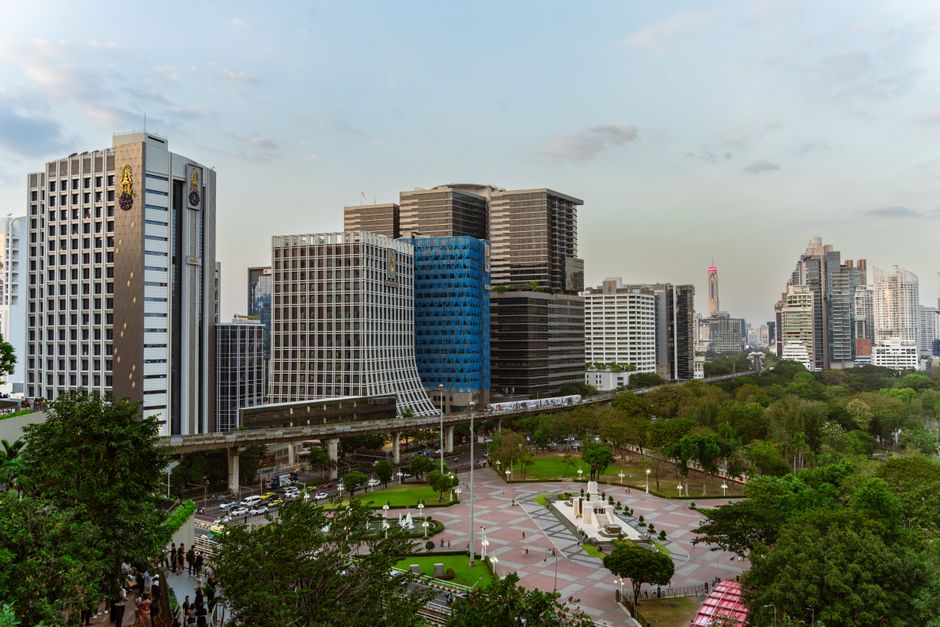
While Mumbai does not have the cherry blossoms (sakura) of Japan, Easter coincides with the spectacular blooming of several native trees that paint the city in vibrant hues. This is Mumbai's own, unique spring floral symphony.
The undisputed star is the Copper Pod tree (Peltophorum pterocarpum). Locally called "Peltophorum," these trees erupt in a riot of bright yellow, fragrant flowers that blanket the ground beneath them like a golden carpet. The entire city seems dipped in gold, especially in areas like the Oval Maidan, Hanging Gardens, and the lanes of Colaba. Following close behind is the Indian Coral tree (Erythrina indica), with its stunning vermilion-red, beak-shaped flowers that attract parakeets and mynas.
For the best viewing, head to Mumbai's green lungs. The Hanging Gardens (Ferozeshah Mehta Gardens) in Malabar Hill offer panoramic views of the city framed by these blossoms. Horniman Circle Gardens in the Fort district is a charming, colonial-era circle surrounded by flowering trees. A drive or walk along Nepean Sea Road or Pedder Road is also a visual treat.
Timing is linked to the heat. An early Easter (late March) will catch the blooms at their absolute peak. A later Easter (mid-to-late April) will still see plenty of flowers, but the intensifying heat may have started to wilt the earliest displays. Regardless, the city is undeniably lush and green, a beautiful backdrop to your Easter explorations.
Easter Events & Things to Do
The Easter period in Mumbai is a rich tapestry of events, blending sacred tradition with secular celebration. Your days can be filled with profound spirituality and indulgent festivity.
Religious Celebrations: The heart of the season lies in the Holy Week observances. On Maundy Thursday, attend the evening Mass of the Lord's Supper at historic churches like St. Thomas Cathedral (the city's first Anglican church) or the Portuguese-style Mount Mary Basilica in Bandra. Good Friday is marked by solemn afternoon services and dramatic processions. In neighborhoods like Bandra, Dadar (Portuguese Church), and Vasai, life-sized statues of Jesus bearing the cross are carried through streets strewn with flowers, accompanied by hymns sung in Konkani and Marathi.
Easter Sunday is a day of joy. Dawn services are held across the city, with the 5:30 AM Mass at Mount Mary Basilica being a particularly beautiful experience as the sun rises over the Arabian Sea. Afterward, the mood shifts entirely to celebration.
Festive Feasts & Fun: Mumbai's five-star hotels pull out all the stops for Easter Sunday Brunches. The Taj Mahal Palace, The St. Regis, and The Four Seasons host legendary spreads with champagne, roast lamb, and elaborate Easter egg displays. Many also organize Easter Egg Hunts for children. For a more local flavor, visit bakeries in Bandra, Khotachiwadi (a heritage village), or Irla to buy traditional sweets like neuros (sweet coconut-filled pastries) and marzipan eggs.
Embrace the spring weather with outdoor activities. Take a ferry to Elephanta Island now that the heat is manageable, enjoy a sunset cruise off the Gateway of India, or simply spend an afternoon people-watching and snacking on bhel puri at Chowpatty Beach, feeling the festive energy of the city.
Crowd Levels & Costs
Easter is a peak travel period in Mumbai, straddling the end of the tourist season and a major holiday. Expect significant crowds, especially from Good Friday through Easter Monday.
Tourist hotspots like the Gateway of India, Colaba Causeway, and popular temples will be thronged. Churches during services will be packed to the brim with devotees and visitors. This influx directly impacts prices. Hotel rates can be 30-50% higher than the January-February period. A standard double room in a good four-star hotel in South Mumbai or Bandra can easily cost ₹12,000 - ₹20,000 per night. Boutique heritage properties charge a further premium.
Flight prices follow suit. Both international flights into Chhatrapati Shivaji Maharaj International Airport and domestic flights see a sharp spike in the two weeks surrounding Easter. The key to managing cost is extreme foresight.
To secure reasonable rates, you should aim to book your flights at least 4-5 months in advance, and your accommodation 3-4 months in advance. Consider staying in slightly less central but well-connected neighborhoods like Lower Parel or Andheri East (near the airport) for better value. Being flexible with your travel dates by arriving a few days before Holy Week or departing after Easter Monday can also lead to substantial savings.
Best Places to Visit in Mumbai During Easter
Easter shapes a unique itinerary, highlighting spaces of reflection, celebration, and natural beauty.
Parks & Gardens (For Spring Walks & Floral Displays)
Hanging Gardens (Ferozeshah Mehta Gardens): Perched on Malabar Hill, these terraced gardens offer breathtaking views of the Marine Drive coastline and the Backbay. In spring, they are a kaleidoscope of flowering shrubs and the iconic yellow Copper Pod trees. The topiary animals add a whimsical touch, perfect for family photos.
Horniman Circle Gardens: Nestled in the heart of the historic Fort district, this circular garden is surrounded by majestic colonial buildings. It's a serene oasis where you can sit under the shade of sprawling banyan and rain trees, a peaceful retreat after exploring the nearby museums and the Gateway of India.
Sanjay Gandhi National Park: For a deeper immersion in nature, head to this massive park in Borivali. Take the toy train, visit the Kanheri Caves (ancient Buddhist rock-cut monuments), or simply enjoy the dense monsoon-ready foliage. It's a world away from the city's bustle.
Cultural & Historical Spots (Churches & Temples)
Mount Mary Basilica, Bandra: This 16th-century Roman Catholic basilica is the epicenter of Easter celebrations in Mumbai. Its serene location on a hillock overlooking the sea adds to its spiritual aura. Attending a Mass here, especially the Easter Vigil or Dawn Mass, is a profoundly moving experience.
St. Thomas Cathedral, Fort: As the first Anglican church in Mumbai (built 1718), it's a living piece of history. The quiet, hallowed interior with its memorial plaques and stained glass provides a space for quiet contemplation during Holy Week.
Global Vipassana Pagoda, Gorai: While not Christian, this magnificent golden pagoda is a stunning place for peace and meditation. The silent, expansive dome encourages introspection—a beautiful counterpoint to the festive celebrations elsewhere.
Shopping Areas (For Easter Treats & Spring Fashion)
Colaba Causeway & Fashion Street: For vibrant, budget-friendly spring shopping. Think light scarves, cotton kurtas, and costume jewelry. The bustling energy is infectious.
Bandra Linking Road & Hill Road: The heart of Bandra's shopping scene. Here, you can find trendy boutiques alongside local bakeries selling Easter specialties. Pick up some neuros and explore the designer stores.
Crawford Market (Mahatma Jyotiba Phule Mandai): A sensory overload in the best way. During spring, the fruit section is spectacular—piles of mangoes, lychees, and water apples. It's a feast for the eyes and the palate.
Day Trips (Nearby Spring Destinations)
Matheran: Asia's only automobile-free hill station, just a 2-hour journey away. The Easter weather is ideal for hiking its numerous lookout points, riding horses, and breathing the cool, pollen-scented air. The forest is lush and green, a perfect spring escape.
Alibaug: For a coastal day out. Take a fast ferry from the Gateway of India and spend the day beach-hopping, visiting the Kolaba Fort, and enjoying fresh seafood at a beachside shack. The sea breeze is delightful in April.
Lonavala & Khandala: The twin hill stations come alive in spring with waterfalls like Tiger's Leap and Bushi Dam still flowing from the last of the winter rains. The drive itself, through the ghats, is lined with greenery and flowering creepers.
Suggested 5-Day Easter Itinerary
This itinerary blends spirituality, culture, nature, and festivity, designed to capture the full essence of an Easter visit.
Day 1: Colonial Heritage & Evening Processions (Holy Thursday) Begin at the Gateway of India and the Taj Mahal Palace hotel. Walk to St. Thomas Cathedral for a moment of quiet. Explore the Chhatrapati Shivaji Mahaharaj Vastu Sangrahalaya museum. In the evening, head to Bandra to witness the start of the Good Friday preparations and attend a Maundy Thursday service at Mount Mary Basilica. Dine at a classic Irani café.
Day 2: Solemnity & Street Life (Good Friday) Experience the solemnity of Good Friday. Attend a midday or afternoon service at a local church (like Gloria Church in Byculla or St. Michael's Church in Mahim). Later, walk through the heritage precinct of Khotachiwadi, beautifully decorated for Easter. In the late afternoon, find a spot to respectfully observe a Good Friday procession in Bandra or Dadar. Keep dinner simple and reflective.
Day 3: Nature's Spring & Urban Oases (Holy Saturday) Escape the city buzz. Take an early morning trip to the Sanjay Gandhi National Park. Explore the Kanheri Caves and enjoy the greenery. Return to the city for a late lunch. Spend a relaxed evening at Horniman Circle Gardens or the Hanging Gardens, enjoying the spring blossoms and cooler air.
Day 4: Celebration & Feast (Easter Sunday) Start before dawn for the Easter Vigil or Sunrise Mass at Mount Mary Basilica—an unforgettable experience. Afterwards, join the joyful crowds wishing each other "Happy Easter!" Proceed to your booked Easter Sunday Brunch at a luxury hotel for a decadent, celebratory feast. Spend the afternoon relaxing, perhaps with a stroll on Carter Road promenade in Bandra. Enjoy a special Easter dinner at a fine-dining restaurant.
Day 5: Coastal Farewell & Souvenirs (Easter Monday) Take a morning ferry to the Elephanta Caves, enjoying the pleasant sea breeze. Return to the city for last-minute shopping on Colaba Causeway for souvenirs and spring fashion. Enjoy a final sunset at Marine Drive, watching the "Queen's Necklace" light up, reflecting on your journey of renewal in the Maximum City.
Travel Tips for Easter in Mumbai
Book Extremely Early: Reiterate: flights 4-5 months out, hotels 3-4 months out. This is non-negotiable for Easter travel.
Master Local Transport: Traffic will be heavy. Use the efficient Mumbai Local trains (Western and Harbour lines are most useful for tourists) and metro for speed. Uber and Ola are reliable but may surge during peak hours. For short distances in South Mumbai, black-and-yellow cabs are iconic and convenient.
Cultural Etiquette: When attending churches, dress modestly (covered shoulders and knees). During processions, be respectful and observant from the sidelines; avoid obstructing the path of devotees. Always ask permission before taking close-up photographs of people in prayer or during religious ceremonies.
Learn a Few Phrases: While English is widely spoken, a little Konkani or Marathi warms hearts. "Khushal Paska" (Happy Easter in Konkani) or "Subhak Easter" will earn you smiles. A simple "Thank you" is "Dhanyavaad."
Where to Stay
Choosing the right neighborhood enhances your Easter experience.
South Mumbai (Colaba, Fort, Marine Drive): The historic heart. You're steps away from major landmarks, the Gateway of India, and top restaurants. Pros: Ultimate convenience, walkable heritage, luxury hotel options (Taj, The Oberoi). Cons: Most expensive, can feel crowded and noisy.
Bandra (Bandra West, Carter Road): The "Queen of the Suburbs." Vibrant, trendy, and home to Mount Mary Basilica. Pros: Central to Easter celebrations, fantastic dining and nightlife, boutique hotel options, seaside promenades. Cons: Traffic congestion, prices are high (though slightly lower than South Mumbai).
Lower Parel / Worli: The contemporary business and luxury hub. Pros: Modern high-rise hotels with great views (St. Regis, Four Seasons), excellent malls and fine dining, good metro connectivity. Cons: Less traditional charm, more corporate feel.
Andheri (Juhu, Versova): Beachside and family-friendly. Pros: Access to Juhu Beach, more relaxed vibe, good range of mid-range to luxury hotels, closer to the airport. Cons: Further from South Mumbai landmarks, traffic on the Western Express Highway can be daunting.
What to Pack
Your Mumbai Easter suitcase should be prepared for celebration, contemplation, and capricious spring weather.
Clothing: Light, breathable fabrics like cotton and linen are essential for daytime. Include a few modest outfits for church visits—a shawl or light cardigan to cover shoulders, and skirts or trousers that cover the knees. A light jacket or sweater is crucial for air-conditioned spaces and cool sea breezes at night.
Footwear: Comfortable, broken-in walking shoes are your most important item. You'll be on your feet for processions, garden walks, and market explorations. Sandals are okay for evenings.
Rain & Sun Gear: A compact, travel-sized umbrella is a must. A packable rain jacket is a good alternative. High-SPF sunscreen, a wide-brimmed hat, and UV-protection sunglasses will shield you from the strong April sun.
Extras: A reusable water bottle to stay hydrated. A small backpack for day trips. Perhaps a festive accessory—a pastel-colored scarf or a floral pocket square—to join in the Easter spirit.
Pros & Cons Summary
👍 The Major Pros:
• Idyllic, mild spring weather perfect for sightseeing.
• Unique opportunity to witness deeply moving Holy Week traditions.
• The city is adorned with beautiful spring blossoms (Copper Pod, Coral trees).
• Festive atmosphere with exceptional food experiences, from street sweets to luxury brunches.
• A vibrant, cosmopolitan energy that celebrates renewal.
👎 The Notable Cons:
• Peak crowds at all major attractions and religious sites.
• Significantly inflated costs for flights and accommodation.
• The threat of brief but intense spring showers disrupting plans.
• Requires very advanced planning to secure bookings and good prices.
• Not a traditional "beach holiday" season; the sea can be rough.
Final Verdict: Should You Visit Mumbai at Easter?
Visiting Mumbai during Easter is not for every traveler, but for the right one, it is an unparalleled experience. This trip is highly recommended for cultural enthusiasts and spiritual seekers who are moved by authentic tradition and ritual. It's perfect for food lovers eager to explore seasonal delicacies and extravagant feasts. Couples will find the romantic spring weather ideal for coastal walks and fine dining, while families can enjoy the kid-friendly brunches and park explorations.
However, budget-conscious backpackers or travelers seeking a quiet, solitary retreat may find the crowds and costs prohibitive. Those whose primary goal is sunbathing on perfect beaches might be better served in Goa or Kerala during this period.
Ultimately, an Easter journey to Mumbai is an invitation to witness the city's soul. It's a chance to walk through streets carpeted in golden flowers, to feel the collective hush of a thousand prayers, and to taste the sweetness of renewal in every bite of a traditional pastry. You will experience not just a destination, but a transformation—a vibrant, chaotic, beautiful resurrection played out in the heart of India's maximum city. If you are ready for an immersive, emotionally rich, and unforgettable adventure, then Mumbai at Easter awaits.
FAQ: Best Time to Visit Mumbai for Easter
1. Is Easter a busy time in Mumbai?
Yes, extremely. It is a major holiday for the Christian community and a popular short-break period for domestic tourists. Expect crowded attractions, packed churches, and heavy traffic, especially from Good Friday through Easter Monday.
2. What's the weather like during Holy Week?
Generally hot and humid, but less intense than peak summer. Daytime temperatures range from 30-35°C (86-95°F) with high humidity. Evenings are slightly cooler. Brief but heavy thundershowers are common.
3. Are there Easter egg hunts for kids?
Yes, many of the larger five-star hotels (like the Taj, St. Regis, and JW Marriott) organize elaborate Easter egg hunts and children's activities as part of their Sunday brunch celebrations. Some clubs and community centers in areas like Bandra and Powai may also host them.
4. When should I book flights to get the best price?
For the best chance at reasonable airfare, book your flights to Mumbai at least 4-5 months before Easter. Prices only climb as the date approaches, and last-minute bookings will be exorbitantly expensive.
5. Can I see cherry blossoms during Easter?
No, traditional Japanese cherry blossoms (sakura) do not grow in Mumbai's climate. However, the city has its own spectacular spring bloom featuring vibrant yellow Copper Pod trees and red Indian Coral trees, which peak around the Easter period and create a similarly festive, colorful atmosphere.
6. What do locals do to celebrate Easter?
The Christian community observes Holy Week with church services, fasting, and prayers. On Good Friday, solemn processions are held. Easter Sunday begins with a midnight or dawn Mass, followed by festive family gatherings featuring traditional meals like sorpotel-pao (spicy pork curry with bread), and exchanging sweets like neuros and Easter eggs.
7. Is it expensive to travel during Easter week?
Yes, it is one of the more expensive times to visit Mumbai. Hotel rates can be 30-50% higher than usual, and flight prices surge. Dining at high-end brunches and events also adds to the cost. Budgeting 20-30% more than a typical trip is advisable.


No comments:
Post a Comment