
Easter in New Caledonia: Your Complete Guide to Cherry Blossoms, Holy Week, and Spring Magic
Introduction (Hook + Overview)
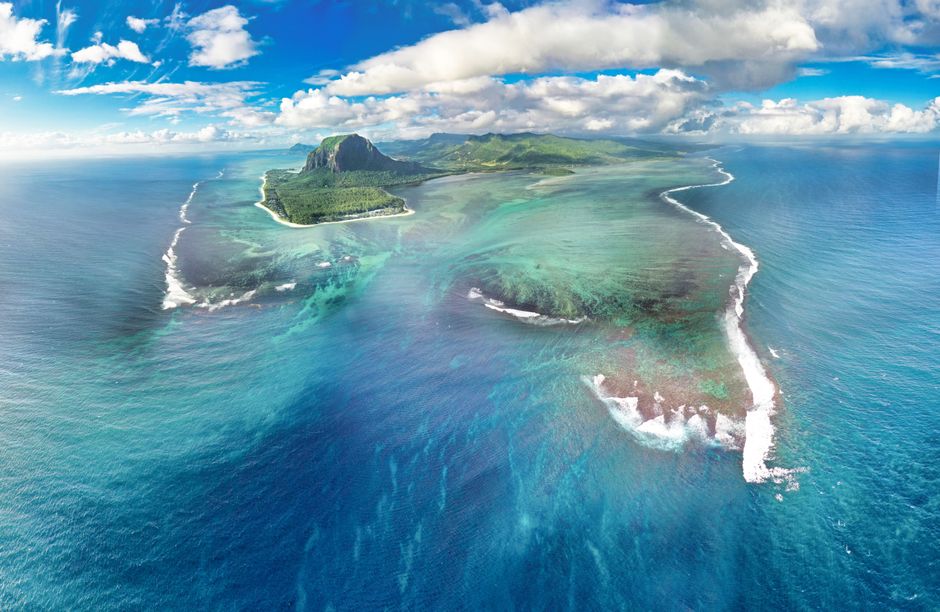
Imagine a morning where the air is not just warm, but perfumed. The scent of frangipani and salt-kissed breeze mingles with the distant, rhythmic beat of a wooden drum. You stand on a hillside overlooking the world's largest lagoon, a tapestry of impossible blues, and below you, a procession of white-clad figures moves silently through the streets, their hymns carried on the wind. This is not a dream. This is Easter in New Caledonia, a time when the archipelago sheds its summer intensity and dons the gentle, vibrant cloak of the Southern Hemisphere's autumn.
Easter here is a profound convergence. It marks the tail end of the warm, wet season, ushering in days of golden, mild sunlight and crisp, star-dusted nights. The landscape, refreshed by seasonal rains, erupts in a spectacle of color: the iconic flamboyant trees are not in bloom, but their place is taken by the delicate pink and white blossoms of the cerisier de Nouvelle-Calédonie—the local "cherry" or flame tree—painting the hillsides with strokes of soft fire. It is a season of deep cultural resonance, where the solemnity of Catholic Holy Week traditions, inherited from French colonists and blended with Kanak spirituality, meets the joyous, family-centric celebrations of Easter Sunday.
This guide is your key to unlocking this magical season. We will navigate the balmy, unpredictable weather of an Antipodean autumn and show you where to find the most breathtaking floral displays. You'll learn the rhythm of the Holy Week processions in Nouméa's cathedral square and discover where to savor a decadent Easter brunch overlooking the coral sea. We'll provide practical advice on navigating crowds and costs, craft the perfect itinerary blending reverence and relaxation, and offer the essential tips to ensure your journey is as smooth as the lagoon at dawn. Prepare to experience a Easter unlike any other, where European tradition meets Melanesian soul under a vast Pacific sky.
Let us journey together to an island where spring's renewal is felt in the blossom-laden breeze and seen in the reverent light of a thousand candles held aloft in the gathering dusk.
Is Easter a Good Time to Visit New Caledonia?
The short answer is a resounding yes, but with nuanced considerations. Easter offers a uniquely beautiful and culturally rich window into New Caledonia, presenting a compelling alternative to the peak summer crowds. However, its appeal depends on what you seek from your journey.
To help you decide, here are the key pros and cons:
- ✔ Unbeatable Seasonal Beauty: The autumn months (March-May) bring milder temperatures, lush green landscapes, and the spectacular bloom of local flame trees ("cerisiers"), often likened to cherry blossoms, creating a photographer's paradise.
- ✔ Deep Cultural Immersion: Witness the powerful fusion of French Catholic and Kanak traditions during Holy Week. The solemn processions and heartfelt masses offer an authentic glimpse into the island's soul.
- ✔ Pleasant Climate: Escape the intense heat and humidity of high summer. Easter weather is typically warm and sunny with comfortable evenings, ideal for exploration and outdoor dining.
- ❌ Holiday Premiums: As a major French holiday period, Easter sees a surge in domestic tourism. Flight and accommodation prices can be 20-40% higher than in the weeks just before or after.
- ❌ Variable Weather Patterns: Autumn can bring brief, intense tropical showers. While they refresh the air and spark rainbows, they require flexible planning.
- ❌ Limited Services: On Good Friday and Easter Sunday especially, many shops, bakeries, and smaller restaurants may be closed, particularly outside central Nouméa. Planning meals and essentials is crucial.
New Caledonia Weather During Easter
Easter in New Caledonia falls during the transition from the hot, wet season to the cooler, drier period. Think of it as nature's gentle sigh after the exuberance of summer. The atmosphere is dynamic, charged with the energy of change.
Daytime temperatures in Nouméa and the coastal areas typically range from a pleasant 24°C (75°F) to 28°C (82°F). The stifling humidity of January and February has usually broken, leaving a warmth that feels nurturing rather than oppressive. Nights are comfortably cool, often dipping to 18-20°C (64-68°F), perfect for sleeping with open windows to the sound of the ocean or the chorus of cicadas.
Rain is a character in this spring story, not just a backdrop. Short, dramatic afternoon showers are common, often arriving with little warning. They drum a passionate rhythm on broadleaf trees before passing just as quickly, leaving the world washed clean and sparkling. The air smells of damp earth, petrichor, and blooming jasmine. Always have a light, packable rain jacket or a small umbrella in your day bag.
Packing for this climate is an exercise in layering. Think breathable linen or cotton shirts, light trousers or skirts, a versatile cardigan or light sweater for cooler evenings and air-conditioned interiors, and a dependable sun hat. Most importantly, bring sturdy, comfortable walking shoes for exploring cobbled streets, garden paths, and coastal tracks that may be damp and lush.
Cherry Blossoms & Seasonal Highlights
While New Caledonia does not have the Japanese sakura, it boasts its own breathtaking floral spectacle that coincides perfectly with Easter: the blooming of the Delonix regia var. flavida, locally and lovingly called the "cerisier" or flame tree. From late March through May, these magnificent trees erupt in clusters of delicate, orchid-like flowers ranging from soft cream and buttery yellow to vibrant orange and salmon-pink.
The effect is nothing short of cinematic. Against the backdrop of deep green mountains and the brilliant turquoise lagoon, these pastel blooms create a landscape of dreamlike beauty. One of the most iconic viewing spots is along the Vallée des Colons in Nouméa, where streets are canopied in floral color. For a more panoramic experience, drive the winding roads of Mont-Dore or take a trip to the east coast, where the trees dot the countryside with spectacular bursts of color.
Timing is linked to the variable Easter date. An early Easter (late March) may catch the very beginning of the bloom, while a late Easter (mid-to-late April) will likely place you at the peak of the display. The blooms are a highlight, but the seasonal magic extends further. This is also a time for harvesting. Look for stalls selling fresh vanilla pods, fragrant Tahitian limes, and the first sweet mangoes of the season at local markets like the Marché de Nouméa.
Easter Events & Things to Do
Easter in New Caledonia is a tapestry woven with threads of solemnity, celebration, and family joy. Your days can oscillate between quiet reflection and festive indulgence.
The heartbeat of the week is the Holy Week religious observances. In Nouméa, the Cathédrale Saint-Joseph is the epicenter. Attend the evocative Good Friday "Chemin de Croix" (Stations of the Cross) procession through the city streets at dusk, a moving spectacle of faith. The Easter Vigil on Saturday night is a profound service, often incorporating Kanak musical elements, culminating in the joyful proclamation of "Christ est ressuscité!" (Christ is risen!).
On Easter Sunday, the mood shifts to celebration. Many of Nouméa's luxury hotels, such as the Château Royal Beach Resort & Spa or the Sheraton New Caledonia Deva Resort & Spa, host spectacular Easter brunch buffets. Imagine tables laden with fresh seafood, French pastries, and local specialties, with elaborate chocolate displays and egg hunts for children in lush gardens. Smaller cafés and restaurants also offer special menus.
Seek out local traditions. Bakeries craft intricate "Pâques" chocolates and special brioche-like breads. While large public parades are less common, communities across the islands, especially in the Loyalty Islands like Lifou and Maré, hold their own deeply spiritual gatherings, often blending hymn singing with traditional custom. A visit to the Tjibaou Cultural Centre during this period offers deeper insight into the Kanak worldview and their connection to cycles of renewal, which resonate powerfully with the Easter theme.
Crowd Levels & Costs
Easter is one of the busiest domestic travel periods in the French territory. The week leading up to Easter Sunday sees a significant influx of residents from across the islands and mainland France visiting family, leading to a palpable buzz, especially in Nouméa.
Crowds are most concentrated at the airport, popular seaside restaurants, and major supermarkets in the days before the holiday. However, unlike pure tourist hotspots, the vibe is more familial than frenetic. Once Easter Sunday arrives, the islands often grow quieter as families gather privately. Attending church services will place you among large local congregations, a wonderful immersive experience.
This demand drives prices upward. Expect to pay premium rates for accommodation. A standard double room in a central Nouméa hotel that might cost 15,000 XPF (~$135 USD) in February could easily be 20,000-22,000 XPF (~$180-$200 USD) over Easter. Flights from Australia, New Zealand, and Japan are also at a high-price plateau during this period.
The golden rule is to book early. Secure your flights and accommodation at least 4-6 months in advance, especially if you have your heart set on a particular resort or boutique hotel. This is non-negotiable for securing reasonable prices and availability.
Best Places to Visit in New Caledonia During Easter
To experience the full spectrum of Easter's magic, structure your explorations around these key destinations and themes.
Parks & Gardens (For Floral Splendor & Spring Walks)
Begin your journey at the Parc Forestier in Nouméa. Its shaded paths are home to magnificent flame trees and a stunning array of native flora. The Jardin Botanique de Nouméa offers a more curated botanical experience. For a truly wild display, take a day trip to the Parc Provincial de la Rivière Bleue. While the famous kaori trees are the main attraction, the park's diverse ecosystem is vibrant and lush at this time of year.
Cultural & Historical Spots (For Easter Services & Reflection)
The Cathédrale Saint-Joseph in Nouméa, with its distinctive spire clad in iridescent green tiles, is the spiritual heart of Easter. For a different architectural and cultural perspective, visit the picturesque Église de Vao on the Isle of Pines, a beautiful white-washed church often decorated with local flowers and shells for Easter. The Tjibaou Cultural Centre, designed by Renzo Piano, is essential for understanding the Kanak cultural context that underpins all celebrations here.
Shopping Areas (For Easter Treats & Local Crafts)
The Marché de Nouméa is a sensory feast. Before Easter weekend, it hums with activity as families shop for fresh produce, seafood, and flowers. Here, you can find beautifully woven Kanak baskets, local honey, and vanilla. For Easter chocolates and pastries, the boulangeries-pâtisseries in the upscale Port Moselle and Anse Vata districts are your destination. Rue de Sébastopol offers a mix of local boutiques and French brands for spring fashion.
Day Trips (For Scenic Beauty & Local Celebrations)
Escape the city to the Isle of Pines ("L'Île des Pins"). Its iconic araucaria pines and stunning lagoon, the Piscine Naturelle, are even more magical in the soft autumn light. On the mainland, the east coast town of Poindimié offers a more authentic, laid-back Kanak-majority experience, where Easter is celebrated with strong community spirit. The Loyalty Islands (Lifou, Maré, Ouvéa) require more planning but offer the most profound cultural immersion during Holy Week.
Suggested 5-Day Easter Itinerary
This flexible itinerary balances cultural depth, natural beauty, and festive relaxation.
Day 1: Arrival & Nouméa's Coastal Pulse. Arrive in Nouméa. Settle into your accommodation in Anse Vata. Stroll along the palm-fringed promenade as the sun sets. Dine at a beachside restaurant, savoring fresh tuna carpaccio. Let the rhythm of the island slow your heartbeat.
Day 2: Holy Week Solemnity & Market Flavors. Morning visit to the bustling Marché de Nouméa. In the afternoon, explore the Tjibaou Cultural Centre. As evening falls, join the solemn Good Friday procession at Cathédrale Saint-Joseph. Experience the powerful, silent march through the city, a moment of shared reverence.
Day 3: Floral Hills & Island Escape. Drive into the hills of Mont-Dore to witness the flame trees in bloom. Enjoy a picnic with views of the lagoon. Alternatively, take a short flight or ferry to the Isle of Pines for the day. Swim in the celestial waters of the Piscine Naturelle and feel the fine, white sand between your toes.
Day 4: Easter Sunday Celebration & Brunch. Attend a joyful Easter Sunday mass, perhaps at a smaller local church for an intimate experience. Then, indulge in a legendary Easter brunch at a resort. Spend the afternoon relaxing by a pool or on the beach, digesting both the food and the day's emotions.
Day 5: Farewell & Souvenirs. Enjoy a final café au lait and croissant. Take a last walk through the Parc Forestier or shop for souvenirs—a bag of local vanilla, a piece of Kanak pottery, or a vibrant pareo. Depart with a camera full of color and a heart full of Pacific peace.
Travel Tips for Easter in New Caledonia
Booking 4-6 months in advance for flights and hotels is your most critical step. During Easter week, public transport in Nouméa runs on a reduced holiday schedule; consider renting a car for maximum flexibility, but book it early.
Cultural etiquette is important. If attending church services, dress modestly (covered shoulders, knees). During processions, maintain a respectful silence and avoid blocking pathways. Photography is often tolerated but be discreet; never use flash during a service.
Learn a few key French phrases to enrich your interactions: "Joyeuses Pâques" (Happy Easter), "Christ est ressuscité" (Christ is risen – to which the response is "Il est vraiment ressuscité"), and "Merci" (Thank you). In Kanak areas, a simple smile and a polite "Bonjour" go a very long way.
Finally, embrace the "îlot" pace. Things may move slower, shops may close unexpectedly for the holiday, and a rain shower might alter your plans. This is not inefficiency; it is the island's rhythm. Surrender to it.
Where to Stay
Choosing your base is key to shaping your Easter experience.
Anse Vata: The tourist hub. Pros: Vibrant, beachfront location with numerous restaurants, water sports, and the iconic "Ouen Toro" hill. Ideal for first-time visitors and those wanting convenience. Stay at resorts like the Nouvata Parc Hotel or the Hôtel Le Méridien Nouméa.
Baie des Citrons: Adjacent to Anse Vata but slightly quieter. Pros: Excellent café culture, a beautiful sheltered beach, and a more local evening vibe. Perfect for couples and foodies. Look for boutique apartments or smaller hotels like Ramada Plaza Nouméa.
City Centre (Centre-Ville): The historic and commercial heart. Pros: Walking distance to the cathedral, markets, and shopping. More urban feel. Best for travelers prioritizing cultural events and easy access to services. Consider the Hôtel Beaurivage or serviced apartments.
Greater Nouméa & Beyond: For tranquility and nature. Pros: Serene settings, often with stunning lagoon views. Requires a car. Ideal for families or those seeking a retreat. Options range from the luxurious Sheraton New Caledonia Deva Resort & Spa in Bouredoute to charming guesthouses ("chambres d'hôtes") in the countryside.
What to Pack
Your Easter suitcase should be prepared for ceremony, celebration, and spontaneous spring showers. Layered clothing is essential: light, breathable fabrics for the day (linen, cotton) and a light sweater or stylish jacket for cooler evenings and air-conditioned spaces.
Footwear must be versatile: comfortable walking shoes for city and garden exploration, and sandals or water shoes for the beach. Include a packable rain jacket or a compact umbrella—this is your most practical accessory.
For attending religious services, pack modest attire: a shawl or cardigan to cover shoulders, and trousers or a skirt/dress that falls below the knee. Don't forget sun protection: a wide-brimmed hat, high-SPF sunscreen, and sunglasses.
Finally, bring a sense of adventure and perhaps a nicer outfit for that special Easter brunch. A reusable shopping bag for market finds and a waterproof case for your phone during lagoon excursions are also wise additions.
Pros & Cons Summary
Pros:
- Spectacular seasonal blooms of the local flame ("cherry") trees.
- Mild, pleasant autumn weather ideal for outdoor activities.
- Unique opportunity to witness profound and beautiful Holy Week traditions.
- Festive atmosphere with special Easter meals and events.
- Lush, green landscapes refreshed by seasonal rains.
Cons:
- Peak domestic holiday period leading to higher crowds at transit points.
- Significantly elevated prices for flights and accommodation.
- Potential for brief but heavy tropical rain showers.
- Many local businesses and services closed on Good Friday and Easter Sunday.
- Need for very advanced planning and booking.
Final Verdict: Should You Visit New Caledonia at Easter?
Visiting New Caledonia for Easter is not for every traveler, but for the right one, it is an unforgettable privilege.
Couples and culturally curious solo travelers will find it ideal. The blend of natural beauty, deep spiritual events, and romantic settings is powerful. Families can enjoy the egg hunts and brunches, though they should be prepared for higher costs and the need for careful planning around closures. Budget-conscious backpackers may find this the most challenging time of year, as low-cost options book out first and prices peak.
If you seek a sun-drenched beach holiday with guaranteed dry weather and nightlife, the post-Easter months of May to October might suit you better. But if you are drawn by the prospect of experiencing a destination at its most spiritually and seasonally poignant, if you don't mind planning well ahead and investing a little more for a unique experience, then Easter in New Caledonia calls to you.
It is a journey that engages all the senses and touches the soul—a chance to witness an island not just as a paradise, but as a living, breathing community celebrating renewal under the vast, hopeful sky of the South Pacific.
FAQ: Best Time to Visit New Caledonia for Easter
Q: Is Easter a busy time in New Caledonia?
A: Yes, it is one of the busiest domestic holiday periods. Nouméa and transport hubs are lively with families traveling. However, the crowds are more localized than overwhelming, and the atmosphere is festive rather than frantic.
Q: What's the weather like during Holy Week?
A: Expect warm, sunny days (24-28°C / 75-82°F) with a high chance of short, intense tropical showers, usually in the afternoon or evening. Evenings are comfortably cool. Pack for both sun and rain.
Q: Are there Easter egg hunts for kids?
A: Yes! Many of the larger resorts and hotels in Nouméa, such as the Château Royal or Sheraton Deva, organize elaborate Easter egg hunts in their gardens on Sunday morning, often as part of a brunch package.
Q: When should I book flights to get the best price?
A: The moment you decide to go. For Easter travel, aim to book international flights at least 4-6 months in advance. Prices only increase as the holiday approaches, and seats sell out quickly.
Q: Can I see cherry blossoms during Easter?
A> You will see the stunning local equivalent: the blooming "cerisier" or flame tree (Delonix regia). Its beautiful clusters of cream, yellow, pink, and orange flowers create a similar "sakura" effect across the hillsides from late March through May.
Q: What do locals do to celebrate Easter?
A> For the predominantly Catholic population, it is a deeply religious holiday. They attend Holy Week services, especially the Good Friday procession and Easter Sunday mass. Families gather for a large meal on Sunday, often featuring roast meat or seafood, and children receive chocolate eggs and gifts.
Q: Is it expensive to travel during Easter week?
A> Yes, it is a premium travel period. You can expect to pay 20-40% more for flights and accommodation compared to the weeks just before or after. Dining and car rentals may also be at a higher rate. Budget accordingly and book early to mitigate costs.


No comments:
Post a Comment