
New Forest National Park: The Ultimate Visitor's Guide | Tips, Trails & Things to Know
Introduction
Step into a living, breathing tapestry of ancient woodland, sun-dappled heathland, and wild, open pasture. The New Forest National Park, nestled in the heart of southern England, is a landscape forged by a thousand years of history and a unique, delicate balance between nature and human activity. Established in 2005, this 219-square-mile (140,000-acre) park is not a remote wilderness but a working, lived-in landscape of profound beauty and ecological importance. Its "new" name is a delightful misnomer, dating back to its creation as a royal hunting ground by William the Conqueror in 1079. Today, it's a UNESCO World Heritage Site candidate, recognized for its unparalleled commoning system, where local people graze their ponies, cattle, and donkeys freely across the land—a practice that has shaped this ecosystem for centuries.
What makes the New Forest globally significant is this extraordinary mosaic of habitats, from ancient oak and beech woodlands, some over a millennium old, to the largest area of lowland heath in Europe. This diversity supports a wealth of wildlife, including all five of Britain's native reptile species and rare birds like the Dartford warbler. The park's gentle topography, with its highest point at 129 meters (423 feet) at Pipers Wait and its lowest in the coastal mudflats, makes it wonderfully accessible. Welcoming over 15 million day visitors annually, the New Forest offers a unique escape where you can walk or cycle for miles under a canopy of ancient trees, spot iconic free-roaming New Forest ponies around every bend, and discover charming villages steeped in tradition. This guide will navigate you through the best times to visit, top trails, essential fees, cosy lodging, and insider tips to experience the timeless magic of the New Forest responsibly.
Quick Park Facts
- Year Established: 2005 (as a National Park).
- Size: 219 square miles / 56,650 hectares / 140,000 acres.
- Annual Visitors: Approximately 15 million day visits.
- Highest Point: Pipers Wait, 129 meters (423 feet).
- Lowest Point: Coastal mudflats and saltmarshes.
- Entrance Fee: None. The New Forest is free to enter. Parking charges apply at official car parks (typically £2-£10 per day).
- Lodging & Campsites: Over 30 campsites and holiday parks, plus numerous B&Bs, hotels, and self-catering cottages within and around the park.
- Pets Policy: Dogs are welcome but must be kept under close control at all times, especially near livestock. Leads are mandatory during ground-nesting bird season (March 1 – July 31) on many areas of open forest.
- Nearest Airports: Southampton Airport (20 miles), Bournemouth Airport (25 miles). London Heathrow and Gatwick are major international hubs within a 2-hour drive.
- Gateway Towns: Lyndhurst (the unofficial "capital"), Brockenhurst, Beaulieu, Lymington, and Burley.
- Accessibility Highlights: Several waymarked, accessible trails (e.g., Blackwater Arboretum, Bolderwood), accessible facilities at main visitor centres, and the New Forest Tour open-top bus service.
Best Times to Visit New Forest National Park
The New Forest is a year-round destination, each season painting the landscape with a distinct palette and offering unique experiences. Your ideal time depends on what you wish to see and the atmosphere you seek.
Spring (March-May)
Spring is a season of glorious renewal. Temperatures range from a crisp 5°C to 15°C (41°F to 59°F). The forest floor erupts in a carpet of bluebells, primroses, and wild daffodils, particularly stunning in ancient woodlands like Mark Ash Wood. Newborn foals and calves take their first wobbly steps beside their mothers. Crowds are moderate, increasing towards the May bank holidays. Most facilities reopen after the winter. Pros: Spectacular wildflowers, baby animals, vibrant green foliage, and pleasant hiking weather. Cons: Unpredictable showers, lingering chill, and some areas can be muddy.
Summer (June-August)
Summer brings long, bright days and peak visitor numbers. Temperatures are comfortable, averaging 14°C to 22°C (57°F to 72°F), though heatwaves can occur. The heathland blooms with purple heather from mid-August, creating breathtaking vistas. This is the best time for cycling, picnics, and coastal trips to Keyhaven. Be prepared for busy car parks and trails, especially around Lyndhurst and Brockenhurst. Pros: Long daylight hours, heather in bloom, all attractions open, and warm weather for outdoor activities. Cons: Peak crowds, higher accommodation prices, and the need to book everything well in advance.
Fall (September-November)
Arguably the most beautiful season, fall is a symphony of colour. Temperatures cool from 18°C to 7°C (64°F to 45°F). The ancient woodlands turn to gold, russet, and amber, with oak and beech trees putting on a spectacular show from late October. The "pony drift" season begins, where commoners round up their animals for health checks. Crowds thin significantly after October half-term. Pros: Stunning autumn foliage, fewer visitors, atmospheric misty mornings, and the drama of the pony round-ups. Cons: Shorter days, increasing rainfall, and some seasonal facilities begin to close.
Winter (December-February)
Winter reveals the Forest's stark, skeletal beauty. Temperatures range from 2°C to 8°C (36°F to 46°F), with occasional frost and rare light dustings of snow. This is the quietest season, offering solitude and a chance to see the landscape's raw structure. Many ponies wear reflective collars to prevent road accidents in the dark. Some campsites and cafes close. Pros: Extreme peace and quiet, dramatic skies, excellent birdwatching (including wintering wildfowl), and cosy pub fires. Cons: Shorter daylight hours (sunset as early as 4 pm), cold and damp conditions, and reduced services.
Shoulder Season Recommendation: For the best balance of good weather, manageable crowds, and natural beauty, target late May to late June or September through mid-October.
Top Things to Do in New Forest National Park
Iconic Scenic Drives
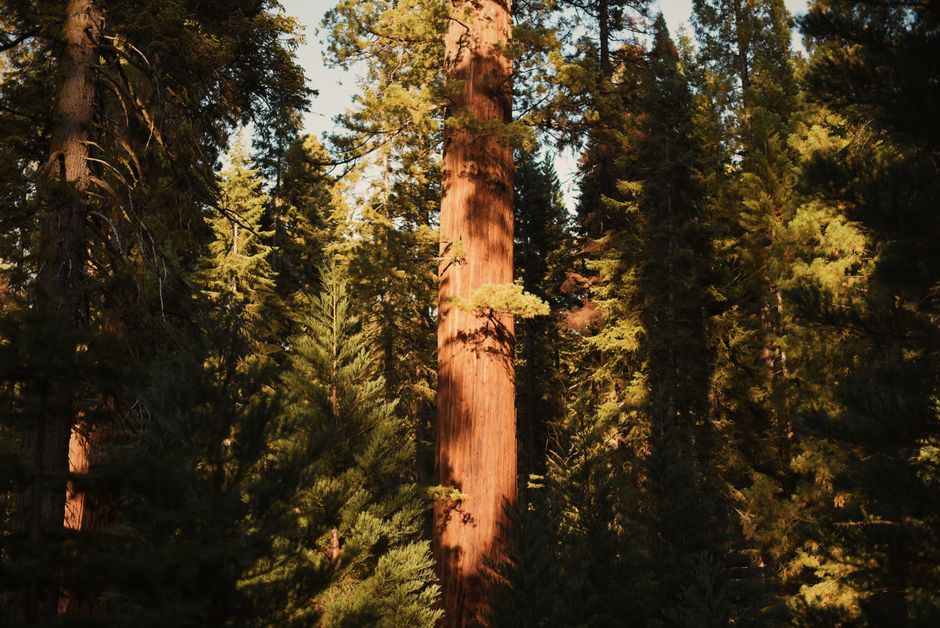
While exploring on foot or bike is best, a car tour unveils the Forest's variety. The Rhinefield Ornamental Drive (2 miles) is a must, passing towering 19th-century giant redwoods and Douglas firs. For a longer circuit, try the Bolderwood-Ornamental Drive Loop (10-mile loop from Lyndhurst), taking in the ancient Knightwood Oak, Bolderwood Deer Sanctuary, and the ornamental drives. The Beaulieu to Buckler's Hard drive (3 miles) leads to a historic shipbuilding village on the Beaulieu River, offering a completely different, maritime perspective.
Best Hiking Trails
Easy: The Bolderwood Deer Walk (1.5-mile loop) is a flat, family-friendly trail leading to a viewing platform where you can often spot fallow deer. The Blackwater Arboretum Trail (0.75-mile loop) is a fully accessible sensory walk among majestic trees, with braille guides and scent posts.
Moderate: The Lyndhurst to Brockenhurst via the Ornamental Drives (5 miles one-way) is a classic walk through sublime woodland scenery. For heathland, the Burley Beacon Circular (4-mile loop) offers panoramic views from an Iron Age hillfort.
Strenuous: For a true challenge, tackle sections of the New Forest's 40-mile Coast Path, such as the Lymington to Keyhaven stretch (4 miles one-way), with its exposed saltmarshes and coastal defences. The Wilverley Inclosure Figure-of-Eight (8-mile loop) explores deep, quiet woodland and open plains with significant elevation change for the Forest.
Wildlife Viewing Hotspots
The park's famous free-roaming ponies are ubiquitous, but also look for cattle, donkeys, and pigs (released in autumn for "pannage," acorn-eating). For deer, head to the Bolderwood Deer Sanctuary (best viewing late afternoon). The heathlands around Beaulieu Heath or Keyhaven Marshes are prime for spotting rare birds like the Dartford warbler, hobby falcons, and in winter, short-eared owls. Always observe from a distance; these are wild, not tame, animals.
Ranger-Led Programs
The New Forest National Park Authority and Forestry England run an excellent program of guided walks and events year-round. Themes include dawn chorus walks, deer rut talks, fungi forays in autumn, history walks, and "meet the commoner" sessions. Most are free or low-cost but require booking. Check the official park website for current schedules.
Photography Hotspots
1. Rhinefield Bridge at sunrise: Capture mist swirling between the giant redwoods.
2. Bolderwood Deer Sanctuary in late afternoon golden hour: Perfect light for photographing fallow deer.
3. Ipley Cross at sunset: Iconic views over the heather-clad heath with gnarled trees silhouetted against the sky.
4. Keyhaven Marshes at high tide: Stunning landscapes of reeds, water, and birdlife.
5. Any woodland path in late October: For intimate shots of vibrant autumn leaves and moss-covered logs.
Where to Stay
Lodges & Cabins
For a comfortable forest retreat, consider Forest Lodge Hotel in Brockenhurst ($$$) for traditional charm, or the Balmer Lawn Hotel ($$$), also in Brockenhurst. For self-catering, Forest Holidays at Deerpark (near Lyndhurst) offers luxury wooden cabins with hot tubs ($$$). The Careys Manor Hotel & SenSpa in Brockenhurst provides a high-end, spa-focused experience ($$$$). Book these at least 6-12 months in advance for peak seasons.
Campgrounds
The New Forest has over 30 campsites, from basic to family-friendly. Hollands Wood and Ashurst (both run by Forestry England) are large, popular, and set in beautiful woodland near Brockenhurst; they operate on a first-come, first-served basis for tents. For pre-bookable pitches with more amenities (like showers and electric hook-ups), try Setthorns or Roundhill campsites. Most official campsites are open from March to October.
Gateway Communities
Staying in a village offers local charm and amenities. Lyndhurst is central with many shops and the main visitor centre. Brockenhurst has a train station and is surrounded by beautiful walks. Burley is atmospheric and associated with witchcraft folklore. Beaulieu is picturesque, home to the National Motor Museum. Lymington is a bustling coastal town with a ferry to the Isle of Wight. All have a range of B&Bs, pubs, and hotels to suit most budgets.
How to Get to New Forest National Park
The New Forest is easily accessible by car and train. The nearest major motorway is the M27, which skirts the southern edge of the park. From London (95 miles), take the M3 southwest, then the M27; journey time is approximately 1 hour 45 minutes. From Bristol (70 miles), take the M4 east, then the M3 south and M27; about 1 hour 30 minutes. From Southampton (12 miles), it's a straightforward 20-minute drive via the M27 or A35.
The park is well-served by trains. Brockenhurst station is on the main London Waterloo to Weymouth line, with direct services from London (90 minutes). Other useful stations include Ashurst, Beaulieu Road, and Sway. Once in the Forest, the New Forest Tour open-top bus (summer only) connects key sites, and local bus services run between villages. However, to explore freely, a car or bicycle is highly recommended. Southampton and Bournemouth airports are the closest for domestic and European flights, both with rental car facilities.
Entrance Fees, Passes & Reservations
There is no entrance fee to access New Forest National Park itself. The primary cost for visitors is parking. The Forestry England and New Forest National Park Authority operate numerous car parks across the Forest, with charges typically ranging from £2 for 1 hour to £10 for all day. Payment is usually via cash, card, or mobile app. Some village car parks are run by local councils with different tariffs. An Annual Car Park Pass from Forestry England (costing around £90) offers unlimited parking at their sites and is excellent value for frequent visitors. The National Trust also has car parks at its properties (like Hatchett Pond). There are no timed entry reservations required for the park as a whole.
Packing Essentials & Gear Recommendations
Packing for the New Forest is about preparing for changeable weather and respectful exploration. Footwear is paramount: sturdy, waterproof walking boots or shoes are essential for trails that can be muddy, uneven, or boggy year-round. The golden rule is layering. A moisture-wicking base layer, insulating mid-layer (fleece), and a waterproof/windproof outer shell will see you through most conditions. Always carry a daypack with: a refillable water bottle (tap water is available in villages), OS Explorer map OL22 (mobile signal is unreliable), a basic first-aid kit, sun protection, and a hat/gloves even in summer.
For wildlife safety, while there are no predators like bears, a good pair of binoculars is invaluable for viewing deer and birds without disturbance. If camping, ensure you have a way to store food securely away from inquisitive ponies. For photography, a polarising filter will enhance the greens of the forest and blues of the sky, and a tripod is useful for low-light woodland shots. In winter, pack a headtorch for short days.
Accessibility Information
The New Forest strives to be accessible. Several waymarked, hard-surfaced trails are suitable for wheelchairs and mobility scooters, including the Blackwater Arboretum Trail, the Tall Trees Trail at Rhinefield, and the Wilverley Post route. The main New Forest Heritage Centre in Lyndhurst and the Bolderwood Information Point have accessible facilities. The summer New Forest Tour bus can accommodate one wheelchair per bus with advance notice. Many campsites, like Ashurst, have accessible shower/toilet facilities. Service animals are welcome but must be kept under control like all pets. It's advisable to check specific venue websites for detailed accessibility information before visiting.
Sample 3-Day and 5-Day Itineraries
3-Day Highlights Itinerary
Day 1 – Central Forest & Ponies: Start at the New Forest Heritage Centre in Lyndhurst. Drive the Rhinefield Ornamental Drive, walk the Tall Trees Trail. Afternoon walk from Bolderwood car park to the deer viewing platform. Dinner in Brockenhurst.
Day 2 – History & Heathland: Morning at Beaulieu, visiting the National Motor Museum and Abbey. Afternoon walk on the heath from Hatchett Pond or explore the ancient trees of Mark Ash Wood. Evening in the village of Burley.
Day 3 – Coast & Woodland: Drive to Lymington, wander the cobbled streets and harbour. Walk the Lymington-Keyhaven coastal path for birdwatching. Final stop at the peaceful Knightwood Oak, the Forest's largest tree, before departing.
5-Day In-Depth Itinerary
Days 1 & 2: As per the 3-day itinerary, adding a longer hike like the Lyndhurst to Brockenhurst route.
Day 3 – Northern Forest: Explore the quieter northern enclosures around Fritham. Walk to the Canadian Cross and enjoy a pint at The Royal Oak pub. Afternoon visit to the Rockford Common and Ipley Cross for iconic heathland views.
Day 4 – Western Edge & Gardens: Visit the beautiful Exbury Gardens & Steam Railway (seasonal). Walk along the Beaulieu River at Buckler's Hard. Explore the village of Beaulieu in more depth.
Day 5 – Active Day: Hire bicycles in Brockenhurst and explore the extensive off-road cycle network (e.g., the Castleman's Corkscrew trail). Alternatively, take a guided ranger walk or try horse riding from one of the many approved stables.
Family-Friendly Tips
The New Forest is a fantastic family destination. Enrol the kids in the New Forest National Park Authority's Junior Ranger scheme – pick up an activity pack from a visitor centre to complete as you explore. For easy, engaging walks, try the Bolderwood Deer Walk, the Blackwater Arboretum sensory trail, or the flat path around Hatchett Pond (great for pond-dipping). While many paths are unsuited to prams, the hard-surfaced trails mentioned in the Accessibility section are pram-friendly. Family-focused campsites like Hollands Wood or Roundhill have space for kids to play. Visit a traditional farm open to the public, or take a ride on the Brockenhurst to Lymington steam train (seasonal) for a sure-fire hit.
Rules, Safety & Leave No Trace
The key rule is: the animals have priority. Do not feed or touch the ponies, cattle, or donkeys. They are unpredictable and can kick or bite. Always keep at least 50 feet away. When driving, observe the 40 mph limit (lower in villages) and be prepared to stop for animals on the roads. For your safety and that of wildlife, stick to marked trails, especially on heathland where ground-nesting birds are easily disturbed. The weather can change rapidly; be prepared for cold, wet, or hot conditions.
Adhere to Leave No Trace: take all litter home, including fruit peels and biodegradable items. Have a picnic in designated areas or on a blanket, not on sensitive heathland. Keep dogs under close control (on a lead March-July). Light no fires or BBQs. Protect the delicate balance of this ancient landscape by leaving everything as you find it, for the commoners, the wildlife, and future visitors.
Nearby Attractions
Within a 90-minute drive, you can diversify your trip significantly. Head south to the coast and catch a ferry from Lymington to The Isle of Wight for more coastal walks and attractions like Osborne House. To the east, the historic maritime city of Southampton offers museums and shopping. Westwards, the vibrant seaside town of Bournemouth and the stunning Jurassic Coast World Heritage Site (including Lulworth Cove and Durdle Door) are within reach. To the north, the magnificent Salisbury Cathedral and the prehistoric mystery of Stonehenge make for an unforgettable day trip, connecting you to landscapes even older than the New Forest.
FAQ About Visiting New Forest National Park
How many days do you need in the New Forest?
You can see highlights in 2-3 days, but to truly unwind and explore different areas (woodland, heath, coast), 4-5 days is ideal.
Can you see the New Forest in one day?
Yes. Focus on one area: do a scenic drive (Rhinefield), a short walk (Bolderwood), visit a village (Burley or Beaulieu), and enjoy a pub lunch.
Are there bears/wolves/dangerous animals in the New Forest?
No. The largest wild animals are deer. The free-roaming ponies and cattle are the main safety consideration—they are wild and should not be approached.
Is the New Forest dog-friendly?
Yes, but with crucial rules. Dogs must be kept under close control at all times. From March 1 to July 31, they must be on a short lead on all Open Forest gravel tracks and adjacent grassland to protect ground-nesting birds.
What is the closest airport to the New Forest?
Southampton Airport (20 miles) and Bournemouth Airport (25 miles) are the closest. London Heathrow is about a 90-minute drive.
Do I need a reservation for the New Forest?
No reservation is needed to enter the park. However, you must book accommodation, campsites, and popular restaurants well in advance, especially for summer and weekends.
When does the New Forest close?
The open forest is always accessible. Individual attractions, visitor centres, cafes, and some car parks have seasonal opening hours (generally reduced in winter).
Can I cycle in the New Forest?
Absolutely. It's a cycling paradise with over 100 miles of waymarked, off-road trails. Bikes can be hired in most major villages like Brockenhurst and Burley.
What is "pannage"?
Pannage is an ancient practice where commoners' pigs are released into the forest in autumn (usually September to November) to eat acorns, which are poisonous to ponies and cattle.
Is wild camping allowed in the New Forest?
No. Wild camping is not permitted to protect the fragile environment. You must use one of the many official campsites.
Conclusion
The New Forest National Park is more than a destination; it's a feeling. It's the quiet crunch of gravel underfoot on a misty morning, the gentle snort of a pony grazing by the roadside, and the breathtaking sweep of purple heather under a vast sky. It's a landscape where history whispers from ancient trees and tradition rides on, quite literally, in the form of its iconic free-roaming animals. Whether you seek active adventure on foot or bike, peaceful contemplation in ancient woodland, or simply the joy of a cream tea in a thatched-roof village, the Forest delivers. As you plan your visit, remember that you are a guest in this fragile, working landscape. Tread lightly, respect the animals and the commoning way of life, and you will be rewarded with an experience that lingers long after you leave. Your adventure into this timeless realm awaits.


No comments:
Post a Comment