
Navigating the Urban Labyrinth: Your Ultimate Guide to Mastering New York City's Secrets
Introduction: The First Breath of the City
The first hit is always sensory. You emerge from the subterranean roar of Penn Station or the taxi-choked tunnel, and the city slams into you with the force of a physical wave. It's the hot, damp breath of a thousand air conditioners dripping onto sun-softened asphalt. It's the syncopated rhythm of jackhammers, cab horns, and a distant saxophone solo bleeding from a park. It's the olfactory tapestry of roasting nuts, diesel exhaust, and the sweet, greasy perfume of a halal cart.
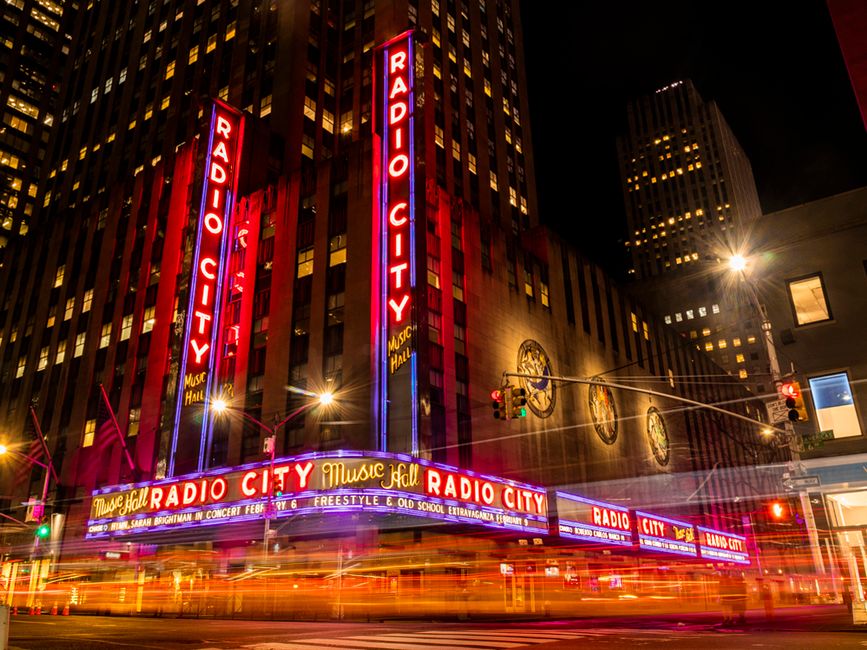
Neon signs bleed their colors onto rain-slicked streets, turning the pavement into a rippling abstract painting. Somewhere, a steel door clangs shut, echoing in a canyon of brick and glass. This is New York City. Not a postcard, but a living, breathing organism with a pulse you feel in your teeth. City travel is transformative because it demands you engage, adapt, and become part of its relentless flow. New York, however, operates on a frequency distinct from any other metropolis—a faster tempo, a sharper edge, a breathtaking density of dreams and grit stacked vertically against the sky.
This guide is your decoder ring. Its purpose is to strip away the overwhelm and equip you not just to see New York, but to feel it, to navigate its complexities with the efficiency of a commuter and the curiosity of a poet. We will move beyond the monolithic landmarks to the hidden layers: the quiet garden behind the church, the perfect slice shared on a fire escape, the subway car that becomes a rolling cathedral of human expression.
You will master the ballet of the subway turnstile, learn to read a neighborhood's character in its stoops and storefronts, and discover how to dine, move, and observe like someone who belongs. Consider this an invitation. Let's step off the curated path and into the glorious, chaotic, utterly unforgettable rhythm of the city that never sleeps, seen through the eyes of those who know its secrets.
Pre-Trip Planning: Architecting Your Adventure
New York rewards the prepared mind. Deep research here is less about listing attractions and more about mapping energies. Don't just plot points; understand characters. The sleek, caffeine-fueled ambition of the Financial District is a world away from the bohemian, graffiti-splashed soul of Bushwick. The historic, tree-lined serenity of the West Village feels galaxies apart from the vibrant, familial chaos of Jackson Heights.
Investigate the city's temporal pulse. Is your visit aligned with the West Indian American Day Carnival in Brooklyn (Labor Day), the electric buzz of Fashion Week, or the serene beauty of the Christmas markets at Bryant Park? Websites like NYCgo.com, The Skint, and local neighborhood blogs are your best allies.
Budget Architecture
Build your budget with clear tiers. Accommodation will be your largest outlay: expect $50-80/night for a hostel dorm, $200-400/night for a decent mid-range hotel, and $500+ for luxury. Factor in a daily transit budget of $5.50 per single subway ride, or $34 for a 7-day unlimited MetroCard. Street food and bodega meals can keep you fed for under $15, while a memorable dinner with a drink can easily hit $75 per person.
Safety and Cultural Pre-Learning
Travel insurance for urban environments should specifically cover trip interruption, emergency medical evacuation, and theft. Register with your embassy's STEP program. Digitally, back up documents to the cloud and enable two-factor authentication on all accounts.
Pre-learn the social grammar. New Yorkers are fast but often helpful. Personal space is limited; moving with purpose is respected. Dress is overwhelmingly casual, but pack one smart layer for a classic theater or fine dining experience. Understanding the city's history—from Dutch settlement to waves of immigration—will make its mosaic of neighborhoods resonate more deeply.
Choosing Accommodation: Finding Your Urban Anchor
Your choice of neighborhood will define your New York narrative. Proximity to a major subway hub (like 14th Street-Union Square, Times Square-42nd Street, or Atlantic Terminal in Brooklyn) is a powerful freedom multiplier, connecting you to the entire city in minutes.
For authentic immersion, consider staying in a residential neighborhood. A brownstone Airbnb in Harlem or a boutique hotel in the Lower East Side places you amid daily life, with local coffee shops and corner groceries as your amenities.
Accommodation Types and Budgets
Social hostels with rooftop bars in Williamsburg or the Upper West Side offer community and stunning views. Converted historic buildings in the Flatiron or Chelsea house chic boutique hotels. For sheer spectacle, splurge on a high-floor room in Midtown with a view of the sparkling skyline.
Safety is paramount. Read recent reviews focusing on location feedback. Buildings should have 24-hour doormen or secure keycard access. Avoid ground-floor rooms with street-facing windows in very quiet areas. Neighborhoods like the Upper West Side, Chelsea, and West Village are consistently safe and vibrant.
Transportation Within the City: Mastering the Flow
The subway is New York's lifeblood—a rumbling, screeching, 24-hour symphony of movement. Master it, and the city is yours. Purchase a MetroCard or, better yet, use the new OMNY contactless system (tap your phone or contactless card). Study the map not just for lines, but for express vs. local trains; an express can halve your travel time.
Buses offer a street-level panorama and are excellent for crosstown travel where subway lines are scarce. The Staten Island Ferry provides a free, majestic view of the Statue of Liberty and the downtown skyline.
Ride-Sharing, Walking, and Two Wheels
Ride-sharing (Uber/Lyft) is useful for late-night trips or group travel, but can be expensive and slow in traffic. Traditional yellow taxis are best hailed on avenues; ensure the driver uses the meter. For the truly immersive, walking is the ultimate New York experience. Let yourself get lost in the grid of the West Village or the bridges of DUMBO.
Citi Bike, the bike-share program, is fantastic for exploring waterfront greenways like the Hudson River Park or crossing the Brooklyn Bridge (go early!). For cost-saving, the 7-day unlimited MetroCard is unbeatable if you'll take more than 12 rides.
Night Transport and Scam Avoidance
The subway runs 24/7, but late at night, wait on the designated "Off-Hours Waiting Area" on the platform, usually under a yellow light. Buses are also safe and well-lit. Avoid unlicensed "gypsy cabs" that solicit you at airports. Only use official yellow taxis or app-based cars. Never get in a cab without a working meter.
Must-Have Essentials While Exploring
Your digital toolkit is vital. Download the NYC Subway map offline on Google Maps or Citymapper. Screenshot addresses and reservation confirmations. A portable charger is non-negotiable—your phone is your map, camera, and ticket.
Dress for the urban marathon. In summer, moisture-wicking clothing is a savior against the humid crush. In other seasons, layer relentlessly—the difference between a sunny street and a windy, shaded canyon can be 20 degrees. Your shoes are your most important item: broken-in, supportive, and ready for miles of concrete and cobblestone.
Daily Survival Kit
Carry a reusable water bottle; refill at any café or park fountain. Tuck portable snacks (a granola bar, an apple from a green cart) for energy slumps. Sunscreen, even in winter, for reflected glare off skyscrapers. A small, cross-body anti-theft bag keeps your hands free and valuables secure.
For connectivity, a local SIM (available at airport vending machines or stores like CVS) or an eSIM plan is cheaper than international roaming. Essential apps to download pre-arrival: Citymapper, MyTransit (for bus times), The New York Times, and Resy for dining.
Food and Dining Tips: Eating Like a Local
Street food is a New York art form. The safest stalls have high turnover and a crowd. Follow the line at the Halal Guys cart (53rd & 6th) or for a classic dirty water dog from a cart with a steady steam plume. Must-try bites include a bacon-egg-and-cheese on a roll from a bodega, a perfect slice of pepperoni pizza (Joe's on Carmine is a classic), and a black & white cookie.
Avoid restaurants with giant illuminated menus and touts in Times Square. For authentic spots, walk a few blocks away from major tourist sites. Look for places crowded with locals at lunch, menus that aren't translated into six languages, and a no-nonsense atmosphere.
Meal Timing, Diets, and Payment
New York eats late. Dinner reservations at 8 or 9 PM are standard. Brunch is a weekend religion, with waits stretching past 2 PM. The city is a paradise for dietary restrictions, with vast vegan (Superiority Burger), gluten-free, and kosher scenes. Learn to order with confidence: "I have a severe nut allergy, is this dish safe?"
While cards are widely accepted, always carry $20-40 in cash for iconic cash-only spots like Peter Luger Steak House, many pizzerias, and Chinatown bakeries. Tipping is mandatory: 18-20% for table service, $1-2 per drink at bars, and a few dollars for delivery.
Budgeting & Money Management
Avoid currency exchange at airports; fees are high. Use your debit card at bank ATMs (like Chase or Bank of America) for the best rates. Carry a mix of cash and cards, but rely on contactless payments (Apple Pay, Google Pay) via OMNY for transit and most stores.
Tipping culture is ingrained. In restaurants, tip 18-20% on the pre-tax total. Tip hotel housekeeping $3-5 per night, and bellhops $2 per bag. For taxis, round up to the nearest dollar or add 15-20%.
Tracking and Hidden Costs
Use an app like Trail Wallet to track daily spending against your budget. Be aware of hidden costs: NYC has a 8.875% sales tax plus a hotel occupancy tax that can add over 15% to your room rate. Some upscale bars have cover charges, and public bathrooms can be scarce—plan to use facilities in museums or large hotels.
Sightseeing and Experiences: Beyond the Checklist
Cluster attractions geographically. A day in Lower Manhattan could encompass the 9/11 Memorial, a walk across the Brooklyn Bridge, and exploration of DUMBO. Use the Central Park loop to connect the Museum of Natural History to the Met. This minimizes subway fatigue.
For major landmarks, beat the crowds. Visit the Top of the Rock at sunset for a view that includes the Empire State Building. Enter the Metropolitan Museum during the last two hours for a quieter experience. Consider a CityPASS or Go City Card if your itinerary is attraction-heavy.
Hidden Gems and Tour Strategy
Seek out the hidden city: the whispering gallery in Grand Central, the Elevated Acre park in the Financial District, the street art mecca of Bushwick Collective. Free walking tours (like those from Free Tours by Foot) are excellent for orientation; tip your guide generously. For deep dives, book specialized tours on food, jazz history, or immigrant stories.
Time your visits. Photograph the Flatiron Building in the golden hour glow. See the Empire State Building's tower lights change color after dark. Visit popular spots like the High Line on a weekday morning for relative peace. Book museum tickets and Broadway shows well in advance.
Safety Tips: Street-Smart Navigation
New York is generally safe, but situational awareness is key. Exercise standard caution in crowded tourist areas (Times Square, Rockefeller Center) where pickpockets operate. At night, neighborhoods like the Theater District can feel desolate after shows let out; stick to well-lit, busy avenues.
Personal security is about smart habits. Wear your bag across your body. Don't flash expensive jewelry or phones carelessly at subway doors (where snatch-and-runs can occur). Distribute cash and cards between a money belt and your wallet.
Night Navigation and Emergencies
When enjoying nightlife, know your route home. Use the official subway or a ride-share app. Avoid taking shortcuts through empty parks or unlit alleyways. The emergency number is 911. Know the location of the nearest hospital emergency room. For non-emergency police assistance, call 311.
Digital safety: avoid conducting banking on public Wi-Fi; use a VPN. Protect against RFID scanning by using an RFID-blocking wallet or sleeve. Health-wise, tap water is safe and excellent. In summer, stay hydrated and be mindful of air quality alerts if you have respiratory issues.
Cultural Etiquette: The Unspoken Rules
New York's social norm is efficient coexistence. Greetings are quick—a nod, a "hey." On sidewalks and subways, keep to the right, walk with purpose, and don't block the flow. Volume control is appreciated; loud conversations on quiet subway cars are frowned upon.
Dress codes are rare but exist. Cover shoulders and knees for visits to St. Patrick's Cathedral or other religious sites. Upscale restaurants may have a "smart casual" dress code. In everyday life, comfort reigns.
Language and Interaction
While English is universal, learning a few phrases of Spanish or Mandarin can delight locals in certain neighborhoods. Key phrases beyond basics: "Which way to the downtown platform?" or "Can I get this to go, please?" When photographing, always ask permission before taking a portrait of a street vendor or performer.
Haggling is only acceptable at flea markets (like the one in Hell's Kitchen). In crowded conditions, personal space is minimal; avoid making eye contact if you want privacy. In sacred or solemn spaces like the 9/11 Memorial, maintain a respectful silence and follow posted guidelines.
Be environmentally conscious. Recycle using the city's blue (paper/metal/plastic) and green (glass) bin system. Carry a reusable bag; stores charge a 5-cent fee per plastic bag.
Technology and Apps: Your Digital Concierge
Your navigation arsenal should include Google Maps (for walking), Citymapper (for flawless, real-time transit routing including disruptions), and the official MTA Subway Time app for train arrivals. For local alternatives, check Citi Bike's app for dock locations.
Language tools like Google Translate's camera function can decode menus in ethnic enclaves like Flushing's Chinatown. Download the offline language pack for English if you're not a native speaker.
Mobility, Food, and Experience Tech
For mobility, Uber/Lyft for rides, Revel for electric moped rentals (with a helmet), and the Transit app for bus tracking. Food tech is dominated by Resy and OpenTable for reservations, Seamless/Grubhub for delivery, and The Infatuation for trusted local reviews.
Book experiences via TodayTix for last-minute theater deals, Fever for unique local events, and Headout for skip-the-line attraction tickets. For communication, WhatsApp is universally used to stay in touch with new friends or tour guides.
Capturing Memories: Beyond the Selfie
Photography ethics are crucial. Always ask before photographing people, especially in close quarters. Respect "No Photography" signs in museums, theaters, and some houses of worship. Avoid intrusive selfie sticks at solemn memorials.
For visual storytelling, find unique vantage points: the rooftop of the Met for a park-and-skyline view, the Queensboro Bridge walkway for a cinematic shot of Roosevelt Island tram cars, or a rainy Chinatown street for reflections and neon. Never leave your camera unattended on a café table.
Written Reflection and Responsible Sharing
Keep a travel journal; voice memos are perfect for capturing the specific soundscape of a subway musician or the chatter of a market. Blogging prompts: "What did the city smell like today?" or "Describe a stranger's kindness."
When sharing on social media, geotag responsibly. Consider tagging a broader neighborhood instead of a specific, fragile small business or hidden spot to protect it from overtourism. Engage with and credit local photographers and creators. For souvenirs, collect textures: a metro ticket, a matchbook from a classic bar, a pressed flower from Central Park—tokens that hold a story, not just a logo.
Conclusion: Claiming Your Piece of the City
You are now armed. You understand that the magic of New York lies in the tension between meticulous preparation and glorious spontaneity. You know that respect for its rhythm and residents will open more doors than any VIP pass. You see that curiosity, not just a checklist, is the compass that leads to the hidden courtyard, the perfect bagel, the conversation with a stranger that becomes the trip's highlight.
Travel responsibly. Support the local bodega, the independent bookstore, the family-run restaurant. Leave neighborhoods better than you found them, traveling with humility and an open heart. Whether you are a solo adventurer finding strength in anonymity, a couple sharing a sunset on a Brooklyn pier, a family wide-eyed at dinosaur bones, or a business traveler stealing a moment in a quiet gallery—you now have the tools to claim New York as your own.
The ultimate image is no longer one of bewildered arrival, but of confident belonging. It's you, on your last morning, in a downtown café. You watch the golden light creep down the facades of skyscrapers, you understand the rumble of the approaching train, you order your coffee just the way you like it. The city's pulse is now a familiar rhythm in your own veins.
So book the ticket. Embrace the unexpected. Step into the flow. The labyrinth awaits, and you already know how to navigate its heart.


No comments:
Post a Comment