
Noumea, New Caledonia: French Flair in the Pacific: The Ultimate Visitor's Guide 2026 | Tips, Snorkels & Things to Know
Why Visit Noumea, New Caledonia in 2026?
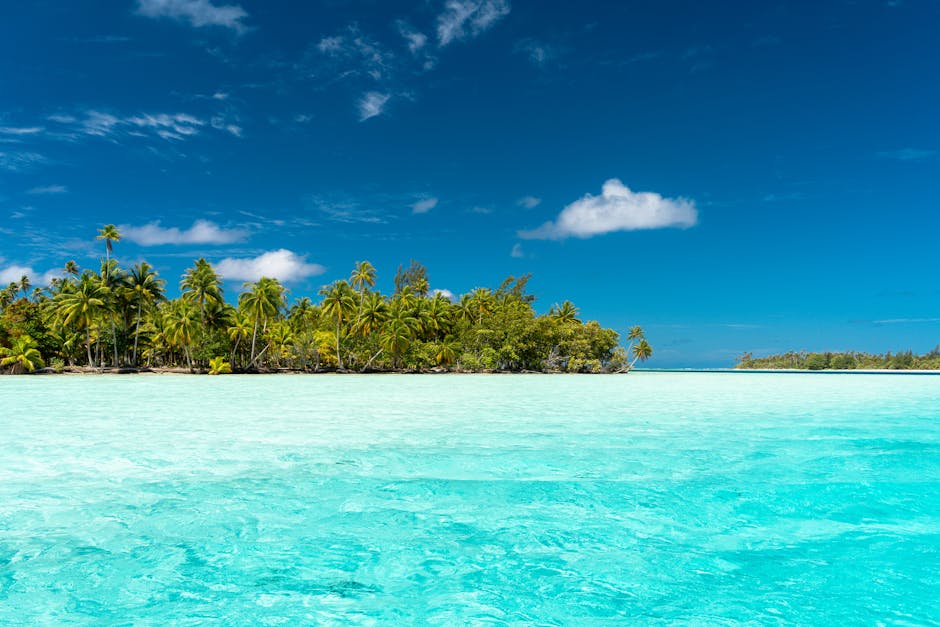
Look, you're probably dreaming of a tropical island. But here's the thing: Noumea is a tropical island that decided to put on a beret and open a boulangerie. It's a place where the Pacific Ocean is the color of a melted aquamarine necklace and the scent of freshly baked baguettes mixes with frangipani. Honestly, it's a weird and wonderful cocktail. You're not just visiting a beach destination; you're stepping into a French overseas territory where the coffee is strong, the lagoon is a UNESCO World Heritage site, and the cultural blend of European and Melanesian influences is something you can actually feel. I remember sitting at a café in the Latin Quarter last September, watching a group of local Kanak men in traditional dress walk past a shop selling imported Bordeaux. That moment, that effortless cultural weave, is what you're coming for. This guide is gonna help you navigate it all—from finding the best pain au chocolat to snorkeling in water so clear it feels like flying. Let's get into it.
At a Glance: Noumea Quick Facts
The boring stuff first—because you'll need it to plan. But I'll try to make it painless.
- Territory Status: Special Collectivity of France | The Lagoon: 24,000 sq km — that's bigger than some countries, and it's the planet's largest lagoon system.
- Annual Visitors (pre-pandemic): Around 100,000 — sounds like a lot, but most stick to a few blocks. You can find solitude on a motu (that's a tiny islet) faster than you can say "bonjour".
- Language: French (official), plus Kanak languages and, increasingly, English in tourist spots. But learn "bonjour" and "merci." It's just polite.
- Currency: The Pacific Franc (XPF). It's pegged to the Euro. Reality check: your wallet is gonna feel lighter. This ain't a budget backpacker haunt.
- Vibe: South Pacific meets the French Riviera, with a deep, ancient Melanesian soul. It's complex.
- Nearest International Airport: La Tontouta International (NOU) — about a 45-minute drive from downtown Noumea. The domestic airport, Magenta, is right in the city.
- Gateway... City?: Noumea *is* the city. It's where 70% of the population lives. Everything else is "the bush" or "the islands."
- Driving: On the right. Rental cars are essential for real exploration. But be warned: French driving styles apply. Assertive is a kind word for it.
Best Time to Visit Noumea & New Caledonia
If you can only come once, aim for the shoulder seasons. Here's why I'm adamant about this...
Warm & Wet Season (December – March)
This is summer down here. Hot, humid, and prone to tropical downpours and the occasional cyclone. The lagoon is bathwater warm, but honestly? It can be stifling. The humidity wraps around you like a wet blanket by 10 AM. That said, the landscape is explosively green. Fair warning: some businesses shut down for holidays in January. And cyclone season is no joke.
Cool & Dry Season (April – November)
This is the sweet spot for most visitors. The air loses its sticky weight, nights get pleasantly cool, and rain is rare. The water is still plenty warm for swimming—I've snorkeled in July and been perfectly fine in a light wetsuit. Truth is, this is when everything feels most comfortable. But it's also when prices peak and more cruise ships swing by.
Shoulder Season Secret: Late April to early June, or October. You'll dodge the biggest crowds, the weather is damn near perfect, and you might score slightly better rates on lodging. The water visibility for diving? Absolutely pristine. I've done this twice. Never disappointed.
Top Things to Do in Noumea & Beyond
Everyone asks what they can't miss. The real question is: are you here for the city's French flair, the underwater world, or the deep cultural roots? Because missing any layer of this place means you didn't really see it.
Embrace the French Flair (In the Pacific)
Café Culture in the Latin Quarter: Start your day here. No agenda. Just sit at a streetside table in Place des Cocotiers or along Rue de la République. Order a *café allongé* and watch the world go by. It feels like a slice of Paris that got teleported to the tropics. The pastries are legit. Trust me on this.
Marché de Nouméa (City Market): Go hungry. This covered market is a sensory overload in the best way. The fish section looks like a neon art installation—tuna the size of your leg, prawns like small lobsters. Upstairs, you can grab a plate of *bougna* (a traditional Melanesian dish) or fresh oysters. A local vendor told us the best tuna arrives before 7 AM. We believed him.
Dive into the Liquid Universe
This is why the lagoon is UNESCO-listed. It's not just pretty water.
Snorkeling at Île aux Canards: Just a 10-minute boat ride from Anse Vata beach. This tiny islet is surrounded by a protected marine reserve. You wade in from the beach and within five feet, you're floating over gardens of staghorn coral and clouds of angelfish. It's absurdly easy and rewarding. Worth every penny for the boat transfer.
Scuba Diving the Prony Needle & Other Sites: For certified divers, this is hallowed ground. The "Needle" is a pinnacle that rises from the deep, covered in soft corals and swirling with barracuda. There are also WWII wrecks. The dive shops in Anse Vata are professional and used to dealing with international visitors. Book a few days ahead.
Sailing or Kayaking the Lagoon: Rent a kayak from Anse Vata and paddle out to the Wave of the South sculpture. Or, splurge on a sunset catamaran cruise. The view of Noumea from the water as the lights come on? Magic.
Connect with Kanak Culture
This isn't just background scenery. It's the foundation of the land.
Tjibaou Cultural Centre: Designed by Renzo Piano, this isn't a dusty museum. It's a living, breathing celebration of Kanak identity. The architecture, inspired by traditional hut forms, is reason enough to visit. Walk the winding paths through the native gardens; you'll hear the breeze in the pines and the distant sea. It's a place for quiet reflection. Absolutely unmissable.
Visit a Tribe in the Interior: Organized tours can take you to a tribal village in the interior of Grande Terre. This requires respect and an open mind. You're a guest. You might share *bougna* (chicken, yam, and coconut milk cooked in banana leaves), learn about custom, and hear stories. It's a profound counterpoint to the French cafés.
Island Escapes (The *Motu*)
Île des Pins (Isle of Pines): A 25-minute flight or a few hours by boat. Called "the closest island to paradise," and... yeah, it kinda is. Those iconic umbrella pines framing perfect bays like Kuto and Kanumera? They're real. It's quieter, more traditional, and the water has a luminous, milky-blue quality. Stay overnight if you can. Day trips feel rushed.
Amedee Lighthouse Island: A full-day excursion. It's a postcard-perfect motu with a tall lighthouse you can climb. Great for families, with structured snorkeling, glass-bottom boat tours, and a buffet lunch. Honestly? It can feel a bit packaged and crowded. But for a hassle-free "desert island" day, it delivers.
Where to Stay: Budget, Mid-Range, and Luxury
Here's the thing: location dictates your experience. Staying in Anse Vata means beach walks and sunset cocktails. The city center means café culture and markets. Your mileage may vary.
Luxury & Boutique ($$$)
Le Méridien Nouméa: Right on Pointe Magnin, with the best infinity pool view in the city, looking towards Île aux Canards. It's the iconic splurge. Book the lagoon-view room. You'll thank yourself later.
Hotel Château Royal Beach Resort & Spa: Massive complex at Anse Vata. Multiple pools, restaurants, direct beach access. Feels a bit like a mini-village. Perfect if you don't wanna leave the resort much.
Mid-Range & Apartments ($$)
Noumea City Center Apartments: My go-to for longer stays. Having a kitchen lets you save on meals and enjoy market finds. Look for ones near the Latin Quarter. "Rustic" sometimes means the WiFi is finicky, but the balconies are great.
Hotels in Anse Vata: Places like the Ramada or smaller boutique hotels. You're paying for the location—steps from the beach promenade, cafes, and dive shops. Worth it for a short stay.
Budget & Practical ($)
Gîtes & Guesthouses: Scattered around, some in the suburbs. You'll need a car. It's a more local experience, often with charming hosts. Check reviews carefully.
Campsites: Yes, they exist, mainly outside Noumea proper. Basic facilities. Fantastic if you're road-tripping Grande Terre. Not so much for a city-focused trip.
How to Get To & Around Noumea
Let's be real: it's a long flight from almost anywhere. But once you're there, getting around is part of the adventure.
By Air
La Tontouta International (NOU): All international flights land here. It's 45km northwest of Noumea. You have three options to get to the city: a pricey taxi (around 8,000 XPF), a slightly cheaper shuttle bus (need to book), or a rental car. I recommend the rental. You're gonna want one anyway.
Getting Around
Rental Car: Non-negotiable for real exploration. Book in advance, especially in peak season. Driving is French-style—roundabouts are a competitive sport. But roads outside the city are often empty and beautiful.
Le Petit Train & Buses: In Noumea, the "Little Train" is a cheesy tourist tram that does a city loop. The public bus system (CarSud) is actually decent and cheap for getting between the city center, Anse Vata, and Baie des Citrons. Buy a multi-ride card.
Taxis: Expensive. Use them for short hops if you've been enjoying the French wine.
Money, Passes & Reservations
The bureaucracy nobody wants to deal with. Let's get it over with.
- Visas: Most visitors (US, Canada, EU, Aus, NZ) don't need a visa for short stays. But you do need a passport valid for 3 months beyond your stay and proof of onward travel. They *will* check.
- Currency: Pacific Franc (XPF). Euros are NOT accepted, despite the territory. Get some cash at the airport ATM. Cards are widely accepted in the city, less so on the outer islands.
- Park Fees: Some natural reserves, like the Blue River Park on Grande Terre, have small entry fees. The lagoon? Your fee is usually part of a tour or activity.
- Reservations: For popular restaurants, diving trips, and inter-island flights? Absolutely. Book ahead. The "she'll be right" attitude doesn't always apply here.
Packing Essentials & What to Wear
I overpacked formal clothes my first time. Underpacked sunscreen my second. Here's what you actually need.
Clothing Strategy
Think "casual chic resort" meets "active adventure." Daytime is shorts, linen shirts, breezy dresses, swimwear always in your bag. Evenings can be smart casual—a nice shirt or sundress for dinner. But no need for jackets or ties unless you're at the very fanciest restaurant. A light sweater or pashmina is key for cooler evenings and over-air-conditioned rooms.
Footwear
Sandals (good, sturdy ones), water shoes for rocky beaches and coral, and one pair of comfortable walking shoes for city exploring and hiking. Break them in.
The Non-Negotiables
Reef-Safe Sunscreen: The sun is fierce, and regular sunscreen damages the coral you came to see. It's not a suggestion; it's a responsibility. Buy it there if you must.
French Power Adapter: They use Type E plugs (two round pins). You will need an adapter. I've forgotten mine. It's a pain.
Reusable Water Bottle & Bag: Tap water in Noumea is safe to drink. Refill and save money. A tote bag for market runs makes you look less like a tourist.
Accessibility Information
Honest framing: Noumea is a city with hills and some old infrastructure. It's a mixed bag.
City Center & Promenades: The flat areas around Place des Cocotiers and the Anse Vata beach walk are manageable. The Latin Quarter has steep, winding streets.
Attractions: The Tjibaou Cultural Centre is largely accessible with paved paths. Many boats for island trips involve stepping down into vessels—call ahead to discuss.
Hotels: Major hotels have accessible rooms. Always confirm specifics when booking.
Sample 3-Day and 5-Day Itineraries
These assume you're based in Noumea and have a rental car for some days. Adjust for your own pace.
3-Day Highlights (First-Timers)
Day 1: French Noumea. Morning at the City Market, coffee in the Latin Quarter. Afternoon at the Tjibaou Cultural Centre. Sunset drinks on Anse Vata beach. Pace yourself with the jet lag.
Day 2: The Lagoon. Morning snorkeling trip to Île aux Canards or a dive. Lazy afternoon on the beach. Evening exploring restaurant options in Baie des Citrons.
Day 3: Choose Your Adventure. Option A: Day trip to Île des Pins (fly there, back). Option B: Drive south to the Blue River Park for hiking and seeing the island's unique "Grande Terre" landscape.
5-Day Deep Dive
Days 1-2: As above, but slower. Add a visit to Ouen Toro hill for panoramic views.
Day 3: Full-day sailing or catamaran cruise in the lagoon. Or a dedicated dive day.
Day 4: Road trip north along the coast. Stop at small beaches, maybe visit a tribal village on a guided tour. Come back for a late dinner.
Day 5: Culture day. Revisit the market for gifts, see the Noumea Cathedral, maybe the Maritime Museum. Or just have a long, final lunch at that café you loved.
Family-Friendly Tips
Kids can love this place. The beaches are safe and shallow, the ice cream is fantastic. But it's not a theme park.
Best kid activities: The Aquarium des Lagons is world-class and manageable. The beaches at Anse Vata and Baie des Citrons are protected and calm. The Amedee Lighthouse day trip is built for families.
Food: French bakeries are your friend. Croissants and fruit for breakfast, sandwiches for lunch. Most restaurants are kid-friendly, if not always with a dedicated menu.
Rules, Safety & Respect
This section matters. Read it.
Cultural Safety
When visiting Kanak sites or villages, you are on someone's custom land. Dress modestly, ask permission before taking photos of people, and follow your guide's lead. It's about respect, not just rules.
Ocean Safety
The lagoon is generally calm, but heed flags and lifeguard warnings. Sun protection is a daily military operation. And for God's sake, don't touch or stand on the coral. It's alive and it breaks easily.
Leave No Trace
Take your rubbish with you, especially on the motu. The ecosystems here are fragile. That reef-safe sunscreen? Part of this. Simple as that.
Nearby Attractions & Hidden Gems
Everyone does the big islands. Try these instead if you have time...
Drive the South: Past the zoo at Bois du Sud, the landscape opens up into red-earth mining country and the forest of the Blue River Park. You can see cagous, the rare, flightless bird of New Caledonia. It's a different world.
Île Ouen: A lesser-known island reachable by boat from Noumea. Fewer people, great fishing, and a real "get away from it all" feel. You'll need to organize a transfer with a local.
FAQ About Visiting Noumea
The questions I get asked most. Some obvious. Some not.
Is it expensive?
Yes. It's a remote island that imports almost everything from France. A café au lait might be 500 XPF (about $5 USD). A decent dinner for two with wine can easily hit 10,000 XPF. Budget accordingly.
Do I need to speak French?
Need? No, especially in hotels and tour companies. Want to? It helps immensely and is appreciated. A phrasebook or translation app goes a long way for menus and smaller shops.
Is the tap water safe?
In Noumea, yes. On the outer islands, often no. Always ask. When in doubt, bottled water.
What's the food like?
A fantastic fusion. You'll find exquisite French cuisine, incredible seafood (try the *poisson cru*, coconut-marinated raw fish), Italian, Vietnamese, and of course, traditional Melanesian *bougna*. Don't be afraid to try it all.
Is it safe?
Noumea is generally very safe. Standard city precautions apply at night. The main safety concerns are road safety and sun safety. Seriously.
Can I use my phone?
Check with your provider about roaming packages—it can be brutally expensive. Buying a local SIM (from OPT, the main carrier) at the airport is a smart move if you need data.
What's the one thing I shouldn't miss?
Honestly? The contrast. Don't just stay in the French bubble. Make a point to experience the Kanak culture, whether at Tjibaou or on a village visit. That duality is the soul of the place.
Final Thoughts
Noumea isn't a simple beach holiday. It's a place of layered identities, where the scent of vanilla orchids mixes with diesel from a passing scooter, and the sound of Melanesian choir music might drift from a church next to a patisserie. It challenges your expectations of a tropical paradise.
And that's its magic.
Come for the French flair and the impossible blue lagoon. But stay for the moments in between—the smile from a market vendor when you try a word of French, the cool silence of the pine forest on Île des Pins, the profound stories told at Tjibaou.
Book your car early. Pack the reef-safe sunscreen. Slow down. Savor that coffee. And let the island's unique, complicated heart reveal itself to you. You won't regret it.
À bientôt, peut-être. See you out there.


No comments:
Post a Comment