
Noumea, New Caledonia: French Flair in the Pacific: The Ultimate Visitor's Guide 2026 | Tips, Trails & Things to Know
Why Visit Noumea, New Caledonia in 2026?
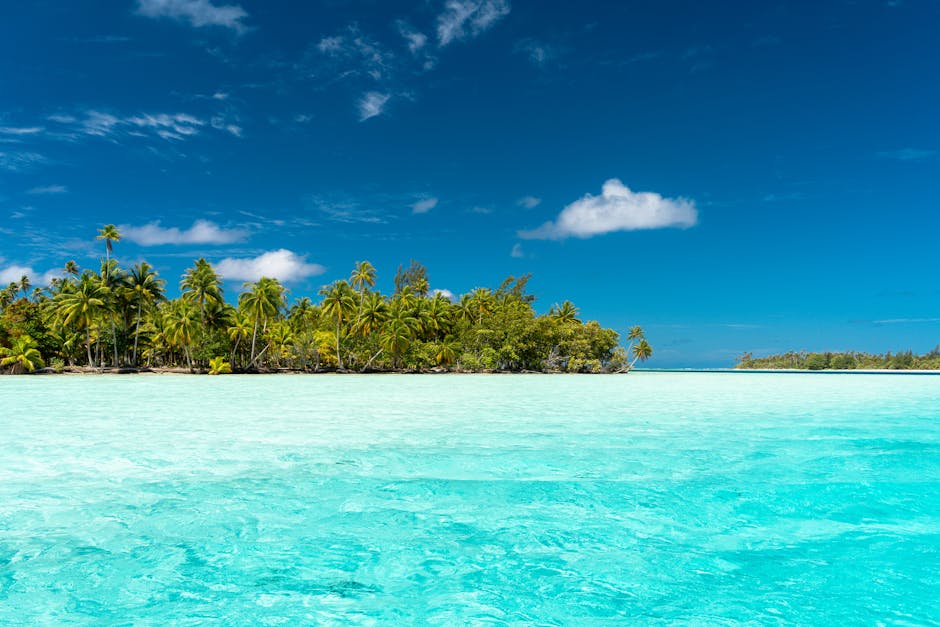
Look, I know you're picturing a tropical island. But Noumea isn't just that. It's a place where the scent of freshly baked baguettes mingles with the salt spray of the world's largest lagoon. Where Melanesian rhythms thump in open-air markets and French waiters serve *coq au vin* under palm trees. Honestly, it's a cultural cocktail you won't find anywhere else on the planet. The city itself is the capital of New Caledonia, a French overseas territory floating in the southwest Pacific. It's not huge—you can drive across it in about twenty minutes—but what it packs in is staggering. The lagoon surrounding it is a UNESCO World Heritage site, a living aquarium so vast and blue it looks like a trick of the light. And here's the thing: 2026 is shaping up to be a big year for the region, with more direct flights being talked about and a real push for sustainable tourism. So you get the vibe before the whole world catches on. This guide is gonna cover everything: from finding the perfect flaky croissant to snorkeling with turtles in water so clear it feels like flying. We're talking practical tips, hidden spots, and a few hard-won lessons from my last visit. Buckle up.
At a Glance: Noumea Quick Facts
The boring-but-essential stuff first. You'll need it.
- Established: As a French territory? 1853. As a tourist destination? Let's say it's been perfecting its charm for a while. | Size: The main island, Grande Terre, is massive. Noumea itself is cozy—think a small, very chic coastal city.
- Annual Visitors: Around 100,000 cruise passengers and a steady stream of Aussies and Kiwis. Truth is, it never feels overrun like other Pacific hotspots. You can find your own slice of sand.
- Elevation Range: Sea level to the top of Mont Dore (just outside town) at about 800 meters. Your lungs will be fine, but the views from up there? They'll knock the wind out of you.
- Currency: The Pacific Franc (XPF). Euros are sometimes accepted but don't count on it. Pro tip: Get cash from an ATM in town. Airport rates are a joke.
- Language: French is official. You'll get by with English in hotels and tours, but a "bonjour" and "merci" go a very, very long way. Locals appreciate the effort.
- Visa: Most visitors (US, Canada, EU, Aus, NZ) get a visa on arrival for up to 90 days. Check official sources for 2026, but it's usually straightforward.
- Nearest Airport: La Tontouta International (NOU). It's about a 45-minute drive from Noumea. Critical note: Book your transfer *with* your flight. Taxis are ruinously expensive.
- Gateway...Everything: Noumea *is* the gateway. It's where you'll base yourself. Don't even think about skipping it.
Best Time to Visit Noumea & New Caledonia
If you can only come once, aim for May through October. Here's why I'm adamant about this: it's the dry season. The "cool" season, relatively speaking. The humidity drops, the skies are a relentless, perfect blue, and the water is still bathtub-warm. It's ideal for everything.
Summer (November to March)
Hot. Sticky. Honestly, it can be oppressive. This is the wet season, with higher humidity and the chance of tropical downpours or even cyclones. That said, it's also the warmest water for swimming and the landscape is explosively green. Fair warning: some businesses close for holiday in January. And the rain isn't a gentle drizzle—it's a proper, roof-drumming deluge that can last an afternoon or three days.
Autumn (April & May)
My secret favorite. The rains taper off, the crowds from the Aussie summer holidays have gone home, and the sea retains all that summer heat. The light is softer, golden. It's perfect for photography. You might get a passing shower, but it usually just freshens everything up.
Winter (June to August)
This is peak season for a reason. Days are sunny and around 22-25°C (72-77°F); nights are pleasantly cool. It's absolute perfection for hiking and being active. The downside? It's also the busiest and most expensive time. Hotels book up, and the famous "French flair" can feel a bit strained at the more popular restaurants. Book everything far, far in advance.
Spring (September & October)
A close second to autumn. The weather is warming up, the water visibility for snorkeling is fantastic, and the flowering trees around town are just starting to show off. It's a brilliant shoulder season.
Shoulder Season Secret: Late April or late October. You'll dodge the highest prices and the biggest tour groups. The risk of a random weather event is there, but in my experience, the trade-off for quieter beaches and easier bookings is 100% worth it.
Top Things to Do in Noumea & Beyond
Everyone asks what they can't miss. The real question is: how do you wanna feel? Pampered? Adventurous? Culturally immersed? Noumea delivers on all fronts, often in the same afternoon.
Embrace the Lagoon (This is Non-Negotiable)
Snorkeling & Diving: The lagoon isn't just pretty. It's a UNESCO-listed marine ecosystem. You can see clownfish, turtles, and rays in water so transparent it feels like you're in a BBC documentary. Île aux Canards is a tiny islet a 10-minute boat ride from Anse Vata beach. It's packed with fish, almost too easy. For something more secluded, take a day trip to the Île des Pins. The snorkeling at the Natural Pool there is... look, I don't have a good metaphor. It's like swimming in liquid sapphire while fish dart around ancient rock cathedrals. No joke.
Stand-Up Paddleboarding & Kayaking: The calm waters of Anse Vata or the Baie des Citrons are perfect for this at sunrise. Gliding over coral gardens as the sun comes up is a memory you'll keep. Rentals are everywhere.
Dive into Melanesian Culture
Tjibaou Cultural Centre: Skip this and you've missed the point. Designed by Renzo Piano, this architectural masterpiece isn't a stale museum. It's a living celebration of Kanak culture. Walk through the soaring, curved wooden structures that echo traditional huts. The gardens alone, filled with native plants, tell a story. A local artist told us the design is meant to feel like a village "in dialogue with the wind." It does.
Morning Markets: The Municipal Market (Marché de Nouméa) is a sensory explosion. The colors of tropical fruit, the smell of vanilla pods and fresh fish, the sound of bargaining in French and local languages. Go on a Saturday morning. Buy a passionfruit and eat it right there. This is the island's heartbeat.
Indulge the French Side
Café Culture: This isn't a coffee grab. It's a ritual. Plant yourself at a sidewalk table in the Latin Quarter (Quartier Latin) with a *café allongé* and just watch. The pastries are works of art. The people-watching is world-class. You're not in a hurry anymore.
Food, Glorious Food: You can eat incredibly well here. From high-end French restaurants with white tablecloths overlooking the water to casual *boulangeries* selling the best damn baguette you'll have south of the equator. Don't miss trying local fusion—things like venison (from local deer) in a red wine reduction, or prawns in a vanilla sauce. It sounds weird. It's spectacular.
Explore & Hike
Easy: Walk the coastal path from Anse Vata to Baie des Citrons. It's flat, paved, and lined with cafes and ice cream shops. The sunset view here, with the distant silhouette of Île aux Canards, is a nightly free show.
Moderate: Drive up to Mont Dore for a panoramic view of the entire city and lagoon. There are a few walking trails up there that get you into the dry, scrubby hills—a totally different landscape. You'll feel miles from the chic beach scene below.
Strenuous (but worth it): The hike to the Pic N'Ga summit on the Blue River Provincial Park day trip. It's a proper, sweaty, uphill climb through dense rainforest. The payoff? A view over a vast, untouched wilderness that looks like the world before humans. You'll need a guided tour for this one, usually.
Island Day Trips
Île des Pins: The "Island of Pines." It's a 30-minute flight or a few hours by boat. Those iconic tall pines against blinding white sand and turquoise water? That's here. It's more relaxed, more traditionally Kanak. A day trip feels rushed; try to stay overnight if you can.
Amedee Lighthouse: A classic tourist day trip on a catamaran. Is it touristy? Yes. Is it still amazing? Also yes. You get snorkeling, a climb up a historic metal lighthouse, and a Polynesian dance show with a buffet lunch. It's cheesy, fun, and the reef around the islet is teeming with life.
Where to Stay: Budget, Mid-Range, and Luxury
Here's the thing: location is everything. Staying in the city center (Centre-Ville) puts you near cafes and markets. Staying at Anse Vata puts you on the main tourist beach. Choose based on your vibe.
Luxury & Boutique ($$$)
Le Méridien Nouméa: The iconic one. Right on Pointe Magnin, with killer lagoon views, multiple pools, and that international luxury standard. You're paying for the postcard. Book a year out for peak season, I'm serious.
Hotel Chateau Royal Beach Resort & Spa: Massive complex at Anse Vata. Has everything—kids' clubs, multiple restaurants, a spa. Feels a bit like a resort bubble, but if you wanna be in the heart of the action, this is it.
Mid-Range & Apartments ($$)
Noumea Apartments: This is my go-to recommendation for most people. Renting a serviced apartment with a kitchenette in the Baie des Citrons area gives you flexibility. You can make breakfast, have wine on a balcony, and live like a semi-local. Ramada Plaza and Best have good options.
Hotel du Pacifique: Older but well-located near Anse Vata. It's got character, a decent pool, and the prices are usually more reasonable. Don't expect five-star finishes, but it's clean and friendly.
Budget & Backpacker ($)
Options are limited. Gîte Accueil style (local guesthouses) exist but are often outside the center. There are a few hostels near the city center, but they book up fast. Honestly, Noumea isn't a shoestring destination. Budget more for accommodation.
How to Get to Noumea and Get Around
Let's be real: it's a long haul for most. But once you're there, getting around is surprisingly easy.
By Air
You'll fly into La Tontouta International (NOU). It's modern and small. Flights connect primarily from Australia (Sydney, Brisbane), New Zealand (Auckland), and via Tokyo or Singapore. From the airport, you have three options: 1) The pre-booked shuttle bus (the smartest), 2) A rental car (pick up right there), or 3) A taxi (prepare for a heart-stopping fare). The drive to Noumea is through dramatic, rust-red mountain scenery—it's a great intro.
Getting Around Noumea
Rental Car: For exploring beyond the city—like the east coast or the north—it's essential. Book early, especially for automatics. Driving is on the right, French-style. Roads are good.
Le Petit Train & Buses: Within Noumea, the CarSud bus network is reliable and cheap. The "Little Tourist Train" is a goofy but fun way to do a city overview when you first arrive.
Taxis: Expensive. Use them for short hops if you must, but don't rely on them.
Bikes & Scooters: A fantastic way to zip along the coastal bays. Rentals are easy to find. Just be prepared for a few hills.
Money, Fees & Practicalities
The bureaucracy nobody wants to deal with. Let's get it over with.
- Entrance Fees: None for the city or country itself. But many natural sites, like the Blue River Park or certain island reserves, have small conservation fees (like 500 XPF). Worth every penny.
- National Parks Pass: Not a thing here. You pay per site.
- Reservations: For popular restaurants, yes. For hotels, absolutely. For tours to Île des Pins or Amedee, definitely. The "show up and see" approach will leave you disappointed.
Packing Essentials & What to Wear
I overthought this my first time. Here's what you actually need.
Clothing Strategy
Think "casual chic resort" meets "active adventure." You'll want nice shorts, linen shirts, sundresses for evenings out. But also pack quick-dry gear for hiking and snorkeling. A light sweater or pashmina is crucial for breezy evenings and overly air-conditioned restaurants. It's a French colony—you'll feel underdressed in tank tops and flip-flops at dinner. A collared shirt for men and a nice blouse or dress for women will get you into most places.
Footwear
Three pairs: supportive sandals (like Tevas), comfortable walking shoes for city exploring, and water shoes for the rocky coral beaches. Don't bother with heavy hiking boots unless you're doing serious trails.
The Non-Negotiables
Reef-Safe Sunscreen: This is non-negotiable. The ozone layer is thin here, and the sun is brutal. Protect your skin and the incredible coral. Import restrictions are strict, so buy a high-quality brand locally if you're unsure.
French Power Adapter: They use Type E/F plugs (the two round pins). 220V. You'll need an adapter.
Reusable Water Bottle: Tap water in Noumea is safe to drink. It's good, actually. Save money and plastic.
Accessibility Information
Noumea, as a modern city, is fairly accessible in its core. Sidewalks are mostly good, and newer buildings have ramps. The Tjibaou Cultural Centre is brilliantly accessible. But be warned: many smaller cafes have a step or two, older parts of town have uneven paths, and getting onto a boat for a snorkel trip or onto a beach can be challenging. Always call ahead to tour operators to discuss specific needs—in my experience, they're very willing to help if they can.
Sample 3-Day and 5-Day Itineraries
These assume you're based in Noumea the whole time. Adjust if you're adding an overnight to Île des Pins.
3-Day Highlights (First-Timers)
Day 1: Arrive, settle in. Afternoon stroll from Anse Vata to Baie des Citrons. Sunset drinks at a beachside bar. Easy dinner nearby. Don't fight the jet lag.
Day 2: Morning at the Tjibaou Cultural Centre. Lunch back in town. Afternoon snorkeling trip to Île aux Canards or a lazy beach afternoon. Dress up for a proper French dinner in the Latin Quarter.
Day 3: Early morning market visit. Then, choose your adventure: either a day trip to Amedee Lighthouse *or* rent a car and drive up the south coast to see the wild landscapes and maybe visit a vanilla plantation.
5-Day Deep Dive
Days 1 & 2: As above.
Day 3: Day trip to Île des Pins (it's a long day, but doable). If that's too much, do a half-day SUP or kayak rental followed by a visit to the Aquarium des Lagons (it's excellent).
Day 4: Rent a car. Drive the scenic route to the east coast. Stop at waterfalls, visit the beautiful Prony Bay, see the haunting abandoned mining structures. Pack a picnic.
Day 5: Free morning for last-minute shopping (Vanilla! Local art!). Maybe a final swim. Long, leisurely lunch before your evening flight out.
Family-Friendly Tips
Kids can love this place. The beaches are calm, the ice cream is plentiful, and the snorkeling is like finding Nemo in real life. The Aquarium des Lagons is a must—it's one of the best in the Pacific. Many resorts have kids' clubs. The main challenge is the long flight and the potential for fussy eaters. But honestly, what kid turns down a fresh croissant or crepe? Find a creperie and you're golden.
Rules, Safety & Leave No Trace
This section matters. Read it.
Ocean Safety
Respect the lagoon. Don't stand on the coral—it's alive and takes decades to grow. Heed warning flags on beaches about currents. Box jellyfish can be present in the warmer months (Nov-Apr); ask locals about conditions. Lifeguards are not on every beach.
Cultural Respect
This is a Melanesian homeland with a French overlay. Ask permission before taking photos of people, especially in tribal areas outside the city. When visiting Kanak sites or the Tjibaou Centre, be respectful and quiet. This isn't a theme park.
Leave No Trace
Take all your trash with you, especially on islands. The "take only photos, leave only bubbles" mantra is gospel here. The ecosystem is fragile and incredibly special. Don't be the person who litters in paradise.
Nearby Attractions & Hidden Gems
Everyone does the islands. Try these instead if you have time.
La Roche Percée & the Turtle Bay: On the west coast, about a 2-hour drive. Dramatic rock formations, a beautiful beach, and from November to March, you can sometimes see sea turtles nesting. It's a world away from Noumea's polish.
Prony Bay & the "Japanese Garden": Part of the day trip east. The underwater formations here, visible while snorkeling, are surreal pillars of rock that look like a sunken garden. Eerie and beautiful.
Drinking *Bougnat* in a Local Bar: In a working-class neighborhood bar, order a *bougnat*—the local slang for a black coffee. You won't find tourists here. You'll find the real, unvarnished heartbeat of the city.
FAQ About Visiting Noumea
The questions I get asked most. Some obvious. Some not.
How many days do you need?
Five to seven days is ideal. That gives you time for Noumea, a couple of day trips, and a chance to just... be. Less than four and you'll feel rushed.
Is it expensive?
Yes. It's a remote French territory. Everything is imported. A meal in a good restaurant can cost similar to Paris. Budget accordingly. A mid-range daily budget for two, excluding flights, is probably around $300-$400 AUD/USD.
Do I need to speak French?
Need? No. But it transforms the experience. A little effort opens doors, smiles, and better service. Download Google Translate.
Is the tap water safe?
In Noumea, absolutely. It's some of the best tap water I've tasted. In remote villages or on outer islands, stick to bottled.
What's the deal with tipping?
French rules apply. Service is included. You can leave small change or round up the bill for great service, but it's not expected.
Can I use my phone?
Check with your provider about roaming packages—they can be exorbitant. Buying a local SIM (from OPT, the main carrier) at the airport is often the smartest move if you need data.
Is it safe?
Noumea is very safe by city standards. Standard precautions apply: don't leave valuables in your car at the beach, be aware of your surroundings at night. Petty theft is the main concern, not violent crime.
Best way to get from the airport?
I'm gonna say it again: book a shuttle transfer with your hotel or flight. It's the #1 stress-saver.
What's the one thing I shouldn't miss?
Honestly? A simple afternoon. Pick a beachside *guinguette* (a casual beach bar), order a chilled local *Hinano* beer or a glass of rosé, and watch the light change over the lagoon. That's the magic right there.
Final Thoughts
Noumea is a place of delightful contradictions. It's both effortlessly stylish and ruggedly wild. It can feel utterly French one moment and profoundly Melanesian the next. It's a city where you can spend a small fortune on a gourmet meal, then walk five minutes and swim in a natural wonder that belongs to everyone.
That's the gift of it. You don't have to choose.
Book your key tours and top-choice hotel the minute you know your dates. Pack that reef-safe sunscreen. Practice your "bonjour." And when you're there, put the phone down. Just sit. Watch the light dance on that impossible lagoon blue.
You'll start planning your return before the plane even takes off. See you out there.


No comments:
Post a Comment