
Okinawa, Japan: The Hawaii of the East: The Ultimate Visitor's Guide 2026 | Tips, Culture & Island Secrets
Why Visit Okinawa, Japan: The Hawaii of the East in 2026?
Look, I know you've seen the pictures. Turquoise water, white sand, the whole tropical dream. But here's the thing: Okinawa is so much more than a pretty postcard. It's a place that feels like it's breathing a different rhythm, a slow, sun-drenched sigh that starts to untangle your big-city knots after about, oh, two hours. Honestly? It's the antidote to the frantic, over-scheduled vacation. In 2026, when everyone's chasing the next "coolcation" to escape the heat, you'll find something deeper here.
We're talking about a chain of 160 islands dangling between mainland Japan and Taiwan, steeped in a unique Ryukyu Kingdom history that feels worlds apart from Tokyo or Kyoto. It's where ancient castle ruins whisper of a lost kingdom, where the world's highest concentration of centenarians sips bitter goya tea, and where the coral reefs are so vibrant they look like a child's crayon box exploded underwater. I remember sitting on a beach on Ishigaki last September, watching the sky turn a shade of orange I didn't have a name for, and thinking, "Yeah, this is it." This guide is gonna cut through the fluff and tell you what you actually need to know to plan your trip. From which beach has the softest sand to where to find the real soul of the islands—we've got you.
At a Glance: Okinawa Quick Facts
The boring-but-essential stuff first. You'll thank me later.
- What it is: A subtropical Japanese prefecture of 160 islands | Main Island Size: About 1,200 sq km — that's roughly the size of Tokyo proper, but with way more sugar cane fields and way fewer salarymen.
- Annual Visitors (Pre-pandemic): Over 10 million — sounds like a lot, but spread across all those islands, you can find a deserted stretch of sand if you're willing to explore a bit.
- Climate: Subtropical — Translation: Humid summers, mild winters. Your hair will have opinions.
- UNESCO Status: Several sites, including Shuri Castle (though it suffered a fire in 2019 and is being rebuilt) and sacred sites called *utaki*. More on that later.
- Unique Culture: Ryukyuan — This isn't just "Japanese-lite." The language, music, food, and spiritual beliefs have their own distinct flavor.
- Famous For: Blue zones (centenarian diets), WWII history (Peace Memorial Park), and some of the planet's best diving.
- Nearest Major Airport: Naha Airport (OKA) on Okinawa Island — Your main gateway.
- Gateway Areas: Naha (the capital) and the Chatan area (American Village) — Naha has the history and markets; Chatan has the sunset bars and fusion vibe. Your choice.
Best Time to Visit Okinawa
If you can only come once, aim for late October through early December. Here's why I'm adamant about this: the brutal humidity has finally broken, the water is still warm enough for swimming, and the typhoon season is (usually) winding down. It's the sweet spot. Truth is, there's no universally "bad" time, but there are definitely times that'll test your patience.
Spring (March–June)
March to early April is lovely—warm but not yet sticky, and the cherry blossoms bloom earlier here than up north. But fair warning: Golden Week hits in late April/early May. It's a series of national holidays where, no joke, it feels like every person in Japan is traveling. Hotels triple in price, flights sell out, and popular spots are packed. Avoid it unless you enjoy crowds.
Summer (July–September)
This is peak season for a reason. The ocean is a bathtub, festivals are in full swing, and everything is vividly, overwhelmingly green. The downside? The humidity is no joke. It wraps around you like a warm, wet blanket. And typhoons. They can roll through and shut everything down for a couple days. You gotta be flexible.
Fall (October–November)
My personal favorite. The air clears up, the light gets that gorgeous golden quality, and you can hike or bike without feeling like you're melting. The sea is still swimmable well into November. It's perfection, honestly.
Winter (December–February)
Mild by most standards—think 15-20°C (60-68°F) on average. You'll see locals in puffy coats while tourists are in t-shirts. It's too chilly for serious beach lounging for most, but it's fantastic for exploring historical sites, hiking, and enjoying the islands without sweating. The water? Only for the brave or the wetsuited.
Shoulder Season Secret: Late May, just after Golden Week chaos ends, and late November, just before the winter cool truly sets in. You'll have the run of the place. I've done both. Never disappointed.
Top Things to Do in Okinawa
Everyone asks what they can't miss. The real question is: are you here for the beach, the culture, or the adventure? Because Okinawa serves all three, but you can't do it all in three days. Pick a lane, or better yet, plan a return trip.
Embrace the Ryukyu Culture (It's Not Just Samurai)
Shuri Castle: The heart of the old Ryukyu Kingdom. The main hall burned in 2019—a gut-wrenching loss—but reconstruction is a powerful thing to witness. The stone walls, gates, and gardens are still there, whispering of a kingdom that traded with all of Asia. Go for the history, stay for the view over Naha.
Okinawa World & Gyokusendo Cave: Okay, it's touristy. But the cave is legitimately stunning—a 5km long limestone labyrinth with a public path through a small part of it. The village outside is a bit theme-park, but you can see traditional houses, try snake-skin awamori (the local firewater), and watch Eisa dancing. Worth it for the cave alone.
Seifa Utaki: This is the opposite of touristy. A sacred forest grove where Ryukyu kings once prayed. It's all winding paths, strange rock formations, and a profound, quiet spirituality. You don't have to be religious to feel the weight of the place. A local guide we talked to said it's where the islands' soul lives. I believe him.
Beach & Ocean Life
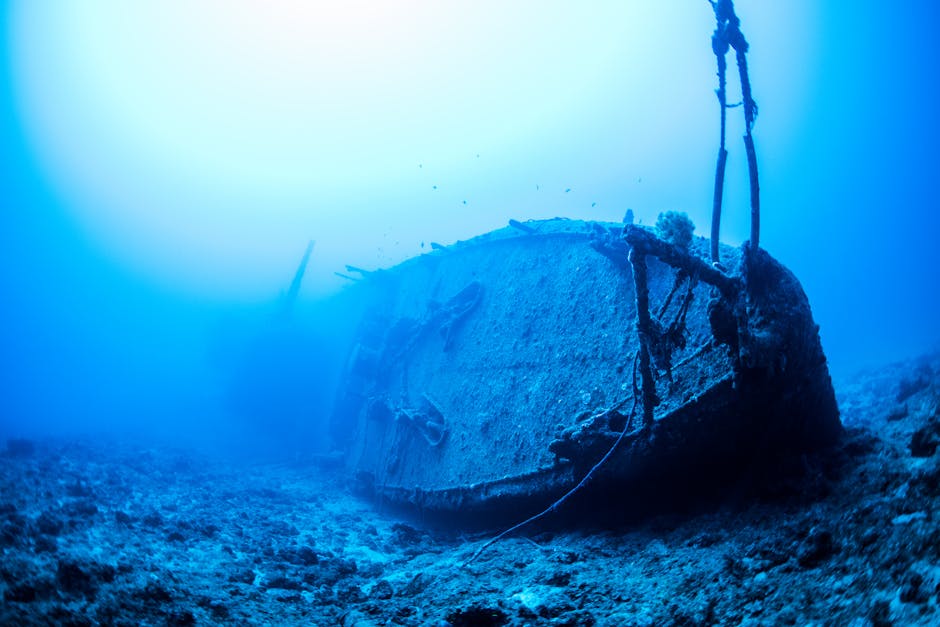
Diving & Snorkeling: The Kerama Islands, a short ferry from Naha, have water so clear it's called "Kerama Blue." It's like swimming in distilled sapphire. On the main island, the Manza Dream Hole is a famous dive spot. But honestly, you can throw a rock off most coasts and find something amazing. Rent a car, find a quiet cove.
Beach Lounging: Emerald Beach near the Ocean Expo Park is great for families. For that "castaway" feel, head to the northern tip of the main island to places like Kouri Island or the beaches around Cape Hedo. The sand is so fine it feels like powdered sugar.
Whale Watching (Winter): From January to March, humpback whales come to the waters around the Keramas to breed and give birth. It's a spectacular show. Book a tour from Tokashiki or Zamami islands.
Food & The Centenarian Diet
This isn't just eating; it's cultural immersion. The Okinawan diet is famous for longevity, and after a week of it, you'll feel lighter, cleaner. It's heavy on vegetables (bitter melon/goya, purple sweet potato, seaweed), tofu, and local pork. Skip the chain restaurants. Go to a *shokudo* (local diner).
Must-Trys: Goya Champuru (stir-fry with bitter melon, tofu, egg), Rafute (slow-braised pork belly that melts on your tongue), Okinawa Soba (noodles in a pork broth, not buckwheat like mainland soba). And for the brave, try the *mozuku* seaweed—it's slimy, healthy, and an acquired taste.
Historical Reflection
Okinawa Peace Memorial Park & Museum: This is a heavy, essential visit. It commemorates the devastating Battle of Okinawa in WWII. It's not a "fun" activity, but it's a crucial one for understanding the island's modern identity and resilience. The Cornerstone of Peace, with its thousands of inscribed names, is profoundly moving.
Where to Stay: Budget, Mid-Range, and Luxury
Your base defines your trip. Staying in Naha is convenient for transit and food. Staying on a remote island is an escape. Staying up north is for nature lovers. You can't go wrong, but you can be inefficient.
Luxury & Unique Stays ($$$)
Resorts on the West Coast (Onna Village): This is the classic Okinawa resort strip. Think big hotels with private beaches, multiple pools, and dinner buffets. Great for a pampered, do-nothing beach holiday. Halekulani Okinawa is the new pinnacle, but even the older ones are solid.
Private Island Vibes (Ishigaki/Taketomi): For a next-level splurge, fly to the Yaeyama Islands. Resorts like Hoshinoya Taketomi are on their own tiny, preserved islands. You get around by water buffalo cart. It's magical, and your wallet will feel it.
Mid-Range & Business Hotels ($$)
Naha (Kokusai Dori area): Tons of options like Daiwa Roynet or Hotel JAL City. You're steps from the main shopping street, monorail, and restaurants. Practical and central. Book early for weekends.
Condominium Hotels: These are a secret weapon, especially for families or longer stays. You get a small kitchenette and a washer/dryer. The Beachfront Condominium Maehama in Miyakojima is a perfect example. Game-changer.
Budget & Social (Hostels/Guesthouses) ($)
Backpacker Hostels in Naha: Places like Guesthouse Uchina are clean, social, and run by friendly locals who give amazing tips. Perfect for solo travelers.
Minshuku: These are family-run guesthouses, often in more rural areas or on smaller islands. You get a Japanese-style room and home-cooked meals. It's basic, authentic, and you're directly supporting a local family. We stayed in one on Iriomote and the grandma's cooking was the best we had all trip.
How to Get To & Around Okinawa
You're gonna need to move between islands. Accept this. The main island is bigger than you think, and the outer islands are the real treasure.
Getting to Okinawa
By Air to Naha (OKA): Direct flights from major Asian hubs (Tokyo, Seoul, Taipei, Shanghai) and some domestic cities. From Tokyo, it's about 2.5 hours. Book well ahead for peak seasons.
Island Hopping
By Air: Japan Transocean Air (JTA) and others fly from Naha to Miyako, Ishigaki, and other larger islands. Fast but pricey.
By Ferry: The workhorse of the islands. Slower but cheaper and scenic. A&Line and Marix are the main operators. For the Keramas, the ferry from Tomari Port in Naha is easy and takes about an hour. For the Yaeyamas (Ishigaki), it's a long overnight ferry—an adventure in itself.
Getting Around Each Island
Rental Car: On the main island and larger outer islands, this is non-negotiable. Public transport is sparse outside Naha. Trust me, you want the freedom. Book your car *before* you arrive, especially in peak season. They run out. And get the ETC card for highway tolls.
Scooters: On small islands like Taketomi or parts of Ishigaki, a scooter is perfect and fun. Just make sure your travel insurance covers it.
Monorail (in Naha only): The Yui Rail is fantastic for getting up and down the city corridor, from the airport to Shuri Castle.
Money, Passes & Reservations
Let's talk logistics. Japan runs on cash more than you'd think, especially in Okinawa's rural spots.
- Cash is King: Bring your yen. Many smaller restaurants, market stalls, and minshuku only take cash. 7-Eleven ATMs are your best friend for withdrawals.
- Transport Passes: The Yui Rail has a 1 or 2-day pass that's worth it if you're monorail-hopping in Naha. For buses, it's usually pay-as-you-go.
- Attraction Tickets: Book major things like popular whale-watching tours or certain cultural experiences online ahead of time. For most things, you can just show up.
- No Park Entrance Fees: Unlike a national park, you don't pay to enter Okinawa. You pay to experience it—through tours, food, and transport.
Packing Essentials & What to Wear
I overpacked jeans my first time. Big mistake. Here's what you actually need for a subtropical archipelago.
Clothing Strategy
Lightweight, breathable, and quick-dry everything. You'll be sweating, then going into air-conditioned buildings, then maybe getting splashed on a boat. Layers sound good, but really it's about moisture-wicking fabrics. Pack a light long-sleeve shirt for sun protection on boats or hikes. A packable rain jacket is a must year-round—those showers come out of nowhere.
Footwear
Comfortable sandals (like Tevas or Chacos) for wet landings and beach days. Good walking shoes for castle ruins and hiking. And if you're doing any serious jungle trekking on Iriomote, water shoes or old sneakers you don't mind destroying.
The Non-Negotiables
Reef-Safe Sunscreen: This is critical. The sun is intense, and regular sunscreen damages the coral reefs you came to see. Buy it there if you have to.
Reusable Water Bottle: Tap water is safe to drink. Stay hydrated like the locals do.
Power Adapter: Japan uses Type A/B plugs (same as North America, but with two flat pins). Voltage is 100V, so most devices are fine, but check your hair dryer.
A Sense of Patience: Things move on "Okinawa time." Buses might be late. A shop might be randomly closed. Go with it.
Accessibility Information
Okinawa is getting better, but it's a mixed bag. Major hotels, the monorail, and newer attractions are very accessible. Older historical sites, like Shuri Castle grounds or Seifa Utaki, have steep, uneven stone paths and steps that are challenging for wheelchairs. Many smaller restaurants and guesthouses have narrow entrances and no elevators. Your best bet is to contact places directly. The larger resort hotels are usually fully equipped and can often assist with arranging accessible tours.
Sample Itineraries: 5 Days & 10 Days
These assume you're flying into Naha. Adjust based on your energy level—this isn't a sprint.
5-Day Okinawa Island Highlights
Day 1-2: Naha & South. Land, pick up your rental car. Explore Kokusai Dori, Makishi Market, Shuri Castle. Next day, do the Peace Memorial Park and the nearby cave systems (like Okinawa World). Stay in Naha.
Day 3: Central & North. Drive up the coast to the Churaumi Aquarium (book tickets online!). Explore the Ocean Expo Park. Stay in Onna Village or a resort.
Day 4: Kerama Islands Day Trip. Ferry to Tokashiki Island. Rent a scooter, snorkel at Aharen Beach, relax. Return to Naha for the night.
Day 5: Last Bites & Flights. Last-minute souvenir shopping, a final bowl of Okinawa soba, then head to the airport.
10-Day Deep Island Immersion
Day 1-3: Follow the 5-day plan for Okinawa Island.
Day 4: Fly to Ishigaki Island. Rent a car. Settle in, maybe hit Kabira Bay for the iconic view.
Day 5: Taketomi Island. Short ferry ride. Spend the day cycling the sandy paths among traditional red-tiled houses. It's like stepping back in time.
Day 6: Iriomote Island Adventure. Ferry to Iriomote. Do a guided kayak or jungle boat tour up the Urauchi River to the waterfalls. You might spot an Iriomote wildcat (rare!).
Day 7: Ishigaki Relaxation. Beach day at Yonehara for snorkeling or Sunset Beach for, well, the sunset.
Day 8-9: Fly to Miyakojima. This is for the serious beach connoisseur. Rent a car and beach-hop—Yonaha Maehama, Sunayama Beach. The sand is unreal.
Day 10: Return flight from Miyakojima to Naha, then connect home.
Family-Friendly Tips
Kids can thrive here. The beaches are gentle, the aquarium is world-class, and the food is generally mild and approachable. Rent a car with child seats (book in advance!). Look for hotels with pools as a backup. Many *shokudo* have kids' meals. And the simple joy of exploring tidal pools or hunting for *star* sand (tiny star-shaped shells) on Taketomi will beat any theme park.
Rules, Safety & Island Etiquette
This matters. You're a guest in a place with a delicate ecosystem and a respectful culture.
Ocean Safety
Heed the flags on beaches. Red means no swimming. Currents can be strong, especially on the east coast. Don't touch the coral—it's alive and fragile, and oils from your skin damage it. Seriously. And watch for *habu* jellyfish in warmer months; some beaches have protective nets.
Cultural Respect
At sacred sites (*utaki*), be quiet and respectful. Don't move stones or take anything. When entering a home or some traditional restaurants, you'll often take off your shoes. Just follow what others do. A simple "arigatou" (thank you) goes a long way.
Leave No Trace
Take all your trash with you from beaches and trails. Public trash cans are surprisingly rare. Carry a small bag for your rubbish. And don't even think about taking shells or sand from protected areas—it's often illegal.
Nearby Attractions & Hidden Gems
Everyone does the aquarium. Try these instead.
Cape Hedo & Daisekirinzan: The northernmost point of the main island. Dramatic cliffs and the Daisekirinzan park has weird, wonderful rock formations that feel prehistoric. Moody and magnificent.
Zamami Island: The quieter neighbor to Tokashiki in the Keramas. Even more pristine beaches (like Furuzamami) and fantastic whale watching. Feels like you discovered a secret.
Yanbaru Forest: The jungle-clad north. Hire a guide for a night tour to see the flightless Okinawa Rail bird and bioluminescent fungi. It's a whole other world after dark.
FAQ About Visiting Okinawa
The questions I get asked most. Some obvious. Some not.
How many days do you need?
Five days minimum to scratch the surface of the main island. Ten days to properly island-hop and get the full experience. Less than five and you'll spend the whole time in transit, wondering what you missed.
Is it expensive?
It can be. Flights and inter-island transport add up. Resorts are pricey. But you can do it on a budget with guesthouses, local eateries, and free beaches. A mid-range trip is very doable.
Do I need to speak Japanese?
Helpful, but not essential. In tourist areas, you'll manage with English, gestures, and a translation app. In rural areas, it's tougher but part of the adventure. Learning a few phrases ("sumimasen" for excuse me, "kore kudasai" for I'll have this) is appreciated.
Is the food weird?
It's different. Less raw fish-focused than mainland Japan, more stewed pork and strange vegetables. Be adventurous! The bitter melon might surprise you. But if you're a picky eater, there's always ramen shops and convenience store *onigiri* (rice balls).
What about typhoons?
They're a fact of life from July to October. Check forecasts. Travel insurance that covers weather disruption is a very good idea. If one hits, stay indoors—hotels are built for it. Your trip might get a 24-48 hour pause. Roll with it.
Can I use my credit card?
At hotels, larger stores, and some restaurants, yes. But as mentioned, cash is vital for markets, small shops, and transportation like ferries and buses. Don't get caught short.
Is it safe?
Extremely. One of the safest places you can travel. Petty crime is rare. The main dangers are natural: sunburn, ocean currents, and maybe a habu snake if you're trekking in the jungle (rare, but don't poke around in dense brush).
Final Thoughts
Okinawa isn't just a destination; it's a feeling. It's the weight of history in a castle stone, the shock of cold awamori on a hot night, the silence of a sacred grove. It's watching a hundred-year-old woman dance with more energy than you, knowing she's probably had a dozen plates of goya champuru this week.
You'll come for the beaches. You'll stay for the culture. And you'll leave with a different understanding of what "Japan" can be—softer, slower, steeped in salt air and resilience.
Book your car early. Pack the reef-safe sunscreen. Try the bitter melon. And when you're on that ferry, watching the main island shrink to a green line on the horizon, you'll know you made the right choice.
See you in the Kerama Blue.


No comments:
Post a Comment