
Navigating Osaka Like a Local: Your Ultimate Guide to Mastering the City's Secrets
Introduction (Hook + Overview)
The first breath of Osaka is a taste of humid air, thick with the promise of something delicious. You emerge from the subterranean rumble of Umeda or Namba Station, blinking into a kinetic symphony of light and sound. Neon kanji bleed their electric reds and cool blues onto rain-slicked pavement, painting the night in liquid color. The rhythmic clatter of geta sandals mixes with the distant hum of the JR Loop Line and the sizzle of takoyaki griddles.
A vendor's call cuts through the din, a melodic "Irasshaimase!" welcoming you into the fold. This is not the reserved elegance of Kyoto, nor the frenetic, polished pace of Tokyo. Osaka has its own rhythm—a confident, grounded, and gloriously unpretentious heartbeat. It's in the wide, genuine smiles, the theatrical bargaining at Kuromon Market, and the way the entire city seems to exhale into a lively, shared meal.
City travel is transformative because it demands you to adapt, to read the subtle cues of a million strangers moving in concert. Osaka, Japan's kitchen and mercantile soul, offers a masterclass in urban immersion. It rewards the curious, the hungry, and the observant with layers of experience hidden just beneath the glossy surface of its shopping arcades and towering castles.
This guide is your key to unlocking those layers. We will move beyond the postcard to the pulse. You will master the seamless dance of its metro system, decode the culinary landscape from back-alley stalls to Michelin-starred temples, and learn to navigate its neighborhoods with the confidence of a seasoned resident. We'll equip you with safety strategies, cultural insights, and logistical hacks that transform potential overwhelm into exhilarating discovery.
Consider this your invitation. An invitation to wander beyond Dotonbori's iconic Glico Man, to find serenity in a hidden temple garden, and to share a late-night beer with locals under the railway tracks. Let's discover Osaka not as spectators, but as participants in its magnificent, everyday theater.
Pre-Trip Planning
True exploration begins long before your flight touches down at Kansai International Airport. Deep research is your first step towards authentic connection. Don't just map attractions; map atmospheres. Understand that Osaka is a constellation of distinct planets: the neon-fueled energy of Namba, the sleek corporate canyons of Honmachi, the retro-cool, hipster haven of Nakazakicho, and the historic merchant quarters of Shinsekai.
Investigate the city's living calendar. Is your visit timed with the thunderous drums of the Tenjin Matsuri in July, one of Japan's top three festivals? Or will you catch the delicate bloom of plum trees at Osaka Castle Park in early spring? Local tourism boards and community blogs are goldmines for these seasonal pulses.
Architect your budget with precision. Osaka can be surprisingly kind to the wallet. Street food feasts can cost under 1000 yen, while a transcendent kaiseki meal may command 20,000. Accommodation ranges from 2500-yen capsule pods to 50,000-yen suites at the Abeno Harukas. Factor in a JR Pass for regional travel or an Osaka Amazing Pass for local transit and entry.
Safety preparation is non-negotiable. Secure travel insurance that explicitly covers urban medical emergencies and trip interruptions. Register with your embassy's smart traveler program. Digitally secure yourself: back up documents to the cloud, install a reputable VPN, and ensure your devices are updated.
Cultural pre-learning is the ultimate sign of respect. Grasp the basics of Osaka's unique Kansai-ben dialect—a friendly "okini" for thank you opens doors. Understand the nuanced etiquette of public bathhouses (sentō), the proper way to handle chopsticks, and the deep-seated history of the city as a merchant capital where humor and pragmatism reign.
Choosing Accommodation
Your choice of bed is your choice of neighborhood rhythm. The strategic question: proximity to a major transit hub versus immersion in a residential enclave. Staying near Shin-Osaka (for bullet train access) or Namba/Umeda offers unparalleled convenience, especially with heavy luggage. But for a slower, more authentic wake-up call, consider the low-rise, vine-covered cafes of Nakazakicho or the artsy streets of Horie.
Osaka's accommodation tapestry is rich. Sleep in a ryokan (traditional inn) in the quieter Tennoji area, experience the futuristic capsule hotel, or book a social hostel with a rooftop bar in Amerikamura. For longer stays, local Airbnb apartments in neighborhoods like Juso or Kitahama offer a slice of daily life.
Budget dictates form. Dorm beds in clean, modern hostels start around 2,500-3,500 yen nightly. Mid-range business hotels like the ubiquitous Toyoko Inn or Dormy Inn offer compact efficiency for 8,000-12,000 yen. Splurge on iconic views at the Conrad Osaka or the historic St. Regis.
Target neighborhoods by vibe. Solo travelers and nightlife lovers thrive in Namba/Amerikamura. Families appreciate the spaciousness and calm of Osaka Bay Area hotels. Digital nomads seek out the cafe culture of Nakazakicho or Fukushima.
Safety is inherent but not invisible. Japan is exceptionally safe, but standard urban precautions apply. Verify that your Airbnb is in a legal, multi-unit building. Choose well-lit streets for late returns. Read recent reviews mentioning neighborhood noise and security.
Transportation Within the City
Osaka's transit network is a marvel of efficiency—a silver spiderweb of trains and subways. Mastering it is your first true taste of local competence. The key lines form a grid: the JR Osaka Loop Line (a circle), the Midosuji subway line (north-south red spine), and the Chuo line (east-west green line).
Public Transport Mastery
Feel the smooth acceleration of the Midosji Line train, its seats a distinctive shade of red. Purchase a rechargeable ICOCA or Suica card—tap in, tap out, and seamlessly transfer between JR, subway, and private lines like Keihan or Hankyu. For intensive sightseeing, the Osaka Amazing Pass offers unlimited subway/bus travel plus free entry to dozens of attractions.
Ride-Sharing & Taxis
Ride-sharing like Uber exists but primarily functions as a taxi-hailing app. Traditional taxis are plentiful, clean, and honest. Doors open and close automatically—a small, magical touch. They are pricey but invaluable for late-night returns or when your feet finally surrender. Hail them at stands or with an empty, illuminated roof sign.
Active Exploration
Osaka reveals its secrets on foot. Lose yourself in the covered, kilometer-long Shinsaibashi-Suji arcade, a sensory overload of scents, sounds, and commerce. For longer distances, utilize the city's robust bike-share program, Docomo Bike Share. Electric scooters are less common but available in designated zones.
Cost-Saving Passes & Night Transport
Beyond the Amazing Pass, consider a JR Kansai Area Pass for regional day trips. Night owls, note: most subways stop around midnight. Post-midnight, rely on night buses (look for "Shin-Go" routes) or taxis. Stations remain safe, well-lit hubs, but always be aware of your surroundings.
Avoiding Scams
Transport scams are exceedingly rare in Osaka. The primary "trick" is the potential cost of a taxi for long distances. Always ensure the meter is running. Unlicensed transport is virtually non-existent. Your greatest risk is simply getting on the wrong, albeit punctual, train.
Must-Have Essentials While Exploring
Your daily kit is your urban survival armor. Digitally, arm yourself with Google Maps (download the Osaka area offline) and Japan Travel by Navitime for flawless transit routing. Screenshot key addresses in Japanese for taxi drivers.
Physically, dress for the city's moods. Summers are sweltering and humid—moisture-wicking fabrics are essential. Shoulder-season springs and autumns are mild but can shift; layer with a light jacket. Footwear is paramount: broken-in, supportive shoes for miles of pavement and temple stone.
Your daypack should hold a reusable water bottle (refill at hotel or public fountains), portable snacks like onigiri, high-SPF sunscreen, a portable charger (power bank), and a handkerchief for sweat or drying hands (many public restrooms lack paper towels).
Connectivity is crucial. Rent a pocket Wi-Fi (pocket WiFi) from the airport for unlimited, high-speed data for multiple devices, or purchase a data-only SIM card. Essential apps include Google Translate (use the camera function on menus), a currency converter, and perhaps a hotel booking app for last-minute changes.
While theft is low, peace of mind is priceless. Use an anti-theft bag with slash-proof straps and RFID-blocking pockets. Distribute cash between your wallet and a hidden money belt. Keep photocopies or digital scans of your passport separate from the original.
Food and Dining Tips
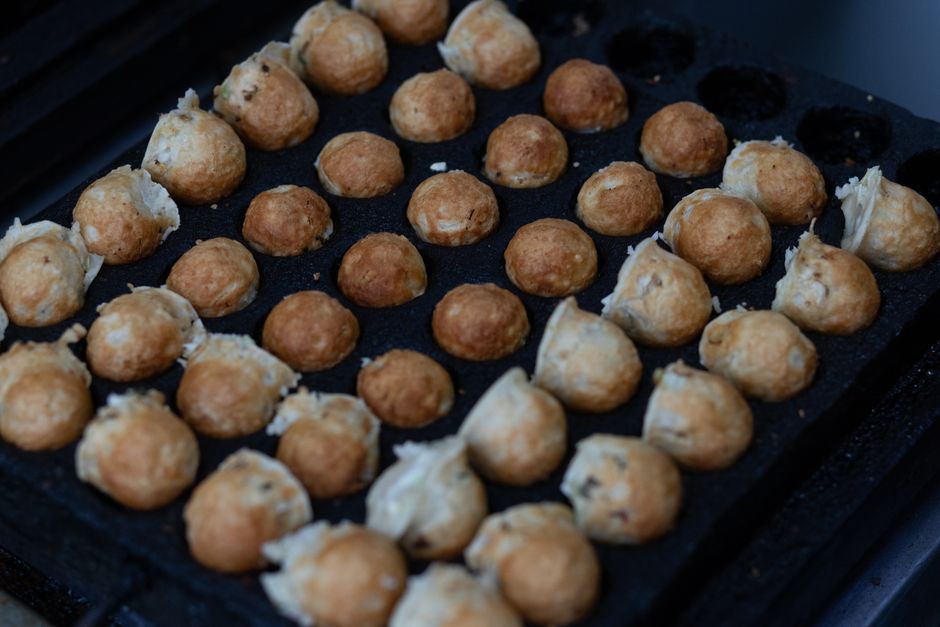
This is Osaka's sacred arena. The city breathes through its food. Street food is an art form here. Seek stalls with constant turnover—a sure sign of freshness and local approval. Watch the masterful, rapid-fire preparation of takoyaki (octopus balls), the glossy sheen on okonomiyaki (savory pancake), and the crisp sound of kushikatsu (deep-fried skewers) being lifted from bubbling oil.
Avoid tourist traps by looking for menus only in Japanese, lines of salarymen after work, and interiors that are functional, not fancy. The best ramen might be found in a cramped, steamy eight-seater counter in a back alley of Hozenji Yokocho.
Osaka's signature dishes are its soul. You must try takoyaki from a street cart, okonomiyaki cooked on a hotplate before you at a specialist restaurant, and fugu (blowfish) if you're feeling adventurous (and it's in season). For high-end sushi, the Kitashinchi district is legendary.
Understand the local dining clock. Lunch is typically 12-2 PM, with many restaurants offering incredible teishoku (set meal) deals. Dinner starts early by global standards, around 6 PM. Izakayas (pub-style eateries) hum until the last train and beyond.
Navigating dietary restrictions requires preparation. Learn to say "I am vegetarian" (Watashi wa bejitarian desu) and "I cannot eat meat or fish" (Niku to sakana wa taberaremasen). Vegan options are growing but still limited; seek out specialist cafes. Always carry a dietary card in Japanese.
Cash is still king in many beloved, small establishments. While major chains and department stores take cards, assume you'll need yen for markets and family-run spots. Tipping is not practiced and can cause confusion; excellent service is the standard expectation.
Budgeting & Money Management
Osaka rewards the financially savvy. For currency, avoid airport exchange counters for large sums. Use Japanese bank ATMs at 7-Eleven, Lawson, or Japan Post Bank, which accept international cards and offer competitive rates. Notify your bank of your travel plans to avoid card blocks.
Carry a sensible amount of cash—perhaps 10,000-15,000 yen per day for two people, as many smaller eateries and markets are cash-only. Store it in separate locations.
Digital payments are ascending. Contactless IC cards (Suica, ICOCA) can be used at convenience stores, vending machines, and even some taxis. QR code payments like PayPay and Line Pay are popular; however, they often require a Japanese bank account, so they're less accessible for tourists.
Tipping culture is beautifully simple: it doesn't exist. A service charge may be included in your bill at higher-end restaurants. Never leave cash on the table. Exceptional service is met with a sincere thank you, not a monetary supplement.
Track your spending with apps like Trail Wallet or Splitwise. Be mindful of hidden costs: the 100-yen coin needed for some public lockers, the small charge for temple entry slips (goshuin), and the 8-10% consumption tax added to most purchases (though tax-free shopping is available for visitors on consumables and general goods over 5,000 yen at licensed stores).
Sightseeing and Experiences
Architect your days geographically to dance with the city, not fight it. Cluster Osaka Castle, the Museum of History, and the Tenjinbashisuji Shopping Street on one day. Pair the neon of Dotonbori with the retro charms of Shinsekai and the soaring Abeno Harukas observatory.
For major landmarks, beat the crowds with a sunrise visit to Osaka Castle grounds or secure a last-entry ticket to the Umeda Sky Building for dusk transforming into night. The Osaka Amazing Pass often includes skip-the-line privileges.
Seek hidden gems. Find the tiny Hozen-ji Temple, moss-covered and serene amidst Dotonbori's chaos. Explore the indie galleries and vintage shops of Nakazakicho. Witness the daily tuna auction at the Osaka Central Wholesale Market.
Choose tours wisely. Free walking tours (tip your guide generously) offer excellent orientation. For deeper dives, book specialized tours: a kushikatsu crawl in Shinsekai, a history tour of the merchant quarters, or a hands-on okonomiyaki cooking class.
Master timing. Capture the golden hour glow on the riverfront near Nakanoshima. Experience the weekday calm of Shitenno-ji Temple versus its bustling weekend market. See Dotonbori illuminated in all its garish glory after dark.
For cultural venues, book popular museums like the TeamLab Botanical Garden Osaka or the Kaiyukan Aquarium in advance online. Check schedules for traditional bunraku (puppet theater) or manzai (comedy) performances.
Safety Tips
Osaka is one of the world's safest major cities, but intelligent urban vigilance is always your best companion. Neighborhood awareness is subtle. While violent crime is extraordinarily rare, areas like the back alleys of certain nightlife districts (Kabukicho-adjacent areas in the Kita ward) can see occasional drunken disorder. Simply stick to well-trafficked streets.
Personal security is about smart habits. Use anti-theft bags in crowded spaces like Shinsaibashi or train stations during rush hour. Distribute money and cards between your wallet and a hidden pouch. Be mindful of phone-snatching by scooter thieves—a rare but global urban phenomenon.
Night navigation is generally safe. The train system is impeccably clean and orderly even late at night. If using taxis, have your destination address written in Japanese. Avoid poorly lit shortcuts through parks or deserted side streets, as you would in any city.
Emergency preparedness is straightforward but critical. The universal emergency number in Japan is 110 for police and 119 for fire/ambulance. Tourist police are often stationed near major attractions. Keep your embassy's contact details saved offline.
Digital safety: avoid conducting sensitive banking on public, unsecured Wi-Fi. Use your pocket Wi-Fi or a VPN. RFID scanning is a minimal threat, but protective sleeves offer peace of mind.
Health precautions are minimal. Tap water is perfectly safe to drink. Air quality is good. Identify the nearest hospital or clinic to your accommodation; major hotels often have an in-house doctor or can direct you to an English-speaking medical facility.
Cultural Etiquette
Navigating Osaka's social fabric with grace deepens every interaction. Greetings are respectful bows, not handshakes or hugs, though the famously open Osakans might adapt to Western ways. On packed trains and escalators, observe the silent, orderly queues—stand left, walk right on Osaka escalators (the opposite of Tokyo).
Volume is a key differentiator. While Osakans are louder and more jovial than other Japanese, they still maintain a low, considerate volume on public transport. Phone calls on trains are frowned upon.
Dress codes are situational. For temples and shrines, modest attire covering shoulders and knees is respectful. Upscale restaurants may have a smart casual dress code. Generally, Osakans dress neatly but practically.
Build a language bridge. Beyond "Konnichiwa" and "Arigato," learn "Sumimasen" (Excuse me/Sorry) – the most useful word in Japan. "Kore o kudasai" (This, please) works wonders at food stalls. "Oishii desu!" (It's delicious!) will earn you beaming smiles.
Interaction protocols are key. Always ask permission before photographing people, especially in markets. Haggling is not common except in some flea markets, and even then, it's gentle. Respect personal space, a challenging but vital practice in the dense crowds of Dotonbori.
In sacred spaces like Shitenno-ji, purify your hands at the temizuya fountain before entering. Remove shoes where required (look for slippers or racks). Maintain a respectful silence.
Embrace environmental consciousness. Japan has strict, complex recycling rules. Follow the bin labels (burnable, PET bottles, cans). Many stores now charge for plastic bags, so carry a reusable "eco-bag."
Technology and Apps
Your smartphone is your ultimate urban compass. For navigation, Google Maps is indispensable for walking and transit. Japan Official Travel App (by JNTO) is excellent for route planning between cities. For hyper-local transit, Norikae Annai (Japan Transit) offers minute-perfect timing.
Language tools will save you. Google Translate is your best friend, especially the camera function for instant menu translation. Download the Japanese language pack for offline use. imiwa? is a superb offline dictionary.
Mobility apps include the official Docomo Bike Share app for unlocking bicycles. For taxis, JapanTaxi or Uber (which functions as a taxi hailer here) are reliable.
Food tech is a delight. Use Tabelog, Japan's brutal but accurate review site (scores above 3.5 are exceptional). Gurunavi is more tourist-friendly with English. For reservations, TableCheck or Omakase are used by many high-end restaurants.
Experience booking is streamlined online. Purchase Kaiyukan Aquarium or Universal Studios Japan tickets in advance via Klook or the official sites to avoid lines. For traditional arts, check the National Bunraku Theatre website.
Communication relies on WhatsApp and Line. Line is Japan's dominant messaging app; if you make local friends, you'll likely connect there. Ensure you have a data plan robust enough for video calls and constant map checking.
Capturing Memories
Photography in Osaka is a feast, but ethics come first. Always ask before photographing individuals, especially geisha or maiko (who are rare in Osaka compared to Kyoto). Respect clear "No Photography" signs in temples, museums, and some restaurants.
For visual storytelling, find unique vantage points. Capture the city's duality: the reflection of Tsutenkaku Tower in a puddle in Shinsekai, the serene geometry of the Nakanoshima Rose Garden against steel skyscrapers, or the frenetic energy of a packed izakaya alley. Keep your gear secure and close in crowds.
Written reflection cements ephemeral moments. Keep a travel journal. Use voice memos to record the specific soundscape of Dotombori at midnight—the sizzle, the laughter, the river's flow. Blogging prompts like "Describe a meal with all five senses" can deepen your processing.
Social sharing carries responsibility. Geotag thoughtfully. Consider tagging a broader area like "Minami, Osaka" instead of a specific, fragile hidden cafe. Represent your experience authentically—share the quiet, rainy moments alongside the vibrant ones. Credit and engage with local photographers and creators.
Seek souvenir alternatives. Collect goshuin (temple stamps) in a beautiful book. Save train ticket stubs and matchboxes from izakayas. Press a flower from Osaka Castle Park. These textured memories hold more power than any mass-produced keychain.
Conclusion
Osaka is a city that teaches through immersion. The strategies outlined here—the pre-trip planning, the transit mastery, the culinary courage, the cultural respect—are not just about efficiency. They are about removing barriers between you and the raw, joyful essence of the place. They allow preparation to meet spontaneity, letting you turn a wrong turn into a discovery of a tiny, perfect bar you'd never find on a map.
Travel here responsibly. Support the family-run okonomiyaki shop, the independent gallery in Nakazakicho, the market vendor who teaches you a word of Kansai-ben. Leave each neighborhood as pristine as you found it, carrying out only memories and a fuller understanding.
Whether you are a solo adventurer finding confidence in the orderly chaos, a couple sharing steaming takoyaki under a bridge, a family marveling at the aquatic ballet of the Kaiyukan, or a business traveler extending a trip to find the city's soul—Osaka has a role for you to play. It invites you to claim a tiny piece of its relentless, generous energy as your own.
Now, you are equipped. You can hear the rhythm in the clatter of the train tracks, smell the story in the alleyway air, and see the history in the neon glow. You are ready to navigate not just the city's streets, but its spirit. Book the ticket. Step into the humid night air. Embrace the glorious, unexpected, and deeply satisfying pulse of Osaka. Your story there is already waiting to be written.


No comments:
Post a Comment