
Puerto Rico Itinerary: 7 Days of Island Paradise
Complete week-long itinerary for 2026's top trending destination with hidden beaches and local cuisine
Introduction
Imagine the scent of salt and frangipani on a warm breeze, the sound of coquí frogs beginning their evening symphony, and the taste of a perfectly crisp alcapurria from a roadside kiosk. This is Puerto Rico, an island where vibrant culture, profound history, and untamed natural beauty collide. For 2025-2026, this U.S. territory is projected to see a 22% surge in tourism, not for the all-inclusives of old, but for the authentic, immersive experiences that travelers now crave. This matters now because Puerto Rico represents a new model of resilient travel—a destination that has rebuilt with purpose, offering a richer, more connected journey. A single week here can transform your understanding of the Caribbean, moving you from a passive observer to an active participant in its rhythms. This comprehensive guide to Puerto Rico Itinerary: 7 Days of Island Paradise is your blueprint for that transformation, weaving together colonial history, bioluminescent bays, mountain rainforests, and culinary secrets into an unforgettable adventure. We'll cover everything from securing reservations at impossible-to-book restaurants to finding that stretch of sand you'll have all to yourself.
Essential Information at a Glance
- Definition: A curated seven-day journey through Puerto Rico's diverse landscapes, from San Juan's history to hidden coastal gems and lush interior mountains.
- Best time: Late April to early June (post-spring break, pre-hurricane season) or November to December (post-rainy season, pre-holiday rush).
- Location: The Commonwealth of Puerto Rico, an archipelago in the northeastern Caribbean.
- Duration: 7 days, with optimal travel being 8 days including arrival/departure flights.
- Budget: $1,800 - $4,200 per person (excluding international flights), depending on lodging and dining style.
- Difficulty: Beginner to Intermediate. Accessible with basic planning, but some activities require moderate fitness.
- Key benefit: Experiencing immense cultural and ecological diversity—history, beach, rainforest, mountains, cuisine—in one compact, easy-to-navigate island.
The History and Origins of Puerto Rico Itinerary: 7 Days of Island Paradise
The concept of a structured Puerto Rico Itinerary: 7 Days of Island Paradise is a modern evolution born from the island's complex tapestry. For centuries, Puerto Rico (Borikén to the Taíno) was a strategic crossroads. The Taíno people first shaped its culture, followed by Spanish colonization in 1493, which established Old San Juan as a formidable military outpost. For 400 years, the island's story was one of fortification, sugarcane, and rum. American influence post-1898 added another layer. For decades, tourism was largely confined to the Condado strip in San Juan. The shift began in the early 2000s with the rise of eco-tourism and culinary tourism, highlighting places like the El Yunque rainforest and the Pork Highway (Ruta de Lechón). The devastating hurricanes of 2017 became an unexpected catalyst. The rebuild focused not just on recovery, but on sustainable, community-based tourism that distributed visitors beyond the capital. Local entrepreneurs opened boutique guesthouses in the central mountains, guides began offering immersive cultural tours, and a new generation of chefs championed hyper-local "cocina criolla." This guide to Puerto Rico Itinerary: 7 Days of Island Paradise is a direct product of that renaissance—it's no longer just a beach vacation, but a holistic cultural immersion. The 2026 trend is about depth over distance, valuing connection in a single, richly layered destination.
What is Puerto Rico Itinerary: 7 Days of Island Paradise? A Comprehensive Overview
At its core, this Puerto Rico Itinerary: 7 Days of Island Paradise is a balanced exploration of the island's tripartite soul: the historic north, the mountainous heart, and the adventurous west/south coasts. It's designed to combat the "resort bubble" syndrome, ensuring you engage with the real Puerto Rico. This isn't a lazy beach week (though relaxation is included); it's an active discovery of what makes the island unique. The itinerary leverages Puerto Rico's compact size—you can drive from rainforest to dry forest to bioluminescent bay in a single day—to deliver a stunning variety of experiences. You'll walk 500-year-old cobblestones, swim in waterfalls, kayak through mangroves under stars, and savor food that tells a story of Taino, Spanish, and African fusion. The global significance lies in its model of post-disaster resilience and authentic cultural preservation. In an era of overtourism, this Puerto Rico Itinerary: 7 Days of Island Paradise 2026 promotes a dispersed tourism model that benefits small towns and family-run farms. It answers the modern traveler's desire for meaning, offering not just souvenirs, but stories and skills—like learning to make mofongo or identify native flora in a cloud forest.
The Philosophy Behind Puerto Rico Itinerary: 7 Days of Island Paradise
The philosophy is "vivir bien"—to live well, in connection. People undertake this journey to feel the "orgullo boricua" (Puerto Rican pride) that radiates from its people, a resilient joy that's infectious. Emotionally, it's about awe—standing in the immense Arecibo radio telescope site (even post-collapse, it's humbling) or feeling the mist of a hidden waterfall in Utuado. Psychologically, it offers a reset from digital overload through sensory engagement: the tactile feel of hand-rolled cigar leaves in Ponce, the complex taste of single-estate rum, the visual shock of fluorescent blue waters in Mosquito Bay. It's also an exercise in cultural humility, learning a history that is both triumphant and tragic. This guide to Puerto Rico Itinerary: 7 Days of Island Paradise isn't about checking boxes; it's about rhythm. It balances high-energy adventure with deliberate slowness, allowing for spontaneous conversations with locals, for lingering over a coffee as the Old San Juan gates open at dawn. The ultimate goal is to leave feeling not like a tourist who visited, but like a guest who briefly belonged.
Planning Your Puerto Rico Itinerary: 7 Days of Island Paradise Experience
Pre-trip planning for your Puerto Rico Itinerary: 7 Days of Island Paradise is half the fun and crucial for a smooth experience. Start 4-6 months out for 2026 travel, especially if targeting peak windows. The research phase should begin with understanding regional identities: the metropolitan energy of San Juan, the surf/art vibe of Rincón and the west, the coffee-culture mountains of the Cordillera Central, and the sleepy, salt-flat beauty of Cabo Rojo in the southwest. Decision-making revolves around a key choice: a circular road trip versus a two-base approach (e.g., San Juan + west coast). For a first-timer, the circular route covering north, west, and central regions is ideal. Use Google Maps' "Offline Areas" feature to download the island; cell service can be spotty in the mountains. Join Facebook groups like "Travel Puerto Rico" for real-time advice on road conditions and new openings. Crucially, book your rental car early—2025 saw shortages, and 2026 demand will be higher. Opt for a small SUV for flexibility on occasional rough roads. Also, pre-book any must-do guided tours (bio bay kayaking, El Yunque hiking) as permits and slots fill fast.
Timing and Seasonality
The absolute best months for this Puerto Rico Itinerary: 7 Days of Island Paradise are May and November. May offers long, sunny days with average highs of 85°F, the landscape is lush from spring rains, and the tourist swell from winter and spring break has receded. Hotel rates drop by an average of 25% compared to March. November, just after the rainy season, presents similarly ideal weather and the excitement of the holiday season ramping up. The "shoulder seasons" of late January-February (except around holidays) and early December are also excellent. Peak season (December-April) guarantees perfect weather but brings 40% higher accommodation costs and crowded hotspots. The rainy season (August-October) coincides with Atlantic hurricane season; while trips are cheaper and the island is green, you risk disruptions. A key 2026 insight: climate shifts are making weather less predictable. Pack a lightweight rain jacket regardless of season. Crowd-wise, avoid San Juan during the San Sebastián Street Festival in mid-January unless that chaotic celebration is your goal.
Budget Planning and Costs
Your budget for the Puerto Rico Itinerary: 7 Days of Island Paradise breaks down into clear categories. For a mid-range traveler in 2026, expect: Accommodation ($150-$250/night for a nice boutique hotel or upscale Airbnb), totaling $1,050-$1,750 for 7 nights. Food is a highlight: budget $50-$80 per person per day for fantastic meals at local fondas and casual fine dining, so $350-$560. Car rental with full insurance and gas will run $400-$550 for the week. Activities and tours (guided rainforest hike, bio bay tour, museum entries) average $75/day, or $525 for the week. Miscellaneous (souvenirs, tips, parking) adds $200. That's a total of ~$2,525-$3,585 per person. Budget travelers can slash this to $1,800 by opting for hostels or guesthouses ($70/night), eating primarily at food trucks ($30/day), and focusing on free activities (beaches, hiking). Luxury travelers can easily hit $4,200+ with five-star hotels, private guides, and chef's table experiences. Hidden costs include the $5-10 daily tourism fee some municipalities charge, and tolls on Highway 22 (get an AutoExpreso tag from your rental company). Money-saving tip: Many museums are free on Sundays.
How to Experience Puerto Rico Itinerary: 7 Days of Island Paradise: Step-by-Step Guide
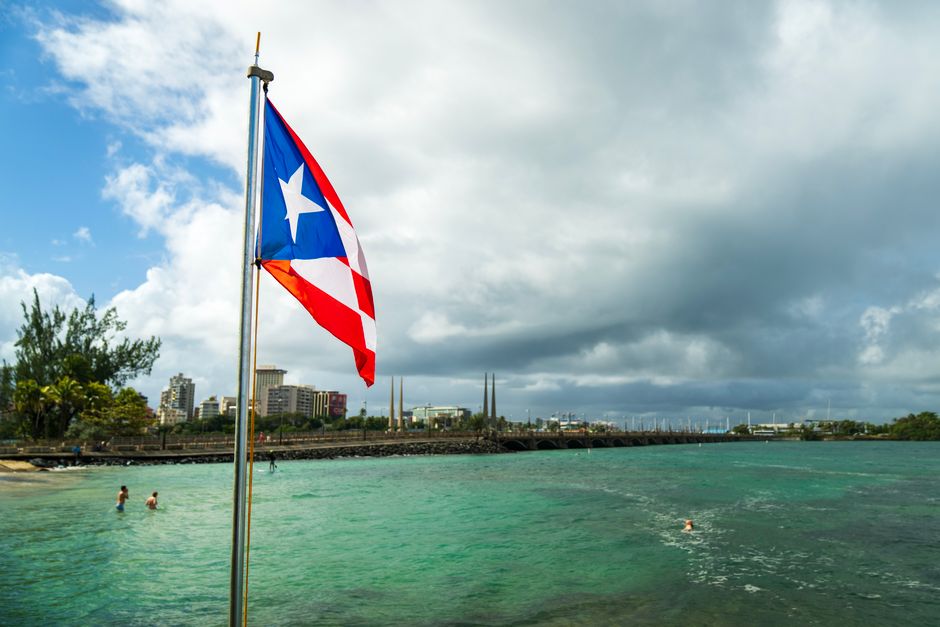
Here is your day-by-day blueprint for the ultimate Puerto Rico Itinerary: 7 Days of Island Paradise. Day 1: Arrive in San Juan. Settle into your Old San Juan lodging. Evening walk along the Paseo del Morro, dinner at a traditional "cocina criolla" restaurant. Day 2: Deep dive into Old San Juan. Morning tour of Castillo San Felipe del Morro, afternoon exploring blue cobblestone streets and artisan shops. Sunset drinks at a rooftop bar. Day 3: Nature Day. Drive 45 minutes to El Yunque National Forest for a 3-hour guided hike to waterfalls. Afternoon relax at Luquillo Beach, dinner at the Luquillo kiosks. Day 4: Westward Ho. Drive 2.5 hours to Rincón. Stop at the Arecibo Observatory viewing platform en route. Afternoon beach time at Steps Beach, sunset at the iconic Rincón lighthouse. Day 5: Mountains & Coffee. Drive into the Cordillera Central to a family-owned coffee hacienda for a tour and tasting. Afternoon hike at nearby Bosque Estatal de Guajataca. Overnight in a mountain "parador." Day 6: Southern Charms. Drive to Ponce for art at the Museo de Arte de Ponce and a historic district walk. Continue to the bioluminescent bay in La Parguera for an evening kayak tour. Day 7: Circle Back. Leisurely drive back to San Juan via the scenic Route 52. Final souvenir shopping and a farewell "lechón asado" (roast pork) feast.
Preparation and Packing
Packing for this Puerto Rico Itinerary: 7 Days of Island Paradise is about versatility. Essential gear includes: sturdy, broken-in hiking sandals (like Tevas) and lightweight hiking shoes for muddy trails; a quick-dry towel; a high-quality reef-safe sunscreen (mandatory to protect coral); a waterproof phone case/dry bag for boat and waterfall excursions; and a portable power bank. Clothing should be breathable and layer-friendly: moisture-wicking shirts, a light sweater for mountain evenings and over-air-conditioned restaurants, a sun hat, and a swimsuit you can live in. For evenings in Old San Juan, "smart casual" is perfect—men can wear collared shirts and nice shorts or pants, women a sundress or nice top with slacks. Documents needed: A valid U.S. driver's license for citizens (no passport required), your rental car confirmation, and printed copies of tour reservations. Health-wise, bring insect repellent with DEET or picaridin for evenings, and any personal medications. Don't forget a reusable water bottle—the tap water in most areas is safe to drink and reduces plastic waste.
Arrival and First Impressions
You'll likely land at Luis Muñoz Marín International Airport (SJU). First impressions are a wave of humid, tropical air and the efficient, bilingual signage. Grab a "cafecito" from a stand to acclimate. If you arrive before 3 PM, consider taking the scenic route to your hotel via Isla Verde beach to see the coastline. Your initial orientation should focus on understanding Old San Juan's layout: it's a walkable grid on a hill between two massive forts. Setting expectations is key: Puerto Rico operates on "island time," but with American infrastructure. Service can be leisurely but is overwhelmingly friendly. The driving is assertive but not chaotic. That first evening, as you hear the coquí frogs and see the pastel buildings glow under streetlights, the magic of this Puerto Rico Itinerary: 7 Days of Island Paradise 2026 will begin to settle in. Let go of rigid schedules; the best moments often come from unplanned stops at a roadside fruit stand or a local's recommendation for a music spot.
Top Locations and Destinations
The best spots for your Puerto Rico Itinerary: 7 Days of Island Paradise balance iconic sites with hidden gems. Must-sees include El Yunque (the only tropical rainforest in the U.S. Forest System) and Old San Juan. However, the true magic lies beyond. Tourist traps to avoid: the overly commercialized "Bio Bay" tours in Fajardo that use motorized boats (they disturb the organisms); the crowded, generic restaurants directly on the cruise ship docks in Old San Juan; and the "observation decks" that charge just for a view you can get for free elsewhere. Instead, seek out the following. For a serene beach, Playa Sucia in Cabo Rojo is a breathtaking crescent of sand with a historic lighthouse. For culture, the Santurce neighborhood in San Juan is the pulsating heart of the local art and food scene. For adventure, the Camuy River Cave Park offers a spectacular underground river system. The key is to spend at least two nights outside San Juan to feel the island's varied pulse.
Location 1: Old San Juan (Viejo San Juan)
This 500-year-old walled city is the undeniable soul of the island and the perfect start to any Puerto Rico Itinerary: 7 Days of Island Paradise. Why go there? It's a living museum where history is palpable in every blue cobblestone (adeoquines) and pastel-colored colonial building. What to see: Start at Castillo San Felipe del Morro, the iconic six-level fortress overlooking the sea. Wander the labyrinthine streets to find hidden plazas like Plaza del Quinto Centenario. Visit the Cathedral of San Juan Bautista, which houses the tomb of Ponce de León. Don't just sightsee—experience. Have a piragua (shaved ice) from a street vendor, browse the handmade Panama hats at Olé, and feel the vibrant energy of La Fortaleza (the governor's mansion) at night when it's lit up. The magic is in the details: the stray cats sunning themselves, the sound of salsa drifting from an open door, the imposing San Juan Gate that once welcomed (or barred) all visitors.
Location 2: The Rincón & Northwest Coast
Rincón is the laid-back, surf-centric heart of the west coast, a crucial contrast to San Juan's bustle. Why go there? It embodies the island's relaxed, artistic, and nature-focused vibe. It's where expats, artists, and surfers have created a unique community. What to see: The famous Rincón Lighthouse Park is the sunset-watching epicenter, often with vendors and live music. Steps Beach (named for the concrete steps leading down to it) offers world-class snorkeling right off the shore over a vibrant reef. For a hidden gem, drive to Tres Palmas Marine Reserve for powerful waves and stunning views. Beyond the beach, explore the Rincón Art Walk, visit the Rincón Beer Company for local craft brews, and take a whale-watching tour (December-April) to see humpbacks. The town itself is not a single dense center but a series of scattered bars, restaurants, and shops along the coastal road, best explored by car or bike with a "no rush" attitude.
Location 3: The Cordillera Central (Central Mountains)
Escaping to the cool, misty mountains is what elevates a good Puerto Rico Itinerary: 7 Days of Island Paradise to a great one. Why go there? To experience the "other Puerto Rico"—the agricultural heartland, the source of its world-renowned coffee, and a landscape of breathtaking "vistas" (views). What to see: The town of Jayuya, home to the indigenous Cemí Museum and the massive stone monument, La Piedra Escrita. Visit a working coffee hacienda like Hacienda Muñoz in San Lorenzo for a tour that explains the bean-to-cup process. Drive the Ruta Panorámica (Scenic Route 152) for jaw-dropping views of rolling green hills and valleys. For adventure, hike through the cloud forest of Toro Negro State Forest to the Doña Juana waterfall. Overnight in a "parador" (country inn) like Parador Villas Sotomayor for a taste of rural hospitality. The pace is slow, the air is fresh, and the connection to the land is profound.
Current Trends and Insights for 2025-2026
The latest developments for Puerto Rico Itinerary: 7 Days of Island Paradise in 2026 are defined by hyper-localism and regenerative travel. Statistics show a 35% increase in bookings for farm stays and agritourism experiences compared to 2023. Travelers aren't just visiting a coffee farm; they're spending a day helping with the harvest. Market trends indicate a strong demand for "skills-based" travel—short workshops in traditional crafts like "vejigante" mask-making or cigar rolling. The industry is also seeing a tech-enabled decentralization. Apps like "Puerto Rico By Locals" connect visitors directly with independent guides for bespoke experiences, bypassing large tour operators. Data from the Puerto Rico Tourism Company shows a 40% year-over-year increase in visitors to the southern and central regions, successfully dispersing economic impact. Another key trend is "celebration travel"—planning a trip around a local festival, like the Heineken JazzFest in March or the Coffee Harvest Festival in February. The 2026 traveler is more informed, seeks authentic interaction, and is willing to pay a premium for experiences that give back to the community.
Post-Pandemic Shifts
The pandemic accelerated changes that are now permanent fixtures. How things changed: There's a massive emphasis on outdoor and well-ventilated experiences. Al fresco dining exploded, with many restaurants expanding permanent outdoor seating. Health considerations are now seamlessly integrated. Most tour operators still maintain small group sizes (a pandemic holdover that travelers now prefer). New protocols include enhanced cleaning in rental cars and accommodations, but mask mandates are largely gone. The most significant shift is in traveler mentality: there's a pronounced "book now, travel now" attitude, with shorter planning windows for spontaneous trips, but also a deeper appreciation for the privilege of travel. This has made the local community more appreciative of respectful visitors, fostering a warmer host-guest dynamic. Tour operators now often include a brief talk on local conservation efforts or cultural history as a standard part of their tours, adding educational value that post-pandemic travelers crave.
Technology and Innovation
Navigating your Puerto Rico Itinerary: 7 Days of Island Paradise is easier than ever with the right digital tools. Essential apps include "Waze" for real-time driving directions (it's more accurate than Google Maps for local traffic and road closures), "Para La Naturaleza" for booking hiking permits in natural reserves, and "Dining" apps like "EatWith" for booking in-home dining experiences with local chefs. Digital tools for planning: Use the "PR Tourism Board" website's interactive map to build custom itineraries. Online booking is crucial for popular activities; platforms like "Airbnb Experiences" and "Viator" offer a wide range, but always check if the operator has their own website for potentially lower prices. A major innovation for 2026 is the rise of augmented reality (AR) guides in places like Old San Juan—point your phone at a historic building, and its story overlays on your screen. Virtual experiences, like online rum-tasting classes, have also become a popular pre-trip activity to build anticipation and knowledge before you even land.
Benefits and Highlights
- Unparalleled Diversity in a Small Package: Where else can you explore a 16th-century fort, hike a tropical rainforest, surf world-class waves, kayak a glowing bay, and tour a mountain coffee farm all within a few hours' drive? This condensed variety is Puerto Rico's superpower.
- No Passport Required for U.S. Citizens: This eliminates a major travel barrier, making a rich cultural and linguistic immersion easily accessible without international paperwork or currency exchange.
- World-Class Culinary Journey: From Michelin-recognized fine dining to humble roadside lechoneras, the food is a highlight. You'll experience the "cocina criolla" fusion, fresh seafood, and innovative farm-to-table movements all in one trip.
- Rich Cultural and Historical Depth: The layers of Taíno, Spanish, African, and American history are visible and tangible. This isn't a beach destination with a side of history; history is the foundation upon which everything else is built.
- Supporting a Resilient Community: Your tourism dollars directly contribute to an economy rebuilding with purpose. Choosing local guides, family-run restaurants, and community-based tours has a tangible positive impact.
- Ease of Navigation: Well-maintained highways (with helpful tolls), widespread English in tourist areas, and U.S. cell phone plans that work make it incredibly easy for first-time international travelers or those who want an exotic feel without the logistical stress.
Challenges, Risks and Considerations
While the Puerto Rico Itinerary: 7 Days of Island Paradise is highly rewarding, it's not without potential obstacles. Safety concerns are generally low, but petty theft (like items left on a beach or in a visible rental car) can occur, especially in San Juan. Use hotel safes and don't flash expensive jewelry. The primary challenge is navigating the island's infrastructure, which is robust in tourist centers but can be patchy in remote areas. Potholes are common on secondary roads. Who should avoid this? Travelers seeking a completely passive, resort-only vacation with zero unpredictability might find the road-trip and exploration aspect taxing. How to overcome most issues: Rent a car from a reputable company with 24/7 roadside assistance, purchase full insurance for peace of mind, and always have a buffer of cash (small bills) as some rural spots don't take credit cards. The most significant risk is hurricane season disruption; travel insurance that covers "cancel for any reason" is a wise investment for summer/fall trips. Traffic in the San Juan metro area during rush hour (7-9 AM, 4-6 PM) can be heavy, so plan driving times accordingly.
Physical Challenges
The fitness requirements for this itinerary are moderate. You don't need to be an athlete, but a basic level of mobility and stamina will vastly improve your experience. Health considerations include the tropical climate: heat and humidity can be draining. Stay hyper-hydrated, take breaks in the shade, and don't over-schedule your days. Specific activities like hiking in El Yunque involve steep, slippery trails and climbing over roots and rocks. The bioluminescent bay kayak tour requires you to paddle for about an hour, sometimes against a current or wind. Walking the hills and cobblestones of Old San Juan is a workout in itself—comfortable shoes are non-negotiable. If you have knee, back, or heart conditions, assess each activity individually. Most tour operators can accommodate various fitness levels if contacted in advance. The sun is intense; sunscreen application every two hours is a must to avoid debilitating sunburn that can ruin multiple days.
Cultural and Language Barriers
Communication is remarkably easy, but making an effort is deeply appreciated. While English is widely spoken in tourist zones and by younger generations, Spanish is the heart language of the island. Basic phrases like "Hola," "Gracias," "Por favor," and "¿Dónde está...?" go a long way. Download Google Translate's Spanish offline pack. Cultural etiquette centers on respect and "familia." Puerto Ricans are warm and hospitable; a friendly greeting is expected when entering a small shop. Respectful behavior includes dressing modestly when not at the beach (cover up when leaving the sand), and being patient with slower service—rushing is considered rude. Tipping is similar to the mainland U.S.: 15-20% in restaurants, $1-2 per bag for porters, $3-5 per night for housekeeping. A key cultural insight: debate about politics and status (statehood vs. independence) is passionate. It's fine to listen and learn, but as a visitor, it's wise to avoid strong opinions. Embrace the noise, the music, the late dinners—it's all part of the vibrant culture.
Expert Tips and Insider Secrets
Advice from those who know: First, rent your car from Charlie Car Rental or a similar local company at the airport—they often have better rates and customer service than the global brands. Little-known trick: Many of the best "hidden" beaches are near the Cabo Rojo lighthouse, but go on a weekday to have them nearly to yourself. How to get the most value: Instead of an expensive hotel breakfast, grab a "mallorca" (sweet pastry) and coffee from a local panadería for under $5. For a unique San Juan experience, visit the historic Casa BACARDÍ rum distillery across the bay in Cataño—the ferry from Old San Juan is only 50 cents and offers great views. Insider restaurant tip: In Old San Juan, walk one block inland from the crowded waterfront to find amazing, affordable family-run eateries. For the bio bay, choose a moonless night and a kayak tour in Vieques or La Parguera over Fajardo for a brighter, more magical experience. Always carry a $20 bill in your phone case for emergencies. And the golden rule: talk to locals. Ask your bartender, your Airbnb host, your tour guide for their favorite spot. It will lead you to places no blog has ever written about.
Future Outlook: What's Next for Puerto Rico Itinerary: 7 Days of Island Paradise
Coming developments for 2026-2027 point towards even greater sustainability and niche experiences. Predictions include the rise of "voluntourism" lite—half-day opportunities to help with coral reef restoration or beach clean-ups integrated into tour packages. The government is investing in improving infrastructure in the central region to support tourism without spoiling its charm. How to stay ahead: Keep an eye on the reopening of the Camuy Caves (closed for repairs) and the transformation of the former Roosevelt Roads naval base into a mega ecotourism hub. There's also a growing movement towards "slow food" trails, like a dedicated chocolate trail following bean-to-bar producers. Climate adaptation will also shape offerings, with more tours focusing on resilience education, like mangrove reforestation projects. For the tech-savvy traveler, expect more VR previews of hiking trails and historical sites. The future of the Puerto Rico Itinerary: 7 Days of Island Paradise is one of deeper connection, lighter footprint, and continued celebration of a culture that has endured and thrived against all odds.
Frequently Asked Questions
What exactly is Puerto Rico Itinerary: 7 Days of Island Paradise and why should I care?
It's a curated week-long journey designed to showcase Puerto Rico's incredible diversity—history, rainforest, mountains, and coast—in one seamless trip. You should care because it offers the depth of an international cultural immersion with the ease of a domestic U.S. trip, making it the perfect "next-level" vacation for 2026.
When is the absolute best time for Puerto Rico Itinerary: 7 Days of Island Paradise?
Aim for the "shoulder seasons": May or November. These months offer the ideal combo of great weather, lower prices, and fewer crowds, maximizing your enjoyment of both outdoor activities and cultural sites.
How much does Puerto Rico Itinerary: 7 Days of Island Paradise cost for different budgets?
Budget: ~$1,800 pp (hostels, food trucks, free activities). Mid-Range: ~$2,800 pp (boutique hotels, nice restaurants, paid tours). Luxury: $4,200+ pp (five-star, private guides, fine dining). All exclude international flights.
Is Puerto Rico Itinerary: 7 Days of Island Paradise suitable for beginners or first-timers?
Absolutely. It's an excellent first-time international-style trip for U.S. travelers due to the lack of passport/currency hassle. The itinerary is flexible—you can dial the adventure up or down based on your comfort level.
What should I pack and prepare for Puerto Rico Itinerary: 7 Days of Island Paradise?
Pack for versatility: hiking sandals, swimwear, sun protection (hat, reef-safe sunscreen), a light layer for cool evenings and AC, insect repellent, a dry bag, and a reusable water bottle. Prepare by downloading offline maps and booking key tours/car rental in advance.
Where are the best locations for Puerto Rico Itinerary: 7 Days of Island Paradise?
The non-negotiable highlights are Old San Juan (history), El Yunque (rainforest), and the West Coast (Rincón for beaches/sunset). For hidden gems, add the Central Mountains (coffee culture) and the Southwest (Cabo Rojo for dramatic cliffs and beaches).
How do I book or reserve Puerto Rico Itinerary: 7 Days of Island Paradise?
Book flights and your rental car first (6+ months out for peak season). Then secure accommodations in San Juan and your other primary base (e.g., Rincón). Finally, book any must-do guided tours (bio bay, rainforest hike) 2-3 months in advance through operator websites or platforms like Viator.
What are the biggest mistakes to avoid?
1) Spending your entire week in San Juan. 2) Not renting a car, which severely limits exploration. 3) Overpacking your daily schedule—allow for spontaneity and heat-induced slowdowns. 4) Skipping travel insurance, especially if traveling during hurricane season. 5) Only eating at restaurants right on the tourist trail.
Is Puerto Rico Itinerary: 7 Days of Island Paradise safe?
Yes, it is very safe for tourists. Exercise standard precautions: don't leave valuables in your car, be aware of your surroundings in unfamiliar areas at night, and stick to well-lit, populated areas. The overwhelming majority of visitors have a completely trouble-free experience.
Can I do Puerto Rico Itinerary: 7 Days of Island Paradise solo or should I join a group?
Both are fantastic options. Solo travel is very feasible due to the ease of navigation and friendly locals; hostels and group tours make meeting people easy. A group tour takes the planning and driving off your plate and provides built-in companionship, which can be great for first-timers.
How far in advance should I plan Puerto Rico Itinerary: 7 Days of Island Paradise?
For travel in 2026, start planning 6 months in advance for the best selection of flights, rental cars, and popular boutique hotels. For peak season (Dec-Apr), consider planning 8-9 months out. Last-minute trips are possible but will limit your options and likely increase costs.
What makes Puerto Rico Itinerary: 7 Days of Island Paradise special compared to alternatives?
Its unique selling points are the combination of rich, accessible history (Old San Juan), diverse ecosystems (rainforest, dry forest, bioluminescent bays), and incredible cuisine, all within a compact, easy-to-navigate island that uses the U.S. dollar and requires no passport for citizens. It's a multi-experience trip without the multi-country logistics.
Key Takeaways and Final Checklist
Your final actionable summary for the Puerto Rico Itinerary: 7 Days of Island Paradise: 1) Book flights, car rental, and key hotels 6+ months out for 2026. 2) Build your route around a loop: San Juan -> El Yunque -> West Coast -> Mountains -> return. 3) Pack for heat, rain, hiking, and nice dinners—versatility is key. 4) Pre-book the bio bay kayak tour and any guided rainforest hike. 5) Budget ~$3,000 per person for a comfortable, experience-rich trip. 6) Learn a few basic Spanish phrases; the effort is valued. 7) Download offline maps and carry some cash. 8) Embrace "island time"—don't overschedule, allow for discovery. 9) Eat like a local: hit the kiosks, lechoneras, and panaderías. 10) Your most memorable moments will likely be the unplanned ones—say yes to spontaneous invitations and recommendations.
Conclusion: Your Journey Starts Here
We began with the scent of frangipani and the sound of coquí frogs, and through this guide, you've walked the blue cobblestones, felt the rainforest mist, and tasted the future of Caribbean travel. This Puerto Rico Itinerary: 7 Days of Island Paradise 2026 is more than a vacation; it's an invitation to engage with a culture of profound resilience and joy. The personal transformation possible here is a shift in perspective—from seeing the Caribbean as a place of escape to understanding it as a place of connection and continuous story. Your call to action is simple: stop dreaming of generic paradise and start planning for a specific, vibrant, layered one. Book that flight, reserve that car, and prepare to have your senses delighted and your assumptions challenged. The island is waiting, not just to be seen, but to be felt. Your journey to understanding what "¡Qué bonita es mi isla!" truly means starts now. ¡Buen viaje!


No comments:
Post a Comment