
Savoie, France: Alpine Adventures Year-Round: The Ultimate Visitor's Guide 2026 | Tips, Trails & Things to Know
Why Visit Savoie in 2026? Forget the Crowds, Find the Alps.
Look, I know everyone says their favorite spot is "underrated." But here's the thing: Savoie actually is. Honestly. It's the secret backstage of the French Alps, the part the tour buses haven't quite figured out yet. We're talking about a region where the mountains don't just sit there looking pretty—they pull you in. They demand you ski them, hike them, taste them in the local cheese and wine. Truth is, if you're searching for that postcard-perfect Alpine fantasy but wanna feel like you discovered it yourself, this is your place. It's not one park; it's a whole living, breathing landscape of valleys, peaks, and villages that hum with a quieter, more authentic energy. And with 2026 shaping up to be the year of the "coolcation"—escaping the heat for higher altitudes—you're gonna wanna get ahead of the curve. This guide? It's everything I wish I'd known before my first trip, when I spent half a day lost looking for a trailhead because I didn't speak enough French. We're gonna cover the snowy peaks, the wildflower meadows, the cozy *fromageries*, and the heart-pumping descents. Buckle up.
At a Glance: Savoie Quick Facts
The boring stuff first—because you'll need it to plan. But I'll try to make it painless.
- Established: Not a park, but a historic region. Its identity is older than France itself. | Size: Roughly 6,000 sq km — That's about the size of Delaware, but with way more vertical.
- Annual Visitors: Millions, but they cluster in a few famous resorts. — Spread across the whole region, you can find solitude in about twenty minutes if you know where to look.
- Elevation Range: 250 meters in the valleys to over 3,800 meters at the top of La Grande Casse. — Your ears will pop. Your lungs will notice. Your Instagram feed will thank you.
- Signature Experience: Skiing in winter, hiking in summer, and eating fondue year-round. — It's the holy trinity, honestly.
- Nearest Major Airports: Geneva (GVA), Lyon (LYS), Chambéry (CMF). — Geneva is the big one. A rental car isn't optional—it's survival if you want the real Savoie.
- Gateway Towns: Chambéry (cultured), Albertville (sporty), Bourg-Saint-Maurice (down-to-earth). — Chambéry has the better old-town vibe, Bourg-Saint-Maurice gets you to the slopes faster.
- Don't Leave Without: Trying a *diots* sausage, tasting Beaufort cheese, and saying "merci" to every mountain rescue worker you see.
Best Time to Visit Savoie: It's Always Season, Just a Different One
If you can only come once, and you're not a hardcore skier, aim for September. I'm adamant about this. The light is golden, the summer hordes have vanished, and the mountains have this crisp, clear energy. But honestly? There's no *bad* time. Just different versions of awesome.
Winter (Dec–Mar)
This is the main event for many. The snow is deep, the ski areas—like the massive Espace Killy (Val d'Isère/Tignes) and Les 3 Vallées—are buzzing. Fair warning: It's expensive. And Christmas week? Forget finding a hotel room or a quiet slope. But a random Tuesday in January? Magic. Just you, the swish of your skis, and the promise of vin chaud.
Spring (Apr–Jun)
The "shoulder season" secret. Skiing can last into May at high altitude, while the valley floors explode with green. It's a weird, wonderful mix. You can ski in the morning and hike in a t-shirt by a lake in the afternoon. But the weather is a diva. Sunny one minute, a spring snowstorm the next. Pack for everything.
Summer (Jul–Aug)
The hills are alive with... well, hikers and cyclists. The Tour de France often tears through here, which is both cool and a traffic nightmare. Wildflowers in the Vanoise National Park are ridiculous—like a child's painting come to life. Downsides? Afternoon thunderstorms roll in with alarming punctuality. And some lower-elevation trails can feel a bit crowded. Start early. Always start early.
Fall (Sep–Nov)
My personal favorite. The *larch* trees turn a blazing gold that makes the entire mountainside look like it's on fire. The air is sharp. The summer restaurants are still open but you can get a table. The hiking is prime, though snow starts dusting the highest peaks by late October. It's the sweet spot. I've done this three times. Never disappointed.
Top Things to Do in Savoie: Beyond the Obvious
Everyone asks what they can't miss. The real question is: what kind of adventure are you after? Because sitting in a sun-drenched plaza with a plate of charcuterie is just as much a Savoie experience as summiting a peak.
Iconic Scenic Drives & Train Rides
Col de l'Iseran: The highest paved mountain pass in the Alps. Open only in summer. It's not a drive, it's an event. The road coils up like a discarded ribbon, and at the top, the world feels made of rock and sky. Bring a jacket. Even in August, it's frigid up there.
Little Train of La Mure: Okay, not technically *in* Savoie but just over the border in Isère. Worth the detour. This historic electric train clings to the edge of the Drac gorge, offering views that make you put down your camera and just stare. It's slow, it's charming, it's unforgettable.
Best Hiking Trails
Don't let "easy" fool you. Mountain trails here have an attitude. The altitude and the constant up-and-down will humble even fit flatlanders.
Easy & Family-Friendly: Lac du Chervil near Aussois. A gentle loop around an emerald-green lake. Perfect for stretching your legs after a long drive. The reflection of the surrounding cliffs on a still day is mirror-perfect.
Moderate & Rewarding: Lac de la Plagne hike from Peisey-Nancroix. About 3 hours round trip. You gain some elevation through pine forest before popping out at a stunning alpine lake with the Bellecôte glacier as a backdrop. The kind of payoff that fuels a lifetime of hiking.
Strenuous & Epic: Grand Bec or any high route in the Vanoise. This is serious alpine terrain. You'll need proper boots, layers, and weather sense. Start before dawn. Not negotiable. The feeling up there, surrounded by nothing but peaks and ibex? It's addictive. You'll be sore for days and still wanna go back.
Wildlife Viewing
The Vanoise National Park is your best bet. Dawn and dusk. Always. We're talking ibex with horns like medieval weaponry, nimble chamois, and massive herds of fluffy marmots that whistle at you. I once spent an hour watching a family of marmots sunbathe on a rock. Better than TV. And remember: these are wild animals. Give them space. A telephoto lens is your friend.
Cultural & Culinary Deep Dives
This is non-negotiable. Savoie isn't just outdoors. Visit a fromagerie cooperative to see how Beaufort cheese is made—the smell is pungent, the tasting is sublime. Tour the medieval Château de Miolans, a fortress-turned-prison with views that would make any inmate weep. And for heaven's sake, book a table d'hôte (host's table) at a farm. You'll eat a multi-course meal with the family, all sourced from their land. A local told us about this and it was the highlight of our trip.
Photography Hotspots
Everyone shoots the same lake reflections. Here's where else to point your lens.
1. Barrage de Tignes (Dam): At sunrise. The brutalist concrete curve against the soft morning light is surreal.
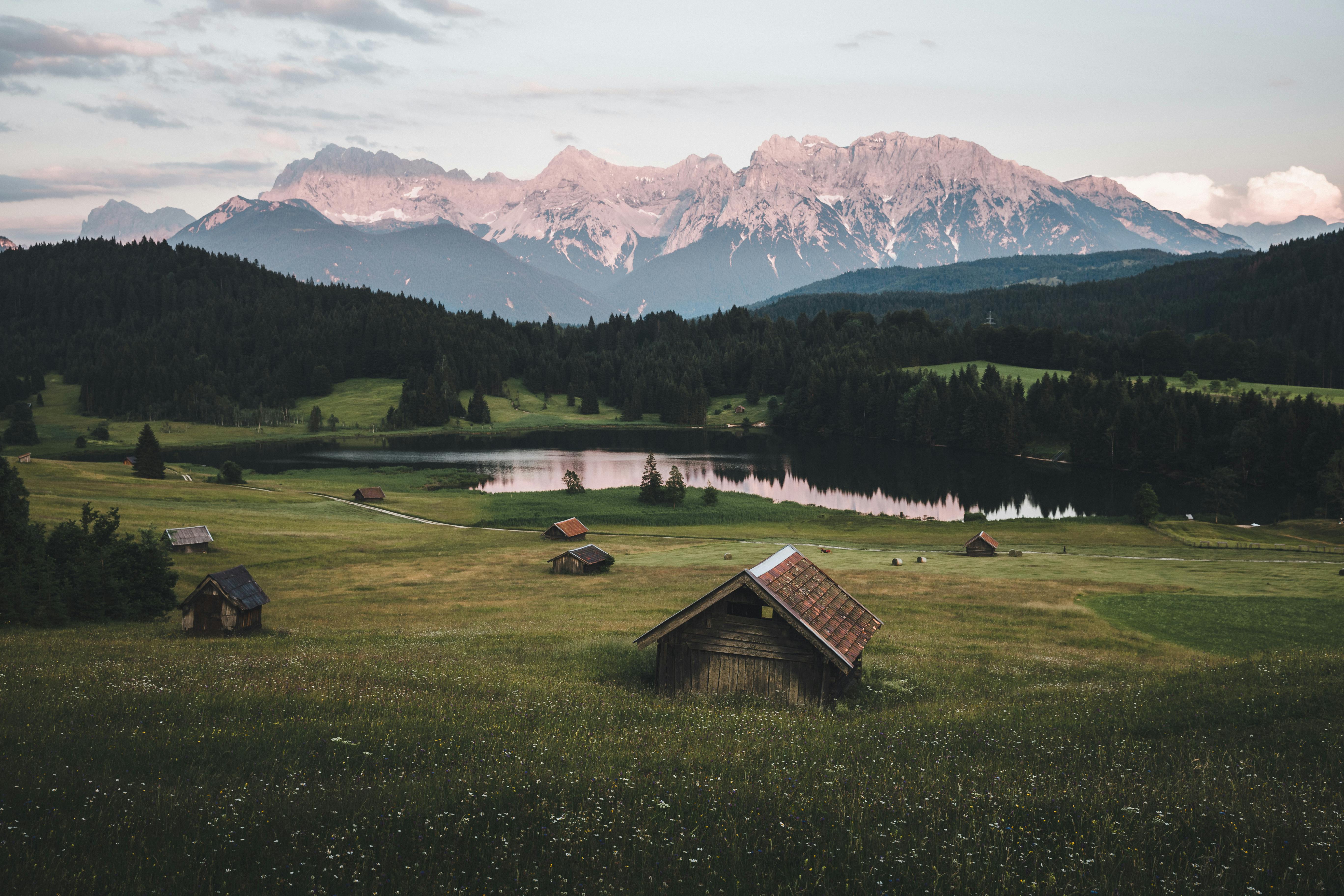
2. Any High Alpine Pass at Dusk: The way the last light catches the ridges, turning them pink while the valleys drown in blue shadow... no filter needed.
3. A Traditional *Mazot* (wooden granary): In the villages like Hauteville-Gondon. These tiny, ancient stone-and-wood structures on stilts are pure Savoie. Shoot them in the harsh midday light for great texture.
Where to Stay: From Rustic to Regal
Staying in a high mountain village costs more. It's also worth every extra euro. Waking up to that view, with first tracks on the trail or slope right outside? Priceless. Do the math on driving time versus dollars.
Mountain Villages & Resorts ($$-$$$$)
Val d'Isère/Tignes: For the serious skier or summer hiker. Modern, efficient, but can feel a bit soulless in the off-season. Book ski-in/ski-out apartments *way* in advance.
Peisey-Vallandry: My personal favorite for a quieter, more authentic vibe. It's linked to the huge Les 3 Vallées ski area but feels like a real village. Charming wooden chalets, great restaurants. Rustic here means character, not inconvenience.
Refuges & Gîtes ($-$$)
This is the real Alpine experience. A refuge is a mountain hut, often only accessible on foot. Basic dormitory lodging, incredible communal dinners. Refuge du Plan du Lac in the Vanoise is a classic. You gotta book these early too, especially for the August peak. A gîte is a countryside B&B, often family-run. Cozy, affordable, and you get local tips you won't find anywhere else.
Gateway Towns
Bourg-Saint-Maurice: A working town at the foot of the mountains. Less picturesque, more practical. Great train access (the overnight sleeper from Paris!). Has all the supermarkets and gear shops you need.
Modane: Southern gateway to the Vanoise. Feels a bit rough around the edges, but it's genuine and the Italian influence means amazing coffee. Your money goes further here.
How to Get to Savoie: The Journey is Part of It
You're driving. Accept this. Public transport exists to get you *to* the region, but to explore its hidden corners, you need wheels. The mountain roads are part of the fun—just take your time.
By Air & The Drive In
Geneva Airport (GVA): About a 1.5 to 2.5 hour drive depending on your destination. The rental car queue can be hellish in winter. Book ahead. And get a car with snow tires in winter (often mandatory by law). An SUV isn't a bad idea for the peace of mind.
The Drive from Geneva: You'll take the A41 motorway. It's efficient, but the moment you exit towards your valley, the world changes. Narrower roads, switchbacks, stunning vistas. The last stretch to places like Bonneval-sur-Arc has no gas stations for miles. Fill up in Modane. Trust me on this.
Money, Passes & The Reservation Game
The bureaucracy nobody wants to deal with. Let's get it over with.
- Ski Passes: This is the big expense in winter. A 6-day pass for Les 3 Vallées can hit €350+. Book online early for discounts. Summer? Many lifts run for hikers and bikers at a fraction of the cost.
- Parking: In popular trailhead lots (like at Pralognan-la-Vanoise), it fills up by 9 AM in summer. Get there early or be prepared to pay for overflow parking farther away.
- Refuge Reservations: Do it months ahead for July/August. I'm serious. They use a system called Refuges.info or their own sites. A deposit is standard.
- Restaurants: In small villages, many places are closed Monday or Tuesday. And even open ones appreciate a reservation. The French plan their meals. You should too.
Packing Essentials: The Savoie Survival Kit
I overpacked my first time. Underpacked my second. Here's what you actually need, no matter the season.
The Clothing Philosophy
Layers. Layers. Layers. I don't care if it's July. A sunny 25°C (77°F) at the trailhead can become a windy, rainy 5°C (41°F) at the summit in an hour. A moisture-wicking base, a warm mid-layer like fleece, and a waterproof/windproof shell are the holy trinity. And a warm hat. Always a hat.
Footwear
Hiking: Sturdy, broken-in boots with good ankle support. The trails are rocky and uneven. Trail runners might cut it for easy valley walks, but for anything serious, you need boots.
Winter: Insulated, waterproof boots with good grip. The slush in resort parking lots is a foot-soaking menace.
The Non-Negotiables
Water Bottle & Snacks: The air is dry. You'll dehydrate fast. And there's nothing worse than being hangry on a mountainside with no café in sight. Pack nuts, chocolate, dried fruit.
Sunglasses & Sunscreen: The alpine sun is brutal. The reflection off snow or rock will fry you. I've gotten my worst sunburn ever here, in October.
A Physical Map & Charger: Phone service is patchy in the valleys and non-existent up high. Download offline maps (Google Maps, AllTrails), but bring a paper IGN map as backup. A portable battery pack is a lifesaver.
Accessibility Information
Not every mountain path is accessible, obviously. But the region is getting better. Many resorts have summer lifts that can take those with limited mobility up to stunning viewpoints. The tourist trains (like La Mure) are accessible. And towns like Chambéry have made efforts in their historic centers. Your best bet? Contact the specific resort or tourist office (Office de Tourisme) you're planning to visit. They'll have the most current, detailed info.
Sample Itineraries: A Taste of the Alps
These assume you have a car and are based in one or two spots. Savoie is best enjoyed slow.
3-Day Winter Blitz
Day 1: Arrive in Bourg-Saint-Maurice, take the funicular up to Les Arcs for afternoon skiing. Apres-ski in a slope-side bar. Sleep in Bourg or a nearby village.
Day 2: Full day exploring the Espace Killy (Val d'Isère/Tignes). Don't try to ski it all. Pick a sector. Reward yourself with a long, cheesy fondue dinner.
Day 3: Morning ski tour or dog-sledding experience. Afternoon visit to a cheese dairy in the valley before driving back to Geneva.
5-Day Summer Immersion
Day 1-2: Base in Pralognan-la-Vanoise. Hike to the Lac du Chervil (easy) and spend a full day on a longer hike into the Vanoise heart, looking for wildlife.
Day 3: Drive the Iseran pass (if open). Picnic at the top. Descend into Bonneval-sur-Arc, one of France's most beautiful villages. Wander, soak it in.
Day 4: Move base to the Tarentaise valley. Take the summer luge or scenic lift at Les Arcs. Visit the Baroque churches in the surrounding villages.
Day 5: Gentle morning hike or visit to a market in Albertville. Long, leisurely lunch before beginning your journey out.
Family-Friendly Tips
Kids can love this place. Or hate it. Depends on preparation. The key is variety and bribery (ice cream works in any language).
Resort Villages: They're built for families. Look for places with swimming pools (many hotels have them), easy green/blue ski runs, and organized kids' clubs in winter and summer.
Animal Parks: The Parc de Merlet near Chamonix (just over the border) lets kids see ibex and chamois up close in a semi-wild setting. Huge hit.
Short, Sweet Hikes: Pick trails with a clear goal: a waterfall, a lake to throw stones in, a *refuge* that sells hot chocolate. The "Col de la Madeleine" hike from Le Corbier is a gentle ridge walk with endless views that kept our kids engaged.
Rules, Safety & Leave No Trace
This section matters. The mountains are not a theme park. Read it.
Mountain Safety
Weather: It changes fast. If clouds are building, turn around. Getting caught in a thunderstorm above the treeline is a recipe for disaster. Check the specific alpine forecast (météo montagne) every morning.
Hiking: Tell someone your plan. Stay on marked trails. The scree slopes and glaciers are dangerous for the unprepared. If you want to go high or onto glaciers, hire a guide. Worth every penny.
Avalanches: In winter, even if you're just skiing off-piste or snowshoeing, know the risk. Check the avalanche bulletin. Gear (beacon, probe, shovel) and knowledge are essential.
Leave No Trace
The alpine environment is fragile. One footprint off-trail in the high meadows can last for years. Pack out *all* your trash—including orange peels and toilet paper. Yes, really. Use designated bathrooms in villages and refuges. In the backcountry, dig a cat hole at least 15cm deep and 70 paces from any water source. It's not that hard. Just respect the place.
Nearby Attractions & Hidden Gems
Everyone heads to Chamonix or Annecy. Try these instead for a day trip.
The Forts of the Esseillon: South of Modane. Five huge 19th-century fortresses built into a cliff face to guard against Italy. You can walk between them, exploring tunnels and ramparts. Dramatic, historic, and surprisingly uncrowded.
Lac de Saint-André & the Château de Miolans: Near Albertville. A perfect combo. Walk around the serene lake, then climb up to the imposing castle/prison for views that stretch forever. Great for a half-day when you need a break from steep trails.
FAQ About Visiting Savoie
The questions I get asked most. Some obvious. Some not.
Do I need to speak French?
In resorts and tourist offices, you'll get by with English. In smaller villages and *gîtes*, a few key phrases ("bonjour," "merci," "une table pour deux, s'il vous plaît") go a very, very long way. It's a sign of respect.
Is it really that much cheaper than the Swiss Alps?
For dining and lodging, generally yes. It can still be pricey in top resorts, but overall, your euro stretches further, especially in the valleys and smaller villages.
Can I drink the tap water?
In towns and villages, absolutely. It's delicious mountain water. On the trail from a stream? Filter it. Giardia isn't a souvenir you want.
What's the deal with fondue etiquette?
Don't lose your bread in the cheese. Legend says you have to buy a round of drinks or kiss everyone at the table. Mostly it's just messy fun. And white wine or tea is the recommended drink—it helps digest all that cheese.
I'm not a skier or hardcore hiker. Will I be bored?
No way. Scenic lifts, train rides, cultural visits, spa towns like Aix-les-Bains, wine tasting, incredible food tours, paragliding, via ferrata... the list is endless. It's about the mountain lifestyle, not just the extreme sports.
Is driving scary?
The mountain passes are winding but well-maintained. Take it slow, use the pull-outs to let locals pass, and don't drive in a snowstorm if you're not experienced. In winter, chains or snow tires are a legal must. It's part of the adventure, not a nightmare.
Final Thoughts
Savoie isn't a checklist. It's not just ticking off ski runs or summits. It's the smell of pine and cold air when you step out of your car. It's the weight of a wedge of Tomme de Savoie in your hand at the market. It's the sound of cowbells drifting up from a distant pasture, a soundtrack to your hike.
It's the moment you finally sit down on a sun-warmed rock, legs tired, and look out at a sea of peaks—and feel completely, utterly small in the best possible way.
That moment? That's why you came.
Book your refuge bed early. Pack that extra layer. Learn to say "bonjour." And when you leave, don't be surprised if you find yourself looking at real estate listings on the drive back to the airport.
See you on the trail. Or better yet, at the *fromagerie*.


No comments:
Post a Comment