
Easter in Seminyak: Your Ultimate Guide to Balinese Spirit, Tropical Blooms, and Sacred Celebrations
Introduction: A Tapestry of Fire, Faith, and Frangipani
Imagine the scent of frangipani and incense weaving through the warm, velvet air. The rhythmic, hypnotic beat of a gamelan orchestra echoes from a temple courtyard, while down a chic, palm-lined street, laughter spills from a sun-drenched café serving artisanal coffee. This is Seminyak at Easter—a captivating paradox where ancient Balinese devotion and modern cosmopolitan energy perform a harmonious, unforgettable dance.
Easter in this corner of Bali is not about cherry blossoms in the traditional sense, but about a different kind of flowering. It's the blossoming of profound spiritual observance amidst a landscape of eternal summer. While the Northern Hemisphere welcomes spring, Seminyak offers its own seasonal magic: the tail end of the rainy season gifting the earth a deeper, more luminous green, sunsets that burn with a fiercer gold, and a unique cultural confluence where Christian Holy Week meets the ever-present Hindu rituals of the island.
This guide is your key to unlocking this extraordinary time. We will navigate the sun-drenched days and balmy nights, decoding the weather patterns of March and April. You'll discover where to witness solemn Easter processions and find lavish Sunday brunches. We'll map out the chicest boutiques and the most serene temple visits, providing itineraries that balance reverence with relaxation. We'll tackle the practicalities—crowds, costs, and crucial booking windows—so you can plan with confidence.
Prepare to be immersed. This is more than a holiday; it's an experience that engages every sense, a story waiting for you to step into its pages. Let's begin.
Is Easter a Good Time to Visit Seminyak?
For the traveler seeking a rich, culturally layered experience with near-perfect weather, the resounding answer is yes. Easter sits in a sweet spot—a transitional period that offers the best of Bali's climatic and social calendars. However, its popularity demands savvy planning.
- ✔ Pros: Exceptional weather with less humidity than peak summer. Lush, vibrant landscapes from recent rains. The unique opportunity to experience Christian Easter ceremonies within a predominantly Hindu culture. A vibrant, energetic atmosphere with a mix of international and domestic tourists. Generally less daily rainfall than earlier in the wet season.
- ❌ Cons: Peak international and domestic holiday period leading to higher flight and accommodation prices. Popular restaurants and beach clubs require advance reservations. Certain areas, like Seminyak Square and Petitenget, can be bustling. Limited last-minute availability for quality villas and hotels.
Seminyak Weather During Easter: The Golden Cusp
Easter weekend, floating between late March and April, perches on the glorious cusp of Bali's wet and dry seasons. The air is warm and forgiving, with average daytime temperatures hovering between 28°C to 32°C (82°F to 90°F). Nights are balmy, rarely dipping below 24°C (75°F).
The intense, daily downpours of December and January have usually passed. What remains are brief, dramatic afternoon showers that often last just an hour, leaving the air washed clean and smelling of wet earth and tropical blooms. These showers are not a deterrent but a spectacle—a sudden, roaring curtain of water that gives way to dazzling sunshine and, often, a breathtaking rainbow arching over the ocean.
Mornings are typically clear and bright, perfect for beach walks or temple explorations. The afternoons hold the heat and the potential for a cathartic rain shower, while evenings are consistently sublime—ideal for open-air dining under a canopy of stars. Packing is an exercise in lightweight preparedness: think breathable linens and cottons, a stylish rain jacket or compact umbrella, and always, a swimsuit at the ready.
Tropical Blooms & Seasonal Highlights
Forget the sakura; in Seminyak, Easter is heralded by a riot of tropical color. The rains have performed their alchemy, and the island is dressed in its most vibrant gown. Frangipani trees (Plumeria) are laden with their iconic, fragrant white and yellow flowers, which carpet pathways and float in ceremonial bowls. The fiery red of Hibiscus and the bold purple of Bougainvillea spill over garden walls and gateways.
For a concentrated dose of this botanical beauty, visit the Bali Botanic Garden (Kebun Raya Bali) in the Bedugul highlands, a rewarding day trip. Closer to Seminyak, the grounds of the Tanah Lot temple or the serene pathways of the Alas Kedaton monkey forest offer stunning natural backdrops. In Seminyak itself, simply wander the villa-lined lanes; landscaping is an art form here, and every corner reveals a new composition of heliconia, orchids, and fragrant gardenias.
The true "seasonal highlight," however, is the cultural flowering. Elaborate Hindu temple festivals (Odalan) occur according to the Balinese 210-day Pawukon calendar and can coincide with Easter, offering a chance to see spectacular processions and offerings. This juxtaposition of sacred celebrations—crosses and *penjor* (decorated bamboo poles)—is the most unique bloom of all.
Easter Events & Things to Do: A Sacred and Social Mosaic
The Easter period in Seminyak unfolds across two parallel tracks: the solemnly sacred and the delightfully social. On the sacred side, the Christian community, both expatriate and Balinese, observes Holy Week with deep reverence. You can attend Palm Sunday services, Good Friday solemn masses, and joyous Easter Sunday celebrations at churches like the St. Joseph Catholic Church in Denpasar or the Protestant Church in Bali (GPIB) in Renon. These services often feature beautiful choir music blending Western hymns with Balinese melodies.
On Easter Sunday, the social scene sparkles. Many of Seminyak's famed luxury hotels and beach clubs host spectacular Easter Brunch events. Imagine long tables laden with seafood, roast meats, and decadent pastries at places like Potato Head Beach Club, W Bali - Seminyak, or The Legian Seminyak. These often include elaborate egg hunts for children, live jazz, and poolside festivities.
Beyond the explicitly Easter-themed, immerse yourself in the local culture. Visit the Pura Petitenget temple during its evening prayers to feel the pulse of Balinese Hinduism. Explore the Seminyak Flea Market for unique finds. As the sun sets, claim a spot on the sand, sip a fresh coconut, and watch the sky perform its daily masterpiece of orange, pink, and purple behind the silhouette of surfers.
Crowd Levels & Costs: Navigating the Peak
Easter is unequivocally a peak season in Bali. It coincides with Australian school holidays and is a popular travel period for Europeans and Indonesians alike. Seminyak, as one of the island's most desirable addresses, feels this keenly. The beach walk, main dining strips on Jalan Kayu Aya (Eat Street) and Jalan Petitenget, and popular boutiques will be buzzing with energy and people.
This demand directly impacts costs. Hotel and villa rates can be 30-50% higher than during the low season (January-February, excluding Chinese New Year). A standard room in a 4-star Seminyak hotel during Easter week typically starts from $250-$400 per night, with luxury villas and 5-star properties commanding significantly more. Flight prices also surge. The golden rule is to book early.
Secure your flights at least 4-5 months in advance, and your accommodation 3-4 months ahead. While this period is expensive, the premium buys you near-guaranteed glorious weather and a fantastically vibrant atmosphere. For better deals with slightly higher rain risk, consider the weeks immediately preceding or following the Easter weekend.
Best Places to Visit in Seminyak During Easter
Beaches & Coastal Walks
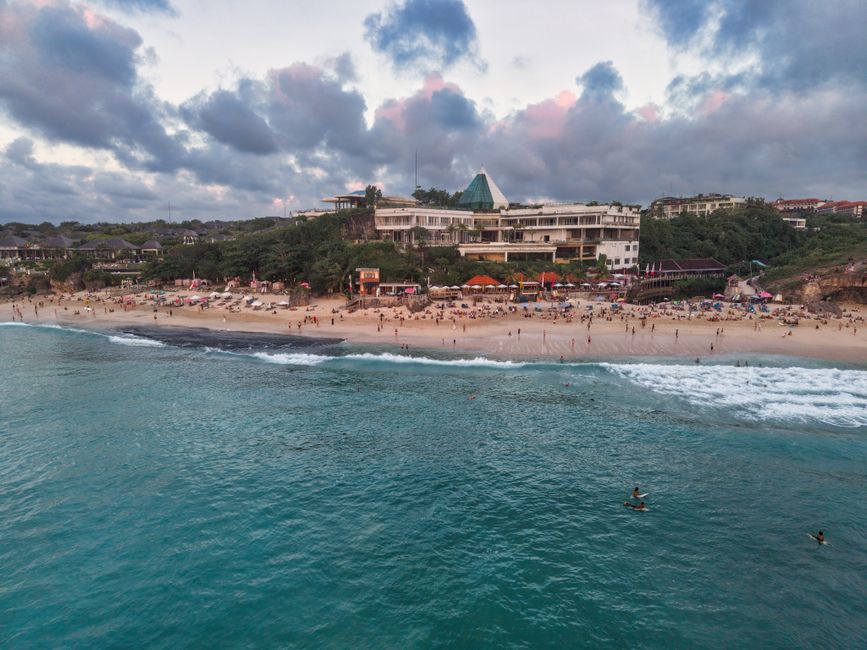
Seminyak Beach is the epicenter of chic relaxation. Easter mornings here are magical—join locals and visitors for a serene sunrise walk, the cool sand underfoot, before the sunbeds and umbrellas appear. The beachfront path connects Seminyak to Petitenget Beach and Batu Belig Beach, perfect for a long, contemplative stroll. As sunset approaches, the beach transforms into a social gallery for the famous Balinese sunset.
Cultural & Spiritual Spots
Pura Petitenget is a must-visit. This important sea temple is central to Seminyak's spiritual identity. Witnessing the daily offerings and ceremonies here provides a profound sense of place. For Easter services, the Chapel at the Bali International School in nearby Kerobokan or the St. Francis Xavier Catholic Church in Denpasar welcome visitors. Remember to dress modestly—cover shoulders and knees—when entering any temple or church.
Shopping & Lifestyle Districts
Seminyak is a shopper's paradise. For high-end fashion and homewares, explore the boutiques along Jalan Kayu Aya and Jalan Petitenget. The Seminyak Village and Bali Deli complex offer air-conditioned respite and gourmet treats. For unique, boho-chic finds, head to the Love Anchor Market in Canggu or the Seminyak Flea Market. Many stores feature special Easter or spring collections during this time.
Day Trips: Beyond the Chic Streets
Escape the coastal buzz with a day trip to the Ubud region. The terraced rice fields at Tegalalang are emerald green, and the spiritual atmosphere of the Monkey Forest or the Tirta Empul water temple offers a powerful contrast. Alternatively, head to the Uluwatu clifftops to visit the majestic temple and watch the Kecak fire dance at sunset, or explore the quieter, artistic streets of Sanur.
Suggested 5-Day Easter Itinerary
Day 1: Arrival & Immersion. Settle into your villa or hotel. Take an evening stroll along Seminyak Beach for your first legendary sunset. Dine at a warung for authentic local flavors like nasi campur.
Day 2: Culture & Chic. Morning visit to Pura Petitenget. Afternoon exploring the boutiques of Jalan Kayu Aya. Book a late-afternoon massage at a day spa. Enjoy a sophisticated dinner at one of Seminyak's fine-dining establishments.
Day 3: Ubud Highlands Escape. Full-day trip to Ubud. Visit the Tegallalang Rice Terraces, the Sacred Monkey Forest, and a coffee plantation. Experience the cultural heart of Bali before returning to Seminyak for a relaxed evening.
Day 4: Easter Sunday Celebration. Attend a sunrise Easter service or a luxurious hotel brunch with an egg hunt. Spend the afternoon poolside or at a beach club like Potato Head. Reflect on the journey over a special farewell dinner.
Day 5: Lasting Impressions & Departure. Final morning for souvenir shopping at the Love Anchor Market or a last dip in the ocean. Enjoy a leisurely lunch before preparing for your airport transfer, carrying the scent of frangipani and the rhythm of the gamelan with you.
Travel Tips for Easter in Seminyak
Book Early: This cannot be overstated. Secure flights 4-5 months out and accommodation 3-4 months in advance, especially for villas and top-rated hotels.
Transport Navigation: Traffic in Seminyak can be heavy. Use ride-hailing apps like Grab or Gojek for short trips (designated pickup points apply in some areas). For day trips, hire a private driver for the day—it's affordable and stress-free.
Cultural Etiquette: Dress modestly when visiting temples and churches (sarongs and sashes are often provided or available to rent). During religious processions, observe quietly from a respectful distance. Always receive and give with your right hand.
Local Phrases: While English is widely spoken, a little Bahasa Indonesia goes far. "Selamat Pagi" (Good morning), "Terima kasih" (Thank you), and for Easter, "Selamat Hari Paskah" (Happy Easter).
Where to Stay: Finding Your Perfect Base
Central Seminyak (Jalan Kayu Aya/Laksmana): The epicenter of action. Steps from the best restaurants, cafes, and boutiques. Perfect for foodies and shoppers who want to be in the heart of it all. Expect some noise and vibrant street life. Best for: First-time visitors, social butterflies.
Petitenget Area: A more spread-out, upscale neighborhood. Home to luxury resorts (W Bali, The Legian), high-end dining, and chic beach clubs like Potato Head. Offers a blend of serenity and sophistication, with easy beach access. Best for: Luxury seekers, couples, longer stays.
North Seminyak / Berawa Border: Transitioning into the Canggu vibe. This area offers a hipper, more relaxed atmosphere with great cafes, yoga studios, and a mix of villas and boutique hotels. Slightly more affordable than core Seminyak. Best for: Younger travelers, digital nomads, those wanting a trendier scene.
Quiet Villa Lanes (Off Jalan Drupadi): A network of quiet lanes filled with private villas. Offers peace, privacy, and often your own pool, while still being just a short scooter or taxi ride from the main strips. Best for: Families, groups, honeymooners seeking privacy.
What to Pack: The Easter Essentials
Your suitcase should be a capsule of lightweight, versatile preparedness. Pack breathable natural fabrics: linen shirts, cotton dresses, lightweight trousers. Include a stylish cover-up for the beach that doubles as temple attire. A compact umbrella and a lightweight, packable rain jacket are essential for the occasional tropical shower.
Comfortable walking sandals are non-negotiable for exploring, along with a dressier pair for evenings. For church services, ensure you have modest clothing that covers shoulders and knees. Don't forget a high-SPF, reef-safe sunscreen, a wide-brimmed hat, and sunglasses. A reusable water bottle is eco-smart, and a small backpack is perfect for day trips.
Pros & Cons Summary
👍 Pros:
• Idyllic, warm weather with lower humidity.
• Lush, green landscapes and vibrant tropical flowers.
• Unique cultural experience blending Easter and Balinese Hindu traditions.
• Vibrant, festive atmosphere with world-class dining and events.
• Lower chance of prolonged rain compared to earlier wet season months.
👎 Cons:
• Peak season crowds at popular sites and beaches.
• Significantly higher prices for flights and accommodation.
• Need to book restaurants and activities well in advance.
• Occasional brief but heavy afternoon showers.
• Busier traffic in and around Seminyak.
Final Verdict: Should You Visit Seminyak at Easter?
Visiting Seminyak at Easter is a resounding yes for the traveler who prioritizes phenomenal weather, cultural depth, and energetic sophistication over budget constraints and solitude. Couples will find romantic sunsets and exquisite dining. Families can enjoy kid-friendly brunches and beach time. Solo adventurers and groups of friends will thrive in the social, vibrant scene.
However, if you are on a very tight budget, crave empty beaches, or prefer spontaneous travel without advance bookings, you may find the Easter period challenging. Consider the shoulder months of May or late September for a similar climate with thinner crowds and lower prices.
For those who choose Easter, you are opting for Seminyak at its most potent—a place where prayer bells mingle with cocktail shakers, where the sacred and the stylish exist in breathtaking harmony. It is an invitation to a celebration that is both deeply personal and magnificently universal, set on an island that knows the true meaning of devotion. Your most memorable Balinese story begins here.
FAQ: Best Time to Visit Seminyak for Easter
1. Is Easter a busy time in Seminyak?
Yes, it is one of the peak tourist periods of the year. Seminyak will be vibrant and crowded, especially at popular beaches, restaurants, and attractions. Advance booking for everything is essential.
2. What's the weather like during Holy Week?
Typically excellent. Expect warm, sunny days (28-32°C) with high humidity. Brief, heavy afternoon showers are possible but usually pass quickly, leaving clear skies. Evenings are balmy and pleasant.
3. Are there Easter egg hunts for kids?
Absolutely. Many luxury hotels and resorts like The Legian, W Bali, and Intercontinental Bali host elaborate Easter Sunday brunches with organized egg hunts, kids' clubs activities, and entertainment.
4. When should I book flights to get the best price?
For the best fares and availability, book international flights to Bali at least 4-5 months before Easter. Prices only increase as the date approaches due to high demand.
5. Can I see cherry blossoms during Easter?
No, cherry blossoms are not native to Bali's tropical climate. Instead, you'll be treated to a stunning display of tropical flowers like frangipani, hibiscus, bougainvillea, and orchids at their most vibrant.
6. What do locals do to celebrate Easter?
Balinese Christians attend special church services throughout Holy Week. The wider community continues daily Hindu rituals. Many Balinese also enjoy the festive atmosphere, with families gathering for meals. The international community partakes in brunches and beach club events.
7. Is it expensive to travel during Easter week?
Yes, it is a premium period. You can expect to pay peak-season rates for flights (often 20-40% more) and accommodation (30-50% more than low season). Dining and activities are standard price, but require reservations.


No comments:
Post a Comment