
The Cotswolds, England: Quintessential Countryside: The Ultimate Visitor's Guide 2026 | Tips, Trails & Things to Know
Why Visit The Cotswolds in 2026?
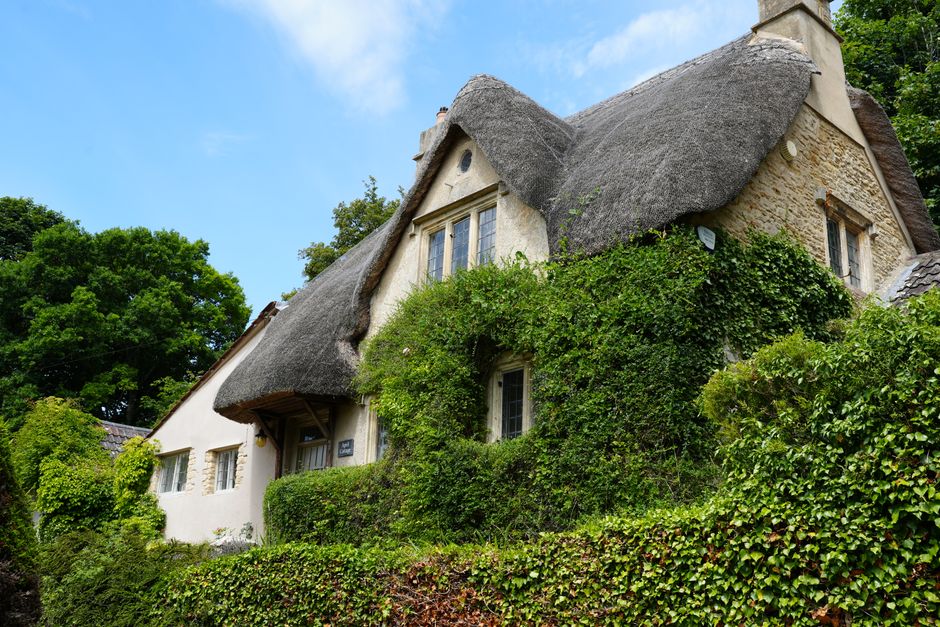
Look, I know you've seen the pictures. Rolling hills, honey-colored villages, and cream tea spots. But honestly? The photos don't do it justice. The Cotswolds is a designated Area of Outstanding Natural Beauty—a fancy way of saying it's a 800-square-mile chunk of England that looks like it was painted by a gentle, slightly sentimental artist. It's not a single park with a gate; it's a living, breathing region where storybook England feels real. And in 2026, with everyone chasing "slow travel" and real-world charm over digital noise, this place is gonna be more relevant than ever.
Truth is, you come here to slow down. To walk footpaths worn by sheep and shepherds for centuries. To see villages built from that warm, golden limestone that seems to glow from within when the sun hits it just right. It's a feeling, more than a checklist. This guide is here to help you find that feeling. We're gonna cover when to go, where to wander, how to avoid the tour buses, and where to find the scone that will ruin all other scones for you. I've learned a few things the hard way—like where *not* to park—so you don't have to.
At a Glance: The Cotswolds Quick Facts
The boring stuff first—because you'll need it to plan. But even the facts here are kinda lovely.
- Designated: 1966 | Size: Roughly 800 square miles — That's bigger than Greater London, but filled with sheep instead of skyscrapers.
- Annual Visitors: Millions, honestly — Sounds overwhelming, but they cluster in maybe five villages. Escape is easy.
- Elevation Range: From river valleys to about 330m (1,083 ft) at Broadway Tower — Your ears won't pop, but your calves might notice.
- Entrance Fees: None — It's a working region, not a theme park. Your biggest cost is willpower in the antique shops.
- Camping: Dozens of sites, plus B&Bs, pubs, and luxury hotels — Book your bed early, especially for summer weekends. I'm serious.
- Pets Policy: Generally welcome on leads — But for heaven's sake, control them around livestock. Farmers have zero patience.
- Nearest Airports: Birmingham (BHX), Bristol (BRS), London Heathrow (LHR) — A rental car is your golden ticket. Public transport exists but it's... quaint. And slow.
- Gateway Towns: Moreton-in-Marsh, Cheltenham, Stroud, Burford — Burford is the classic postcard entry, Stroud has the cool farmer's market vibe.
Best Time to Visit The Cotswolds
If you can only come once, aim for late May or early September. Here's why I'm adamant about this: you get the long, gentle days, the flowers are still out, the crowds are manageable, and the light is that soft, honeyed gold that makes everything look like a dream.
Spring (March–May)
This is when the place wakes up. Daffodils line the lanes, lambs bounce in the fields, and the trees get that fuzzy green glow. Mornings are crisp—sometimes frosty—and by afternoon you're peeling off your jumper. The downside? April showers are real. And I mean, proper "where did my visibility go?" mizzle. Pack a proper waterproof, not just a fashion jacket.
Summer (June–August)
July and August feel like the whole world decided to have a picnic here. The villages, especially Bourton-on-the-Water and Bibury, get packed. Honestly, it can be a bit much. But the days are gloriously long, the pubs spill out into gardens, and everything is lush and green. Fair warning: book *everything*. And I mean your lunch table, your parking spot, your patience.
Fall (September–November)
This is it. The sweet spot. The harvest is in, the hedgerows are bursting with blackberries, and the stone cottages look even warmer against the turning leaves. September is pure magic. You'll have many paths almost to yourself. By late October, the mist hangs in the valleys in the morning, looking like something from a Sherlock Holmes story. It's damp, but stunning.
Winter (December–February)
Quiet. Beautifully, starkly quiet. Some smaller tearooms and shops close for a few weeks in January. But if you catch a frosty morning, with the sun low and the fields crisp? Unforgettable. Just don't expect vibrant gardens. And check your accommodation has a real fireplace. It makes all the difference.
Shoulder Season Secret: That first week of June, before the schools break up, or the last week of September. The weather's usually holding, the light is perfect for photos, and you can actually find a parking space in Stow-on-the-Wold. I've done this three times. Never disappointed.
Top Things to Do in The Cotswolds
Everyone asks what they can't miss. The real question is: do you wanna follow the crowds or find your own corner? Because both are possible here.
Iconic Scenic Drives
The A429 (Fosse Way): North-south spine, practical but pretty. It connects lots of the big-name villages. [Traffic backs up around Bourton-on-the-Water on a sunny Saturday. Go early or take the back lanes.]
The Back Lanes Around the Slaughters: No set route, just get lost. [This is where you find the views that make you pull over and just stare. Narrow roads, high hedges, sudden vistas. Use a paper map—phone signal dies here, and that's the point.]
Best Walking Trails
Don't let 'easy' fool you. Some of these paths are ancient and uneven. Good shoes are non-negotiable, even for a short stroll.
Easy: Bourton-on-the-Water to Lower Slaughter — About 1.5 miles, flat. [It's the classic Cotswolds amble. You follow the River Windrush, past impossibly pretty cottages. Gets busy, so go in the morning.]
Easy: Broadway Tower Circular — 2.5 miles, gentle slope. [The payoff is the view from the tower itself—you can see about a dozen counties on a clear day. The deer park around it is a bonus.]
Moderate: The Cotswold Way from Broadway to Chipping Campden — 6 miles, some rolling hills. [This is a proper stretch of the long-distance path. You'll get fields, woods, and that amazing approach into Campden past its historic almshouses. The thigh-burn is worth it.]
Moderate: Painswick Beacon and the Rococo Garden — 4 mile loop. [Starts with a bit of a climb to an Iron Age hillfort with killer views, then drops you into the whimsical, hidden Rococo Garden. Two different worlds in one walk.]
Strenuous (by Cotswolds standards): Cleeve Hill Common — Various loops, up to 6 miles. [This is the highest point in the Cotswolds. It feels wild and open, more like moorland. The wind whips across here, but the views over Cheltenham and the Vale of Evesham are epic.]
Village Hopping Hotspots
Dawn and dusk. Always. That's when the tour coaches have gone and the light is soft. Midday in Bibury? You're just gonna be photographing the backs of other people's heads.
For the Classic Shot: Arlington Row in Bibury. [It's famous for a reason. It's also tiny. Be respectful—people live there. Get your photo, then explore the rest of the village.]
For Getting Lost: Painswick. [Less manicured, more real. The churchyard with its 99 yew trees is spooky and amazing. The locals in the pub actually talk to each other.]
For Antiques & Atmosphere: Stow-on-the-Wold. [The market square feels monumental. Dozens of antique shops. The door of St Edward's Church, framed by ancient yews, is a pilgrimage site for a certain fantasy fandom. You'll know it when you see it.]
Local Life & Culture
These are gold. Seriously. A farm shop tells you more about the place than any museum.
Farmers' Markets: Stroud on Saturdays is legendary. [It's a proper, bustling, foodie heaven. The cheese stall alone is worth the trip.]
Garden Visits: Hidcote Manor or Kiftsgate Court. [Arts & Crafts gardens that feel like outdoor rooms. Go in June for the roses at Kiftsgate—they're insane.]
Photography Hotspots
Everyone shoots Arlington Row. It's stunning. It's also crowded. Here's where else to point your lens...
1. Lavender Fields at Snowshill: [Best in July. The purple rows against the golden stone and green hills? No filter needed.]
2. The Street in Lower Slaughter: [Early morning. The mill pond is like glass, reflecting the cottages perfectly. Zero crowds if you're there before 9.]
3. Broadway High Street looking west: [Golden hour. The long, wide street slopes down, and the setting sun hits the buildings making them look like they're on fire.]
Where to Stay: Budget, Mid-Range, and Luxury
Here's the thing: staying in a village costs more. It's also worth more. Waking up to silence, having a pub a stumble away, that's the Cotswolds dream. Do the math on driving time versus dollars.
Inside the Villages: Pubs & B&Bs ($$-$$$)
A classic village pub with rooms: [Think The Swan in Bibury, The Porch House in Stow]. [Book 4-6 months out for summer. No joke. We tried for a last-minute October break and got nothing.]
A working farm B&B: [Scattered everywhere]. [Character: "Rustic" might mean sharing the yard with chickens. WiFi might be patchy. You'll get a breakfast that powers you till dinner.]
Camping & Glamping
Official Camping & Caravanning Club sites: [Like Moreton-in-Marsh]. [Well-kept, good facilities. Generators? Please don't. You'll ruin the peace for everyone.]
Shepherd's Huts & Pods: [All over the place now]. [Strategy: These book up fast for weekends. A Wednesday-to-Friday stay is often easier to get and more peaceful.]
Gateway Towns
Moreton-in-Marsh: [On the main train line]. [Practical and pretty. Good base if you're without a car, with lots of mid-range options.]
Cheltenham: [A Regency spa town]. [Alternative vibe: All the elegance and restaurants, but a 15-minute drive to the hills. Feels more like a city break with countryside on tap.]
How to Get to The Cotswolds
You're driving. Accept this. The train gets you to a few stations, but to really explore those hidden lanes and car parks (which are often just fields), you need wheels.
By Air & Rail
Birmingham Airport (BHX): About an hour's drive to the north. [Rental car reality: Get a small one. The lanes are narrow. A Range Rover is just gonna get scratched.]
By Train: Direct services from London Paddington to Moreton-in-Marsh or Kingham. [Takes about 1.5 hours. It's a lovely ride. But then you'll need taxis or buses, which exist but require military-level planning.]
The Drive In
From London (M40/A40): About 2 hours. [The last bit on the A40 through the Evenlode Valley is when you know you've arrived. It just feels different.]
From Bristol (M4/A46): About 1 hour. [You come in near Bath, which is a whole other beautiful can of worms. Could easily combine a trip.]
Entrance Fees, Passes & Reservations
The bureaucracy nobody wants to deal with. Let's get it over with. Honestly, it's pretty simple here.
- Vehicle entry: Nada. Zilch. — It's free to enter the region. Your costs are parking, which is usually a few quid for a few hours in village car parks.
- National Trust/English Heritage: If you're a member, bring your card! — [Saves a fortune on parking and entry to houses like Hidcote or Snowshill Manor. Worth it if you're doing more than a couple.]
- Reservations: For popular restaurants and some specific attractions (like the model village in Bourton). — [Book lunch a day or two ahead in summer. Dinner? A week isn't crazy. I've learned this the hard way.]
Packing Essentials & Gear Recommendations
I overpacked my first time. Underpacked my second. Here's what you actually need for a place where the weather can do four seasons in an afternoon.
Clothing Strategy
Layers aren't optional—they're survival. A morning in May can start at 5°C (41°F) and be a lovely 18°C (64°F) by lunch. That's not a typo. A waterproof jacket with a hood is your best friend. A warm jumper even in summer. And for god's sake, comfortable shoes with grip. The flagstone paths get slick in the rain.
Footwear
Strong opinion: Waterproof walking shoes or boots. Break them in before you arrive. Blisters on the Cotswold Way with three miles to the next village? Absolute misery.
The Non-Negotiables
A physical map or downloaded offline area: [Signal is patchy to non-existent in the valleys. An OS Maps app subscription is worth its weight in gold.]
Reusable water bottle & snacks: [You can go miles between tearooms on a walk. A flapjack in your pocket is a morale-saver.]
Cash: [Some farm shops and smaller car parks are cash-only. Don't get caught out.]
Accessibility Information
Not every footpath is accessible. The historic nature of the villages—cobbles, uneven pavements, steps—can be challenging. But more is possible than most assume.
Wheelchair-friendly paths: Some stretches of the Cotswold Way near Cheltenham are good. The grounds of many National Trust properties like Hidcote have accessible routes. [Call ahead. They'll give you the real scoop.]
Villages: Broadway has wide, flat pavements. Bourton-on-the-Water is largely level around the river. Stow's market square is okay, but the side streets are steep.
Sample 3-Day and 5-Day Itineraries
These assume you have a car and are staying somewhere central, like near Stow or Moreton. Adjust drive times if you're on the edges.
3-Day Highlights (First-Timers)
Day 1: Get your bearings. Hit Bourton-on-the-Water early, walk to Lower Slaughter. Afternoon in Stow-on-the-Wold for antiques and that famous church door. Dinner at a classic pub. [Pacing note: Don't try to do more than two villages in a day. You'll just be in the car.]
Day 2: Choose your adventure: either the gardens at Hidcote/Kiftsgate OR the wilder walks on Cleeve Hill. End the day in Broadway for a stroll up to the Tower for sunset views.
Day 3: Morning in a "real" town like Stroud for its Saturday market or Painswick for its churchyard. One last cream tea somewhere with a view before you head off.
5-Day Deep Dive
Days 1 & 2: As above, but slower. Add in Chipping Campden.
Day 3: Western edges. The village of Castle Combe (often called England's prettiest, though it's technically just outside the AONB), then the market town of Tetbury.
Day 4: A proper long walk on a section of the Cotswold Way, maybe Chipping Campden to Broadway. Reward with a pint at the end.
Day 5: Lazy morning, maybe a visit to a lesser-known spot like the wool church in Northleach or the wildflower meadows at the College Valley near Coln St Aldwyns.
Family-Friendly Tips
Kids can love this place. Or find it boring as hell. Depends on preparation. It's not a theme park.
Best kid-friendly attractions: The Model Village in Bourton, the Dragonfly Maze in Bourton, the Cotswold Farm Park (Adam Henson's place). [These are lifesavers on a rainy day.]
Best walks: Short ones with a payoff. The Bourton to Lower Slaughter walk ends at a village with an ice cream shop. The Slaughters to Bourton walk ends at a model village. See the pattern? Bribery works.
Rules, Safety & Leave No Trace
This section matters. The Cotswolds is people's home and workplace.
Countryside Code
[Specifics: "Shut gates. Don't climb dry stone walls—you'll damage them and they're art. Keep dogs on leads around livestock. Cows can be curious and dangerous."]
[Footpaths: "Stick to the rights of way. That field of crops is a farmer's livelihood, not a shortcut."]
Parking & Driving
Be considerate. Don't block gateways or narrow lanes. If a car park is full, it's full. Don't park on verges—you'll churn them up and look like a jerk.
Leave No Trace
Take your litter. All of it. Even apple cores. This isn't a wilderness, but it's precious. Support the local economy by buying from farm shops and village stores instead of bringing a supermarket shop from home.
Nearby Attractions & Hidden Gems
Everyone does the big villages. Try these instead when you need a break from the coach parties...
Northleach: [Off the main drag]. [Why it's missed: It's on a busy road junction, but the Market Square and the incredible "Cathedral of the Cotswolds" church are empty and stunning.]
Coln Valley villages (Coln St Aldwyns, Bibury, Quenington): [Drive the back road along the River Coln]. [Best for: A sense of peaceful, hidden-away England. Stop at the pub in Coln St Aldwyns—it's perfect.]
Stroud's Five Valleys: [Not a single village, but a network]. [Industrial heritage meets hippy culture. Amazing walks along old canals and up to rocky viewpoints like Selsley Common.]
FAQ About Visiting The Cotswolds
The questions I get asked most. Some obvious. Some not.
How many days do you need?
Three minimum. Five comfortable. Seven to truly unwind and explore properly. Less than two? You're just ticking boxes from a coach window.
Can you see it without a car?
Technically, yes. With trains to Moreton/Kingham and local buses (Pulhams Coaches are heroes), you can base yourself and do walks. But your freedom is severely limited. A car unlocks the real magic.
Is it just villages?
No! That's the biggest misconception. The villages are the jewels, but the setting is the rolling hills, the river valleys, the ancient woodlands, the wildflower meadows. You gotta get out and walk between places to see it.
Dog-friendly?
Very, in terms of accommodation and pubs. But responsibly, please. On leads around animals, and always pick up after them. The amount of bagged poop left on gates is frankly disgusting.
Closest airport?
Birmingham (BHX) is usually the quickest drive into the heart of it. Bristol (BRS) is good for the south. London Heathrow (LHR) is doable but a longer drive.
Reservations required?
For popular restaurants and specific lodgings, absolutely. For just turning up and exploring? No. But you might not get the cream tea you had your heart set on.
When does it "close"?
It doesn't. But many smaller attractions, tearooms, and some shops close on Mondays, and often from late December to early February. Always check ahead outside peak season.
Is it expensive?
It can be. Boutique hotels and fine dining pubs are pricey. But a B&B, a picnic from a farm shop, and free walks can make it very reasonable. Your budget is your choice.
Best month?
Late May or September. I've tried them all. June is lovely but busy, October can be muddy but beautiful. May and September have that perfect balance.
What's a "cream tea" and where's the best?
A pot of tea, scones, clotted cream, and jam. The eternal debate: cream first or jam first? In Devon, cream first; in Cornwall, jam first. Here, do what you like. Best spot? Honestly, often the most unassuming village hall tearoom. But the one at the Lavender Barn near Snowshill in summer is an experience.
Final Thoughts
The Cotswolds isn't a checklist. It's not Instagram posts or passport stamps. It's the moment you crest a hill on a quiet footpath and see a valley laid out below, dotted with those golden houses, and the only sound is the wind and sheep.
That moment? It's why you came.
Book your bed early. Pack a waterproof. Wear good shoes. Talk to a local in the pub. And when you leave—because you have to leave—don't be surprised if you find yourself looking at real estate websites, dreaming of a stone cottage with a wood burner.
See you on the path.


No comments:
Post a Comment