
The Cotswolds, England: Quintessential Countryside: The Ultimate Visitor's Guide 2026 | Tips, Trails & Things to Know
Why Visit The Cotswolds in 2026?
Look, I know everyone says this about every place, but the Cotswolds are different. It's not a single park you drive through; it's a feeling that seeps into you. A thousand square miles of rolling hills and valleys in the heart of England, stitched together by dry-stone walls and dotted with villages that look like they've been dipped in honey and sunshine. Honestly, it's the definition of the English countryside, and in 2026, with everyone chasing "slow travel" and real-world charm over digital noise, this place is gonna be more relevant than ever. It's an Area of Outstanding Natural Beauty—a title that undersells it, frankly. You come here not for one epic vista, but for a thousand quiet ones: the crunch of gravel underfoot, the smell of rain on warm limestone, the clink of china in a hidden garden. This guide is gonna cut through the twee postcards and give you the real stuff. We're talking when to come to avoid the coach tours, where to find a cream tea that's worth the calories, and how to wander those famous villages without feeling like you're just part of the crowd. Buckle up.
At a Glance: The Cotswolds Quick Facts
The boring stuff first—because you'll need it to plan. But let's keep it human.
- Designated: 1966 as an AONB | Size: Roughly 800 square miles — That's bigger than Greater London, but filled with sheep, not people.
- Annual Visitors: Estimates are fuzzy, but millions — Sounds like a lot, but spread across dozens of villages and endless footpaths, you can find solitude if you know where to look.
- Elevation Range: From river valleys around 200ft to breezy hilltops just over 1,000ft — Your lungs won't notice, but your calves might on those hills.
- Entrance Fees: None — It's not that kind of place. It's a living, working landscape. Your costs are parking, cream teas, and willpower in the antique shops.
- Staying Over: Hundreds of B&Bs, pubs with rooms, and holiday cottages — Book early. Like, for a summer 2026 trip, start looking winter 2025. I'm serious.
- Pets Policy: Generally welcome on leads — But for heaven's sake, clean up after them. Farmers and other walkers will thank you.
- Nearest Major Airports: Birmingham (BHX), Bristol (BRS), London Heathrow (LHR) — A rental car is basically mandatory. Public transport exists but it turns a 20-minute drive into a 2-hour saga.
- Gateway Towns: Moreton-in-Marsh, Stow-on-the-Wold, Cirencester — Moreton has the train station, Stow has the character (and the crowds), Cirencester has the Roman history and better food options, in my opinion.
Best Time to Visit The Cotswolds
If you can only come once, come in late May or early June. Here's why I'm adamant about this: the days are long, the lambs are still silly in the fields, the gardens are exploding, and the summer holiday crowds haven't fully descended. The light has that golden quality that makes the stone glow. It's magic.
Spring (March–May)
This is awakening time. Daffodils line the lanes, then bluebells create a hazy purple carpet in the woods. Mornings are crisp—sometimes frosty—and by afternoon you're peeling off your jumper. The downside? Truth is, it can be muddy. Seriously muddy. Your nice white trainers will be a lost cause. And some gardens and attractions don't open until Easter. Check before you make a special trip.
Summer (June–August)
July and August feel like the whole world decided to have a picnic here. The villages, especially Bourton-on-the-Water and Bibury, are packed. Honestly, it can be overwhelming. That said, the weather is (usually) warmer, the pubs spill out into sunny courtyards, and everything is open. Afternoon showers can roll in fast, though. Always have a light coat. The long evenings are absolutely glorious for a post-dinner stroll.
Fall (September–November)
This is the sweet spot for many. The light turns softer, slanting across the fields in a way that photographers dream about. The crowds thin out dramatically after the schools go back. You'll find better deals on accommodation and you can actually get a table at that famous tea room. By late October, the trees are turning and there's a smoky smell in the air. It's perfect walking weather. Just be ready for some places to start reducing their hours.
Winter (December–February)
Quiet. Beautifully, starkly quiet. The hills can look moody under grey skies, and when frost clings to the stone walls, it's something special. Christmas markets in towns like Bath and Cheltenham add cheer. But fair warning: many smaller attractions, tearooms, and even some pubs close for a few weeks in January. It's a time for cozy fireside pints, not for ticking off a sightseeing list. And the days are very short.
Shoulder Season Secret: Late September. I've done this three times. The summer visitors have gone, the autumn colour is just starting to hint, the walking is sublime, and you can get a last-minute booking at that impossible-to-book restaurant. Never disappointed.
Top Things to Do in The Cotswolds
Everyone asks what they can't miss. The real question is: do you wanna be a checklist tourist or do you wanna feel the place? Because just driving from village to village misses the point entirely.
Iconic Scenic Drives
The A429 (Fosse Way): More of a practical route than a scenic loop, but it strings together key towns like Stow and Moreton. Use it to get around, not to sightsee. The real beauty is down the turn-offs.
The Backroads from Bourton to the Slaughters: Don't even think about parking in Bourton if it's past 10 AM. Instead, park at Upper Slaughter (often quieter) and walk. The road between the villages is narrow, lined with impossibly grand houses, and follows the River Eye. It's a postcard that moves.
Best Walking Trails
This is the heart of the Cotswolds experience. You haven't been here if you haven't gotten mud on your boots. Don't let 'easy' fool you—the hills are sneaky.
Easy & Iconic: The Walk from Upper to Lower Slaughter — About 1 mile round trip. It's flat, follows the river, and ends at a mill with a pretty bridge. Perfect for stretching your legs and getting that classic photo without a marathon hike.
Easy & Secret: Bibury to Coln St Aldwyns — 2.5 miles one way. Everyone crowds around Arlington Row in Bibury. Walk 10 minutes along the River Coln and the crowds vanish. You'll have herons and meadows to yourself. Trust me on this.
Moderate & Rewarding: Broadway Tower Circular — 4-5 miles. You start in the picture-perfect village of Broadway (parking is a nightmare, go early) and hike up to the folly tower on the Cotswold Escarpment. The views across the Severn Valley to Wales on a clear day... they make you put down your camera and just stare. The elevation gain sneaks up on you.
Moderate & Historical: Belas Knap & Cleeve Hill — Various loops. Walk from the neolithic tomb of Belas Knap up to the common land of Cleeve Hill. It feels ancient and wild up there, with golfers oddly sharing space with grazing sheep. The sense of space is incredible.
Strenuous & Epic: A section of the Cotswold Way — Pick a 7-10 mile chunk. The stretch from Painswick to Haresfield Beacon is a killer. Steep climbs through beech woods that feel like cathedral aisles, then emerging onto hillforts with 360-degree views. You'll feel it tomorrow. And you'll be glad you did it.
Village Hopping (The Smart Way)
Dawn and dusk. Always. Midday in Bourton-on-the-Water? You're just part of a slow-moving human river. Go early, before the coaches arrive, or late when the day-trippers have left. The light is better anyway. My strategy? Pick one "honey pot" village per day, see it at off-peak times, and spend the rest of the day walking to or exploring a quieter one.
Quintessential Experiences
These are gold. A cream tea isn't just a snack; it's a ritual. Find a garden tearoom, not a crowded main street one. The scones should be warm, the clotted cream thick and yellow, the jam fruity. I still dream about the one we had in a hidden garden in Chipping Campden last September.
And visit a proper wool church. The one in Northleach is less visited than others and has medieval brasses that show the wool merchants who paid for it all. It's quiet, cool, and humbling.
Photography Hotspots
Everyone shoots Arlington Row at sunrise. It's stunning. It's also crowded with tripods. Here's where else to go...
1. Snowshill Lavender Fields: Best in July. The rows of purple against the honey stone and green hills are surreal. Needs a polarizer to make the colours pop.
2. The Street in Castle Combe: Go on a drizzly morning. The wet cobbles reflect the stone houses, and it feels like you've stepped into a period film before the crew arrives.
3. Batsford Arboretum in autumn: When the trees turn, it's a riot of colour. The light filters through the leaves in a way that no camera can truly capture, but you'll try anyway.
Where to Stay: Budget, Mid-Range, and Luxury
Staying in a village costs more. It's also worth more. Do the math on driving time and parking frustration versus dollars. Waking up to silence, with the village just for you and the other residents, is the whole point.
Inside the Villages: Pubs & B&Bs ($$-$$$)
A classic Cotswold pub with rooms: Think low beams, log fires, and a great kitchen. Locations like The Swan in Southrop or The Wheatsheaf in Northleach. Book 6 months out for summer. I'm not exaggerating. We tried for a last-minute weekend in August once and got nothing.
A farmstay B&B: Often on the outskirts. You get peace, views, and a massive breakfast. "Rustic" might mean you can hear owls at night and sheep in the morning. Exactly what you came for, right?
Self-Catering Cottages
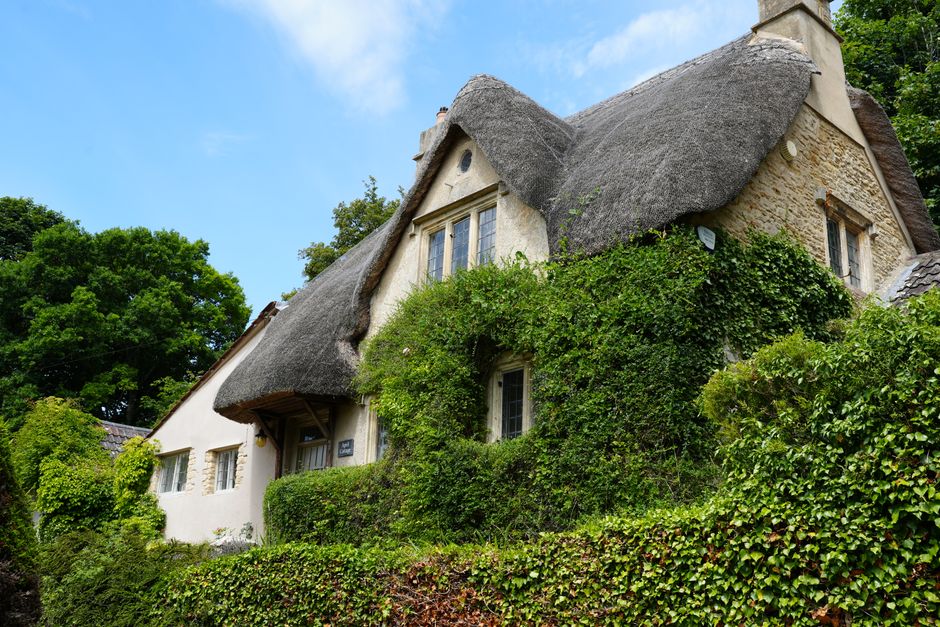
The ultimate Cotswolds experience if you're staying more than a couple nights. Having your own little stone hideaway is pure bliss. Agencies like Rural Retreats and Bolthole Retreats have good selections. Minimum stays are common, especially in peak season.
Gateway Towns
Moreton-in-Marsh: Has the train station and is well-located. Touristy but convenient. Good pubs and a decent market on Tuesdays.
Cirencester: "The Capital of the Cotswolds." More of a proper town with supermarkets, a wider range of restaurants, and Roman history. Locals actually live here. It's a great base if you want more amenities.
How to Get to The Cotswolds
You're driving. Accept this. The train gets you to a few stations like Moreton or Kemble, but to explore the lanes and hamlets, you need wheels. The road network is good, but the lanes are narrow. Be prepared to reverse into a hedge for a tractor.
By Air & The Drive In
From London Heathrow (LHR): About 1.5 to 2 hours drive. Take the M4 west, then head north. The rental car reality? Get a small car. Those lanes are tight. An SUV is just gonna stress you out.
From Birmingham (BHX): About an hour. Easier drive, often less traffic. You'll approach from the north, hitting Chipping Campden or Broadway first.
Bottom line: fill up before you get deep into the countryside. Petrol stations get fewer and farther between.
Costs, Passes & Reservations
The bureaucracy nobody wants to deal with. Let's get it over with. Good news: it's simple.
- Entry: Free. It's a region, not a theme park.
- Parking: This is your main cost. Village car parks run £2-4 for a few hours. Some are pay-and-display, some use apps. Have coins and/or your phone ready. Do not park on narrow verges or block gates. You will get a ticket or annoy a farmer.
- Attractions: Manor houses and gardens like Hidcote or Sudeley Castle have entry fees (£15-20). Often worth it for the gardens alone.
- Reservations: For popular restaurants and any accommodation in high season? Absolutely required. Don't just show up.
Packing Essentials & Gear Recommendations
I overpacked my first time. Underpacked my second. Here's what you actually need.
Clothing Strategy
Layers aren't optional—they're survival. A typical summer day can start at 12°C (54°F) and be 24°C (75°F) by afternoon. That's not a typo. A waterproof jacket is a must, even in August. The weather here changes its mind faster than you can say "cream tea."
Footwear
Strong opinion: waterproof walking shoes or boots with good grip. Not fashion trainers. The fields are muddy, the stone stiles are slippery, and the footpaths are uneven. Blisters with three miles to go back to the car? Misery.
The Non-Negotiables
Ordnance Survey Maps or a good app: Phone signal is patchy in the valleys. An OS map (Explorer OL45, OL54 are key) is your bible. Or download offline maps on AllTrails.
A reusable water bottle: Fill it up at your B&B. Tearooms are happy to refill it too.
A small backpack: For your layers, your water, and your purchases from the village shop.
Accessibility Information
Honest framing: The historic nature of the area—cobbles, steep hills, stiles—makes full accessibility a challenge. But more is possible than most assume.
Wheelchair-friendly spots: Some of the larger gardens like Westonbirt Arboretum have excellent paths. The main streets of larger towns like Cirencester and Cheltenham are manageable. Many pubs have ground-floor access but call ahead to check.
Mobility Scooters: Companies like Countryside Mobility hire out rugged scooters that can handle some off-road paths. A game-changer for many.
Sample 3-Day and 5-Day Itineraries
These assume you have a car and are staying centrally, maybe near Stow or Moreton. Adjust drive times if you're on the edges.
3-Day Highlights (First-Timers)
Day 1: The North. Morning in Chipping Campden (walk the High Street, see the market hall). Afternoon hike up to Dover's Hill for the view. Dinner in a pub in Blockley (quieter).
Day 2: The Classics & A Walk. Get to Bourton-on-the-Water by 8:30 AM. See it quiet. Then walk the path to Lower and Upper Slaughter (90 mins). Drive to Stow-on-the-Wold for late lunch and a poke around the square.
Day 3: History & Gardens. Visit Sudeley Castle near Winchcombe or the Roman Villa in Chedworth. Finish with a cream tea in a garden in Painswick. Departure buffer: Leave time for last-minute photos.
5-Day Deep Dive
Adds Day 4: A proper section of the Cotswold Way, maybe from Painswick to Haresfield Beacon. Reward with a pint at The Royal Oak in Prestbury.
Adds Day 5: Explore the "Secret" Cotswolds south of the A40. Villages like Coln St Aldwyns, Bibury (late afternoon), and the wool church in Northleach. It feels more authentic, less staged.
Family-Friendly Tips
Kids can love this place. Or be bored by it. Depends on preparation. It's not a theme park.
Best kid-friendly attractions: The Cotswold Farm Park (Adam Henson's place), the Dragonfly Maze in Bourton, or a steam railway like the Gloucestershire Warwickshire. Breaks up the village-viewing.
Walking: Keep it short with a payoff. The walk to a castle ruin, or along a river to find ducks. The Slaughters walk is perfect. Bring snacks. Always bring snacks.
Rules, Safety & Leave No Trace
This section matters. Read it. The Cotswolds are someone's home and workplace.
Countryside Code
Gates: If you open it, close it. If it's closed, leave it closed. Livestock management depends on this.
Footpaths: Stick to the rights of way. Don't trample crops or disturb animals. It's basic respect.
Dogs: On leads around livestock, always. And clean up. No one wants to step in it.
Safety
It's very safe. The main risks are weather-related (hypothermia if wet and cold on a hike) or tripping on a root. Let someone know your walking route. Phone signal isn't guaranteed.
Leave No Trace
Take your litter. All of it. Even apple cores. This isn't a wilderness, but it's precious. Support the local economy—buy from the village shop, eat at the pub. It keeps these places alive.
Nearby Attractions & Hidden Gems
Everyone does Oxford or Stratford-upon-Avon. Try these instead if you have an extra day...
Berkeley Castle: Southeast of the Cotswolds. A real, lived-in castle with terrifying dungeons and beautiful gardens. Feels more authentic than some others.
The Wye Valley & Forest of Dean: West, just over the border into Wales. More dramatic, wooded scenery and great hiking. Tintern Abbey will knock your socks off.
Malmesbury: A stunning hilltop abbey town that most Cotswold tours skip. The abbey gardens are a secret wonder. Best for an afternoon wander.
FAQ About Visiting The Cotswolds
The questions I get asked most. Some obvious. Some not.
How many days do you need?
Three minimum. Five comfortable. Seven to really unwind and do some proper walking. Less than two? You're just ticking boxes from a car window.
Can you see it without a car?
Technically, with trains and buses and taxis, yes. Should you? Only if you have unlimited time and patience. To see the essence, you need to get into the lanes. That means wheels.
Is it all just pretty villages?
No joke, that's the biggest misconception. The villages are the jewels, but the setting—the rolling hills, the walking paths, the working farms—is the velvet. You gotta experience both.
Dog-friendly?
Very, in terms of accommodation and pubs. But you must be a responsible owner. See "Rules" above. Not all footpaths are safe for off-lead dogs due to livestock.
Closest airport?
Birmingham is often the easiest. Bristol is good for the south side. London airports work but add drive time.
Reservations required?
For popular restaurants and any nice accommodation, absolutely, especially weekends and summer. Don't wing it.
When does it "close"?
It doesn't. But the experience changes drastically in winter. Many businesses reduce hours or shut for a period in January.
Is it expensive?
It can be. Boutique B&Bs and fine dining pubs aren't cheap. But you can save by self-catering, having picnics, and focusing on free walks and village views. Budget for parking and the occasional splurge on a cream tea.
Best month?
Late May or late September. I've tried them all. The light, the weather, the crowd levels... it just works.
Is the tap water safe?
Perfectly. And the local ales are even better.
Final Thoughts
The Cotswolds aren't a checklist. It's not about getting the shot of Arlington Row. It's the moment you're on a footpath, alone, with just the sound of skylarks and your own breath, looking across a valley where the stone houses look like they grew from the earth. That moment? That's why you came.
Book your favourite pub room six months ahead. Pack a waterproof. Wear good shoes. Start early. Stay for sunset. And when you leave—because you have to leave—don't be surprised if you find yourself online that evening, looking at cottage rentals for next year.
See you in the tea room.


No comments:
Post a Comment