
Easter in Yangon: Your Complete Guide to Cherry Blossoms, Holy Week, and Spring Magic
Introduction: A City Awash in Golden Light and Renewal
Imagine this: the last of the morning mist clings to the gilded spires of the Shwedagon Pagoda, burning away under a strengthening sun. The air, no longer heavy with tropical heat, carries a crisp, gentle warmth. It smells of damp earth, of frangipani blossoms, and of something else—something festive, expectant. This is Yangon in spring, a city poised on the cusp of transformation, and when Easter arrives, it weaves a unique and unforgettable spell.
Easter in Yangon is a beautiful confluence of worlds. The Christian celebration of resurrection finds a poignant home amidst the Buddhist majority, creating a tapestry of faith and festivity that is uniquely Burmese. Holy Week processions wind through colonial-era streets, their solemn chants mingling with the distant chime of temple bells. In the parks, the first flush of spring is on display, with trees bursting into vibrant life. For the traveler, it is a golden window—a time of near-perfect weather, cultural richness, and visual splendor.
This guide is your key to unlocking that magic. We will walk you through the sensory details: the feel of a cool marble floor in a centuries-old church, the taste of a spiced Easter bun from a street vendor, the sight of cherry blossoms (yes, they exist here!) framing a pagoda. You'll learn how to navigate the mild, unpredictable spring weather, where to find the most moving Easter services, and how to craft an itinerary that balances solemn reflection with the sheer joy of a city in bloom.
We will cover practicalities—crowds, costs, and packing lists—but always with an eye toward the experience. This is more than a trip; it's an immersion into a season of hope and beauty. By the end, you will not just know when to book your flight, but you will be able to hear the choir at the Holy Trinity Cathedral and feel the communal warmth of a shared Easter meal. Let us begin.
Is Easter a Good Time to Visit Yangon?
The short answer is a resounding yes, especially for travelers seeking a blend of pleasant climate, cultural depth, and natural beauty. Easter typically falls in late March or April, placing it squarely in Yangon's brief, glorious spring. This period offers a reprieve from the intense heat that follows and the heavy rains of monsoon season.
However, like any peak season, it comes with trade-offs. Here's a quick, honest breakdown:
- ✔ The Pros: Exceptionally mild and pleasant weather. The unique opportunity to witness and participate in Holy Week and Easter celebrations within a predominantly Buddhist culture. The chance to see seasonal blooms, including the elusive Burmese cherry blossoms (Padauk). A vibrant, festive energy in certain districts.
- ❌ The Cons: Higher prices for flights and accommodation, especially around Easter weekend. Increased tourist crowds at major sites like Shwedagon. The possibility of unpredictable, though usually brief, spring showers. Some local shops may close for the holiday.
For the culturally curious and those who cherish temperate weather, the pros overwhelmingly outweigh the cons. With some advance planning, you can secure a trip that feels both magical and manageable.
Yangon Weather During Easter: A Symphony of Gentle Transitions
Spring in Yangon is a fleeting, precious season. The oppressive humidity of summer has not yet descended, and the landscape feels refreshed. During the Easter period, average daytime temperatures hover between a very comfortable 30°C to 35°C (86°F to 95°F). Nights are cooler, often dropping to a pleasant 22°C to 25°C (72°F to 77°F), allowing for restful sleep.
The defining characteristic is not heat, but moisture. This is the tail end of the dry season, tipping into the pre-monsoon period. You can expect high humidity (around 70-80%) and the ever-present possibility of a sudden, dramatic downpour. These are not all-day affairs; they are intense, cathartic bursts that last an hour or two, leaving the city steam-kissed and smelling wonderfully of petrichor and blossoms.
What to Expect: Mornings dawn crisp and clear, perfect for early exploration. By midday, the sun is strong but not scorching. Afternoons may build with cumulus clouds, potentially culminating in a brief, heavy shower. Evenings are balmy and ideal for strolls. The light throughout the day is a photographer's dream—golden and soft.
Packing Tips: Think layers. Pack light, breathable cotton and linen for the day. Always carry a compact umbrella or a lightweight, packable raincoat. A light sweater or shawl is essential for cooler evenings and for covering shoulders when visiting religious sites. Sturdy, comfortable walking shoes that can handle sudden puddles are non-negotiable.
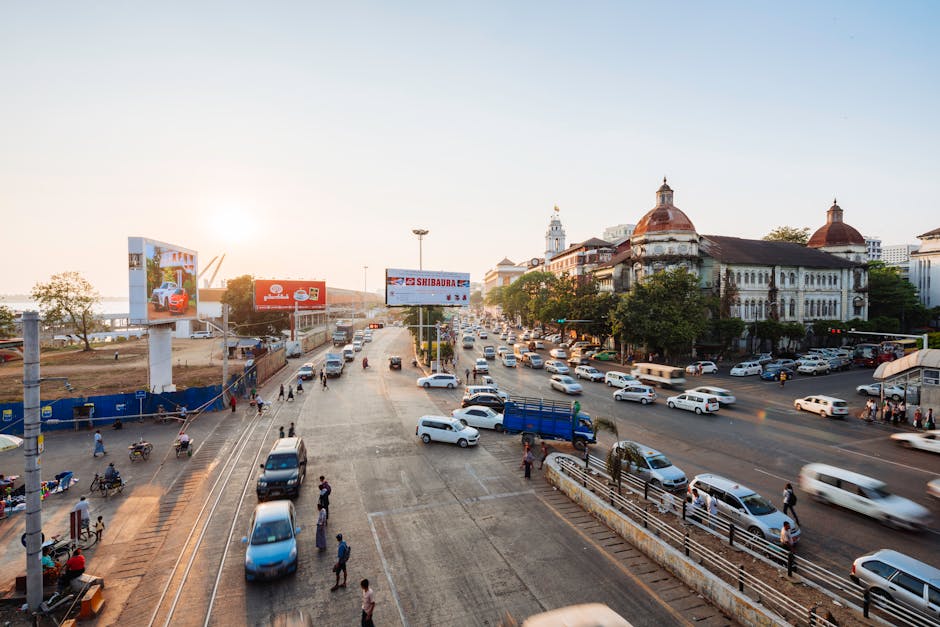
Cherry Blossoms & Seasonal Highlights: The Floral Crown of Spring
While Myanmar is not Japan, it boasts its own spectacular and symbolic spring bloom: the Padauk (Burmese cherry blossom). This is not the delicate pink sakura, but a robust, golden-yellow flower that bursts forth in glorious clusters. Its blooming is a national event, symbolizing the Thingyan (Burmese New Year) spirit of renewal and is often celebrated in poetry and song. Timing is everything; the Padauk typically blooms for just two weeks in mid-to-late April.
If Easter falls in late April, you may be in luck. For an early Easter in March, the Padauk may not yet be out, but other floral displays will be. The best viewing spots within Yangon are its large parks and the grounds of the University of Yangon, where mature trees create stunning golden canopies.
Best Viewing Spots: The Kandawgyi Park and People's Park are your best bets within the city. For a truly immersive experience, consider a day trip to the hill stations like Pyin Oo Lwin (Maymyo), a 4-5 hour drive away, where cooler climates foster not only Padauk but also dazzling displays of azaleas, roses, and European-style flower gardens in full spring riot.
Timing Tips: An early Easter (late March) means you'll enjoy the fresh green of spring without the Padauk. A late Easter (mid-to-late April) offers the highest chance of witnessing the golden bloom. Local news outlets closely track the "Padauk forecast."
Alternative Highlights: If the Padauk is shy, seek out the vibrant explosions of bougainvillea cascading over garden walls, the serene white of jasmine flowers sold in fragrant garlands at markets, and the general lushness that envelops the city. Spring is a state of mind here, felt in every new leaf and blossom.
Easter Events & Things to Do: From Solemn Rituals to Festive Feasts
Easter in Yangon is celebrated with profound reverence by the Christian community (roughly 6% of the population, primarily Catholic and Baptist). Their traditions, set against the city's unique backdrop, create powerful experiences for visitors.
The heartbeat of the season is Holy Week. Begin by observing Palm Sunday at St. Mary's Cathedral or Holy Trinity Cathedral, where congregations wave palm fronds in remembrance. Maundy Thursday and Good Friday are observed with somber masses and, most strikingly, street processions. In neighborhoods like Ahlone and Sanchaung, you may witness the Way of the Cross procession, with devotees walking silently through the streets, often carrying a large cross.
Easter Sunday is a jubilant explosion of joy. Dawn services are held, with churches packed to the doors. Afterwards, the festive spirit spills out. Many of Yangon's upscale hotels—such as The Strand, Sule Shangri-La, and Belmond Governor's Residence—host spectacular Easter Sunday brunches. These are lavish affairs with egg-decorating stations for children, elaborate buffets featuring both international and Burmese delicacies, and, of course, the obligatory Easter egg hunt in the garden.
Beyond the church, embrace the spring spirit. Visit the Bogyoke Aung San Market for seasonal shopping. Take a leisurely boat trip on the Yangon River to feel the spring breeze. As Easter often coincides with or precedes Thingyan, you might catch early festive preparations, adding another layer of cultural energy to your visit.
Crowd Levels & Costs: Navigating the Spring Surge
Easter is considered a peak travel period in Yangon, drawing both international tourists enjoying the weather and members of the diaspora returning home for the holiday. Crowd levels at the Shwedagon Pagoda, colonial downtown, and popular restaurants will be noticeably higher than in the preceding months.
This demand directly impacts costs. Hotel prices can rise by 20-30% compared to February or May. Average nightly rates in a comfortable mid-range hotel in districts like Bahan or Downtown can range from $80 to $150 USD. Luxury properties will command significantly more. Booking at least 3-4 months in advance is crucial to secure your preferred accommodation at a reasonable rate.
Flight patterns follow a similar trend. Prices begin to climb about two months out. Use flight comparison tools and consider being flexible with your dates—arriving a few days before Easter weekend or leaving a few days after can sometimes yield better deals. Be aware that flights from countries with large Burmese communities (like Singapore, Malaysia, and Thailand) may be particularly full.
The key to managing costs is planning. Book your flights and hotels early, reserve tables for Easter brunch, and consider pre-booking tickets for major attractions or guided tours to avoid last-minute price hikes or disappointment.
Best Places to Visit in Yangon During Easter
Spring and Easter infuse Yangon's classic sites with new life and purpose. Here's where to focus your explorations.
Parks & Gardens (For Blossoms & Spring Walks)
Kandawgyi Park: Stroll around the tranquil lake with the iconic Karaweik Hall and the Shwedagon Pagoda reflected in the water. This is a prime Padauk-viewing location. The breeze off the water is especially refreshing in the spring warmth.
People's Park & Peace Park: Adjacent to the Shwedagon, these expansive green spaces are perfect for a leisurely afternoon. Look for flowering trees, enjoy the well-kept gardens, and watch local families enjoying the pleasant weather.
Yangon Zoological Gardens: While the zoo itself is historic, its grounds are surprisingly lush and botanical. It's a green oasis where the sounds of the city fade, replaced by birdsong and rustling leaves.
Cultural & Historical Spots (Temples & Churches)
Shwedagon Pagoda: Visit at different times of day. In the spring morning light, its gold is brilliant; at dusk, it glows against the pastel sky. The atmosphere is one of serene grandeur.
St. Mary's Cathedral: This magnificent red-brick cathedral, one of the largest in Southeast Asia, is the epicenter of Catholic Easter celebrations in Myanmar. Attending a mass here, with its soaring arches and devout congregation, is a moving experience.
Holy Trinity Cathedral (Anglican): An elegant, Gothic-revival church in downtown Yangon. Its Easter services are known for their beautiful choral music and dignified liturgy.
Sule Pagoda: Located in the heart of the bustling downtown roundabout, it offers a different, more urban spiritual experience. The energy here is palpable and vibrant.
Shopping Areas (Easter Treats & Spring Fashion)
Bogyoke Aung San Market (Scott Market): The go-to for souvenirs, lacquerware, and textiles. Before Easter, you might find vendors selling festive ribbons and decorations.
The Strand Road & Pansodan Street: Explore the colonial architecture and pop into the small art galleries that are flourishing in this area. It's perfect for finding unique, non-touristy souvenirs.
Junction City & Myanmar Plaza: For modern, air-conditioned shopping, these malls house international brands, cinemas, and food courts. They're also where you'll find supermarkets selling imported Easter chocolates and treats.
Day Trips (Nearby Spring Destinations)
Twante: A short ferry ride across the river, this pottery town offers a glimpse of rural life. The journey itself, on the waters of the Yangon River, is wonderfully breezy in spring.
Thanlyin (Syriam) & Kyauktan: Explore the ruins of Portuguese churches and visit the stunning Kyaik Khauk Pagoda. The trip includes a scenic boat ride to the Yele Pagoda, a serene island monastery.
Pyin Oo Lwin (Maymyo): As mentioned, this former British hill station is the ultimate spring getaway. With its colonial bungalows, botanical gardens, and cool climate, it feels like a world away. If anywhere has "Easter" blossoms, it's here.
Suggested 5-Day Easter Itinerary
This flexible plan balances Easter traditions with springtime exploration.
Day 1: Arrival & Colonial Immersion. Arrive and settle into your hotel. In the late afternoon, take a walking tour of colonial downtown as the golden hour lights up the faded buildings. Have dinner at a rooftop restaurant overlooking the city lights.
Day 2: Spiritual Heights & Market Treasures. Morning visit to the majestic Shwedagon Pagoda. After lunch, explore the Bogyoke Aung San Market. In the evening, if it's Maundy Thursday or Good Friday, seek out a church service or procession in the Ahlone area.
Day 3: Gardens, Galleries & River Breezes. Morning stroll through Kandawgyi Park, hoping for Padauk sightings. Visit the National Museum or browse galleries on Pansodan Street. In the late afternoon, take a public ferry for a breezy, inexpensive cruise on the Yangon River at sunset.
Day 4: Easter Sunday Celebration. Attend an early morning Easter service at St. Mary's or Holy Trinity Cathedral to experience the jubilant atmosphere. Afterwards, indulge in a lavish Easter brunch at a hotel. Spend the rest of the day relaxing at People's Park or treating yourself to a spa session.
Day 5: Day Trip & Departure. Choose a day trip based on your interest: the rural pottery of Twante or the floral paradise of Pyin Oo Lwin (requires an early start). Return to Yangon for your final evening or departure, carrying the scent of blossoms and the memory of sacred chants with you.
Travel Tips for Easter in Yangon
Book Early: Reiterating the critical point: secure flights and hotels 3-4 months in advance, especially for Easter weekend.
Transportation: Traffic can be heavy. Use ride-hailing apps like Grab for convenience and fixed fares. For short distances, don't shy away from the circular train for an authentic local experience. Taxis are plentiful but agree on a price before getting in.
Etiquette & Culture: Dress modestly at all times, especially for churches and pagodas (covered shoulders and knees). Remove shoes and socks before entering temple precincts. During religious processions, observe quietly and respectfully from the sidelines. Photography is usually allowed, but always ask permission before taking close-ups of people.
Local Phrases: A little Burmese goes a long way. For Easter, you can say "Easter hpyaw ba" (Happy Easter). "Mingalaba" is a universal greeting. "Je zu tin ba deh" (Thank you).
Where to Stay: Districts for Every Traveler
Downtown (Pabedan, Lanmadaw): The historic heart. Pros: Walk to major colonial sites, St. Mary's Cathedral, and markets. Vibrant street life. Cons: Can be noisy and congested. Best for: culture enthusiasts and photographers.
Bahan (Golden Valley & around Shwedagon): Upscale and central. Pros: Proximity to Shwedagon Pagoda, embassies, and many high-end restaurants. Generally quieter, greener streets. Cons: Higher price point. Best for: first-time visitors and those seeking convenience and comfort.
Dagon & Yangon Riverfront: Business and luxury hub. Pros: Home to The Strand and other luxury hotels, great river views, upscale dining. Cons: Less traditional local character, more spread out. Best for: luxury travelers and business visitors.
Sanchaung & Ahlone: Local residential with charm. Pros: Authentic local vibe, excellent local eateries, closer to some key Christian churches and communities. More affordable. Cons: Fewer tourist-oriented facilities. Best for: repeat visitors and travelers seeking an immersive, local experience.
What to Pack: The Spring Essentials Kit
Your suitcase should prepare you for variable conditions and cultural respect. Clothing: Light, breathable fabrics (linen, cotton) for daytime. A light cardigan, shawl, or jacket for cooler evenings and temple visits. A nicer outfit for Easter brunch or church services. Footwear: Comfortable, closed-toe walking shoes you don't mind removing frequently. Sandals for hotter moments.
Rain Gear: A compact, travel-sized umbrella is indispensable. A packable rain jacket is a good alternative. Accessories: Sunglasses, a wide-brimmed hat, high-SPF sunscreen, and a reusable water bottle. A small backpack or crossbody bag for daily essentials.
Church-Appropriate Attire: For both men and women, clothing that covers shoulders and knees. A shawl is a versatile solution. Optional Fun: A festive Easter-themed accessory like a brooch or scarf to join in the celebratory spirit.
Pros & Cons Summary
👍 The Advantages:
- Ideal, mild spring weather perfect for exploration.
- Unique cultural experience witnessing Easter in a Buddhist-majority nation.
- Potential to see the stunning golden Padauk (cherry) blossoms.
- Festive atmosphere with special events, brunches, and services.
- Generally clear skies and great light for photography.
👎 The Challenges:
- Peak season crowds at major attractions.
- Significantly higher prices for flights and hotels.
- Unpredictable spring showers requiring flexibility.
- Need for very early booking to secure good options.
- Some local services may have holiday closures.
Final Verdict: Should You Visit Yangon at Easter?
Yangon at Easter is not for every traveler, but for the right one, it is pure magic. Couples will find it romantic, with its golden sunsets and garden strolls. Families can enjoy the excitement of egg hunts and brunches alongside cultural education. Solo adventurers and the culturally curious will be richly rewarded by the depth of the Holy Week observations and the friendly atmosphere.
If you are extremely budget-conscious or have a deep aversion to crowds, you might find the premiums and queues frustrating; consider visiting in February or late May instead. But if you are willing to plan ahead and invest a little more for a unique seasonal experience, Easter offers a version of Yangon at its most vibrant and visually stunning.
It is a journey that engages all the senses—the sight of gold upon gold (pagodas and blossoms), the sound of hymns under tropical skies, the taste of celebration, and the feeling of a city gently warmed by a benevolent spring sun. To visit Yangon at Easter is to witness a beautiful, hopeful intersection of faith, culture, and nature's renewal.
FAQ: Best Time to Visit Yangon for Easter
1. Is Easter a busy time in Yangon?
Yes, it is a peak period. You'll encounter more tourists at major sites and higher demand for hotels and flights, especially from the local Christian community and returning diaspora. Planning and booking well in advance is essential.
2. What's the weather like during Holy Week?
Expect warm, humid days (30-35°C) and pleasant nights (low 20s°C). There is a significant chance of brief, heavy afternoon showers. Mornings are typically clear and fresh, making them ideal for outdoor activities.
3. Are there Easter egg hunts for kids?
Yes! Several international and upscale hotels, such as The Strand, Sule Shangri-La, and Belmond Governor's Residence, organize elaborate Easter Sunday brunches that almost always include Easter egg hunts, face painting, and other child-friendly activities in their gardens.
4. When should I book flights to get the best price?
Aim to book international flights at least 2-3 months before your travel dates. Prices tend to climb steadily as Easter approaches. Use fare alerts and be flexible with your travel dates by a day or two to find better deals.
5. Can I see cherry blossoms during Easter?
It depends on the year. Easter's date varies. If it falls in late April, you have a good chance of seeing the golden Burmese Padauk blossoms in parks like Kandawgyi. For an Easter in March, you'll enjoy other spring foliage but likely not the Padauk peak.
6. What do locals do to celebrate Easter?
Christian locals attend special church services throughout Holy Week, culminating in joyous Easter Sunday masses. Families gather for festive meals, often featuring special dishes. Many also participate in or observe the solemn street processions held on Good Friday.
7. Is it expensive to travel during Easter week?
It is more expensive than the shoulder or low seasons. You can expect to pay 20-30% more for accommodation, and flight prices are at a premium. Dining and activities remain relatively affordable, but overall trip costs will be higher due to transport and lodging.


No comments:
Post a Comment