
Navigating Baltimore Like a Local: Your Ultimate Guide to Mastering the City's Secrets
Introduction (Hook + Overview)
The first breath of Baltimore hits you like a warm, briny embrace. You step out of Penn Station, the scent of Old Bay seasoning and roasting peanuts carried on a breeze that whispers of the harbor. The city's rhythm announces itself not in a roar, but in a layered symphony: the distant clang of a ship's bell at Fells Point, the percussive rumble of the Light Rail crossing Howard Street, the soulful wail of a saxophone drifting from a Mount Vernon stoop.
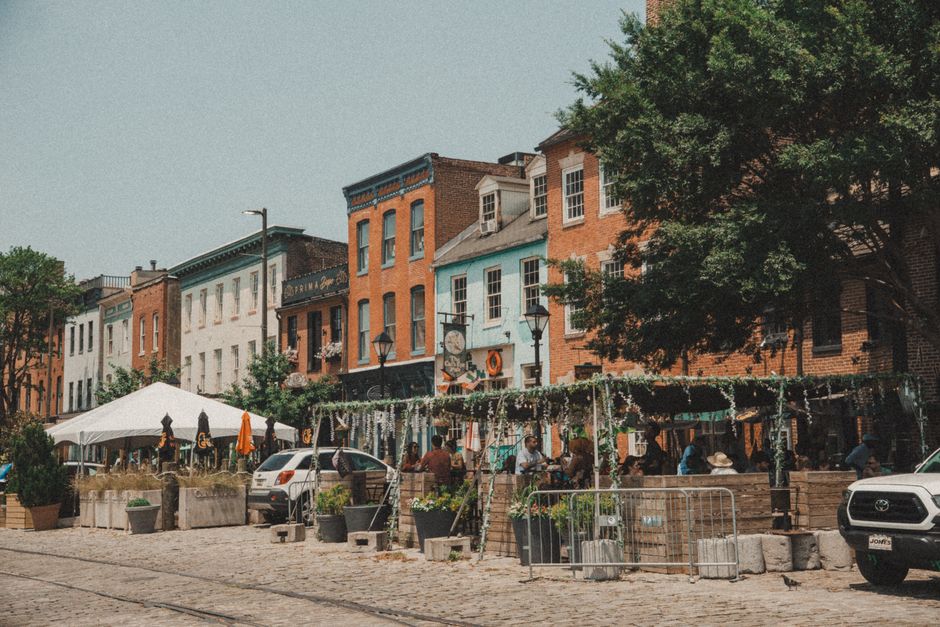
Neon signs from historic theaters bleed color onto rain-slicked brick sidewalks, their reflections dancing in puddles. This is a city of texture—of weathered cobblestones, gleaming glass facades, and the intricate ironwork of row house porches. To travel in a city like this is to be rewired. It demands your senses, rewards your curiosity, and transforms you through its gritty, glorious authenticity.
Baltimore operates on a unique cadence, distinct from the breakneck pace of New York or the curated cool of DC. It's a city of neighborhoods, each a self-contained village with its own heartbeat. Here, transformation comes from leaning into that local rhythm, from trading the tourist path for the corner pub where everyone knows your order by the second visit.
This guide is your key to that deeper layer. We will move beyond the Inner Harbor postcard to the pulsing heart of the city. You will master the art of navigating the Charm City Circulator like a pro, decipher which steamed crab joint is the real deal, and find safety and wonder in equal measure. You'll learn to see not just a museum, but the vibrant street art mural next to it; not just a market, but the generations of stories in every vendor's smile.
Consider this your invitation. To walk these streets not as a spectator, but as a participant. To discover Baltimore through the eyes of those who know its secrets, love its flaws, and celebrate its resilient, creative spirit. Let's begin.
Pre-Trip Planning
True exploration of Baltimore begins long before you arrive. This is a city best understood by its mosaic of neighborhoods. Start by mapping not just locations, but characters. Pin the artistic ferment of Station North, with its galleries and art school energy. Contrast it with the financial pulse of the Central Business District, all gleaming towers and lunch-hour bustle.
Then, layer in the historic gravity of Fell's Point's cobblestone lanes and the vibrant, immigrant-rich tapestry of Highlandtown. This conceptual map will be your most valuable tool.
Next, dive into the city's event calendar. Is your visit timed with the kinetic light displays of Light City? The raucous, painted spectacle of the HonFest in Hampden? Or the summer weekend when the air itself seems to vibrate with the sound of African drumming at the AFRAM festival? Baltimore's soul is often most visible in its celebrations.
Architect your budget with Baltimore's realities in mind. Daily costs can swing from the affordable—a $10 lunch at Lexington Market, a $2 bus ride—to the splurge of a waterfront fine-dining experience. Plan for accommodation tiers: hostels from $35/night, boutique hotels from $180, and luxury harborside stays from $300.
Safety preparation is key. Ensure your travel insurance covers urban medical care and theft. While generally safe for tourists, registering your trip with your embassy is a smart precaution. Digitally, back up documents to the cloud and install a VPN for public Wi-Fi use.
Cultural pre-learning is your secret weapon. Understand Baltimore's deep-seated sense of community and pride. There's a directness and warmth here; a "hon" is a term of endearment. Read a chapter of its history—the War of 1812, the industrial boom, the complexities of the 20th century. Arrive not as a blank slate, but as a respectful guest, ready to listen to the city's stories.
Choosing Accommodation
Where you lay your head defines your Baltimore experience. The choice is between the connective convenience of a transit hub and the authentic immersion of a residential neighborhood. Staying near a Metro Subway station like Charles Center offers swift access to the city's spine, but sleeping in a row house Airbnb in Charles Village lets you wake up to the smell of coffee from a neighbor's porch.
Baltimore's accommodation types tell their own stories. Boutique hotels often inhabit converted historic buildings—imagine sleeping in a Beaux-Arts bank in Mount Vernon. Social hostels with rooftop bars can be found near the stadiums, offering instant community. For a true local feel, seek an Airbnb in a classic Baltimore row house in Canton or Federal Hill.
Budget dictates form. Dorm beds can be found for $35-$50 nightly. Mid-range hotels and stylish B&Bs range from $120-$220. Splurge-worthy stays with iconic harbor views cluster around the Inner Harbor and Harbor East, commanding $300 and up.
Your vibe should guide your booking tactics. For nightlife and energy: Federal Hill or Fells Point. For families and green space: Charles Village near the Johns Hopkins campus. For solo travelers and digital nomads: the creative buzz of Station North. For historic charm and walkable cafes: Mount Vernon.
Safety is a factor. Research street views, read recent reviews mentioning neighborhood noise or after-dark walks, and verify that your chosen location has secure entry and well-lit approaches. A quieter street a few blocks off a main avenue often offers the best balance of authenticity and peace.
Transportation Within the City
Mastering Baltimore's movement is to understand its flow. The city's public transit is a network of possibilities. The Metro Subway (the single, north-south line) and the Light Rail (running from the north to the airport and south) are your fast-track arteries.
But the true gem is the bus system and the free, bright-green Charm City Circulator. Its four routes (Orange, Purple, Green, Banner) stitch together major hubs, neighborhoods, and attractions at zero cost. Payment is via the CharmPass app or cash on buses.
Ride-sharing culture is prevalent. Uber and Lyft are reliable and often more readily available than hailing a traditional taxi, especially outside downtown. Use them for late-night returns from neighborhoods with less frequent night service. If you do take a cab, ensure it's licensed and the meter is running.
Baltimore is a city best felt on foot. Active exploration reveals its details: the hidden garden squares, the quirky door knockers, the scent of bread from a corner bakery. For longer stretches, utilize the bike-sharing program, Baltimore Bike Share. Electric scooters from various companies dot the sidewalks; always wear a helmet and stick to bike lanes.
Cost-saving is straightforward. If you'll use transit heavily, a 1-Day or 3-Day pass on the CharmPass app is economical. The Circulator is free. For night transport, plan ahead—the Circulator stops around midnight, and some bus routes become infrequent. Know your late-night ride-share options.
Avoid scams by using official apps for transit and rides. Be wary of unmarked "taxi" offers at the airport or bus station. Stick to designated taxi stands or app-based bookings to ensure safety and fair pricing.
Must-Have Essentials While Exploring
Your daily kit is your lifeline. Digitally, arm yourself. Download offline Baltimore maps on Google Maps or Maps.me. Screenshot key addresses—some storefronts in historic districts are easy to miss. The Transit app offers real-time bus and train tracking.
Physical comfort is non-negotiable. Baltimore summers are humid; moisture-wicking clothing is a savior. Spring and fall are unpredictable—layer with a light jacket. Your shoes are your most important item; choose broken-in, supportive pairs for miles of pavement and cobblestone.
Your daily survival kit should include a reusable water bottle (refill at your hotel or cafes), portable snacks like trail mix for energy slumps, high-SPF sunscreen, and a high-capacity portable charger. Connectivity is key. A local SIM (available at the airport or stores) is affordable. Essential apps to download pre-arrival include CharmPass, Transit, and a ride-share app.
For safety, consider an anti-theft crossbody bag with slash-resistant straps. Distribute cash and cards between your bag and a hidden money belt. Keep photocopies or digital scans of your passport and ID separate from the originals.
Food and Dining Tips
Baltimore's culinary soul is found in its unpretentious, flavor-packed traditions. Street food and market stalls are institutions. At Lexington Market, follow the locals to Faidley's for a legendary lump crab cake on a saltine. Safety is in the evidence: high crowd turnover, food cooked fresh to order, and visible cleanliness.
Navigate the restaurant hierarchy by looking for the spots without harbor views but with a loyal neighborhood crowd. Tourist-trap red flags include oversized, picture-based menus and touts outside. Authentic eateries are often tucked into row houses, with chalkboard specials and a wait on weekends.
You must meet the city's culinary signatures. The Chesapeake Blue Crab, steamed in mounds with Old Bay, is a ritual—try it at LP Steamers in Locust Point. The pit-beef sandwich, thinly sliced and smoky, is a Baltimore original; Chaps on Pulaski Highway is iconic. Don't forget Berger Cookies—a thick layer of fudge on a shortbread cake.
Meal timing here is generally American-standard, but many finer restaurants have bustling late-night scenes on weekends. For dietary restrictions, most menus are accommodating, but it's always wise to call ahead for severe allergies. Vegetarian and vegan options have exploded in recent years, especially in neighborhoods like Hampden and Remington.
Payment varies. Many classic, family-run spots and market stalls are cash-only. Always carry a modest amount of cash. In more modern establishments, cards are universally accepted. Tipping is standard at 18-20% for good service in sit-down restaurants.
Budgeting & Money Management
Your currency strategy should be flexible. Exchange a small amount of cash before arrival for immediate needs, but get better rates at city-center ATMs (using a bank that reimburses fees). Carry $40-$60 in cash for markets, food trucks, and cash-only bars, but rely on cards for security elsewhere.
Digital payments are widely accepted. Contactless cards and Apple/Google Pay work in most shops, restaurants, and on transit via the CharmPass app. QR code payments are less common but growing.
Tipping culture is important. In restaurants, 18-20% is standard. Tip $1-2 per drink at bars, $1-2 per bag for hotel bellhops, and 15-20% for taxi or ride-share drivers. Always check your restaurant bill to see if a service charge has already been added for large parties.
Track your spending with apps like Trail Wallet. Group travelers can use Splitwise to manage shared expenses like meals and ride-shares effortlessly. Watch for hidden costs: hotel resort fees (if applicable), the 9% sales tax on goods and meals, and occasional fees for luggage storage or premium museum exhibits.
Sightseeing and Experiences
Architect your itinerary geographically to move with the city's grain. Cluster a day around the Harbor: the National Aquarium in the morning, a walk to Fort McHenry for history, and dinner in Fell's Point. Another day, tackle the cultural corridor of Mount Vernon's Walters Art Museum and Washington Monument, then head north to the Baltimore Museum of Art.
For major landmarks, beat the crowds. Visit the Inner Harbor early to see it wake up, or book the last entry to the Aquarium for thinner crowds. Consider city passes like the Baltimore Heritage Pass if you plan to hit multiple paid attractions.
The real magic lies in the hidden gems. Spend an afternoon getting lost in the American Visionary Art Museum's wonderland, then find the secret rooftop view of the harbor from a nearby hotel bar. Wander the graffiti alleyways of Station North. Catch live jazz at Cat's Eye Pub in Fells Point on a weeknight.
Tour selection is an art. Free walking tours (like those in Fell's Point) operate on tips—plan to give $10-15 per person. For deeper dives, book specialized tours: food tours in Little Italy, African American history tours, or architectural walks. Self-guided audio walks from apps like VoiceMap let you explore at your own pace.
Time your visits. Golden hour at the Federal Hill Park overlook offers a breathtaking, gilded panorama of the harbor. See the Washington Monument illuminated at night. Visit popular museums on weekday mornings to avoid weekend family crowds. Always check if advance booking is required, especially for performances at the Hippodrome or Center Stage.
Safety Tips
Baltimore, like any major city, requires savvy awareness. Neighborhood character can change block by block. Exercise increased caution after dark in areas known for higher crime rates, such as parts of East and West Baltimore far from tourist corridors. Downtown, the Inner Harbor, and well-trafficked neighborhoods like Fells Point and Federal Hill are generally safe but require standard city vigilance.
Personal security is about smart habits. Wear your crossbody bag in front of you in crowded markets or on packed buses. Distribute your cash—keep small bills in an accessible pocket, the rest hidden. Be acutely aware of your phone; don't text while walking near the curb, as scooter- or bike-borne snatchings can occur.
Night navigation demands a plan. Stick to well-lit, populated streets in nightlife districts. Use official ride-shares or taxis to get home, never unlicensed cabs. Avoid taking shortcuts through unlit parks or alleyways, no matter how much they seem to trim the distance.
Prepare for emergencies. Know that 911 is the universal emergency number. Tourist police are not a formal unit, but downtown and harbor areas are well-patrolled. Have your embassy's contact information saved. For digital safety, avoid conducting banking on public Wi-Fi; use your mobile data or a VPN.
Health-wise, Baltimore tap water is safe to drink. Air quality is generally good. Know the location of the nearest major hospital (like Johns Hopkins Hospital in East Baltimore or Mercy Medical Center downtown) just in case.
Cultural Etiquette
Baltimoreans are famously proud and possess a direct, often witty charm. Greetings are typically casual—a smile and a "how's it going?" Handshakes are common in formal settings. The term "hon," while less ubiquitous now, is a genuine, if sometimes nostalgic, term of endearment.
Dress codes are generally casual, but context matters. For upscale dining in Harbor East, smart casual is expected. When visiting sacred spaces like the Baltimore Basilica, modest attire (covered shoulders and knees) is respectful. In conservative residential neighborhoods, avoid overly revealing clothing as a sign of respect.
Building a language bridge goes a long way. Beyond "please" and "thank you," learn phrases like "Where's the best place for crabs?" or "Which way to the Circulator stop?" Baltimoreans love to share their city and will appreciate the effort.
Interaction protocols are straightforward. Always ask before photographing people, especially in residential areas. Haggling is not customary in stores or markets. Respect personal space in crowded conditions like markets or festivals—a simple "excuse me" works wonders.
In sacred spaces and memorials, observe solemnity. At the 9/11 Memorial in the Inner Harbor or the various historic churches, speak quietly and follow posted guidelines about photography. Environmental consciousness is growing; you'll find recycling bins in public spaces, and a ban on plastic bags means bringing your own reusable tote is a smart, eco-friendly move.
Technology and Apps
Your smartphone is your ultimate urban companion. For navigation, Google Maps is reliable for walking and driving, while Transit or the official CharmPass app are indispensable for real-time bus, subway, and Light Rail schedules and trip planning.
Language tools are less critical but handy. Use the Google Translate camera function to instantly decipher any historic placard or specialized menu item. Download the offline English pack just in case.
Mobility apps define your freedom. Have Uber or Lyft installed and ready. For bikes, the Baltimore Bike Share app lets you locate and unlock bicycles from docks around the city.
Food tech enhances your culinary journey. Use OpenTable or Resy to book tables at popular restaurants. For lazy evenings, DoorDash and Uber Eats have broad coverage. While Yelp is used, local food blogs and the Baltimore Magazine dining guide are more trusted sources.
For experience booking, check Eventbrite for local happenings. The TodayTix app can offer last-minute theater deals. Communication runs on WhatsApp and standard SMS; there's no dominant local messaging app, so texting is universally accepted.
Capturing Memories
Photography ethics are paramount. Always ask permission before taking portraits of people, especially vendors or performers. Respect "No Photography" signs in museums or private spaces. Avoid intrusive selfie sticks at solemn memorials or in crowded narrow streets.
For visual storytelling, seek out the best vantage points. The Federal Hill Park overlook is classic, but for a unique skyline shot, try the top of the parking garage at the Broadway Market in Fell's Point. Capture street life with a long lens to avoid disruption. Never leave your camera unattended on a cafe table.
Written and audio reflection deepens the experience. Keep a travel journal, noting not just what you saw, but the sounds (the seagulls arguing over a french fry), the smells (the mix of salt air and funnel cake), and the conversations you had. Use voice memos to capture ambient sounds and immediate impressions.
When sharing on social media, geotag responsibly. Tag the neighborhood (e.g., "Fell's Point, Baltimore") rather than the exact secret garden or tiny boutique to help protect them from overtourism. Strive for realistic representation—share the city's authentic character, not just a filtered version.
For souvenirs, skip the mass-produced trinkets. Collect textures and stories: a used book from The Ivy, a local band's vinyl from Sound Garden, or the recipe for a dish you loved. These become talismans that hold the true memory of your time in the city.
Conclusion
Baltimore reveals itself to those who come prepared to engage. This guide has armed you with the strategies to navigate its rhythms efficiently, safely, and with deep respect. You've learned that preparation creates the space for magical spontaneity—that knowing which bus to catch frees you to follow the sound of live music down an unfamiliar alley.
Remember that respect is your most valuable currency. Supporting local businesses, traveling with an open mind and humility, and leaving each neighborhood a little better than you found it ensures the city's vibrant character endures for future travelers.
Whether you're a solo adventurer finding courage in the quiet of the George Peabody Library stacks, a couple sharing a crab feast with melted butter dripping down your wrists, a family marveling at the underwater world of the Aquarium, or a business traveler discovering a world-class jazz club after a conference, Baltimore offers a layer for you to claim as your own.
Now, picture your final morning. You sit in a café in Mount Vernon, sunlight streaming through the window, painting the marble of the monument gold. You watch the city wake up, and you realize you're no longer just watching—you're part of its pulse. You know how to move, where to go, how to listen.
The ultimate tip is this: book the ticket. Embrace the unexpected hon, the sudden rain shower, the perfect bite. Step off the guidebook page and into the living, breathing story of Baltimore. Then, share what you discover. The city is waiting.


No comments:
Post a Comment