Best Summer Holiday in Copacabana: Beaches, Sun & Unforgettable Experiences
Introduction
The sun pours like liquid gold over the crescent sweep of Copacabana, igniting the sand into a shimmer of white and the Atlantic into a turquoise embrace so vivid it feels like a dream painted just for you. This is Copacabana in summer — a symphony of samba beats drifting from beachside kiosks, the rhythmic crash of waves against the iconic black-and-white promenade, and the scent of coconut water and grilled seafood hanging thick in the salt-kissed air. For decades, this stretch of Rio de Janeiro's coastline has been the postcard image of Brazilian summer: a place where the sun is generous, the people are warm, and every moment feels like a celebration of life itself. Summer in Copacabana runs from December through March, when the Southern Hemisphere tilts toward the sun and temperatures hover in the balmy low 30s Celsius (high 80s Fahrenheit). The water temperature climbs to a blissful 26°C (79°F), making every dip into the waves an instant refreshment. But summer here isn't just about perfect beach weather — it's about energy. It's the roar of the crowd during New Year's Eve (Réveillon), when over two million revelers dress in white and watch fireworks explode over the sea. It's the impromptu football matches on the sand, the capoeira circles drawing curious onlookers, and the legendary sunset from Fort Copacabana, where the sky turns shades of mango and rose. This guide is your key to unlocking the best of Copacabana in summer. Whether you're a sun-chaser seeking the perfect tan, a foodie hunting for authentic churrascaria, a couple dreaming of moonlit walks, or a solo adventurer ready to dive into Brazil's vibrant culture, you'll find everything here. We'll cover the top beaches, the most thrilling activities, where to stay and eat, how to navigate the city's heat and crowds, and insider tips to make your summer holiday truly unforgettable. So grab your hat, slip on your sandals, and let the rhythm of Copacabana pull you in — because summer here is not just a season, it's a state of mind.
Why Visit Copacabana in Summer
There's a reason summer is the crowned season of Copacabana: it's when Rio de Janeiro truly comes alive, and this iconic beach neighborhood beats at the heart of it all. The weather is spectacular — expect daytime highs around 32°C (90°F) and balmy evenings that stay above 24°C (75°F), perfect for late-night caipirinhas on the sand. The sun is strong, but the Atlantic breeze keeps things comfortable, and the sky is an unbroken dome of blue for days on end. The beach conditions are at their prime: calm, warm waters invite swimmers and beginners, while small waves give bodyboarders a playful ride. Summer is also festival season. The highlight is Réveillon on December 31st, when Copacabana Beach becomes a sea of white-clad celebrants watching a dazzling 16-minute fireworks display. Then, from February to March, Carnival takes over with parades, blocos (street parties), and an infectious energy that spills from the Sambódromo onto the shoreline. Water temperature peaks at 26-28°C (79-82°F), making long swims and snorkeling irresistible. Outdoor activities flourish: early morning beach volleyball, hang gliding from Pedra Bonita, hiking to the top of Sugarloaf Mountain, and sunset sailing cruises along the coast. There are downsides, of course — summer is peak season, so crowds are dense, especially on weekends and holidays. Prices for accommodation and flights spike, and the humidity can feel heavy. But savvy travelers can handle these: book flights and hotels well in advance, arrive at the beach before 10am to claim prime spots, and embrace the cheerful chaos as part of Copacabana's charm. With the right planning, summer rewards you with the most electrifying version of this Brazilian icon.
Best Beaches in Copacabana
Copacabana Beach (The Main Strip)
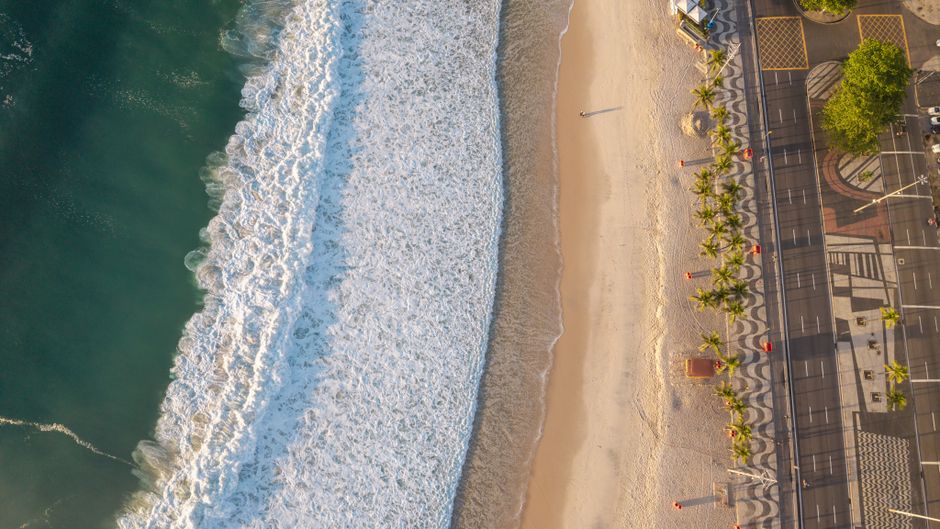
Stretching 4 kilometers from Leme to Arpoador, the main beach is the soul of the neighborhood. Its unique feature is the wave-like mosaic promenade designed by Roberto Burle Marx, flanked by the iconic Copacabana Palace hotel. The sand is fine and golden, the water turquoise with gentle swells, and the vibe is pure Rio — a mix of families, athletes, and sun-worshippers. Best for: people-watching, swimming, and soaking up the unabashed energy. Practical tips: arrive before 9am for a good spot; bring an umbrella as shade is scarce; lockers are available at beach kiosks for R$20. Facilities include public restrooms, showers, and lifeguard stations every 200 meters. Nearby, you'll find the Fort Copacabana military museum and the Copacabana Fort Café, perfect for a cold beer with a view. Beware of persistent vendors selling everything from sunglasses to grilled cheese — a polite "não, obrigado" works fine.
Leme Beach (The Quiet Corner)
Tucked at the northern end of the main strip, Leme is a smaller, calmer cove backed by a green hill. The waves here are gentler, the crowds thinner, and the atmosphere more relaxed, making it a favorite among locals. Best for: families with young children, couples seeking a romantic spot, and anyone wanting to escape the main beach's intensity. The water is slightly clearer, with a rocky reef at one end that attracts small fish for snorkeling. Practical tips: parking is easier here than on the main strip; bring snorkel gear for the reef; the best time is late afternoon when the sun casts long shadows over the hill. Amenities include two kiosks serving fresh coconut water and fried fish. After your swim, take the short hike up to the Leme viewpoint for a panoramic shot of the entire Copacabana crescent — it's worth the sweat.
Arpoador Beach (The Surfers' Spot)
Where Copacabana meets Ipanema, Arpoador is a small, rocky promontory that creates a natural wave break. This beach is famous for its consistent surf breaks and the iconic sunset viewpoint at its tip. Best for: surfers (beginner to intermediate), bodyboarders, and sunset chasers. The water has more movement than the main strip, so less confident swimmers should stay closer to shore. Practical tips: the best waves hit in the morning from 7-10am; parking is extremely limited, so take a taxi or ride-share; bring a towel and sit on the rocks for sunset — it's a local ritual. Nearby, the Arpoador kiosk serves excellent açaí bowls. The vibe is younger, louder, and more bohemian here, with impromptu drum circles forming on weekends. If you're not surfing, just come for sunset — you'll be rewarded with the sky setting fire to the sea.
Diablo Beach (The Hidden Gem)
Officially known as Praia do Diabo (Devil's Beach), this tiny cove lies between Copacabana and Leme, accessed via a steep path near the fortress. It's more a rocky inlet than a full beach, but its seclusion makes it magical. Best for: adventurous couples, photographers, and anyone who wants to avoid crowds entirely. The water is deep and clear, with interesting rock formations to explore. Practical tips: wear sturdy sandals for the climb; bring your own food and water as there are no kiosks; go at low tide when more sand is exposed. There's no official parking — walk from Copacabana along the coastal path. The beach gets its name from the strong currents, so swim with caution. It's common to see only three or four other people here, even in summer, making it feel like a secret only you know.
Top Summer Activities & Experiences
Summer in Copacabana is an invitation to move, explore, and indulge. Start your mornings with a stand-up paddleboarding session along the shoreline — rentals cost about R$50 per hour, and the calm early waters make it easy for beginners. For thrill-seekers, hang gliding from Pedra Bonita (R$350-500) offers an unforgettable 10-minute flight over the coast, landing on São Conrado beach. Water sports are abundant: jet skiing (R$150 for 30 minutes), banana boat rides (R$40 per person), and kayaking along the coast. For a leisurely day, book a schooner (sailboat) tour that departs from the marina near Leme — a 4-hour cruise with stops for swimming costs around R$120 per person and includes lunch. Hiking is a must: the trail to Pedra do Arpoador offers 360-degree views, while the more challenging hike up Morro do Leme rewards you with a restored 18th-century fort. Cultural day trips are easy: take a 20-minute bus to Santa Teresa for its bohemian vibe and Selarón Steps, or visit the Tijuca Forest for a rainforest adventure. On Sundays, wander the Feira de Copacabana (Copacabana Fair) at the beach end of Rua Barata Ribeiro, where you'll find artisan jewelry, Brazilian souvenirs, and local snacks. Sunset is sacred here — head to the Arpoador rock formation around 5:30pm in summer to watch the sun dip below the horizon, often accompanied by drummers and spontaneous applause. For a unique evening, take a nighttime boat tour that views the city lights from the water (R$100 per person). Don't miss the chance to try stand-up paddleboard yoga at sunrise — offered by several schools on the beach for R$60 per class. Most activities can be booked through your hotel or through vendors along the promenade; always agree on price beforehand. During Carnival weeks, many beaches have free samba classes and drum workshops — just follow the sounds of the batucada.
Where to Stay for a Summer Holiday
Your base in Copacabana can shape your entire experience. For luxury, nothing beats the Copacabana Palace ($$$$), a Belmond hotel that has hosted royalty and celebrities since 1923. Its pool overlooking the beach, Michelin-starred dining, and opulent rooms start at around R$2,500 per night in summer. For boutique charm, choose the Mirador Rio Hotel ($$$), perched on the edge of Leme with rooms offering sweeping sea views and a rooftop pool — rates around R$800-1,200. Budget-friendly options abound: the Ibis Copacabana ($$) offers clean, modern rooms a block from the beach for R$350-500 per night, while hostels like Mango Tree Hostel ($) provide dorms from R$80 per night and a lively social scene. Vacation rentals and villas are popular for groups and families — search for apartments along Avenida Atlântica (the beachfront avenue) for direct views, with prices ranging from R$400 for a basic studio to R$2,000 for a three-bedroom with balcony. Prioritize neighborhoods: stay between Posto 2 and Posto 4 (the numbered lifeguard stations) for the best beach access and proximity to restaurants. Leme is quieter and slightly cheaper, while the southern end near Arpoador is trendier and closer to Ipanema. Book at least three months ahead for summer, as prices rise 30-50% from December to February, and many properties sell out entirely for Christmas and New Year. Consider staying in Ipanema or Leblon if you prefer a more upscale vibe but still want easy access to Copacabana — they're a 20-minute walk or 5-minute taxi ride away. Always confirm air conditioning is working — summer nights are warm and humid, and a good AC is non-negotiable.
Summer Food & Drink Guide
Summer in Copacabana is a feast for the senses, starting with the beachside kiosks known as "barracas." The quintessential beach snack is "queijo coalho" (grilled cheese on a stick) sprinkled with oregano — just R$8-10 and perfectly gooey. But the real star is the "caipirinha," Brazil's national cocktail made with cachaça, lime, sugar, and ice — order it at any kiosk for around R$15. For a full meal, head to Churrascaria Copacabana (R$90 per person all-you-can-eat) for picanha, sausage, and lamb grilled over open flames. Seafood is a must: try "moqueca," a fragrant fish stew cooked in coconut milk and dendê oil, served at restaurants like La Trattoria (R$60). Summer desserts are refreshing: "açaí na tigela" is a thick, purple sorbet of Amazonian berries topped with granola and banana (R$20-25). "Cocadas" (coconut sweets) are sold by vendors on the beach for R$5. For drinks, fresh coconut water (água de coco) is sold for R$8-10 from coolers carried by vendors — it's the ultimate hydrator. Beer is cheap: a 600ml bottle of Skol or Brahma costs R$8-10 at kiosks, while a cold can is R$5. Avoid tourist traps: restaurants with pictures on the menu or overly aggressive touts usually serve mediocre food at inflated prices. Look for places packed with locals — try Bar do David in Leme for authentic Peruvian-Brazilian fusion dishes (R$40-60) or Galeto Sat's for affordable grilled chicken (R$35). For a beach picnic, visit the supermarket at Rua Siqueira Campos for fresh fruit, cheeses, and cold cuts. And remember: in summer, locals eat lunch late (2-3pm) and dinner even later (9-10pm), when the air cools. Always drink bottled water and check that ice is made from purified water — most kiosks use filtered ice, but it's wise to confirm.
Nightlife & Summer Entertainment
As the sun sets, Copacabana transforms into an open-air party. The beachfront promenade fills with joggers, couples, and musicians, while the kiosks crank up the samba and forró. For a classic evening, head to Bar Luiz on Rua Siqueira Campos — a traditional boteco where locals discuss football over cold beer and "bolinhos de bacalhau" (cod fritters). Beach clubs like Bip Bip (a small, unassuming bar) host live samba and choro music every night from 8pm, often spilling onto the pavement. During summer, the city hosts "Festival de Verão" concerts in parks and squares, with free shows by top Brazilian artists. For dancing, check out Fosfobox (R$30 cover) on Rua Siqueira Campos, a club with three floors spinning everything from funk carioca to electronic. Open-air cinemas pop up on the beach during January — check the "Cinema na Praia" schedule for free movies on a giant screen. Night markets are a highlight: the Feira de Artesanato on the beachfront sells crafts, jewelry, and street food every evening until 11pm. For a more sophisticated evening, have a drink at the Copacabana Palace's Hotel Bar, where jazz plays and the crowd is elegant. The summer evening atmosphere is electric but safe — the main promenade is well-lit and patrolled by police, especially during high season. The party often moves to the sand itself, where groups gather around bonfires (building fires is illegal but small candles and lanterns are common). For a truly local experience, join a "roda de samba" at a neighborhood bar — you'll find one on almost every corner in Leme. The night ends around 3-4am, but the energy of summer in Copacabana lingers until the first light paints the waves again.
Family vs. Couples vs. Solo Traveler Summer Tips
Families will love Leme Beach for its calm waters and lack of strong currents, though the main Copacabana beach has lifeguards and gentle slopes. Book a family-friendly hotel with a pool, like the Mirador Rio Hotel, where kids can splash while parents relax. Activities: the AquaRio aquarium (R$80 adults, R$40 kids) is a 15-minute taxi ride away, and the Rio Zoo offers shaded pathways. For a unique experience, take a jeep tour to the Tijuca Forest (R$200 per person) where kids can spot monkeys and toucans. Always reapply sunscreen every two hours and keep children hydrated. Couples will find romance in Arpoador's sunset, candlelit dinners at La Trattoria (R$150 per couple), and moonlit walks along the promenade. Book a boutique hotel in Leme for privacy, and book a private schooner tour (R$300 for two) for a sunset cruise. Avoid the main beach on Saturday afternoons when it's most crowded — instead, explore the hidden Diablo Beach together. Solo travelers thrive in Copacabana's social scene. Stay at a hostel like Mango Tree to meet people, join group tours (R$80-120) to Sugarloaf or Christ the Redeemer, and eat at communal tables at beach kiosks. Safety tips: keep valuables in your hotel safe, use only registered taxis or Uber, and avoid walking alone on the beach after midnight. During Carnival, solo travelers are welcomed into blocos (street parties) — wear a bright costume and you'll make friends instantly. For all types: stay between Posto 2 and Posto 6, where foot traffic and police presence are highest. Copacabana in summer is generally safe, but petty theft can happen — keep bags in front of you and cameras strapped across your chest.
Budget Planning for a Summer Holiday
Summer in Copacabana is costly, but you can manage costs with some planning. Average daily costs per person: budget traveler (hostel, street food, free beaches) — R$200-300; mid-range (3-star hotel, casual restaurants, some activities) — R$500-800; luxury (5-star hotel, fine dining, private tours) — R$1,500+. Breakdown: accommodation peaks in December and Carnival week (50-100% higher), but January (excluding New Year) is slightly cheaper. Budget hotels like Ibis cost R$350-500/night in summer, while luxury resorts hit R$2,000+. For food, a beach kiosk meal (sandwich + drink) is R$25-35; a sit-down dinner with wine is R$80-120; self-catering saves a lot. Activities: free — sunbathing, swimming, hiking to Arpoador, sunset watching; low-cost — açaí bowls (R$20), bus to Sugarloaf (R$5), entry to Fort Copacabana (R$10); high-cost — hang gliding (R$400), schooner tours (R$120), helicopter rides (R$350 per person). Transport: Uber from the airport to Copacabana costs R$30-45; local bus R$4.50; metro (Estação Siqueira Campos) to downtown is R$6.50. Money-saving tips: eat at lunchtime "prato feito" (set meals) for R$20-30 at small restaurants; buy drinks at supermarkets; use refillable water bottles (fountains at the beach are safe); walk or take buses instead of taxis. Shoulder months (late February after Carnival, or early December before Christmas) offer better prices. Always carry cash for kiosks and small vendors — many don't accept cards. With these strategies, two weeks in Copacabana for a mid-range traveler will cost around R$10,000-14,000 (about $1,800-2,500 USD).
Getting There & Getting Around in Summer
Flying into Rio de Janeiro International Airport (GIG) is the most common route — from the US and Europe, direct flights land in summer; from other destinations, connect through São Paulo. Taxi from GIG to Copacabana takes 30-40 minutes and costs R$30-45 via Uber or R$80 via regular taxi (negotiate fixed fare). Some travelers fly into Santos Dumont Airport (SDU) for domestic connections — it's closer to Copacabana, only 20 minutes away. Alternatively, if you're coming from Buenos Aires or other coastal cities, a scenic ferry arrives at Rio's port, a 15-minute taxi ride from the beach. Once in Copacabana, summer gets around comfortably with local options. The metro (Linha 1) runs along the coast — the Siqueira Campos station is a 5-minute walk from the beach, and trains are air-conditioned and frequent. Buses connect Copacabana to Ipanema, Leblon, and downtown for R$4.50 — but in summer, they can get crowded and hot during peak hours. Scooter rental is popular for freedom and speed: expect R$80-100 per day, but you'll need an international driver's permit and good nerves for traffic. Water taxis are a fun splurge: a 15-minute ride to Ipanema costs R$30 per person. To avoid summer traffic jams (which peak on weekends and holiday afternoons), use the metro for longer distances, and walk for short hops — the beachfront promenade is a flat, beautiful walk connecting Leme to Arpoador in 30 minutes. Always leave extra time for journeys during Carnival and New Year, when roads near the beach are closed for celebrations.
Practical Summer Travel Tips
Sun safety is non-negotiable: the UV index peaks between 10am and 4pm, reaching levels of 11-12 in summer. Use SPF 50+ sunscreen, reapply every 90 minutes, and wear a wide-brimmed hat and polarized sunglasses. What to pack: light cotton clothing, swimwear (at least two pairs), rash guard for water sports, flip-flops, a reusable water bottle, a small backpack for day trips, and a portable fan. Don't forget insect repellent for evenings near the hill — mosquitoes carry dengue. Cultural etiquette: greet with "bom dia" (good morning) and a smile; Brazilians are warm but appreciate respect for personal space. Tipping is not mandatory, but rounding up the bill is common (10% for good service). Best apps: Uber (for rides), Google Maps (offline maps work well), Duolingo (learn basic Portuguese), and iFood (for food delivery). Avoid common mistakes: don't wear expensive jewelry on the beach, don't leave belongings unattended, and don't accept "free" caipirinha samples from vendors (they'll demand payment). Learn a few Portuguese phrases: "Onde fica o banheiro?" (Where is the restroom?), "Quanto custa?" (How much?), "A conta, por favor" (The check, please). At the beach, rent a chair and umbrella for R$15-20 per day — it's worth it for comfort. Be aware of rip currents: swim parallel to the shore if caught in one. Finally, remember that summer thunder showers often roll in for 30 minutes in the late afternoon, then clear — just find shelter and wait it out. With these tips, you'll blend in like a local and stay safe under the sun.
Conclusion
Copacabana in summer is more than a holiday destination — it's a sensory awakening, a rhythmic celebration, and a place where the golden sun lingers long after it dips below the horizon. From the pulse of samba that beats through its streets to the gentle lapping of turquoise waves against the iconic promenade, every moment here is painted in warmth and joy. Whether you're sipping coconut water on Leme's quiet sands, cheering with strangers at a New Year's fireworks display, or carving through waves on a surfboard at Arpoador, this Brazilian icon delivers an experience that etches itself into your memory. The heat, the crowds, the humidity — they're all part of the magic, challenges that are easily overcome with a bit of planning and a spirit of adventure. Our final recommendation: embrace the full summer package. Rise early for the best beach spots, stay late for the nightlife, eat everything from grilled cheese to moqueca, and let the carioca energy wash over you. Copacabana in summer is an invitation to live fully, dance freely, and bask in the unapologetic joy of the world's most beautiful beach. So pack your sunscreen and your curiosity — your summer of a lifetime awaits.
FAQ - Summer Holiday in Copacabana
What is the best month to visit Copacabana for summer?
The best time is late January to February, after the New Year crowds have thinned but before the Carnival chaos fully erupts. Weather is consistently hot and sunny, with water temperatures at their peak of 28°C (82°F). February also offers lower hotel rates than December and early January. If you want to experience the epicentre of Carnival, visit in February or March, but book everything months in advance.
How warm is the water in Copacabana during summer?
The Atlantic waters off Copacabana reach a blissful 26-28°C (79-82°F) from December to March. This is warm enough for hours of swimming without feeling chilly, and ideal for snorkeling around the rocky areas near Leme. If you're coming in early December, the water is still a pleasant 24°C (75°F).
Is Copacabana too crowded in summer?
The beach is very busy, especially on weekends and public holidays like New Year's Eve and Carnival. You'll find it challenging to get a spot on the main strip after 11am. However, Leme Beach is much calmer, and weekday mornings offer a less crowded experience. The crowds contribute to the vibrant atmosphere, but if you prefer solitude, head to Diablo Beach or visit before 9am.
What are some hidden gems in Copacabana that tourists often miss?
Three gems stand out: the Fort Copacabana military complex, which has a small museum, a café with stunning views, and a quiet stretch of beach; the Leme viewpoint trail, a 20-minute hike through Atlantic forest; and the weekly Feira de Copacabana on Sundays, where you'll find authentic handcrafted souvenirs instead of mass-produced trinkets. Also, try the tiny Diablo Beach for utter seclusion.
What should I avoid doing in Copacabana during summer?
Avoid wearing flashy jewelry, leaving bags unattended, or walking alone on the beach after midnight — petty theft is the main safety issue. Don't accept drinks from strangers in loud clubs. Avoid eating at restaurants with pushy touts or picture menus — they're overpriced and underwhelming. Also, avoid swimming at the main beach in late afternoon when rip currents can strengthen, and don't underestimate the sun — sunburn can ruin a trip quickly.
How much money should I budget per day for a mid-range summer stay?
A comfortable mid-range budget for one person in summer is approximately R$500-800 per day. This covers a good 3-star hotel (R$400-700), two meals (R$60-100 total), a few drinks (R$30), and one paid activity (R$100). If you stay in a hostel and cook your own food, you can get by on R$250-350. Peak periods like New Year will push these numbers higher.
Is it safe to walk around Copacabana at night in summer?
Yes, but with caution. The main beachfront promenade (Avenida Atlântica) is well-lit and heavily patrolled by tourists and police, making it safe for couples and groups until around midnight. Side streets can be quieter — stick to main roads and avoid alleys. Solo travelers should stay in well-populated areas and use Uber after dark. During Carnival and New Year, the crowds act as natural deterrents to crime, but stay aware.


No comments:
Post a Comment