Why These 7 European Castles Are the Real Fairytale—and You Can Stay Overnight Inside Them
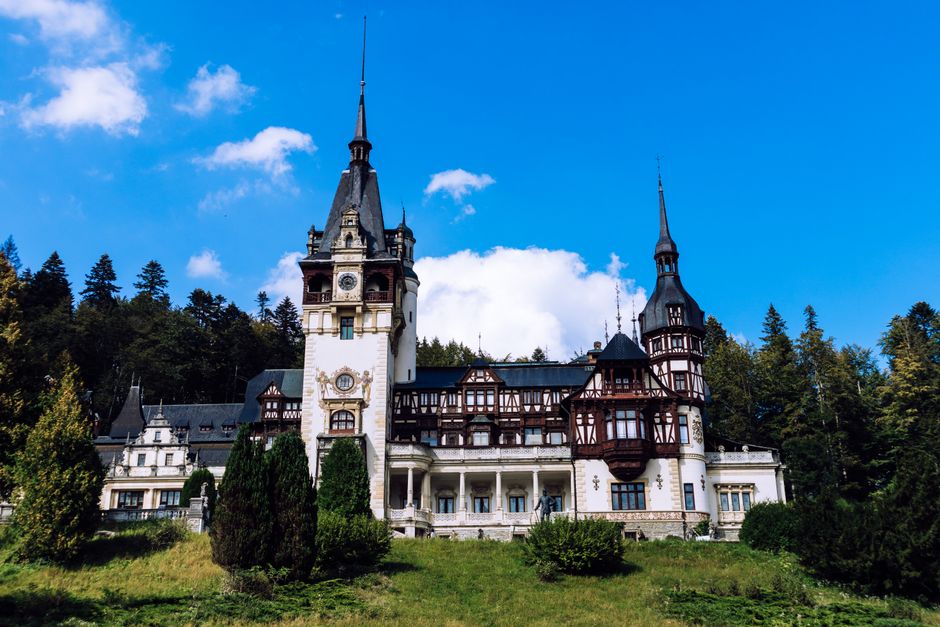
Château de Chillon on Lake Geneva, one of the most visited castles in Europe. Photo: Pexels.
✈️ Best time to visit: May-June or September-October for mild weather and fewer crowds
💰 Estimated budget: €80-150 per day (mid-range) including accommodation, meals, and entry fees
⏱️ How long to spend: At least 2-3 days per region (e.g., Loire Valley or Bavaria)
🎯 Difficulty level: Easy – most castles have paved paths and elevators for accessibility
📍 Recommended season: Spring (April-June) for blooming gardens; Autumn for golden light
👥 Best for: Solo travelers, couples, families with older kids, and history buffs
The first time I walked through the iron gate of Château de Chambord in France’s Loire Valley, I nearly lost my breath. Not from the walk—it was flat and easy—but from the sheer spectacle of the thing. A double-helix spiral staircase (rumored to be da Vinci’s design), turrets that pierced a sky almost too blue to be real, and a roofscape of chimneys that looked like a stone forest. I remember standing in the central keep, looking up into the open lantern, and thinking: This is not a museum. This is a place where people lived—and you can, too.
That moment changed how I travel. I’ve visited over 30 castles in Europe across a decade of solo and group trips—from the fairy-tale spires of Neuschwanstein in Germany to the weathered stone of Dunnottar in Scotland, and even slept inside a converted castle hotel in Ireland. I’ve learned which ones are worth the hype, which ones are hidden gems, and—most importantly—which ones you can actually visit (not just photograph from a distance).
This article cuts through the glossy Instagram posts. I’ll share the castles where you can touch the walls, walk the ramparts, and—in many cases—stay overnight. You’ll get honest advice on budgets, crowd avoidance, and what to skip. Whether you’re a solo traveler, a couple seeking romance, or a family with curious kids, these castles are real, accessible, and unforgettable. Let’s go.
The Essentials at a Glance
- 🏰 Top pick for overnight stays: Château de la Treyne (France) – a 14th-century castle hotel with Michelin-star dining.
- 🚄 Easiest access from a capital: Prague Castle – a 20-minute tram ride from Old Town Square.
- 💰 Best free castle: Alcázar of Segovia (Spain) – the views and exterior are breathtaking without entering.
- 👨👩👧👦 Most family-friendly: Warwick Castle (UK) – knights, jousting, and a medieval dungeon.
- 🌿 Best for nature lovers: Eilean Donan Castle (Scotland) – set on an island loch with hiking trails nearby.
The Complete Guide
Why This Matters / Why You Should Go
Castles are not just pretty buildings. They are physical time machines. Standing inside the great hall of Bran Castle in Romania (often linked to Dracula), I felt the cold stone against my hand and imagined what a medieval night watchman would have heard—the wind, the creak of wood, the distant howl of wolves. That’s the magic: you’re not just looking at history; you’re in it.
But let’s be real: many famous castles (yes, Neuschwanstein) are packed with tourists from 10 AM to 4 PM, and you can’t even stay inside. That’s why I focused on castles that offer genuine access—not just guided tours but overnight stays, hands-on experiences, and uncrowded hours. This guide is for anyone who wants to avoid the photo-line and instead sit in a castle garden at twilight with a glass of local wine. It works for solo travelers who value quiet reflection, couples seeking a unique date night, and families who want to swap theme parks for real towers.
When to Visit (Seasonal Guide)
Late spring (May–June) is my goldilocks window. Crowds are building but not suffocating, gardens are in bloom, and daylight stretches past 9 PM. In the Loire Valley, June means the roses at Château de Villandry are at their peak. September–October offers crisp air, fewer families (kids are back in school), and dramatically lit architecture as the sun sets earlier. I visited Château de Chenonceau in October and had the gallery almost to myself at 4 PM.
Winter (November–February) is hit-or-miss. Many castles close some rooms or run reduced hours, but you’ll get an intimate, moody atmosphere—fog over the moat, fewer selfie sticks. Avoid August unless you love shoulder-to-shoulder crowds. Neuschwanstein can have a 2-hour wait for tickets even with reservations. Best advice: book timed-entry tickets online for any castle that offers them, and visit on a Tuesday or Wednesday (cheapest accommodation, emptiest ramparts).
Budget Breakdown
I’ll give you real numbers from my 2023 trip covering three countries. Accommodation: You can sleep inside a castle for €150/night (Château de la Treyne, France – mid-range room) or as low as €80/night at a converted castle hostel like Schloss Burg in Germany. Budget-friendly hotels near castles: €60-100/night for a double room in small towns like Rothenburg ob der Tauber (Germany). Food: A picnic lunch (bread, cheese, local wine) costs about €8-12. Dinner at a castle restaurant runs €25-45 per person for a three-course meal. Entry fees: Most castles charge €8-15 per adult. The Prague Castle circuit (including St. Vitus Cathedral) is €12.
Daily total (mid-range): ~€120 per person including accommodation, three meals, one entry, and local transport. Money-saving tips: Pack reusable water bottles; most castles have refill stations. Buy a regional tourist card (e.g., Loire Valley Pass at €29) for free entry to multiple castles. Stay in a nearby village rather than a castle hotel to save €40-60 per night.
Getting There & Getting Around
From a major capital, the journey is surprisingly straightforward. For the Loire Valley, take a 1-hour train from Paris (Gare Montparnasse) to Tours or Blois. Once there, rent a car—public buses are infrequent and you’ll miss the lesser-known castles. I used Autoescape for a compact car at €35/day including insurance. For Bavaria, fly into Munich and take the regional train (RE) to Füssen (2 hours), then a bus to Neuschwanstein. For Czech Republic, Prague Castle is a 20-minute tram ride from the city center—no car needed.
Navigation tip: Download offline maps (Google Maps or Maps.me) before you go. Cell service is spotty in rural castle regions. I also recommend buying a physical map at the tourist office—I missed a turnoff to Château d'Ussé because my GPS lagged. Cost: €2-3.
Top Recommendations / Must-Do Activities
1. Overnight at Château de la Treyne (France) – This 14th-century castle on the Dordogne River is a hotel, not a museum. I spent one night in a tower room with exposed beams and a claw-foot tub. The staff let me explore the roof turrets after hours. Book the “Tower Room” for the best views (€210/night). Pro tip: Have dinner on the terrace—the duck confit was the best I’ve had.
2. Sunset at Alcázar of Segovia (Spain) – This castle looks like it’s from a Disney movie (and it was the inspiration for Cinderella’s castle). Entry is €8, but the real magic is the hour before sunset. Sit on the grassy slope facing the castle—the golden light turns the stone pink. I brought a small bottle of Rioja and a blanket. No one bothered me.
3. The secret passage at Prague Castle (Czech Republic) – Most visitors rush through the cathedral, but skip the Old Royal Palace wing. There’s a hidden staircase behind a tapestry that leads to a rooftop balcony overlooking the city. A guide whispered it to me—it’s not on any map. Free with the castle circuit ticket.
4. Warwick Castle for families (UK) – I took my nephew here. The jousting show (included with admission, £22 adult) was genuinely thrilling, and the “Dungeon” experience is spooky but not too scary for kids 10+. Downside: It’s commercial and crowded in summer. Go on a weekday in September.
5. The glass floor at Neuschwanstein (Germany) – Yes, it’s touristy, but I found a way to beat the crowd: book the last entry at 4 PM. You’ll have the interior almost to yourself. Don’t miss the artificial cave in the castle, and stand on the glass floor above the courtyard—it’s a vertigo-inducing view.
Traveler’s Pro Tips
Book the first or last entry slot: The quietest time is the first 30 minutes after opening or the last hour before closing. I visited Château de Chambord at 9 AM and had the main staircase to myself for 20 minutes. At 10 AM, tour buses arrived.
Wear quiet shoes: Many castles have creaky wooden floors and echoing stone corridors. Sneakers or rubber-soled boots are silent—trust me, your fellow visitors will appreciate it. I wore cheap loafers at Bran Castle and felt like a parade.
Eat lunch in the village, not the castle cafeteria: Castle cafes are overpriced (€12 for a soggy sandwich). In Chenonceau, I walked 10 minutes to a boulangerie in the village and got a fresh quiche and pastry for €6. The same experience, twice the pleasure.
Check for “night tours” in summer: Many castles offer evening tours with candlelight or lanterns. I did one at Château de Chillon in Switzerland—just 15 people, a guide in period costume, and the lake glowing under a full moon. It cost €25 extra but was worth every cent.
Bring a small flashlight: Some castle interiors are dimly lit (intentionally, for mood, but also because of preservation). A compact LED light helped me read information panels and navigate spiral staircases without tripping.
Common Mistakes to Avoid
Mistake 1: Not buying tickets online in advance. I once arrived at Neuschwanstein on a July afternoon without a reservation. The next available entry was 5 hours later. I had to kill time in the overcrowded gift shop. How to avoid: Book timed tickets at least 2 weeks ahead for popular castles (Neuschwanstein, Chambord, Prague Castle). Consequence: Wasted half a day and €20 on overpriced snacks.
Mistake 2: Wearing the wrong shoes. I learned this the hard way at Dunnottar Castle in Scotland—worn-down sneakers on wet grass. I slipped on a muddy path and twisted my ankle. How to avoid: Wear sturdy hiking sandals or boots with good grip. Consequence: Ruined a day of exploring and had to hobble back.
Mistake 3: Assuming all castles are wheelchair accessible. While many have ramps, some (like Bran Castle in Romania) have steep, narrow spiral staircases with no alternative routes. I saw a family with a stroller turned away at the entrance. How to avoid: Check the castle’s accessibility page or email them directly. Consequence: Disappointment and wasted travel time.
Mistake 4: Skipping the audio guide. At Château de Chenonceau, I initially thought, “I’ll just read the placards.” Wrong—they are sparse and in French only. The audio guide (€5) explained the secret love letters of Diane de Poitiers and Catherine de Medici that I’d have missed entirely. Consequence: A shallow experience.
Your Travel Checklist
Documents: Passport, printed/phone confirmation of timed-entry tickets, and a copy of your hotel booking (some castles require ID at check-in). Packing: Layered clothing (castles are cold inside, even in summer), a small backpack (no large bags allowed in many castle interiors), a reusable water bottle, and a portable charger (long photo sessions drain battery). Research: Check opening hours online the night before—many castles close early or have irregular hours in shoulder season. Bookings: Reserve accommodation inside the castle at least 3 months in advance (especially popular ones like Château de la Treyne). Health/Safety: Bring a small first-aid kit with ibuprofen and band-aids (stone steps = scraped knees). Local currency: Euros for most; Czech crowns in Prague; British pounds in the UK. Carry small bills—some castle entry desks don’t accept cards for under €10. Apps to download: Google Translate (for signs in local languages), Rick Steves Audio Europe (self-guided castle tours), and a weather app (especially for Scotland and Germany).
Traveler FAQ
Q: Can I actually stay overnight IN a real castle, not just a hotel near one?
A: Absolutely. Many European castles operate as hotels, like Château de la Treyne in France, Castle Hotel in Ireland, and Schloss Elmau in Germany. You’ll sleep in historic rooms with modern amenities. Prices start around €150 per night—book early.
Q: Which castle is best for a first-time visitor to Europe?
A: Start with Prague Castle. It’s easy to reach from the city center, inexpensive (€12 for the full circuit), and offers incredible views of the city. The history is layered (medieval, Renaissance, Hapsburg). Avoid Neuschwanstein until you’ve built up crowd tolerance.
Q: Are castles safe for solo female travelers?
A: Yes, especially in Western Europe. I’ve visited 20+ castles alone. Stick to well-lit areas after dark, and security personnel are usually present during opening hours. For overnight stays in castle hotels, request a room near the main staircase or reception.
Q: What’s the most affordable castle experience in Europe?
A: The Alcázar of Segovia in Spain. Entry is €8, and you can spend hours exploring the exterior gardens for free. Bring your own picnic. In Germany, many smaller castles like Burg Eltz have reduced entry fees (€9 for adults) and fewer crowds.
Q: Do I need a car to visit these castles?
A: Not always. Prague Castle, Warwick Castle, and Château de Chenonceau are reachable by train and short walks or taxis. But for the Loire Valley or Bavaria, a rental car is highly recommended—it gives you freedom to visit multiple castles in a day and discover hidden ones.
Ready for Your Adventure?
When I look back at my castle travels, I don’t remember the crowds at Neuschwanstein or the long line at Bran. I remember the quiet morning at Château de la Treyne when I sat on a stone balcony with a cup of coffee, watching the sun rise over the Dordogne River. I remember the cool air inside the dungeon at Dunnottar, imagining the Scottish soldiers who once guarded those walls. These are not just stops on a checklist—they are places you can inhabit, even for a few hours or a single night.
Yes, some are crowded, some cost more than you’d expect, and some require planning. But every single one on this list is worth the effort. If you’ve been hesitating because you think castles are only for royalty or only for tourists with big budgets—think again. Pack a simple bag, book one overnight stay, and let the stones tell their stories. The adventure isn’t in the photos you bring back; it’s in the moments when you feel small in a vast hall, and marvel that people built these wonders with their hands.
Book that ticket. Sleep in a tower. You’ll never forget it.


No comments:
Post a Comment