From Backyard to Backcountry: Hands-On Permaculture Courses and Farm Stays in Italy and Hawaii
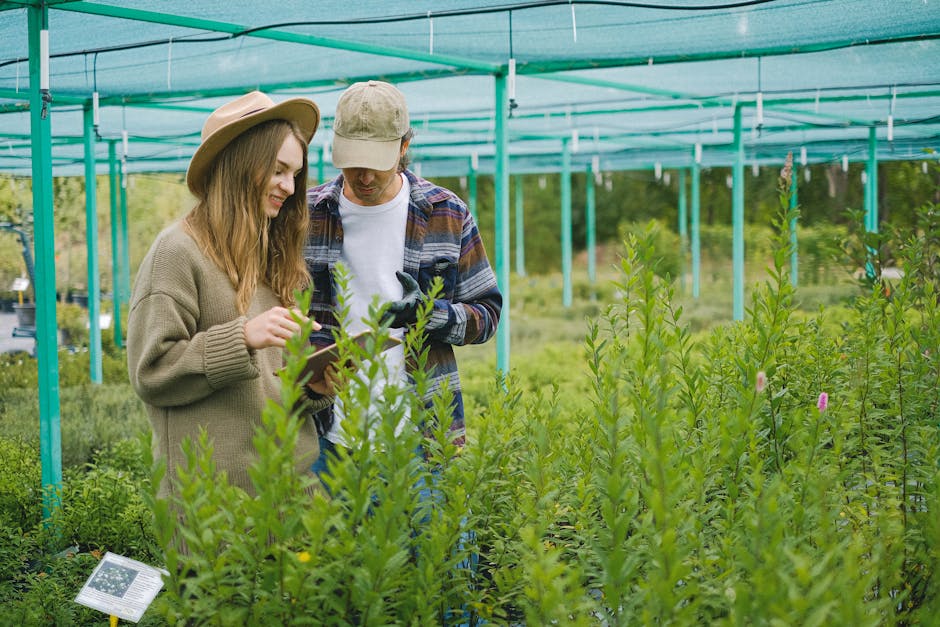
A thriving permaculture garden in Hawaii — where every plant serves a purpose.
✈️ Best time to visit: April–June (spring in Italy) or September–November (Hawaii’s dry season)
💰 Estimated budget: $600–$1,200 per week (including accommodation, food, and course fees)
⏱️ How long to spend: 1–2 weeks for an intro course; 4+ weeks for deeper immersion via WWOOF or an extended farm stay
🎯 Difficulty level: Moderate — expect physical work outdoors, but no prior farming experience needed
📍 Recommended season: Spring or autumn for mild weather and fewer crowds
👥 Best for: Solo travelers seeking purpose, couples wanting a meaningful trip, and families with older kids who love nature
I still remember the smell of damp earth and basil the first morning I woke up on a small organic farm in Tuscany. The rooster crowed before dawn, and I stumbled out of a stone cottage into a misty garden where every plant — from the fennel to the fig tree — seemed to be part of a larger, intelligent design. That’s when I realized permaculture isn’t just about farming; it’s a philosophy of working with nature, not against it.
Over the past eight years, I’ve spent more than six months living and learning on organic farms across Italy and Hawaii — places that consistently top the list for hands-on permaculture education. I’ve dug swales in the rain, planted cover crops under blazing Hawaiian sun, and sat in circle discussions with farmers who’ve turned degraded land into edible forests. I’ve made mistakes (like planting tomatoes in the wrong moon phase) and celebrated breakthroughs (like harvesting my first perennial kale).
This article is for anyone who’s felt the pull to trade tourist attractions for real, dirt-under-nails experience. I’ll walk you through the best destinations — Italy for deep cultural immersion and ancient farming wisdom, Hawaii for tropical permaculture and regenerative systems — and share exact costs, insider tips, and honest reflections on what it’s really like. Whether you’re a complete beginner or a seasoned gardener, these places will change how you see the land.
The Essentials at a Glance
- 🌱 Italy’s permaculture soul: The country has over 2,000 organic farms offering courses, from the hills of Umbria to Sicily’s volcanic soils. The Italian WWOOF network is one of Europe’s most active.
- 🌺 Hawaii’s tropical abundance: On the Big Island and Kauai, permaculture courses often include agroforestry, food forests, and ocean-edge farming. The year-round growing season means instant feedback on your efforts.
- 🔧 WWOOFing vs. paid courses: WWOOF (World Wide Opportunities on Organic Farms) is exchange-based (4–6 hours of work for free room and board). Paid permaculture design courses (PDCs) run $800–$1,500 and include certification.
- 🍝 Cuisine as curriculum: In Italy, you’ll learn to cook what you grow — fresh pasta from ancient grains, pesto from your own basil. In Hawaii, expect daily harvests of papaya, avocado, and taro.
The Complete Guide to Learning Permaculture in Italy and Hawaii
Why This Matters / Why You Should Go
Permaculture is more than a trendy buzzword. It’s a design system that mimics natural ecosystems to create sustainable human habitats. But reading about it in a book is nothing like getting your hands in the soil. Italy and Hawaii offer two of the most unique, biodiverse classrooms on earth.
Italy draws you in with centuries of agricultural tradition — terraced olive groves, heirloom wheat varieties, and farmers who’ve passed down knowledge for generations. The land feels alive with history. On a farm in Piedmont, I learned to plant garlic by a waning moon, a practice that predates Christianity. These aren’t just techniques; they’re cultural memory.
Hawaii, by contrast, feels like a laboratory for the future. On the Big Island, I visited a farm where they’d turned a former sugarcane field into a food forest with over 200 species of edible plants. The tropical climate means you can see the results of your work in weeks instead of months. For someone who wants to understand how to regenerate degraded land quickly, Hawaii is unmatched.
Who is this for? Anyone who feels disconnected from where their food comes from. Solo travelers will find community around communal meals. Couples can learn together and take home real skills. Families with kids as young as 8 can participate in harvesting and animal care. If you’re willing to get dirty and sleep in a cabin without Wi-Fi, you’re ready.
When to Visit (Seasonal Guide)
Italy: The best time for permaculture courses is April through June and September through October. Spring brings mild temperatures (60–75°F) and burst of green growth. Autumn is harvest season — tomatoes, grapes, olives — and you’ll be part of the frenzy. July and August are hot (90+°F) and crowded with tourists, making farm stays less peaceful. Winter is too cold and wet for serious outdoor work; many farms close or offer indoor workshops instead.
Hawaii: The dry season from April to October is ideal. You want rain for the garden but not for your sleeping quarters. I’ve been on Kauai in December when it rained 12 inches in a week — the paths turned to mudslides. Big Island’s Kona side stays drier year-round. November to March is the wet season; courses still run, but expect daily showers and fewer sun-filled workdays. If you’re after a balance, aim for May or September.
Pros/Cons: Italy in spring — magical, but book 3+ months ahead. Hawaii in summer — reliable weather, but higher prices. Off-season can be cheaper and quieter, but you might miss key planting or harvest windows.
Budget Breakdown
Accommodation (per night): Low-end (WWOOF) — free (work exchange). Mid-range farm stay — $50–$90/night. High-end eco-lodge with courses — $120–$250/night.
Food: On most organic farms, meals are communal and included. Plan $10–$15/day if you buy your own groceries. Italy’s local markets are cheap for produce; Hawaii’s food costs are higher (imported goods).
Course fees: A 7–10 day permaculture design course (PDC) runs $800–$1,200. Shorter 3-day workshops cost $200–$500. WWOOF is free but requires 4–6 hours of work daily.
Transport: Italy — train from Rome to Florence (~$45), then local bus to farm (~$10). Hawaii — inter-island flights $100–$200; rental car essential ($50–$70/day).
Total weekly estimate (paid course + basic accommodation): Italy — $900–$1,500. Hawaii — $1,200–$1,800.
Money-saving tips: Use WWOOF for your first 2 weeks — you’ll learn basics for free. Book courses directly with farms rather than agencies. Cook together with other students. In Italy, shop at farmers’ markets (try Campo de’ Fiori in Rome before you head to the countryside).
Getting There & Getting Around
Italy: Fly into Rome (FCO) or Milan (MXP). From there, take a train to the nearest city to your farm — most permaculture destinations are in Tuscany (accessible from Florence), Umbria (from Perugia), or Piedmont (from Turin). Many farms offer a free pickup from the train station if you ask. Once there, walking or biking works if your farm is small; for day trips, rent a car ($40/day) or share with other students. I’ve hitchhiked once in rural Umbria — friendly and safe, but don’t rely on it.
Hawaii: Fly into Honolulu (HNL) for inter-island connections, or directly to Kona (KOA) on the Big Island or Lihue (LIH) on Kauai. A rental car is non-negotiable — farms are scattered and buses are unreliable. I’ve used rentalcars.com and booked a compact for $50/day. Uber/Lyft exists near towns but costs $30–$50 for a 20-minute ride. Many farm hosts can pick you up once, but for exploring, you need wheels.
Navigation: Google Maps works on both islands, but download offline maps — cell service is spotty on Hawaii’s Hamakua Coast and in the Italian Apennines.
Top Recommendations / Must-Do Activities
1. Sacred Earth Farm, Tuscany, Italy
I spent two weeks here learning agroforestry and natural building. The farm overlooks a valley of olive groves, and every morning we harvested figs straight from the tree. The PDC was intense but joyful — we built a cob oven and planted a hedge of nitrogen-fixing trees. Insider tip: Go in October during the olive harvest. You’ll help press oil and drink some of the best you’ve ever tasted. Downside: The farm is remote; no cafes or nightlife for miles.
2. La Fattoria dell’Autosufficienza, Sicily
This family-run organic farm near Mount Etna is a crash course in self-sufficiency. They teach solar drying, seed saving, and how to ferment vegetables the Sicilian way. Why I loved it: The volcanic soil grows tomatoes with a flavor that’s almost sweet. Beat the crowd: Only 8 students at a time — book 6 months ahead. Con: The dorms are basic; expect shared bathrooms.
3. Kahua Aina Farm, Big Island, Hawaii
A true permaculture paradise. The farm runs on a food forest model, with layers of fruit trees, vines, and root crops. I helped restore a gully that had eroded from cattle grazing. The owners were former biologists who taught me about soil microbiology like I was in grad school. Must-do: Walk to the nearby black sand beach — it’s a 20-minute hike through the farm. Insider tip: Bring strong insect repellent; the mosquitoes here are relentless.
4. Kauai Farm + Garden, Kauai, Hawaii
This place runs a 10-day PDC that includes rafting and hiking as part of the “immersion.” The land sits on a ridge with ocean views. Personal highlight: Learning to make taro poi from the root to the bowl. Downside: It’s expensive — $1,400 for the course — but includes all meals and tent accommodation.
Traveler’s Pro Tips
Tip 1: Bring your own tools — literally. I always pack a good pair of gardening gloves (the cheap ones rip in a day), a sharp folding knife, and a wide-brimmed hat. Most farms provide tools, but they’re often dull or broken. A $10 pair of Felco pruners changed my experience in Italy.
Tip 2: Learn the local plants before you go. Study 5–10 common weeds and edible perennials for your destination. In Hawaii, you’ll encounter kukui nuts, breadfruit, and moringa. In Italy, learn to identify wild fennel, borage, and purslane. Knowing them on sight means you can forage on day one instead of week two.
Tip 3: Prepare your body physically. At least two weeks before departure, do squats, lunges, and planks. Farming involves kneeling, bending, and lifting. I once saw a woman in her sixties do every session pain-free because she’d practiced; I was sore for days. Core strength makes a huge difference.
Tip 4: Embrace the “slow” internet. Many farms have little to no Wi-Fi. Download all your offline maps, ebooks, and podcasts before you arrive. I also bring a small notebook to sketch garden layouts. That analog time becomes part of the learning.
Tip 5: Ask about the “hidden” projects. Often farms have experiments running — biochar trials, microgreens test beds, compost tea brews. Ask your host to show you these; they’re where the most innovative work happens. I learned more about soil fungi from a half-finished project in Sicily than from any formal lecture.
Common Mistakes to Avoid
Mistake 1: Over-scheduling your days. I once tried to visit three farms in two weeks in Italy. I ended up exhausted and learned nothing deeply. Permaculture is about observation and slow understanding. How to avoid: Stay at one farm for at least 7 days. You need time to see the daily rhythm.
Mistake 2: Underestimating the physical work. Many beginners think it’s all gentle weeding. On my first Hawaii trip, I spent a day digging a 40-foot swale by hand in humid 85°F weather. I was wrecked. Consequence: You’ll burn out and miss the learning. Fix: Pace yourself. Drink water with electrolyte powder. Tell your host if you need a lighter task — they understand.
Mistake 3: Not researching the specific farm’s philosophy. Not all organic farms practice permaculture. Some are essentially conventional but use organic inputs. I ended up on a farm that used plastic mulch and synthetic “organic” sprays — not what I wanted. How to avoid: Read reviews on WWOOF or Trusted Housesitters. Ask the host direct questions about their soil management and crop rotation before booking.
Mistake 4: Ignoring the weather. I planned a mid-August farm stay in inland Sicily. The temperature hit 108°F. Work stopped by 10 a.m. I spent afternoons lying on a tile floor trying not to move. Consequence: Lost learning time and discomfort. Fix: Check historical climate data, not just averages. Ask hosts about real daily conditions during your planned month.
Your Travel Checklist
Documents: Valid passport, travel insurance with medical coverage, printed farm address and contact number, WWOOF membership card (if applicable).
Packing: Sturdy closed-toe shoes or rubber boots, long pants (2 pairs), sun hat, reusable water bottle with filter (lifeStraw or similar), gardening gloves, headlamp, insect repellent (DEET for Hawaii, natural for Italy), notebook and pen.
Research: Read 1–2 permaculture books before you go (I recommend “Gaia’s Garden” by Toby Hemenway). Learn 3–5 phrases in the local language related to farming (“I need a shovel” or “Where is the compost?”).
Bookings: Confirm your farm stay 2 weeks before departure. Book refundable flights if possible. Reserve a rental car in Hawaii at least a month ahead.
Health/Safety: Check if you need any vaccines (no special ones for Italy; Hawaii requires standard US shots). Pack a basic first-aid kit with antihistamines, bandages, and blister treatment. In Hawaii, sunscreen is mandatory.
Local Currency/Apps: Italy uses euros (bring some cash for markets). Hawaii uses US dollars (cards accepted everywhere). Download WhatsApp for communication with farm hosts, and offline maps with the “save to phone” feature.
Traveler FAQ
Q: Do I need prior farming experience to take a permaculture course?
A: Not at all. Most farms design courses for complete beginners. I taught a city-dwelling friend who had never touched soil, and by day three she was planting a hedge. The key is just an open mind and willingness to work. Some farms offer pre-course reading — take them up on it.
Q: Is WWOOFing safe for solo female travelers?
A: In my experience, yes — but vet your hosts carefully. Read reviews from other solo women. Ask for references from the farm’s past visitors. I’ve WWOOFed alone in both Italy and Hawaii and never felt unsafe, but I always had a video call with the host first. Trust your gut.
Q: Can I earn a permaculture certification from these programs?
A: If you complete a full Permaculture Design Course (PDC) — typically 72 hours over 7–14 days — you’ll earn a certificate. This is internationally recognized. WWOOFing alone doesn’t give certification, but many farms offer both options: free work exchange or paid PDC.
Q: What if I have dietary restrictions?
A: Most farms are highly accommodating. I’m vegetarian and have celiac disease; I always email hosts weeks before. In Italy, they made me gluten-free pasta from scratch. In Hawaii, they had a separate gluten-free cooking station. Just communicate clearly.
Q: Can I bring my children?
A: Many farms welcome families. Look for farms that advertise “family-friendly” or have separate family accommodation. The Fattoria dell’Autosufficienza in Sicily has a program for kids aged 7–12 that includes animal care and seed planting. Check age minimums; some farms restrict to 12+ due to safety around tools.
Ready for Your Adventure?
Permaculture travel isn’t a vacation — it’s an education that stays with you. In Italy, you’ll discover that farming can be poetry, grounded in the rhythm of seasons and the taste of sun-warmed grapes. In Hawaii, you’ll see what’s possible when a system is designed with abundance in mind. I’ve taken those lessons home: my balcony now hosts a mini food forest, and I’ve taught neighbors to plant perennial greens.
You might be nervous about the physical work or the simplicity of farm life. I promise that the sore muscles are temporary, but the confidence you gain — knowing you can grow your own food read the landscape, and nurture soil — lasts forever. Start small: book a one-week WWOOF exchange in Italy this spring. Or sign up for a 10-day PDC on the Big Island. The land is waiting, the tools are ready, and your hands will soon be deep in the earth where they belong.


No comments:
Post a Comment