Paddling into the Rapids: Why Costa Rica, Colorado, and Nepal Are Perfect for First‑Time Rafters
By a seasoned travel writer who learned to paddle in Class II waters and fell in love with foam and spray.
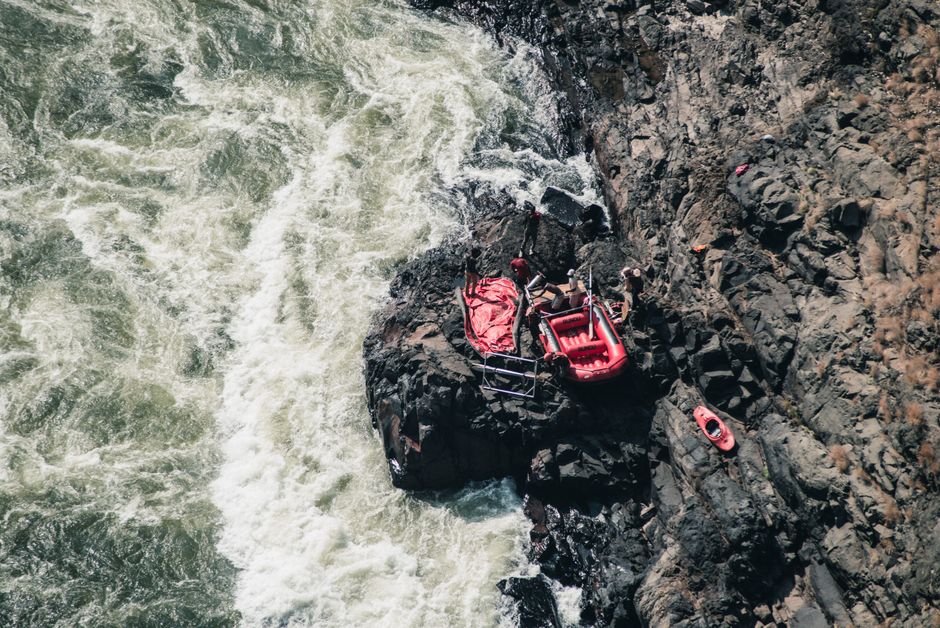
A calm stretch of river that still gives a thrilling splash — exactly what beginners need.
Quick Stats
✈️ Best time to visit: Dry season for each region (Nov–Apr in Costa Rica, May–Sept in Colorado, Oct–Dec in Nepal)
💰 Estimated budget range: $150–$300 per day (all inclusive for guided trips)
⏱️ How long to spend there: 3–5 days per destination for a proper rafting course
🎯 Difficulty level: Easy to moderate (Class I–III rapids)
📍 Recommended season: High water spring for extra splash, low water summer for calm learning
👥 Best for: Solo travelers, families with kids 8+, couples, friends
Introduction
I still remember the first time I gripped a paddle on the Pacuare River in Costa Rica. The guide, a man named Carlos with a grin as wide as the canyon, shouted over the roar: “Trust the river, not your fear.” My knuckles were white, my heart hammered, but when we slid through that first Class II rapid — a playful wave train that soaked us all — I let out a laugh I hadn’t felt in years. That moment changed how I travel. I’ve since paddled the Arkansas River in Colorado and the Trisuli in Nepal, always seeking waters that welcome beginners without sacrificing the thrill. I’m not a professional rafter; I’m a curious traveler who learned by doing. This article is for you if you’ve ever looked at a rushing river and thought, “I want to try that, but I’m scared.” I’ll share the three best places on earth to start your rafting journey, with honest details on costs, seasons, and what really happens when you’re in the boat.
The Essentials at a Glance
- 🌊 Start with Class I–III rapids — These are safe for beginners but still give you a splash and a story to tell.
- 🗓️ Book a full‑day or multi‑day guided trip — Guides handle navigation while you focus on paddling and enjoying the scenery.
- 🧳 Pack quick‑dry clothes, sunscreen, and water shoes — Cotton is your enemy; neoprene is your friend.
- 👨👩👧👦 Many trips welcome kids as young as 8 — Family‑friendly outfitters exist in all three destinations.
- 🌍 Combine rafting with cultural experiences — In Nepal, you paddle past villages; in Costa Rica, through jungle howler monkeys.
The Complete Guide
Why This Matters / Why You Should Go
White water rafting isn’t just about adrenaline. It’s one of the few activities where you surrender control and become part of the river’s flow. For beginners, the best destinations offer a balance of safety, scenery, and support. Costa Rica’s Pacuare River cuts through primary rainforest, home to toucans and waterfalls where you can swim mid‑trip. Colorado’s Arkansas River runs through the Rocky Mountains, with snow‑capped peaks framing every bend. Nepal’s Trisuli River weaves through terraced rice paddies and tiny villages where children wave from footbridges. What makes these three special is their professional guiding infrastructure — you’re never alone, and the rapids are graded carefully. I’ve seen terrified first‑timers become confident paddlers in one afternoon because the guides know how to teach, not just steer.
When to Visit (Seasonal Guide)
Costa Rica: The dry season (November to April) means lower water but warmer weather. I went in February and the river was crystal clear, with just enough current to make things exciting. The rainy season (May to October) brings higher water and more intense rapids, but also more frequent rain showers. For a beginner, I recommend the dry season — you’ll be more comfortable, and the jungle is still lush.
Colorado: The Arkansas River peaks in May and June when snowmelt swells the river. That’s when you get the biggest waves, but also cold water (bring a wetsuit). July through September is warmer and the water is lower, which is perfect for learning. I went in August, and the 70‑degree air combined with 60‑degree water was ideal. Weekends are crowded; go Tuesday or Wednesday.
Nepal: The best rafting season is October to December, after the monsoon. The skies are clear, the river is full but not raging, and the views of the Himalayas are stunning. January to March is colder but still possible. I went in November, and the morning mist on the Trisuli was magical. Avoid July and August — the monsoon turns the river into a muddy torrent.
Budget Breakdown
Costa Rica (Pacuare River, 2‑day trip):
- Accommodation: Low‑budget hostel near San José: $15/night. Mid‑range eco‑lodge on the river: $80/night. High‑end jungle resort: $200/night.
- Food: $10–$20 per day for local sodas (small restaurants). Guided trips usually include meals.
- Activity: A 2‑day guided rafting trip including meals, camping, and transport: $180–$250 per person.
- Transport: Shuttle from San José to the river put‑in: $30 each way.
- Daily total for a mid‑range traveler: about $150–$180 per day.
- Money‑saving tip: Book directly with a local outfitter like Pacuare Rafting rather than a US‑based agency.
Colorado (Arkansas River, full‑day trip):
- Accommodation: Campground near Buena Vista: $20/night. Motel in Salida: $100/night. Boutique hotel: $180/night.
- Food: $15–$30 per day for diner meals.
- Activity: Full‑day guided rafting trip: $80–$120 per person.
- Transport: Rental car from Denver (2.5 hours drive): $40/day for gas. Shuttles available from Colorado Springs for $50 roundtrip.
- Daily total for mid‑range: $120–$150.
- Money‑saving tip: Buy a combo trip (rafting + zip line) for discounts.
Nepal (Trisuli River, 2‑day trip):
- Accommodation: Guesthouse in Kathmandu: $10/night. Riverside camp included in rafting trip: free.
- Food: $5–$10 per day for dal bhat (lentil soup and rice).
- Activity: 2‑day guided rafting trip with beach camping: $100–$150 per person.
- Transport: Bus from Kathmandu to Charaudi (put‑in): $5. Jeep return from Mugling: $10.
- Daily total for mid‑range: $80–$100.
- Money‑saving tip: Go with a group to split guide costs; check Last Resort for combined bungee + raft deals.
Getting There & Getting Around
Costa Rica: Fly into Juan Santamaría International Airport (SJO) near San José. Most outfitters will pick you up from San José or from the nearby town of Turrialba. If you’re driving, the Pacuare River put‑in is about two hours east of San José on well‑paved roads, then a 20‑minute bumpy gravel road. I recommend letting the outfitter handle the logistics — it’s included in the price.
Colorado: Fly into Denver International (DEN) or Colorado Springs (COS). The Arkansas River runs through Buena Vista and Salida, about 2.5 hours southwest of Denver. Rent a car for flexibility, as public transport is limited. Once there, most rafting companies offer free shuttle from their base to the river.
Nepal: Fly into Tribhuvan International Airport (KTM) in Kathmandu. Most rafting trips on the Trisuli start at a town called Charaudi, a two‑hour bus ride from Kathmandu (cost: $5). The road is winding but safe. Many outfitters include transport in the package. I booked through a local agency in Thamel, and they arranged everything.
Top Recommendations / Must‑Do Activities
Costa Rica: Don’t just raft the Pacuare; do the 2‑day trip that includes an overnight stay at a jungle camp. The camp is basic (tent, cold shower, real food), but waking up to the sound of howler monkeys and paddling the second day with a fresh perspective is unforgettable. My guide stopped the raft so we could swim under a waterfall. That moment alone was worth the trip. Insider tip: Ask for guide Carlos at Pacuare Rafting — he knows every eddy and pool.
Colorado: The Arkansas River has multiple sections. For beginners, the “Browns Canyon” section (Class II–III) is perfect. It runs through a narrow granite gorge with views of 14,000‑foot peaks. The company Arkansas River Tours in Buena Vista offers a full‑day trip that includes a riverside lunch of grilled chicken and vegetables. The downside: Browns Canyon can get crowded in July. Go early — the 8 a.m. launch is peaceful.
Nepal: The Trisuli River trip is 2‑3 days, with overnight camping on sandy beaches. The rapids are gentle (Class II–III), but the cultural immersion is deep. You paddle past women washing clothes in the river, kids with water buffalo, and prayer flags fluttering on suspension bridges. Our guide, a man named Raj, taught us a Nepali song while we floated. The downside: the water is cold even in November, but the sun is warm.
Traveler’s Pro Tips
Tip 1: Wear a swimsuit under your wetsuit, and bring a fleece for the shuttle ride. You’ll get wet, and even in warm climates, the wind on the drive back can chill you. I learned this the hard way in Costa Rica.
Tip 2: Don’t wear sunscreen on your forehead — it runs into your eyes when you get splashed. Instead, wear a hat with a strap. I made this mistake in Colorado and spent the last hour of the trip with stinging eyes.
Tip 3: Ask your guide to show you the “swimmer’s position” on the first rapid. It’s a feet‑first, on‑your‑back posture if you fall out. I practiced this and felt 10x safer. It’s not scary; it’s practical.
Tip 4: In Nepal, bring a dry bag for your camera — but also bring a waterproof phone case. The river is silt‑heavy, and fine dust gets into everything. I destroyed a phone by keeping it in a cheap ziplock.
Tip 5: Book a trip that includes a professional photographer. Most outfitters offer this for $20–$30 extra. You’ll be too focused to take photos yourself, and the action shots are priceless.
Common Mistakes to Avoid
Mistake 1: Over‑equipping with waterproof gear. I once brought a “waterproof” camera bag that was actually just a dry bag with a faulty seal. It leaked. Instead, buy a true dry bag from a rafting shop (not a generic store) and test it before your trip. The consequence: a ruined camera and expensive replacement.
Mistake 2: Underestimating the cold. Even in Costa Rica, the river water can be cool (65–70°F). Beginners often wear only a swimsuit and shiver. The mistake happens because guides say “it’s warm” compared to their wetsuits. Consequence: hypothermia in extreme cases, but mostly just a miserable time. Rent a wetsuit — it’s cheap ($10–$15) and worth every penny.
Mistake 3: Not eating before the trip. I skipped breakfast before my first Colorado trip because I was nervous. By the second rapid, I was dizzy. Rafting burns a surprising number of calories (up to 400 per hour). Consequence: low energy, risk of fainting, and reduced enjoyment. Eat a light, carb‑heavy meal an hour before.
Mistake 4: Trying to steer from the back of the raft. Beginners often lean back and try to guide the boat. That’s the guide’s job. Your job is to paddle when told and lean into the directional strokes. The mistake happens because you want to feel in control. Consequence: you work against the guide and make the ride more jarring. Trust the system.
Your Travel Checklist
Documents: Passport (valid for 6 months after travel), printed booking confirmation for your rafting trip, travel insurance with water sports coverage.
Packing: Swimsuit, quick‑dry shorts, rash guard or light long‑sleeve shirt, water shoes (not flip‑flops), sun hat with strap, sunglasses with retainer, dry bag (10–20 liters), waterproof phone case, wetsuit (rent if possible).
Research: Check river levels online (e.g., American Whitewater’s gauge for Arkansas River). Read recent reviews for your chosen outfitter on TripAdvisor (look for mentions of guide friendliness).
Bookings: Reserve your rafting trip at least 2 weeks in advance for summer months. Book accommodation near the outfitter’s base (not downtown) to save on transport.
Health/Safety: Bring a small first aid kit for blisters (paddling can rub). Apply sunscreen 30 minutes before entering water. Stay hydrated — pack a reusable water bottle.
Local Currency: Costa Rica: Colones (though USD widely accepted). Colorado: USD. Nepal: Nepalese rupees (bring cash, ATMs unreliable in rural areas).
Apps: Google Maps (download offline), WhatsApp (guides often communicate via it), XE Currency (for Nepal and Costa Rica), and a weather app with hourly forecasts.
Traveler FAQ
Q: Do I need to know how to swim before white water rafting?
A: Most outfitters require basic swimming ability, but you don’t need to be an Olympic swimmer. I’m a very basic swimmer and felt safe because of the life jacket. The key is being comfortable in moving water. If you’re truly nervous, take a quick lesson before your trip.
Q: Are rafting trips safe for children aged 8–12?
A: Yes, but choose Class II or gentle Class III trips. In Costa Rica, the Pacuare offers a family‑friendly section. In Colorado, Browns Canyon is ideal. Nepal’s Trisuli is also family‑appropriate. Always tell the outfitter the ages of your kids so they can assign the right guide.
Q: What happens if I fall out of the raft?
A: You float on your back, feet pointed downstream, and wait for the guide to throw a rope or the safety kayaker to reach you. It’s not scary if you stay calm. I fell out twice on my first trip, and both times I was pulled back in within seconds. Guides are trained for this.
Q: Can I go rafting alone as a solo traveler?
A: Absolutely. Many solo travelers join group trips. I went solo to all three destinations and was paired with others. It’s a great way to meet people — you’re all going through the same adrenaline rush. Just tell the outfitter you’re solo and they’ll place you in a friendly group.
Q: Do I need to buy expensive gear beforehand?
A: No. All necessary gear (helmet, life jacket, paddle, wetsuit) is provided by the outfitter. I only bought water shoes ($25) and a dry bag ($15). Save your money for the trip itself. The only thing I regretted cheaping out on was a good pair of sunglasses — cheap ones flew off in a rapid.
Ready for Your Adventure?
I still have the faded photo from that first Pacuare trip: my face half‑covered in spray, eyes wide, grin stretched across my face. That’s what white water rafting gives you — a moment of pure, unscripted joy. You don’t need to be fearless. You just need to show up with a willingness to get wet and a trust in the people who guide you. Whether you choose the jungles of Costa Rica, the peaks of Colorado, or the ancient valleys of Nepal, the river will meet you where you are. Beginners aren’t just tolerated — they’re celebrated. So book that trip. Pack that bag. And when you’re sitting in the raft, paddle ready, heart pounding, remember: the river is waiting to teach you something about yourself. Let it.


No comments:
Post a Comment