Island Hopping on a Budget: Why Greece’s Ferry Routes Are the Unsung Hero of European Travel
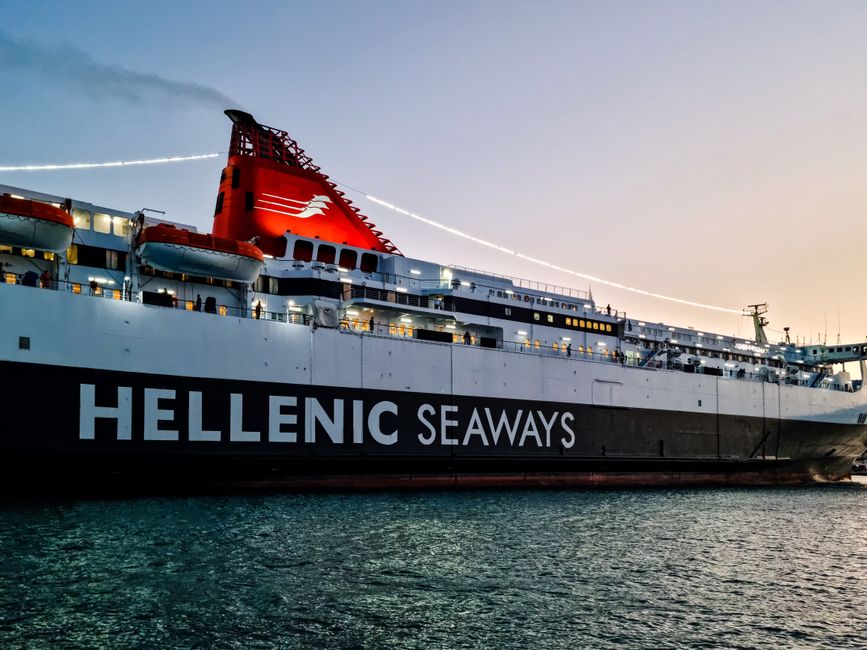
A ferry glides past a classic Greek island village — the view that makes every ticket worth it.
✈️ Best time to visit: May–June or September–October for perfect weather and low crowds.
💰 Estimated budget range: €50–€90 per day (budget traveler); €120–€200 (mid-range).
⏱️ How long to spend there: At least 10 days to visit 3–4 islands comfortably.
🎯 Difficulty level: Easy – ferry schedules are reliable, and navigation is straightforward.
📍 Recommended season: Late spring or early fall.
👥 Best for: Solo travelers, couples, and small groups who love independence.
Introduction
I remember my first ferry ride from Piraeus to Naxos like it was yesterday. The boat was a moving postcard: sky so blue it looked painted, sea foam splashing against the hull, and the distant silhouette of whitewashed houses climbing a hillside. I was alone, backpack on my lap, and my entire plan was to buy a cheap ticket and see where the ferry took me. No hotel booked, no itinerary — just a vague sense that I needed to be on a Greek island.
Over the years, I have taken more than twenty ferry trips across the Aegean and Ionian seas. I have made mistakes — booking the wrong port, arriving too late, paying too much for last-minute tickets — and learned exactly how to get the most out of every route. I have discovered that Greek ferries are not just a means of transport; they are an experience in themselves. You eat souvlaki from the onboard snack bar, watch the sun dip into the sea, and meet fellow travelers who become fast friends.
In this guide, I will take you through the best ferry trips in Greece, from the iconic Cyclades to the lesser-known Sporades. I will share how to find cheap tickets, which routes offer the most views, and how to plan your island-hopping adventure without breaking your budget. Whether you are a first-time visitor or returning for more, this is the ferry guide I wish I had when I stepped aboard that first boat.
The Essentials at a Glance
- 🌊 Book your ferry tickets early – prices are cheapest in March and April; last-minute tickets can cost three times more.
- ⛴️ Choose high-speed ferries for short distances (Athens to Mykonos in 2.5 hours) and conventional ferries for budget savings on longer hops.
- 📍 Use Ferryhopper or direct ferry company apps – they are more reliable than third-party sites and show real-time seat availability.
- 🧳 Pack light – carry-on bags are easier to haul on and off ferries, and you avoid checked baggage fees on budget lines.
- 🍽️ Buy snacks and water on land – onboard prices are always marked up by 50–100%.
The Complete Guide
Why This Matters / Why You Should Go
Greece has more than 6,000 islands, but only 227 are inhabited. Each one has a distinct personality: Santorini for volcano sunsets, Crete for hiking and history, Paros for windsurfing, and Milos for lunar-like beaches. The ferries are your only way to experience this mosaic without the cost of flights — and trust me, flying between islands is expensive and less scenic.
What makes Greece’s ferry network extraordinary is its sheer diversity of experiences in a single trip. In one week, you can wake up on a quiet Ionian island, spend the afternoon clubbing in Mykonos, and hike to a medieval fortress on Rhodes — all for under €150 in ferry fares if you know the tricks. Compared to other Mediterranean destinations like Croatia or Italy, Greek ferries are frequent, relatively cheap, and offer a kind of freedom you cannot get on a bus or plane.
These trips are for anyone who loves slow travel, spontaneous decisions, and the raw beauty of the sea. It is not about luxury (though you can find that too); it is about the joy of standing on the deck, wind in your hair, watching a new island appear on the horizon.
When to Visit (Seasonal Guide)
April–May (Shoulder Season): The best time for affordable ferry travel. Ticket prices are 30–40% lower than July. The weather is mild (18–24°C), seas are calm, and you will often have entire decks to yourself. The downside: some smaller island tavernas remain closed until mid-May. I spent a stunning week in April on Syros (capital of the Cyclades) for less than €35 a night for a studio.
June–August (Peak Season): Everything runs on a full schedule, but expect crowds, heat (30–35°C), and high prices. Blue Star Ferries and Hellenic Seaways double their frequencies, but you must book at least two weeks ahead for popular routes like Santorini–Mykonos. I once queued for four hours in July for a standby ticket — avoid that. Bring a fan; ferries rarely have air conditioning in the economy decks.
September–October (Golden Season): My personal favorite. The sea is still warm enough for swimming, the crowds thin out, and ticket prices drop again. The Meltemi winds (strong seasonal winds) also ease up, making ferry rides smoother. I took a high-speed ferry from Naxos to Ios in late September for €18, and I was the only person in my cabin.
November–March (Off-Season): Only major routes operate (Athens to Crete, Rhodes, and a few others). Many small islands are inaccessible by ferry, and schedules are weather-dependent. If you want solitude and rock-bottom prices (ferries cost half of summer rates), this is your time — just be ready for rough seas and potential cancellations.
Budget Breakdown
Ferry Tickets (the biggest variable): A high-speed ferry from Piraeus (Athens) to Mykonos costs €45–€70 one way in peak season; conventional ferries run €25–€40. For cheap tickets, book 3–4 weeks in advance via the official Blue Star Ferries website. If you are flexible, use the “any destination” search on Ferryhopper for discounted last-minute deals. I once booked a ferry from Rafina to Tinos for just €12 by picking an unpopular midweek departure.
Accommodation: Hostel dorms: €20–€35 per night (e.g., Naxos Backpackers). Budget hotels/studios: €50–€80. Mid-range hotels: €90–€150. I recommend staying in towns like Ermoupolis (Syros) or Chania (Crete) for better value than touristy Mykonos or Santorini.
Food & Activities: Street food (gyros, souvlaki): €3–€5 per meal. Taverna dinner: €15–€25. Self-catering (buy cheese, bread, olives at local markets): €10 per day. Ferry snack bar: a bottle of water is €2.50 (cheaper to bring your own).
Daily Total: Budget traveler: €50–€70/day. Mid-range: €100–€150/day. A two-week island-hopping trip can cost €1,200–€2,100 all-in, including ferries.
Money-Saving Tip: Buy a “Ferry Pass” if you’re visiting 5+ islands. Not many know about it, but Blue Star offers a multi-trip discount of up to 20% for pre-booked bundles.
Getting There & Getting Around
Getting to the ferries: All major ferry routes depart from Athens’ Piraeus Port (metro line 1, €1.40 from Syntagma) or Rafina Port (near the airport, take the bus for €1.80). For the Ionian Islands, you can take a ferry from Patras (3-hour bus from Athens). I prefer Piraeus because it has the widest selection of routes and cheap waterfront cafes where you can wait.
Local navigation: On each island, buses connect ports to main towns and beaches. They run every 30–60 minutes and cost €1–€3 per ride. Taxis are expensive (€15–€30 for a short trip). Rent a scooter or ATV for €20–€30/day — this is how you discover hidden coves far from the tourist crowds.
Pro tip for transfers: Download the “KTEL” app for island bus schedules; Google Maps does not always work for Greek island buses. And always ask the ferry staff for the exact platform number when you board — some islands have two docks, and you do not want to end up on the wrong side.
Top Recommendations / Must-Do Activities
1. The Cycladic Loop (Athens → Mykonos → Naxos → Santorini): This classic route can be done in 7–10 days. Start in Mykonos for its iconic windmills and beach parties, then take the 1-hour ferry to Naxos (€18–€25) for the best food on the islands — do not miss the grilled octopus at To Elliniko in Naxos Town. End in Santorini, but skip the cable car lines by hiking up from the old port (45 minutes, free). The sunset from Oia is overrated for its crowds; instead, watch from Skaros Rock, which is quieter and offers a stunning view of the caldera.
2. The Ionian Secret (Corfu → Paxos → Lefkada): This is for tranquility and emerald waters. The ferry from Corfu to Paxos takes only 1 hour (€25) and drops you in the tiny port of Gaios, where you can swim in sea caves. Lefkada is accessible by car from the mainland, but take the ferry from Igoumenitsa for a scenic ride. The beaches here (like Porto Katsiki) are among the best in Greece, and you can cliff-jump for free.
3. The Undiscovered Sporades (Skiathos → Skopelos → Alonissos): Start from Skiathos (ferry from Volos, €20). Spend a day at Koukounaries Beach (often called Greece’s best), then take the 30-minute ferry to Skopelos (€10). This is where the movie “Mamma Mia!” was filmed, but I prefer it for its pine forests and the Monastery of Panagia. Alonissos is a marine park with monk seals — rent a kayak to explore the small islands around it.
Insider tip: On Skopelos, the most famous beach for the film is Kastani, but it gets packed by 11 AM. Instead, walk 20 minutes north to the quieter Limnonari Beach — it is just as beautiful and has a tiny taverna that serves the best feta-stuffed peppers I have ever eaten.
Traveler’s Pro Tips
Book evening ferries to save on accommodation: Several Greek ferries operate overnight services. For example, the ferry from Athens to Crete (8 hours) costs €25–€40 and includes a reclining seat. You sleep on board and wake up in Heraklion, saving one night’s hotel cost. On the deck, strap your bag to your body — not because of theft, but because deck hands sometimes move luggage around.
Use the “foot passenger” ticket when possible: If you are not taking a vehicle, buy a foot passenger ticket. It is roughly half the price of a vehicle ticket, and you can board faster. I always leave my rental car at the port (many offer free parking) rather than paying €40–€60 to bring it on the ferry.
Check the weather before you book: The Greek government’s official ferry tracker (en.gtp.gr) shows real-time cancellations. Do not book a high-speed ferry if the wind forecast is over 7 Beaufort — these boats often cancel or get replaced by slower (and cheaper) conventional ferries. I once got stuck on Amorgos for an extra day because the fast ferry was cancelled; it was a blessing in disguise, but not for my schedule.
Pack a small foldable seat cushion: Economy decks on conventional ferries have hard plastic seats. After two hours, your bottom will thank you. Also bring earplugs — the deck can be loud with engines and groups of schoolchildren.
Talk to the crew: They often know about last-minute ticket upgrades at half price. I once paid €12 for an upgrade from deck to a private cabin just by asking the purser after departure.
Common Mistakes to Avoid
Mistake #1: Booking tickets through third-party sites without comparing. I once paid €50 for a ticket that cost €28 on the ferry company’s own website. Use Ferryhopper for comparison, but always check the official site (like Blue Star or Hellenic Seaways) before clicking buy. The extra 5 minutes can save you €20–€30.
Mistake #2: Arriving at the wrong port for your destination. Some islands have two ports (e.g., Paros has Parikia and Naoussa; Naxos has Naxos Town and a small port near Apiranthos). If your ticket says “Paros → Santorini,” you need to be at Parikia, not Naoussa, even though they are only 10 km apart. I learned this the hard way and missed my ferry; it cost me €45 for a last-minute replacement ticket.
Mistake #3: Packing too much luggage. Many ferry ports do not have elevators, and you will be lugging your suitcase up and down staircases. I saw a woman in tears trying to drag a 30 kg suitcase up the ramp of a ferry to Amorgos. Stick to a 40-liter backpack or a small rolling suitcase (max 10 kg).
Mistake #4: Not booking return ferry tickets in advance for popular islands. In peak season, tickets for routes like Santorini–Mykonos sell out 3–4 days ahead. I have met travelers stuck on Santorini for an extra 48 hours because all ferries were fully booked. Book your outward and return trips at least 10 days beforehand, or risk a very expensive (€200+) last-minute speedboat.
Your Travel Checklist
- Documents: Valid passport (or ID for EU citizens), printed ferry tickets (or downloaded PDF on phone), travel insurance with medical coverage.
- Packing: Light clothing, swimsuit, sturdy sandals for rocky beaches, a wrap for evenings, earplugs, reusable water bottle, and a small first-aid kit (seasickness patches if you are prone).
- Research: Check the ferry schedules on Ferryhopper or OpenFerry, bookmark the port location on Google Maps, and note the contact number of your island accommodation.
- Bookings: Reserve ferry tickets for all long-haul routes (2+ hours), and book accommodation only for your first 2–3 nights — leave flexibility for spontaneous changes.
- Health/Safety: Sunscreen (SPF 50), allergy medication, and a digital copy of your documents saved to the cloud.
- Local apps: Ferryhopper (for real-time updates), Blue Star Ferries app (for booking), and “Greek Islands” app (a PDF guide that works offline).
- Currency: Euro — bring some cash (€50–€100) because smaller islands have limited ATMs.
Traveler FAQ
Q: How do I find cheap ferry tickets in Greece?
A: Book 3–4 weeks ahead through official ferry company websites (Blue Star, Hellenic Seaways). Choose conventional (slow) ferries instead of high-speed ones, and opt for midweek departures. I found tickets from Piraeus to Naxos for €18 by booking on a Wednesday in May.
Q: Can I buy ferry tickets at the port on the same day?
A: Yes, but only for less popular routes (like Athens to Syros or Crete to Santorini). For popular routes (Mykonos, Santorini, Rhodes), you risk sold-out sailings in July/August. I only recommend same-day purchase in shoulder months (April, October).
Q: How long is the ferry from Athens to Mykonos?
A: High-speed ferries take 2.5–3 hours (€45–€70), while conventional ferries take 4.5–5 hours (€30–€40). The slower ferry is cheaper, but you get two extra hours of gorgeous sea views — I actually prefer it for the scenery.
Q: Are ferries safe for solo female travelers?
A: Absolutely. I have traveled alone on about 15 Greek ferries and always felt safe. However, stay in well-lit areas at night, keep your valuables zipped, and use the cabin lock if you book a private berth. The crew is very helpful if you ever feel uncomfortable.
Q: What is the best island-hopping route for 10 days?
A: Athens → Naxos (3 days) → Paros (2 days) → Milos (3 days) → Athens. This avoids the most crowded islands (Mykonos, Santorini) while giving you gorgeous beaches, great food, and cheap ferry connections. Total ferry cost for this route: around €90–€120 per person.
Ready for Your Adventure?
Watching the Greek coastline slip away from the deck of a ferry is one of those rare travel experiences that remains with you long after the holiday ends. It is not just about the sea or the islands — it is about the freedom to choose your next destination spontaneously, the conversations with strangers over shared tables, and the simple joy of arriving in a place where life moves slowly and the food tastes like sunshine.
I know that planning a ferry trip can feel daunting with so many options and price variations. But I promise you this: once you buy that cheap ticket and step aboard, the logistics disappear. You will not worry about missed connections or bad weather — you will just be there, watching the water, breathing the salty air, and wondering why you did not do this sooner.
So go ahead. Open the ferry schedule, pick an island that sounds like a dream (Milos? Kythnos? Ikaria?), and book that ticket. The sea is waiting, and the islands are calling. Your adventure begins the moment you decide to board that first boat.


No comments:
Post a Comment