Best Places for Ice Climbing for Beginners: Why These Cold Havens Will Transform Your Winter
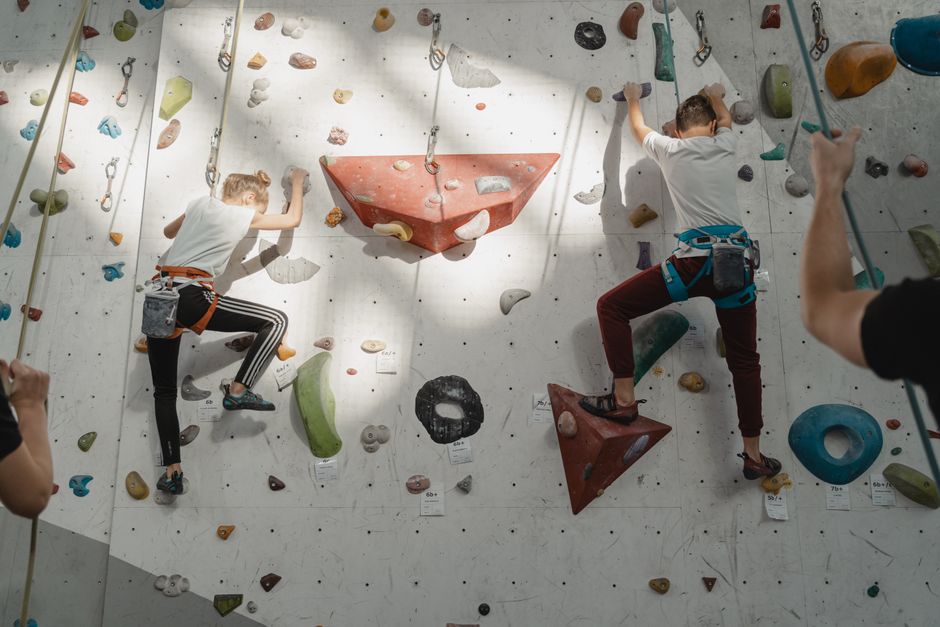
A novice climber takes on a frozen cascade under the watchful eye of an experienced guide — the perfect start to an ice climbing journey.
✈️ Best time to visit: December through March (peak season in Norway, Canada, and Colorado)
💰 Estimated budget range: $150–$350 per day (includes guided trips, gear rental, basic accommodation, and meals)
⏱️ How long to spend there: 4–7 days for a solid beginner immersion
🎯 Difficulty level: Easy to moderate (with guided instruction)
📍 Recommended season: Mid‑winter for stable ice
👥 Best for: Solo travelers, small groups of friends, and adventurous couples
Introduction
I still remember the first time my crampons bit into a frozen curtain of ice in Norway’s Rjukan valley. The cold air stung my cheeks, my fingers trembled with a mixture of fear and anticipation, and the only sound was the rhythmic thud of my ice tools finding purchase. That moment changed how I view winter. I’m not a professional mountaineer — I’m a travel writer who started from absolute zero, with no rock climbing background and a deep fear of heights. Over the past four winters, I’ve taken guided trips in Norway, Canada, and Colorado, and I’ve learned that ice climbing for beginners is far more accessible than most people think. In this guide, I’ll walk you through three of the best places to start, what you’ll actually spend, how to choose a guided trip, and the small mistakes that can ruin your day — mistakes I’ve made so you don’t have to. By the end, you’ll know exactly where to book your first swing into the ice.
The Essentials at a Glance
- ❄️ Guided trips are non‑negotiable — Beginners should never climb without a certified guide; it’s the single best investment for safety and skill development.
- 🧤 Gear rental is widely available — You don’t need to buy a thing. Top destinations in Norway, Canada, and Colorado offer full rental kits for $50–$80 per day.
- 🌡️ Weather dictates everything — Ice quality changes rapidly. A warm spell can turn a solid route into a dangerous slush pile; always check local conditions before you go.
- 🏔️ Fitness matters, but not as much as you think — Basic cardiovascular health and some upper body strength help, but technique matters more. I’ve seen unfit beginners climb better than athletes because they listened to their guide.
The Complete Guide
Why This Matters / Why You Should Go
Ice climbing isn’t just another adventure sport — it’s a humbling, meditative experience that forces you to be fully present. When you’re hanging on a frozen waterfall, your mind has no room for the noise of daily life. The three destinations I’m about to share — Norway’s Rjukan, Canada’s Banff/Canmore area, and Colorado’s Ouray Ice Park — are the best places for beginners because they offer world‑class guided trips, forgiving beginner routes, and communities that welcome new climbers with open arms. Rjukan is the spiritual home of ice climbing, with its long season and dramatic frozen waterfalls. Banff/Canmore gives you the raw Canadian Rockies with excellent instruction. Ouray is a purpose‑built ice park with a shallow learning curve and unmatched accessibility. Each place has its own vibe, but all share one thing: they’ll make you fall in love with winter.
When to Visit (Seasonal Guide)
For all three destinations, the prime window is December through March. In Norway’s Rjukan, the season runs from late November to early April, with January and February offering the thickest, most stable ice. The downside? Days are short — expect only 6 hours of daylight — but the twilight climbing is magical. Canada’s Banff and Canmore see reliable ice from mid‑December to late March; February is the sweet spot with good ice and slightly longer days. Colorado’s Ouray Ice Park opens in January and runs through March, but if you want the famous Ouray Ice Festival, plan for the second week of January (book your guide a year ahead). Avoid visiting during thaw cycles — check local ice reports on Facebook groups like “Rjukan Ice Conditions” or “Canadian Rockies Ice Climbing.” Crowds are heaviest in January and February, so book guided trips at least two months in advance.
Budget Breakdown
Here’s what you’ll realistically spend per person in each destination (all prices in USD):
- Accommodation (low/mid/high): Hostel or camping – $30–$50/night; mid‑range hotel or Airbnb – $100–$180/night; luxury lodge – $250+/night. In Ouray, the Ouray Chalet Inn (mid‑range) runs about $140/night. In Rjukan, Rjukan Hotel is around $120/night.
- Guided trips: A half‑day beginners’ session is $150–$250, full‑day $250–$400. I’ve used Rjukan Adventure and Banff’s Yamnuska Mountain Adventures — both excellent. In Ouray, the Mountain Guides are top‑notch.
- Gear rental: $50–$80 per day for boots, crampons, tools, helmet, harness, and belay device. Most guides include this in the trip price.
- Food: $30–$60 per day if you cook your own meals; $50–$100 eating out. Buy groceries in town to save.
- Transport: Rental car $50–$100/day (necessary for all three locations). In Rjukan, parking is free near the ice. In Banff, park passes are $35 per day per vehicle. In Ouray, parking at the ice park is free.
- Total daily cost: $150–$350. A 5‑day trip will run roughly $750–$1,750, not counting flights. Budget tip: share a rental car and cook meals.
Getting There & Getting Around
Norway (Rjukan): Fly into Oslo Gardermoen (OSL), then take a 2‑hour bus to Kongsberg (about $40). From Kongsberg, it’s a 1‑hour bus or taxi to Rjukan (around $60). Rent a car at Oslo airport for flexibility — I drove and it made life much easier. Once in Rjukan, everything is walkable if you stay near the town center. The frozen waterfalls are a short drive or taxi away.
Canada (Banff/Canmore): Fly into Calgary International (YYC). Rent a car and drive 1.5 hours west on the Trans‑Canada Highway to Banff or Canmore. I recommend staying in Canmore — it’s cheaper and quieter. The famous climbs like “Kafka’s Crack” and “The Jaws” are only 15–30 minutes from town. Parking at trailheads is limited; get there by 7:30 a.m.
Colorado (Ouray): Fly into Grand Junction Regional Airport (GJT) or Denver (DEN). From Grand Junction, it’s a scenic 1.5‑hour drive on US‑50. From Denver, it’s a 5‑hour drive. Ouray is a tiny town; once you park your car, you can walk to the ice park in 10 minutes. The ice park is free to enter, but you still need a guide or a buddy who knows what they’re doing.
Top Recommendations / Must‑Do Activities
In Norway, climb “Vemorkfossen” in Rjukan: This is the poster child of beginner ice climbing. The route is a wide, gentle curtain of ice that never gets steeper than 75 degrees. My guide from Rjukan Adventure set up top ropes, and I felt safe swinging my tools for three hours without panic. The view over the valley is hauntingly beautiful. Insider tip: book a sunset session — the light paints the ice orange, and you’ll have the falls almost to yourself.
In Canada, try “Kafka’s Crack” near Canmore: This is a three‑pitch route, but beginners can do just the first pitch (WI3, or easy intermediate). What I loved was the variety — you start on a steep smear, then move into a crack where you can place screws. It felt like real alpine climbing without being overwhelming. The approach is a 30‑minute walk on a packed trail. Downside: it’s popular, so you might wait in line on weekends. Go on a Tuesday.
In Colorado, spend two days at “Ouray Ice Park”: There’s nothing else like it. The park has over 200 bolted anchors on man‑made and natural ice, and the beginner area (“Schoolhouse”) has routes as easy as gentle angle. I went with a guide from San Juan Mountain Guides, and within one hour, I was leading my first top‑rope climb. The park is free, which is amazing, but you need to buy a $25 pass for the shuttle and parking. Best part: after climbing, soak in the Ouray Hot Springs Pool — your muscles will thank you.
Honest note: I found Norway’s steep learning curve slightly higher because of the exposure (you can feel very small). Canada’s routes felt more varied. Ouray was by far the most forgiving. If I had to pick one for absolute first‑timers, I’d start at Ouray.
Traveler’s Pro Tips
- Warm up indoors before you gear up: Do 10 minutes of jumping jacks and arm circles inside your hotel room. Cold muscles + cold ice = injury. I learned this the hard way after pulling a shoulder muscle on my second day in Rjukan.
- Bring hand warmers and put them in your gloves BEFORE you get cold: Once your fingers go numb, it takes 30 minutes to recover. Stick a pair between your liner gloves and shells. I use two pairs per hand.
- Always ask for a “beginner route” even if you’ve climbed once before: Guiding companies have different definitions of beginner. In Banff, I was put on a WI4 route that was way too hard. Speak up and say “I’m totally new” until they believe you.
- Pee before you put on your harness. I’m not joking. The process of removing your harness, layers, and crampons takes 15 minutes. You will regret it.
- Book your trip for a Friday-to-Monday window: Local guides are less burnt out, and the ice is usually in better shape after the weekend crowd has broken off loose sections.
Common Mistakes to Avoid
Mistake 1: Wearing too many layers. I once wore a thick down jacket under my shell and couldn’t lift my arms above my head. You’ll generate serious heat while climbing. Wear a thin merino wool base layer, a fleece mid‑layer, and a wind‑proof shell. Trust me: you’ll want to unzip on the route.
Mistake 2: Not checking the ice report before heading out. In Colorado, I drove two hours to a climb only to find the ice had partially melted after three days of 45°F weather. Check local Facebook groups or call the guiding company the morning of your climb.
Mistake 3: Thinking your rock climbing shoes will work. They won’t. Ice climbing boots are rigid and insulated. You can rent them, but make sure the rental shop fits them with your crampons ahead of time. I watched a beginner try to use his approach shoes and nearly twist an ankle.
Mistake 4: Forgetting snacks and water. You’ll burn 500–700 calories in a half‑day session. Dehydration is common because you don’t feel thirsty in the cold. Pack a thermos of hot tea and high‑calorie bars.
Your Travel Checklist
- Documents: Passport (for Norway), valid driver’s license, proof of travel insurance (strongly recommended for climbing).
- Packing: Merino wool base layers (top and bottom), fleece mid‑layer, waterproof shell jacket and pants, insulated climbing boots (or rent them), thin liner gloves plus thick shell gloves, neck gaiter, beanie, hand warmers, sunglasses (glare off ice is brutal).
- Research: Read recent ice conditions on Mountain Project or local Facebook groups. Check your guide’s certifications — look for IFMGA or ACMG guides.
- Bookings: Guided trip (book at least 60 days ahead), accommodation, rental car (especially in North America).
- Health/Safety: Pack ibuprofen, blister plasters, and a small first‑aid kit. Tell your guide about any medical conditions.
- Local Currency: Norway uses Norwegian Krone (NOK) — I used a no‑fee travel card. Canada and Colorado use US/Canadian dollars. Most places take cards.
- Apps: Download Mountain Weather Forecast, WhatsApp for contacting guides, and offline maps via Google Maps or AllTrails.
Traveler FAQ
Q: Do I need to be in great shape to start ice climbing?
A: Not really. You need basic core strength and the ability to lift your own body weight with your legs. The arms will burn, but technique matters more than brute power. I’ve seen 60‑year‑old beginners climb better than gym rats because they trusted their feet.
Q: Is ice climbing dangerous for beginners?
A: It can be, but with a certified guide and proper equipment, the risk is very manageable. The most dangerous part is usually the approach hike on icy trails. Listen to your guide, never climb alone, and use top ropes.
Q: What gear do I need to bring?
A: Almost nothing. Rental gear is standard at all three destinations. I recommend bringing your own helmet (you can rent one, but a personal fit is better), a good pair of liner gloves, and your own climbing harness if you’re picky about fit.
Q: Which destination is best for a complete beginner?
A: Ouray Ice Park in Colorado. The ice is man‑made in part, the routes are close to the car, and the community is incredibly welcoming. It’s where I’d send my own mother.
Q: How do I choose a good guided trip company?
A: Look for companies that list their guides’ certifications (IFMGA, ACMG, or AMGA). Read reviews from the last two seasons. Avoid any company that promises “guaranteed ice” — that’s a red flag. I always call and ask: “What’s your ratio of students to guide?” A 2:1 or 3:1 ratio is best for beginners.
Ready for Your Adventure?
Ice climbing changed my relationship with winter. It turned the coldest months from something I endured into something I eagerly anticipate. The fear never quite disappears — but that’s exactly the point. You learn to breathe through it, to trust your tools, and to look up at a frozen cascade and think, “I can do that.” The three destinations I’ve shared — Norway’s Rjukan, Canada’s Banff/Canmore, and Colorado’s Ouray — each offer a different flavor of beginner‑friendly adventure. Whether you want dramatic Nordic landscapes, the wild Canadian Rockies, or the convenience of a purpose‑built ice park, your first swing into the ice is waiting. So book that guided trip, pack your sense of wonder, and go. The ice is calling.


No comments:
Post a Comment