Dry Adventures: The Best Cities for Sober Nightlife and Alcohol-Free Parties
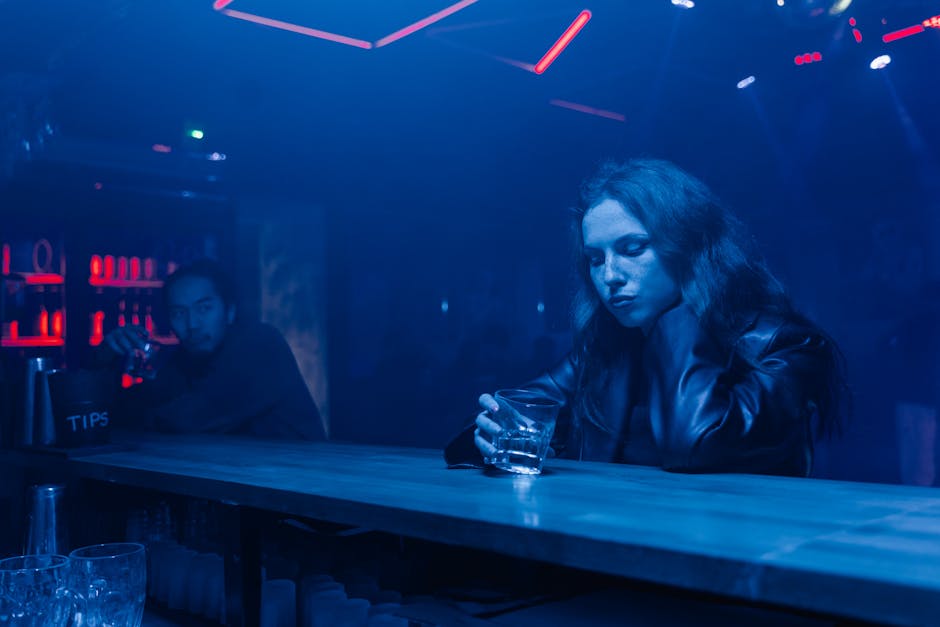
Photo: Two friends enjoying alcohol-free craft cocktails at a zero-proof bar in Berlin.
✈️ Best time to visit: Year-round; spring (April–June) and fall (September–October) for mild weather and fewer crowds.
💰 Estimated budget range: $80–$150 per day (midrange), including accommodation, alcohol-free drinks, and meals.
⏱️ How long to spend: 5–7 days to experience multiple dry venues in one city.
🎯 Difficulty level: Easy — most venues are well-marketed and accessible.
📍 Recommended season: Autumn, for lively sober events like Sober Oktoberfest in Berlin.
👥 Best for: Solo travelers, couples, and groups of friends exploring mindful socializing.
Introduction
I still remember the first time I walked into a zero-proof bar in London. The place was called Club Soda (now sadly closed, but its spirit lives on in the city’s dry movement). I was expecting a sad room of people sipping sparkling water. Instead, I found a buzzing space filled with laughter, clinking glasses, and bartenders shaking up concoctions that looked like jewels in crystal. A “Gin-less Tonic” with house-made distilled botanicals landed in front of me, and I didn’t miss the alcohol for a second. That night, I danced for three hours to a live DJ, met travelers from four continents, and woke up the next morning remembering every conversation.
I’ve spent the last five years covering the global rise of sober nightlife, attending dry festivals, and interviewing founders of alcohol-free bottle shops from Berlin to Brooklyn. I’ve seen the scene evolve from a niche curiosity to a full-blown movement. In this guide, I’ll take you to the two cities where alcohol-free partying has truly arrived: Berlin and London. You’ll learn where to find the best mocktails, which dry events actually feel like parties (not book clubs), and how to navigate these cities as a sober traveler. Whether you’re sober-curious, fully committed, or just want a night off the booze, these cities will change how you think about nightlife.
The Essentials at a Glance
- 🍸 Zero-proof bars abound: Both Berlin and London have dedicated bars serving sophisticated, complex non-alcoholic cocktails that rival traditional spirits.
- 🎉 Dry events are expanding: From alcohol-free club nights at Berlin’s ://about blank to London’s monthly Sober Social parties, the calendar is packed with inclusive options.
- 📱 Use apps to plan: Download “Sober Sidekick” or “Mindful Drinking” (for UK) to find pop-up events and verified dry venues in real time.
- 🛍️ Shop local zero-proof bottles: Visit shops like Dry & Bitter in Berlin or Sans Drinks in London to take home alcohol-free spirits, wines, and aperitifs.
- 👥 Meet like-minded travelers: Many dry venues host weekly meetups for solo travelers—perfect for making genuine connections without the haze.
The Complete Guide
Why This Matters / Why You Should Go
For years, socializing after dark has been synonymous with drinking. But a quiet revolution is happening. According to a 2023 report by IWSR Drinks Market Analysis, the no- and low-alcohol category grew by more than 7% globally, and in the UK and Germany, it’s outpacing traditional spirits. Yet the real story is cultural: people are craving authentic connection. At a sober party, you remember the conversations. You dance because you want to, not because your inhibitions are lowered. Berlin and London have embraced this shift wholeheartedly. Berlin, with its countercultural roots, offers gritty, inclusive spaces where the party continues past midnight, fueled by kombucha cocktails and sound systems that throb. London brings polish and creativity—a place where a mocktail menu is as carefully curated as a wine list. These cities prove that “sober” doesn’t mean “boring.” They are for anyone who wants to experience nightlife on their own terms: mindful, present, and genuinely fun.
When to Visit (Seasonal Guide)
Berlin: The city’s dry scene peaks in autumn. September’s Sober Oktoberfest at the Münze Berlin hosts hundreds of people for alcohol-free beer, music, and dancing. Winter (December–February) is cozy: “dry botanical bars” like Bohnen & Co. serve warm turmeric lattes with a kick of ginger. Summer (June–August) sees outdoor pop-ups, but many venues are indoors (and air-conditioning is rare), so evenings are best. Spring (April–May) offers mild weather and the start of dry festival season.
London: The dry scene is active year-round, but spring (March–May) is golden for events like the London Alcohol-Free Festival at Tobacco Dock. Summer brings rooftop zero-proof bars at venues like Bar Termini (Soho). Avoid August if you dislike crowds—London gets packed. Autumn (September–November) is excellent for cozy mocktail bars in Shoreditch.
Budget Breakdown
Accommodation: Budget hostels (€25–€45/night in Berlin, £30–£50 in London). Midrange hotels (€80–€130/night, £90–£150). For sober-focused stays, try Hackescher Markt area in Berlin or Shoreditch in London—walkable to dry venues.
Food & Drinks: A zero-proof cocktail costs €8–€12 in Berlin (£10–£14 in London). Meal: €12–€20 (£15–£25). You save a lot by skipping alcohol—expect to spend €30–€45 per day on food and drinks, versus €60+ with alcohol.
Activities: Many dry events are free or donation-based (e.g., Sober Social club nights in London charge £5 entry). Workshops like mixology classes at Dry & Bitter cost €35–€50.
Transport: Berlin’s day pass for public transport (€9.90) is a steal. London’s tube (Oyster card) costs about £8–£12 per day. Walking is best for central areas.
Daily total: Midrange budget: €90–€130 in Berlin, £110–£150 in London. Seven days: allow €700–€1,000 (£800–£1,100).
Money-saving tip: Buy a Berlin WelcomeCard for museum discounts and free transport; in London, book dry events online in advance—often 20% cheaper.
Getting There & Getting Around
Berlin: Fly into Berlin Brandenburg Airport (BER). From there, take the RE7 or FEX train to Hauptbahnhof (30–40 minutes, €3.80). For getting around, the U-Bahn and S-Bahn are efficient, and a 7-day pass costs €39.90. The dry bar district clusters in Friedrichshain and Neukölln—bike rentals (€10/day) are ideal for hopping between venues.
London: Arrive at Heathrow (long-haul) or Gatwick (European). The Heathrow Express to Paddington costs £25 (15 minutes). Cheaper: the Piccadilly Line (£5.50, 50 minutes). Within London, use the Tube (zones 1–2: £8.50 day cap). For zero-proof bars, focus on Soho, Shoreditch, and Hackney Wick—all walkable or a short bus ride.
Navigation tip: In both cities, download Citymapper for real-time transport. Berlin’s streets have alcohol-free bars tucked in back courtyards—don’t rely solely on Google Maps; ask locals or check dedicated Instagram accounts like @soberberlin.
Top Recommendations / Must-Do Activities
In Berlin: Visit Bohnen & Co. (Weserstraße 155) for the “Berliner Luft”—a non-alcoholic cocktail with elderflower, lime, and mint. The bartender there spent years perfecting the recipe. I sat at the bar, watching him work, and learned that many of their syrups are fermented in-house for depth without alcohol. On weekends, they host “Dry Dance” nights with a DJ spinning deep house until 2 a.m. Downside: It can get crowded; arrive before 9 p.m. to snag a stool.
Another must is Dry & Bitter (Sredzkistraße 43), a bottle shop and tasting room. The owner, Jan, can talk for an hour about non-alcoholic amaro. I attended a “Bitter Tasting” here—€35 for six sample-sized pours and small bites. The highlight was an alcohol-free vermouth that paired beautifully with a local cheese. Insider tip: Ask Jan about the monthly “Zero-Proof Picnic” in Mauerpark—it’s free and attracts a friendly crowd.
For a proper party, check ://about blank (Markgrafendamm 24c) on their “Sober Sundays.” This iconic club opens its doors for alcohol-free events with experimental electronic music. The industrial space feels raw; the crowd is diverse from 20s to 50s. I went alone and within an hour was chatting with a couple from Copenhagen. Downside: The sound system is loud—bring earplugs if you’re sensitive.
In London: Start at The Sober Social (various locations; check their Instagram for pop-ups). I attended one at a warehouse in Hackney Wick—£7 entry, dancing, and a mocktail bar serving “Elderflower Spritz” and “Smoky Fig Sour.” The energy was electric: people were dancing on a mezzanine, and no one was falling over. Insider tip: They sell out fast—tickets go live a week in advance.
Don’t miss Bar Termini (54 Frith Street, Soho). It’s technically a coffee bar by day, but after 6 p.m., it transforms into a zero-proof cocktail bar. Their “Negroni Bianco” (made with non-alcoholic gin and vermouth) is the best I’ve had—complex, bitter, and served with a twist of orange. Downside: It’s small (seats 12); you might wait outside. Visit on a Tuesday or Wednesday evening for a quieter experience.
Finally, visit Sans Drinks (32 Brushfield Street, near Spitalfields Market). This bottle shop carries over 300 alcohol-free wines, beers, and spirits. The staff let you sample before buying. I took home a bottle of “Seedlip Garden 108” (a herbal non-alcoholic spirit) and a can of “BrewDog Punk AF” for £22 total—a perfect souvenir.
Traveler’s Pro Tips
Join local Facebook groups: Search “Sober in Berlin” or “London Sober Socials” before you go. Members often share last-minute guestlist slots for exclusive dry parties that aren’t advertised publicly. In Berlin, I got into a secret alcohol-free club night at Ritter Butzke this way—free entry and a free mocktail.
Master the “mocktail order”: When a bartender asks what you want, say: “I’m looking for something complex with herbal or bitter notes—no sugar bombs.” Most zero-proof bars have savoury options (e.g., rosemary-infused, smoked pepper). If a bar doesn’t have a menu, ask for soda water with bitters and a splash of tonic—it’s surprisingly sophisticated.
Book ticketed events early: Dry club nights in London often cap attendance at 150 people. Tickets go on sale 1–2 weeks ahead on Eventbrite. Set a Google alert for “sober party London” to catch announcements.
Pack a reusable mocktail glass: I carry a lightweight, unbreakable glass (like a travel cup) to dry festivals. Many venues charge a deposit for glassware, and having your own saves £2–£3 per drink.
Use the “time zone” advantage: In Berlin, dry parties often start at 9 p.m., but the crowd doesn’t peak until 11 p.m.—it’s a late culture. In London, events tend to wind down by 11:30 p.m. because of tube restrictions. Plan your energy accordingly: take a nap in Berlin before heading out.
Common Mistakes to Avoid
Mistake 1: Assuming “non-alcoholic” means “kid-friendly.” I once brought a friend to a dry bar in Berlin, expecting a low-key vibe. It was a full-on party with flashing lights and loud techno. Why it happens: We associate no-alcohol with sobriety, not celebration. How to avoid: Check the venue’s Instagram or website for event descriptions—look for “club night,” “DJ,” “dancing.” If you want quiet conversation, look for “tasting room” or “mocktail lounge.”
Mistake 2: Not booking accommodation near the scene. I stayed near Berlin’s central station once, far from Friedrichshain’s dry bars. Getting home after midnight cost €25 in Ubers. Consequence: You miss out or overspend. Fix: Book a hotel in Kreuzberg or Neukölln (Berlin) or Shoreditch (London)—you can walk home from most dry venues.
Mistake 3: Relying on alcohol-free beer at regular bars. In London, I asked for a non-alcoholic beer at a pub near Covent Garden. They served a flat, warm bottle of Becks Blue. How to avoid: Use the “Mindful Drinking” app (UK) to find pubs that stock premium zero-proof options like “Heineken 0.0” or “Haiger.” In Berlin, look for bottles of “Clausthaler” in the fridge section, not at room temperature.
Mistake 4: Skipping daytime dry activities. Many travelers focus only on nightlife, but both cities host afternoon dry events: Berlin’s “Sober Brunch” at Café Kotti (with alcohol-free mimosas) and London’s “Zero-Proof Afternoon Tea” at Sketch (book weeks ahead). Consequence: You experience only part of the cool, sober-friendly culture.
Your Travel Checklist
- Documents: Passport (valid 6+ months), printed hotel confirmation, travel insurance card.
- Packing: Easy-to-carry reusable mocktail glass (see pro tips), earplugs for loud venues, a small notebook for tasting notes, and comfortable shoes for dancing.
- Research: Save 3–4 dry venues per city on Google Maps, check event calendars for Sober Social and ://about blank, download Citymapper and “Mindful Drinking” app.
- Bookings: Reserve tickets for ticketed events (at least 1 week ahead), book accommodation with free cancellation, and confirm that your hotel has a fridge (for storing any purchased zero-proof bottles).
- Health/Safety: Travel insurance covering medical needs, a small first-aid kit, and any medications. Carry a reusable water bottle—Berlin’s tap water is excellent.
- Local Currency: Euros for Berlin (bring some cash; some dry bars are card-only but tip in cash), credit card in London (almost everywhere accepts).
- Apps: “Sober Sidekick” for community support, “Eventbrite” for event tickets, “WhatsApp” for connecting with local groups.
Traveler FAQ
Q: Can I find non-alcoholic cocktails at regular bars in Berlin and London?
A: Yes, but quality varies. In London, many high-end cocktail bars (e.g., Scout London) serve bespoke mocktails if you ask. In Berlin, regular bars often have one or two options. For the best experience, stick to dedicated zero-proof venues listed in this guide—they use house-made syrups and premium alternatives like Seedlip.
Q: Are sober events open to people who still drink alcohol?
A: Absolutely. Most dry parties and bars welcome everyone—the focus is on inclusive, mindful socializing, not judgment. I’ve attended events where some people drank alcohol elsewhere and then came to hang out. However, don’t bring your own booze; it’s disrespectful to the venue’s mission.
Q: What’s the typical age range at dry nightlife events?
A: Very broad. In Berlin, I’ve seen 22-year-old students and 55-year-old professionals dancing together. In London, the crowd leans slightly younger (25–40) at club-style events, but tasting rooms and bottle shops attract older crowds. It’s one of the most intergenerational scenes I’ve encountered.
Q: Is it safe to go to sober parties alone as a solo traveler?
A: Extremely safe. The people I’ve met at these events are genuinely friendly and open—everyone is present, so conversations are deeper. Both Berlin and London have well-lit areas around the venues. I’ve never felt uncomfortable. That said, always tell someone your plans and keep your phone charged.
Q: Are there any all-night sober parties in these cities?
A: Berlin has a few. The ://about blank “Sober Sundays” run from 10 p.m. to 4 a.m. In London, club nights like The Sober Social end by 11:30 p.m. due to licensing. For later parties, consider a private after-party at someone’s flat—locals often invite attendees to continue the night. I’ve joined two such gatherings, and they were warm and welcoming.
Ready for Your Adventure?
You might worry that a sober night out will feel awkward, stilted, or plain boring. I’ll be honest: it’s different. There’s no liquid courage to fall back on. But that difference is the point. At a dry party in Berlin, I talked to a sculptor for an hour about his work, and I still remember his name. In London, I danced until my feet ached and woke up to a sunrise I actually saw. The best part? I didn’t lose anything—except the fear that nightlife required alcohol. The cities of Berlin and London have built spaces where you can celebrate without compromise: a dance floor that’s clear-headed, a cocktail that doesn’t end in regret, and a community that sees you for who you are. So pack a pair of dancing shoes, download a few apps, and step into the vibrant, alcohol-free future of nightlife. The music is playing, and the glass is raised—it’s entirely up to you what’s in it.


No comments:
Post a Comment