Best Places for a Writer’s Retreat Abroad: Where Words Flow in Ireland’s Quiet Towns and Morocco’s Medinas
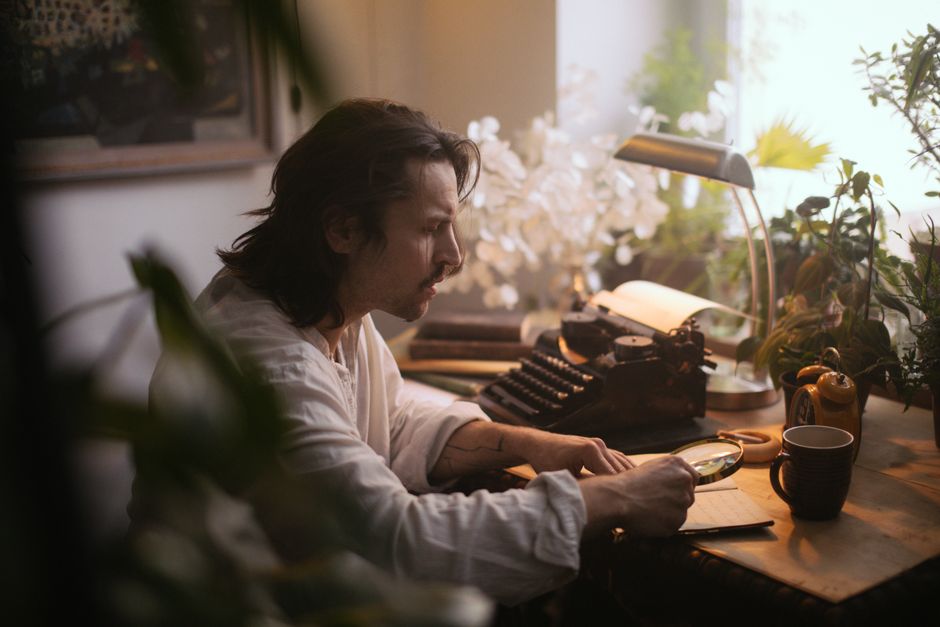
A quiet corner in the Irish countryside — the kind of view that turns blank pages into stories.
✈️ Best time to visit: May–September (Ireland); October–April (Morocco)
💰 Estimated budget range: $70–$200 per day (Ireland), $40–$100 per day (Morocco)
⏱️ How long to spend there: 2–4 weeks per location for deep creative immersion
🎯 Difficulty level: Moderate (requires planning for remote connectivity and local transport)
📍 Recommended season: Late spring/early autumn for both to avoid crowds and extremes
👥 Best for: Solo writers, creative writing residencies, digital nomads, couples seeking quiet inspiration
Introduction
The page was blank. Not the comforting white of a fresh start, but the mocking glare of a deadline I had already missed twice. I was sitting in my cramped flat in London, the hum of traffic a constant reminder that I couldn’t hear my own thoughts. That’s when I packed a single duffel bag, a fountain pen, and a copy of The Sea by John Banville. I booked a one-way ticket to a tiny village in County Clare, Ireland, where the only sound was the Atlantic crashing against limestone cliffs. That trip changed how I write—not because the location itself made me a better writer, but because it gave me the permission to be alone with my work. Since then, I have spent over three years traveling to writing retreats across a dozen countries, including two transformative months in the medina of Fes, Morocco. I have attended three formal creative writing residencies and self-hosted countless others in remote cottages and riads. What follows is not a generic list of hotels. It is a practical, experience-led guide to the best places for a writer’s retreat abroad, focusing on Ireland and Morocco—two countries that couldn’t be more different, yet each knows exactly how to cradle a writer.
The Essentials at a Glance
- 🌍 Ireland offers solitude with safety — The quiet towns of Doolin, Kenmare, and Roundstone have reliable cafes, guesthouses that welcome long stays, and Wi-Fi strong enough for research but weak enough to keep you writing.
- 🏜️ Morocco offers sensory overload that fuels creativity — In Fes and Essaouira, the chaos of souks and the stillness of rooftop meditations feed narrative in ways a silent room never can.
- 📚 Creative writing residencies are surprisingly affordable — Many retreats in both countries provide room, board, and workspace for $400–$900 per week, often with group critique sessions that sharpen your craft.
- 🍃 Nature is the co-writer — Whether it’s the Burren in Ireland or the Atlas Mountains in Morocco, the landscape actively teaches you about pacing, rhythm, and quiet drama.
- ☕ Routine is everything — The best retreat spots have a local café or tea house where you become a regular, which grounds your writing day in small, reliable rituals.
The Complete Guide
Why This Matters / Why You Should Go
Most writers I know struggle not with writer’s block but with the noise of ordinary life. Emails, social media, the laundry that needs folding, the friend who wants to grab dinner. A proper retreat abroad strips that away—not by force, but by geography. When you are in a quiet Irish town like Kenmare, where the pub closes at 11 p.m. and the only morning activity is a walk along the Kenmare River, your mind finally settles into the slow rhythm that sustained writers like Seamus Heaney and Edna O’Brien. I spent ten days in a stone cottage near Kilfenora and wrote 12,000 words of a novel I had been stalled on for six months. The reason: there was literally nothing else to do. Meanwhile, Morocco offers the opposite benefit—it overloads your senses with color, sound, and smell, which fills your mental reservoir with new material. In the medina of Fes, I wrote vivid descriptions of texture and light that I had never been able to capture in my grey London flat. These two destinations complement each other: Ireland gives you quiet depth, Morocco gives you vibrant breadth.
When to Visit (Seasonal Guide)
For Ireland, visit between May and September when daylight stretches past 9 p.m. and the weather is cool but rarely freezing. I made the mistake of visiting in late November once—the rain was relentless, the darkness set at 4 p.m., and my creative energy withered. August is busiest in tourist towns like Doolin, but the smaller villages retain their quiet. For Morocco, the best window is October through April. I went to Fes in July and nearly melted; the heat made it impossible to write during midday. Spring (March–April) is ideal—the almond blossoms are out, the medina is less crowded, and the light is golden. Avoid Ramadan unless you are prepared for altered hours (many cafes close during the day). One pro tip: shoulder seasons (May in Ireland, November in Morocco) offer the best balance of decent weather, low prices, and fewer tourists.
Budget Breakdown
I have tracked every expense on these trips. For Ireland: a private room in a guesthouse (like the Doolin Inn) runs $60–$90 per night. Mid-range B&Bs cost about $80–$120. Self-catering cottages (best for writers—I used Airbnb in Roundstone) cost around $700–$1,200 per week. Food is the biggest variable—if you cook, you can eat well for $25/day; eating pub dinners will run $40–$60/day. A car rental is essential (about $200–$350 per week), plus petrol ($60–$80). Daily total: $70–$200. For Morocco: a riad room in the Fes medina (I stayed at Riad Fes Relax) costs $25–$60 per night. A more upscale residency like Fes Festival’s retreats runs $500–$900 per week with meals included. Street food is $2–$5 for tagine or couscous. A private driver for a day trip to the Atlas Mountains costs about $70. Daily total: $40–$100. Money-saving tip in both countries: book accommodations that include a simple breakfast and have a kitchen or kitchenette so you can write through lunch and eat a big dinner out.
Getting There & Getting Around
For Ireland, fly into Shannon Airport (closer to Galway and the west coast writing towns) or Dublin if you plan to start in the east. From Shannon, rent a car—public transport to villages like Doolin or Roundstone is sparse and time-consuming. I drove from Shannon to Kinvara in one hour, and from there to the Burren region easily. Roads are narrow but well-marked; just be prepared for roundabouts and sheep crossings. For Morocco, fly into Fes-Saïss Airport (direct flights from several European hubs). From the airport, take a registered petit taxi (about $10) to the medina gates—cars cannot enter the narrow alleys, so your riad will send a porter with a handcart for your bags. Getting around the medina is by foot only; comfortable walking shoes are non-negotiable. For any day trips (e.g., to Meknes or Volubilis), hire a driver through your riad—I paid 600 dirham ($60) for a full day with a guide who also acted as a translator.
Top Recommendations / Must-Do Activities
1. Write at the Burren Perfumery (County Clare, Ireland). This is a tiny, family-run perfumery set in a limestone valley near Carron. They have a small tearoom with windows overlooking the Burren’s lunar landscape. I spent four mornings here, ordering a pot of Irish breakfast tea and writing until my hand cramped. The owner, an elderly woman named Orla, never once asked what I was working on—she just refilled my tea with a knowing smile. Insider tip: arrive by 9:30 a.m. before the tour buses arrive; the silence is absolute before 11 a.m. Downside: no Wi-Fi (bring a notebook).
2. Join a writing circle at the Fes Medina’s Cafe Clock (Morocco). Cafe Clock is a restored 19th-century house hosting camel burgers, camel milk shakes, and weekly writing workshops. I attended a Sunday afternoon session where a dozen writers from seven countries read aloud and gave feedback. It was raw, supportive, and utterly different from the sterile workshops I had attended in London. The rooftop view of the medina’s minarets is itself a prompt. Insider tip: book the writing workshop via their website in advance; it costs about $10 including tea. Arrive hungry—the camel burger is surprisingly good.
3. Self-drive the Ring of Kerry with stops in quiet towns (Ireland). The full circuit is 179 km, but the real magic is in the detours. I pulled over at a roadside café in Waterville, where a local woman told me that Charlie Chaplin had written part of The Kid in that very village. I spent one afternoon writing on a bench near the pier, watching seals bob in the water. Insider tip: skip the crowded town of Killarney and stay instead in Sneem or Kenmare—quieter, cheaper, and more authentic.
4. Stay in a riad with a writing room in Essaouira (Morocco). Essaouira’s fortified medina overlooks the Atlantic. I booked Riad Dar Naji, which has a small rooftop library with cushions and a view of the port. The constant wind and the cry of gulls became my background rhythm. Insider tip: go to the fish market at dawn (5:30 a.m.) and watch the fishermen haul their catch—it is vivid, brutal, and unfiltered material for your writing.
Traveler’s Pro Tips
1. Set one non-negotiable writing hour: In both destinations, I designate 7:00–8:30 a.m. as sacred time. No phone, no breakfast, no conversation. The morning brain is fresh, and the local world hasn’t fully woken yet. In Ireland, I write in the cottage garden; in Morocco, on the riad’s rooftop. It builds momentum.
2. Bring your own favorite tool, but be adaptable: I am a fountain pen and paper loyalist, but the Moroccan medina is a challenging place for ink (heat and dust). I brought a Moleskine and three pens, but also a Chromebook for backup. In Ireland, my fountain pen flourished; in Morocco, I used ballpoint. Accept the environment.
3. Learn three local phrases related to writing: In Ireland, “Slán” (goodbye) and “Go raibh maith agat” (thank you) open doors. In Morocco, knowing “shukran” (thank you) and “afak” (please) gets you better tea and a quieter table. I once told a tea seller in Fes I was a “katib” (writer in Arabic); he gave me a free mint tea and a smile.
4. Choose accommodation with noise control: In Ireland, thick stone walls block sound better than modern glass. In Morocco, riads with central courtyards are quieter than those facing the street. I once stayed in a Doolin guesthouse with thin walls—I could hear the couple next door arguing about sheep. Not helpful for poetry.
5. Leave one day completely empty per week: Don’t plan anything. Not a walk, not a visit, not a meal reservation. This empty day is where the subconscious works. I wrote the best plot twist of my current book during a “do nothing” afternoon watching rain fall on a Connemara field.
Common Mistakes to Avoid
1. Overpacking schedules: My biggest mistake in my first Irish trip was booking tours, tastings, and hikes every day. I returned without a single usable page. The retreat is for writing, not sightseeing. Lesson: block out at least four hours of uninterrupted daily writing time before adding any activity.
2. Ignoring the Internet situation: In the Irish countryside, I assumed all B&Bs had reliable Wi-Fi. My guesthouse in Roundstone had “shared” satellite internet that cut out at 6 p.m. daily. I lost two evenings of research. Always confirm connectivity directly with the property before booking, and bring a mobile hotspot as backup. In Morocco, many riads advertise Wi-Fi, but it’s often weak in interior rooms; ask for a room near the router.
3. Eating poorly to save money: I tried to cook exclusively in my Moroccan riad kitchen, but the small fridge and unfamiliar spices made it difficult. I ended up eating cheap street food for a week—which gave me a stomach upset and three lost writing days. Spend a little more on good restaurants for at least one meal a day; your body (and brain) will thank you.
4. Not booking creative writing residencies in advance: Many residencies (especially those connected to festivals or universities) fill up 4–6 months ahead. I showed up in Fes expecting to join a workshop—only to find the retreat was fully booked. Have a backup list of self-directed options.
Your Travel Checklist
Documents: Passport (valid 6+ months), printed accommodation confirmations, travel insurance with medical cover, emergency contacts. For Morocco, a printed copy of your visa if required (most nationalities get 90 days free).
Packing: Notebook (hardcover, no bleed-through), three pens (including ballpoint for heat), Chromebook/tablet with offline writing software, noise-canceling headphones, comfortable walking shoes, layers (Ireland: waterproof jacket, sweater; Morocco: light scarf for medinas, sunhat).
Research: Download offline maps (Google Maps works in Ireland, less so in Moroccan medinas—use Maps.me for Fes), book the first three nights of accommodation, check local writing events (e.g., Cafe Clock schedule).
Health/Safety: Hand sanitizer, basic first-aid kit, prescription medications in original bottles. For Morocco, bring Pepto-Bismol and activated charcoal; for Ireland, pack a compact umbrella.
Local Currency: Ireland: Euro (ATMs widely available). Morocco: Dirham (cash is king, especially in medinas—exchange at the airport or official bureaux).
Apps: Google Translate (download Arabic and Irish phrases offline), Voice Memo for dictating spontaneous ideas, Forest app to block distractions while writing.
Traveler FAQ
Q: Do I need to be a published writer to join a creative writing residency?
A: Not at all. Many residencies take applicants based on a writing sample and a statement of purpose. I attended a retreat in Ireland as an unpublished novelist—they just wanted to see commitment and potential. Check individual requirements; some are open to all levels.
Q: How do I stay safe alone as a solo female writer in Morocco?
A: I traveled as a woman alone and felt safe by following a few rules: dress modestly (shoulders and knees covered), stay in the medina during daylight, hire a registered guide for the first day to learn the layout, and never walk alone after dark in the smaller alleys. Trust your intuition—if a souk feels too intense, step into a cafe.
Q: Which country is better for a short retreat (one week)?
A: Ireland, because the quiet and safety mean you can settle into a writing rhythm within 48 hours. The journey itself is short from most European/North American hubs, and you don’t need to adjust to a completely different culture. For a one-week retreat, choose a single town in Ireland and don’t move around.
Q: Can I write effectively in a shared residency with other writers?
A: Yes, but it depends on your personality. I found group residencies (like the one at the Tyrone Guthrie Centre in Ireland) offered structured critique that pushed my work forward, but you do lose some solitude. If you need absolute quiet, choose a self-guided retreat. If you thrive on collaboration, a formal residency is worth it.
Q: What if I can’t afford a full retreat program?
A: You don’t need one. Rent a cottage in Ireland for a week outside the summer and cook your own meals—total cost can be under $500. In Morocco, a riad room with a rooftop writing space costs as little as $25/night. The place matters less than your discipline to sit down and write every day.
Ready for Your Adventure?
You don’t need a grant, a publisher, or a perfect first draft to go on a writer’s retreat. You simply need to choose a place that echoes the silence you are searching for. Ireland and Morocco both answer that call—one with rain-washed stone and the whisper of Atlantic wind, the other with the clamor of tanneries and the afternoon call to prayer. I have returned from both countries with full notebooks, renewed confidence, and a deeper understanding of my own voice. If you are hesitating because of cost, time, or fear of being alone, remember that every story you want to write is waiting for you in the quiet of a place you have never been. Book the cottage. Say yes to the riad. Put your pen to the page. The words will come.


No comments:
Post a Comment