The Only Travel Wardrobe You’ll Ever Need: Why Merino Wool & Versatile Brands Beat the Rest
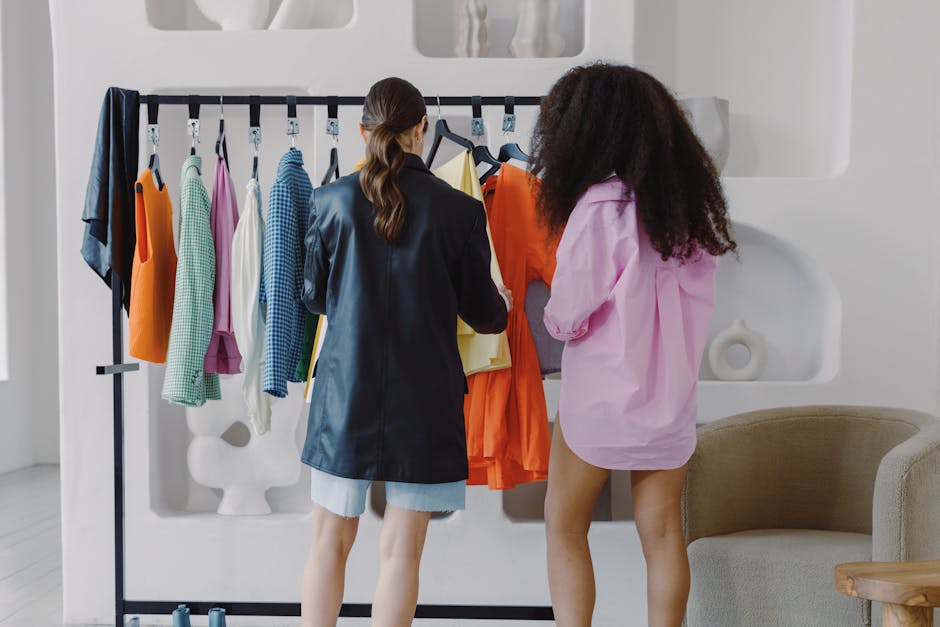
A single merino wool shirt can take you from a morning hike to an evening dinner without skipping a beat. That’s the beauty of packing versatile.
✈️ Best time to invest: Spring (March–May) or Fall (September–November) when transitional weather tests your layers.
💰 Estimated budget per item: $50–$150 for a quality merino wool shirt; $80–$200 for versatile travel pants. A full capsule wardrobe runs $400–$1,000.
⏱️ How long to build your kit: 2–4 weeks to research, try on, and return what doesn’t fit.
🎯 Difficulty level: Easy – it’s shopping, not mountaineering. But the decision fatigue is real.
📍 Recommended season for testing: Buy in early fall to road-test layers before winter trips.
👥 Best for: Solo travelers, digital nomads, minimalist packers, and anyone tired of checking bags.
Introduction
I’ll never forget the moment I realized my suitcase was my enemy. It was 2 a.m. in a rainy Kyoto alley, and I was fighting a stubborn zipper on a bag that held five shirts I hadn’t worn. My shoulders ached, my back sweated through a cheap cotton tee, and I smelled like regret. The next morning, I ditched half my clothes at a hostel donation bin and walked into a Montbell store with nothing but a credit card and a bruised ego. That purchase – a single, lightweight merino wool shirt – changed how I travel.
I’m not a fashion influencer. I’m a writer who’s spent the last eight years living out of a carry-on across forty countries. I’ve tested everything: from high-end Italian linen to budget synthetic blends. I’ve sweated through humid markets in Bangkok and shivered on trains through the Scottish Highlands. What I’ve learned is this: the best travel clothing isn’t about looking like an adventurer. It’s about versatility, comfort, and not smelling like one. Merino wool sits at the heart of that philosophy, but the brands that make it wearable – that’s where the real magic lies.
In this guide, I’m sharing the brands I trust with my wardrobe and, more importantly, my back. You’ll discover why a $90 merino tee is worth every penny, which pants can survive a 14-hour flight and a day of ruins, and how to build a capsule kit that fits in a 30-liter bag. No fluff, no brand hype – just what actually works on the road.
The Essentials at a Glance
- 🧶 Merino wool is not optional: It regulates temperature, resists odors, and dries fast. If you buy one thing, make it a merino base layer from Icebreaker or Smartwool. I’ve worn mine for five days straight in the Balkans with zero smell.
- 👖 Versatile pants rule: Look for a blend of nylon and spandex with a clean cut. Outlier Slim Dungarees look like chinos but move like activewear. I’ve worn them hiking in Patagonia and to a Michelin-star dinner in Tokyo.
- 👟 One pair of shoes does not exist: But two that pack flat do. I swear by Allbirds Tree Runners for walking and Xero Shoes Prio for fitness. They weigh under a pound together.
- 🧥 Layering is the only strategy: A packable down jacket from Uniqlo over a merino shirt works from 30°F to 70°F. I use my Uniqlo vest as a pillow on flights.
- 🩲 Ditch cotton underwear: Patagonia Barely Hipsters or ExOfficio Give-N-Go are antimicrobial, quick-dry, and don’t ride up. I own three pairs that have lasted four years of constant travel.
The Complete Guide
Why This Matters / Why You Should Go (for the Brands)
Let’s be honest: there are thousands of clothing brands screaming for your attention. Most of them are selling a fantasy – that buying the right jacket will make you an explorer. I’ve fallen for it. I once spent $400 on a “travel shirt” that wrinkled if you looked at it wrong. The brands that matter don’t care about looking cool on Instagram. They’re obsessed with fabric technology, durability, and how a garment performs after a month of abuse.
The top brands share three traits. First, they invest heavily in merino wool. This isn’t your grandmother’s scratchy sweater. Modern merino is machine-washable, has fibers under 20 microns thick, and can be worn for days without washing. Second, they prioritize versatility. A shirt from Wool & Prince is designed to be worn on a plane, to a meeting, and on a trail. Third, they offer realistic warranties. Patagonia will repair anything for life. Outlier offers a 45-day test period. These companies trust their products because they’ve actually stress-tested them.
Who benefits most? Anyone who hates checking bags, travels for more than two weeks, or visits climates with temperature swings. I’m talking to you, the person who’s tried to roll a blazer into a carry-on. These brands can reduce your load by 40% while increasing your comfort. They’re not cheap, but they’re cheaper than buying new clothes every time you land.
When to Visit (Seasonal Buying Guide)
You don’t visit these brands; you wear them. But the best time to buy is during seasonal transitions. Spring (March–May) and Fall (September–November) are when brands release their most versatile pieces – lightweight merino tees, mid-layer hoodies, and convertible pants. I’ve also found that Icebreaker and Smartwool discount last season’s colors by 30–40% in January and July. That’s when I stock up.
Summer (June–August) is brutal for merino – you want the lightest weight (150 g/m²). Winter (December–February) is for heavy base layers (250 g/m²). If you’re traveling to a place with 50-degree swings, like the desert Southwest, buy a 200 g/m² midweight and layer it. I wore my Ridge Merino Journey Hoodie in Death Valley at night and in a hot spring in Iceland. It never let me down.
Budget Breakdown
Building a quality travel wardrobe is an investment, not an expense. Here’s what I’ve spent after years of trial and error. Prices are in USD and approximate (2025).
- Merino T-shirt (Icebreaker or Smartwool): $70–$100. I own two – a black and a navy. They rotate every other day, and I wash one in a sink every three days.
- Versatile Pants (Outlier Slim Dungarees): $198. I wore them every day for six months across Europe and Asia. They look new after 500+ wears.
- Packable Down Jacket (Uniqlo Ultra Light Down): $80–$100. It compresses to the size of a water bottle. I’ve worn it in snowy Budapest and as a blanket on a night bus in Peru.
- Walking Shoes (Allbirds Tree Runners): $98. They last about 2,000 miles of city walking. I’ve replaced the insoles once.
- Underwear (ExOfficio Give-N-Go): $24 per pair. I own three. They dry in two hours after a sink wash.
- Merino Socks (Darn Tough): $25 per pair. Lifetime warranty. I’ve never worn through a pair in five years.
Total for a full capsule: ~$650–$900. That’s less than the cost of a checked bag fee for life, and it replaces 15+ cheap pieces that wear out. Money-saving tip: start with one merino shirt and one pair of versatile pants. Wear them for a month. Then add.
Getting There & Getting Around (How to Buy and Test)
You can’t hike to these brands, but you can order them online. Most offer free returns. I recommend buying from Outlier, Ibex, or Woolx directly, because their sizing guides are honest. Avoid Amazon knockoffs – I learned this when a $30 “merino” shirt pilled after one wash and smelled like a wet sheep within hours.
For navigation, use the brand’s size chart, then order two sizes. Try them on in natural light, move around, bend over. If a shirt restricts your shoulder range or a pant doesn’t have a gusseted crotch, send it back. I once kept an ill-fitting shirt because I thought it was “good enough.” It wasn’t. I donated it after three trips.
If you’re in a major city, visit an REI or a dedicated outdoor store. I’ve tried Smartwool shirts in REI Denver and Patagonia jackets in a Tokyo shop. Nothing beats feeling the fabric weight. But for niche brands like Outlier or Wool & Prince, you have to order online and trust the return policy. Their New York showroom is worth a visit if you’re near SoHo.
Top Recommendations / Must-Buy Pieces
Icebreaker Men’s Tech Lite II Tee: This is the shirt that started my merino obsession. It’s 150 g/m² – light enough for 95°F days but insulates under a jacket. I’ve worn it in Hawaii, the Andes, and a rainy Seattle. The stitching on the shoulders held up after a 50-pound backpack rubbed for 200 miles. Downside: the neckline can stretch after a year. I own two, and they’re still my daily drivers after four years.
Outlier Slim Dungarees: I’ve never recommended a product more. They’re made of a four-way stretch nylon that looks like cotton twill. I’ve spilled coffee on them (beads up and wipes off), climbed a glacier in Iceland (they dried in 15 minutes after a meltwater dip), and worn them to a wedding in Portugal. The downside? At $198, they’re expensive. But I’ve paid $30 per year of wear so far, and they’ll last another decade. My one gripe: the waistband can feel stiff for the first week.
Darn Tough Micro Crew Cushion Socks: I have a love-hate relationship with socks. These are the ones I love. Merino wool blend with a lifetime warranty. I’ve worn them for 10-day backpacking trips without a single blister. They dry overnight. The only negative is they’re warm in summer – I switch to thinner ones in the tropics.
Uniqlo Ultra Light Down Vest: This is the unsung hero of my closet. It weighs 180 grams, packs into a pouch, and adds 15 degrees of warmth over a merino tee. I’ve worn it hiking in Scotland, as a pillow on a sleeper train, and under a rain shell in Patagonia. It’s not waterproof, so don’t wear it in drizzle without a shell. But for $80, it’s the best value piece I own.
Traveler’s Pro Tips
Tip 1: Test your gear at home for a week. Don’t take a new shirt on a trip. Wear it to the office, on a run, to bed. If it doesn’t feel right after five wears, return it. I once packed a jacket that chafed my neck – I discovered it on day two of a two-week trip and had to buy a scarf.
Tip 2: Hand wash merino with Eucalan or Soak. Regular detergent strips the natural lanolin. I use a dash of Eucalan in a hostel sink, soak for 15 minutes, and roll in a towel to dry. My shirts look new after 100+ washes.
Tip 3: Prioritize dark colors – seriously. Light merino picks up dirt visibly. I own black, charcoal, and navy. They hide sweat stains and coffee spills. I learned this after a white merino shirt turned yellow in a humid market in Bangkok.
Tip 4: Never buy a “travel blazer.” Every one I’ve tried is either too stiff to pack or too flimsy to wear. Instead, wear a merino crewneck sweater from Lloyd’s or Icebreaker. It dresses up with chinos and down with jeans. I’ve worn mine to dinners and on overnight trains.
Tip 5: Buy one piece per trip. Don’t try to build a full capsule overnight. On each trip, add one new item. I bought my first merino tee in 2019, my Outlier pants in 2020, and my Darn Tough socks in 2021. By 2023, I had a complete system that I know works because I tested each piece in the field.
Common Mistakes to Avoid
Mistake 1: Overpacking “just in case” items. I used to bring a heavy fleece, a rain jacket, and a windbreaker “just in case.” They filled half my bag. Now I bring one packable down and one shell. Unless you’re climbing Everest, you don’t need multiple jackets. My consequence: I’ve carried an extra fleece for 500 miles without wearing it once.
Mistake 2: Ignoring the fabric content. A “blend” can mean 10% merino and 90% polyester. That won’t smell-proof you. I bought a “merino” shirt from a fast-fashion brand that smelled like gym socks after one day. Check the label – at least 75% merino for odor resistance. I always look for the percentage now.
Mistake 3: Buying shoes based on style, not function. I wore leather boots to Southeast Asia once. They took ten days to dry after a downpour, blistered my heels, and weighed five pounds. Now I wear mesh, lightweight shoes that drain water and weigh under a pound. My feet have never been happier.
Mistake 4: Not doing a test wash. I once bought a pants that said “machine wash cold” and they shrank two sizes. Always hand wash the first time in warm water to see if they shrink. I ruined a $150 pair of pants this way. Learn from my stupidity.
Your Travel Clothing Checklist
- Documents: Packing list printed, brand warranty cards (Darn Tough, Patagonia), and a list of store locations for returns/exchanges.
- Packing: 2 merino tees, 1 pair versatile pants, 1 packable down jacket, 1 merino hoodie, 3 pairs Darn Tough socks, 3 ExOfficio underwear, 1 pair Allbirds or Xero Shoes. Total weight: under 10 lbs.
- Research: Check your destination’s humidity and temperature range. Merino 150 g/m² for hot/humid; 250 g/m² for cold/dry.
- Bookings: If you’re flying budget, pay for a slightly larger personal item bag. I use a 30L backpack that fits your capsule perfectly.
- Health/Safety: Carry a small bottle of Eucalan for hand washing. Merino takes 2 hours to dry, so wash at night.
- Local Currency: Some brand websites ship internationally from local warehouses. Check for duties before ordering. I once paid 30% import tax on an Outlier delivery to the UK.
- Apps: Use the REI app to find stores near you for in-person testing. Download “Wool & Prince” for direct orders.
Traveler FAQ
Q: How often do I need to wash merino wool?
A: Way less than you think. I wear a merino tee for 4–5 days straight before washing. The wool’s lanolin naturally resists odors. If you’re in a humid climate, it’s more like 3 days. Sink wash with a drop of Eucalan and it’s ready in the morning.
Q: Is expensive merino worth it over synthetic?
A: Yes, for smell and temperature. I’ve worn $40 poly-blend shirts that smell after 12 hours. My $90 Icebreaker tee lasts five days without odor. Also, merino handles sweat better – it doesn’t feel clammy. But if you’re on a tight budget, start with one merino and one synthetic.
Q: Can I wear merino in summer?
A: Absolutely. Get a lightweight fabric (150 g/m² or less). I wore merino in 100°F heat in Death Valley. It breathes better than cotton and wicks sweat. Just don’t buy a 250 g/m² thickness – that’s for winter.
Q: How do I prevent merino from pilling?
A: Pilling happens with friction from backpacks or seatbelts. I use a fabric shaver once a month – costs $15 on Amazon. Also, don’t tumble dry; air dry flat. My Icebreaker shirt pilled slightly on the shoulders after 50 wears, but a quick shave fixed it.
Q: Are there women-specific brands you recommend?
A: Ibex makes excellent women’s merino that fits curves better. Smartwool also has a dedicated women’s line with varied fits. My female travel partner swears by Woolly Clothing for dresses and tees that double as workwear and hiking gear.
Ready for Your Adventure?
Here’s the truth: your clothing shouldn’t be the star of your trip. It should be the silent support crew – comfortable, reliable, and invisible. When I look back at my best travel memories – watching the sun rise over Angkor Wat, eating street food in Mexico City, walking through lavender fields in Provence – I don’t remember the shirt I wore. But I remember feeling unencumbered. My bag was light, my clothes worked, and my brain was free to focus on the moment.
If you’re hesitating because of the cost, remember this: a $90 merino tee that lasts five years is cheaper than five $30 cotton tees that wear out after three washes. This isn’t about buying stuff; it’s about buying freedom from checked bags, baggage fees, and the mental load of “what am I going to wear?”
Start with one piece. Maybe it’s the Icebreaker tee I still wear after eight years. Maybe it’s the Outlier pants that survived a monsoon. Whatever you choose, give yourself a month to test it. Walk your city streets. Wear it to work. Then, when you zip that 30-liter bag and board a plane with nothing more than a quiet smile, you’ll know exactly what I mean.
Now go pack. Your adventure is waiting.


No comments:
Post a Comment