Why Your Trip Needs a Bulletproof Security System (And You Don't Need to be Paranoid)
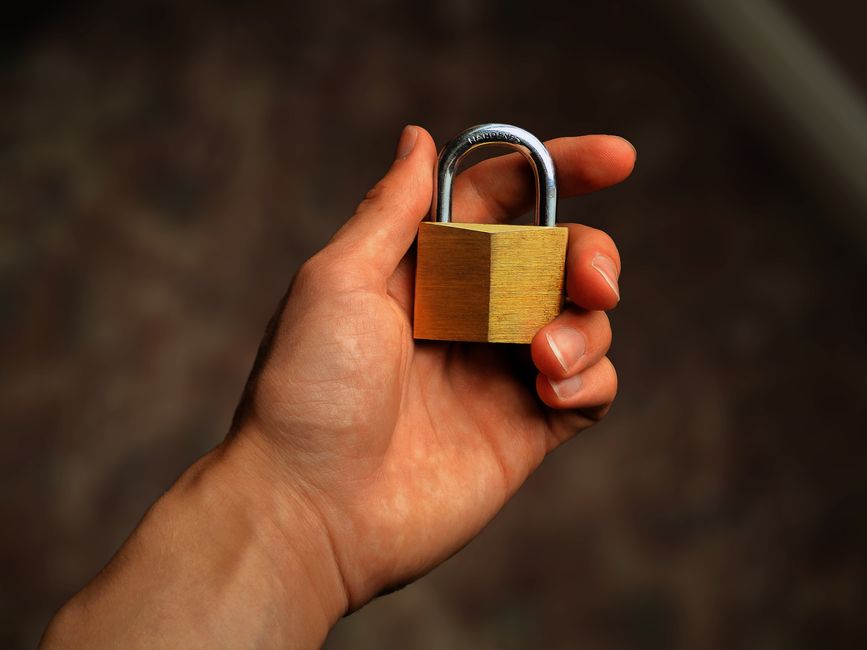
A selection of essential travel locks and cables ready for a trip. The right gear can make the difference between a relaxed journey and a stressful one.
✈️ Best time to buy: Before your trip (online or at outdoor stores)
💰 Estimated budget range: $15–$60 for a complete security kit (locks, cable, RFID wallet)
⏱️ How long to spend choosing: 15 minutes researching, 5 minutes packing
🎯 Difficulty level: Easy—any traveler can use these tools
📍 Recommended season: Any; security is year-round
👥 Best for: Solo travelers, hostel dwellers, budget backpackers, and anyone carrying valuables abroad
I’ll never forget the moment I unzipped my backpack in a crowded Ho Chi Minh City hostel dorm and found my DSLR missing. I’d trusted a cheap combination lock that had popped open when I wasn’t looking. The thief was gone, my camera was gone, and my trip turned into a frantic visit to the local police station. That gut‑punch taught me a lesson I’ve carried ever since: travel security isn’t about being paranoid—it’s about being prepared. Over fifteen years of solo and group travel across six continents, I’ve tested dozens of locks, cables, pouches, and anti‑theft bags. I’ve had locks fail in freezing Patagonian nights, and I’ve seen a simple cable turn a hostel nightmare into a non‑event. In this guide, I’ll break down exactly which travel locks and security tools actually work, how to use them without hassle, and what mistakes I’ve made so you don’t have to. You’ll learn how to protect your passport, laptop, and peace of mind—without turning your trip into a prison cell.
The Essentials at a Glance
- 🔒 TSA‑approved combination locks save you from having your bag cut open at security—use them on checked luggage and hostel lockers.
- 🔗 Cable locks are worth their weight in gold: wrap one around your bag strap and a fixed chair in a café or train.
- 🛡️ RFID‑blocking wallets are cheap insurance against electronic pickpocketing in crowded markets and metro stations.
- 🎒 Anti‑theft backpacks with hidden zippers and slash‑resistant fabric are game‑changers for urban travel.
- 🧳 Never leave a lock on a locker you don’t own—I once had a hostel manager cut mine off because they needed the locker.
The Complete Guide
Why This Matters / Why You Should Care
Travel security isn’t about fear—it’s about freedom. When you know your belongings are safe, you can fully immerse yourself in the moment: staring at the Northern Lights in Iceland without glancing back at your bag, or snorkeling in Thailand without worrying about your flip‑flops. The reality is that theft happens everywhere—hostels, trains, beaches, even temples. In my experience, most thieves are opportunistic, not masterminds. They’re looking for an unlocked zipper, a bag left unattended, a lock that looks flimsy. A simple $10 cable lock often deters them because they’d rather move to an easier target. That’s why the right gear matters: it transforms you from an easy mark into a savvy traveler. And it’s not just about stuff—losing your passport, credit cards, or phone can derail a trip for days. Security gear is the cheapest travel insurance you’ll ever buy.
When to Buy and Upgrade (Seasonal Guide)
There’s no “bad season” to buy travel locks, but the best time to upgrade your gear is before a trip, not after. I always advise buying two weeks before departure—enough time to test the lock at home (make sure the combination works and isn’t sticky). Retail stores like REI or Decathlon have sales in late spring and early fall, but online prices are usually lower year‑round. For RFID wallets, buy after a major credit card breach—the demand spikes, but so do sales. If you’re traveling during peak season (June–August in Europe, December–January in Southeast Asia), crowds mean higher pickpocket risk, so buy your gear beforehand. Off‑season (October–March in the Caribbean) has fewer tourists and lower temptation—but don’t get complacent. I once had a bag slashed in a nearly empty bus station in Bolivia in February.
Budget Breakdown
Here’s what a solid security kit costs based on my purchases across multiple trips:
Basic: $15–$25 — One TSA‑approved combination lock ($8–12), a 3‑foot cable lock ($5–8), and a simple RFID‑blocking card sleeve ($3–5). Enough for hostel lockers and checked bags.
Mid‑range: $30–$50 — Adds a heavier‑duty cable lock ($15) with a coiled design that’s hard to cut, plus a full RFID‑blocking wallet ($20) and a small portable safe like the Pacsafe ($30).
High‑end: $50–$80 — Includes an anti‑theft backpack like the Pacsafe Venturesafe ($90–$120) or a Travelon bag with slash‑resistant straps and locking zippers. I’ve used the Travelon Classic for two years—it’s worth every penny in crowded cities like Rome or Bangkok.
Money‑saving tip: Buy a set of three identical TSA combination locks. Set them all to the same code—you’ll never fumble for the right number. I learned this after losing a lock in a Berlin hostel and not having a spare.
Getting the Gear & Using It
You can buy travel locks and security items at outdoor stores (REI, MEC, Decathlon), luggage shops, or online giants like Amazon. I recommend starting at a physical store to feel the quality—some cheap locks feel flimsy or have weak shackles that can be snipped with wire cutters. For navigation in practice: always lock your bag to a fixed object in a hostel dorm (like a bed frame or locker). On trains, thread the cable through your bag’s handle and around the luggage rack or under your seat. I once used a cable lock to attach my daypack to a park bench in Buenos Aires while I took a photo—no one touched it. For RFID, the wallet goes in a front pocket or a money belt. Cost: a decent cable lock is $10–15, TSA locks $8–12, RFID wallet $15–20. Total for a solid kit: about $40. That’s less than a single lost credit card replacement fee.
Top Recommendations / Must‑Have Items
Over the years, I’ve settled on a shortlist of gear that I trust implicitly:
1. Master Lock 4688D TSA‑Approved Combination Lock: $10 on Amazon. Three‑digit dial, sturdy metal body, and it survived a trip where my backpack was tossed in a cargo hold. Pro tip: set the combo to a number you remember, like your birthday, but hide it in a note on your phone. I once blanked on my own combo in a panic—never again.
2. Pacsafe Retractasafe 100 Cable Lock: $25. A 6‑foot retractable cable that coils into a tiny pouch. I’ve used it in hostels, sleeper trains, and even at a beach restaurant in Thailand where I locked my bag to a table leg. It’s slim, lightweight, and the cable is thick enough to resist bolt cutters for a minute—enough to deter a thief. Downside: the retraction mechanism can jam if you’re careless; I had to unjam it once with a screwdriver.
3. Travelon Anti‑Theft Classic Backpack: $85. This bag changed my travel life. It has slash‑resistant straps, locking zippers (pull the zipper pulls into a hidden clip), and an RFID‑blocking pocket. I’ve worn it through the Barcelona metro, the Marrakech medina, and the Delhi bazaar—no incidents. The only negative is that the front pockets are a bit small for a water bottle.
4. Lewis N. Clark RFID‑Blocking Passport Wallet: $15. Slim, holds my passport, two credit cards, and a pen. I used it in the Rome Termini station where a guy bumped into me—the RFID block saved my credit card data. Fit it in a front pocket, not a back one.
5. Eagle Creek Pack‑It Cube with Locking Zipper: $20. Not a lock itself, but a compression cube that fits inside a larger bag—add a small padlock to the cube’s zipper for double protection. I kept my spare cash and a backup phone in this inside a hotel safe in Morocco.
Traveler’s Pro Tips
Test every lock at home before you leave: I once bought a cheap lock in a Kathmandu market that seized up in the humidity. Set the combination, lock and unlock it a dozen times. If it feels sticky, return it. Your trip isn’t the place for a trial run.
Use a carabiner as a visual deterrent: A simple locking carabiner ($5) clipped through two zipper pulls makes a bag look locked—even if it isn’t. Thieves often move past it because they assume it’s secured. I do this on daypacks in crowded places like the Paris Metro.
Hide a key lock in your shoe or first‑aid kit: If you use a key lock (not TSA), keep a spare key in a hidden pocket. I once dropped my only key in a hostel bathroom sink—the drain swallowed it. Now I always carry a spare taped inside my first‑aid kit.
Lock your bag to yourself on overnight buses: Thread a cable lock through your bag’s handle and around your leg or the seat frame. In a sleeper bus in Peru, the driver admitted people sometimes steal bags from under the bus—my cable lock prevented that.
Don’t lock your daypack’s main compartment if you’re using it constantly: Instead, use a small lock on the side pocket that holds your wallet. That way you only have to unlock it when you need cash, and a pickpocket can’t slip a hand in while you’re distracted. I learned this after a near‑miss in a crowded Istanbul spice market.
Common Mistakes to Avoid
Mistake #1: Using a cheap combination lock on checked luggage. I watched a woman’s cheap plastic lock get shattered by TSA agents in Frankfurt because they couldn’t open it—they cut the zipper instead. Solution: always buy a TSA‑approved lock with a metal shackle, and write the combo inside your bag in case you forget.
Mistake #2: Leaving a lock on a hostel locker when you check out. I did this in a hostel in Sydney—the manager cut it off, and I lost a decent lock. Why it happens: you’re in a rush. How to avoid: attach a small carabiner to your lock so you physically clip it to your bag when not in use.
Mistake #3: Relying only on a locker in your room. A locked locker is great, but if the locker itself isn’t bolted down, a thief can walk away with it. I saw this happen in a hostel in Cusco—they stole the entire locker. Solution: use a cable lock to secure the locker to a bed frame or wall fixture.
Mistake #4: Forgetting that zippers can be popped with a pen. A pen can easily slide into a zipper’s pull and separate the teeth—a common trick in pickpocket hotspots. How to avoid: buy a bag with locking zippers (like Travelon) or use a small carabiner to link the two zipper pulls together. It’s a $2 fix for a $200 problem.
Your Travel Security Checklist
- 📄 Documents: Copy of passport (printed and in cloud), visa printouts, travel insurance card, emergency contacts.
- 🎒 Packing: Two TSA‑approved combination locks, one cable lock (6‑foot minimum), RFID‑blocking wallet, small carabiner for zippers.
- 🔍 Research: Check hostel reviews for locker security (look for “locker” in recent reviews). Note TSA rules for your destination (some countries don’t require TSA locks).
- 📱 Bookings: Use a password manager to store lock combos (I use Bitwarden). Reserve a hostel with in‑room lockers if possible.
- 🩹 Health/Safety: Pack a small first‑aid kit that includes a mini screwdriver for lock jams (I’ve used one twice).
- 💴 Local Currency: Keep $50 emergency cash hidden in your shoe or a dummy tube (not in your wallet).
- 📲 Apps: Download a locker‑finder app (some hostels have them) and a compass app to navigate quickly in crowded areas.
Traveler FAQ
Q: Can I use a padlock without a key for hostel lockers?
A: Yes, a combination lock works fine for most hostel lockers. Just make sure the shackle is long enough—some lockers have small holes that need a thin shackle. I recommend the Master Lock 4688D; its shackle fits 90% of lockers I’ve seen. Test it at home on a locker‑sized hole.
Q: Are TSA locks worth it if I only travel domestically?
A: Absolutely—even on domestic flights, TSA agents or airline staff might need to open your bag. I once had a domestic flight in the US where a TSA agent needed to inspect my bag; the lock was kept intact. They’re also sturdier than cheap alternatives.
Q: How do I prevent RFID theft without a special wallet?
A: Use aluminum foil as a cheap barrier—wrap your cards and passport in a piece of foil folded like an envelope. I did this for years before buying a proper RFID wallet. It works but is less durable. Another trick: place your cards inside a metal mint tin (like Altoids). Tested it in a market—no signal.
Q: What’s the best lock for a checked bag that I might forget the combo for?
A: Use a key lock instead. Keep the key on a retractable badge reel clipped to the inside of your bag—you can’t forget it because it’s attached to the bag. I switched to this after a forgetful moment in a hotel in Tokyo.
Q: Can pickup thieves steal from a locked bag on a train?
A: Yes—they can cut the lock or take the whole bag if it’s unsecured. Always use a cable lock to attach your bag to the seat or luggage rack. I’ve seen it happen on a train in Italy: a woman’s bag was locked but not attached, and someone ran off with it. Don’t be that person.
Ready for Your Adventure?
Travel security isn’t about living in fear—it’s about packing confidence. Every time I lock my bag to a hostel bed or slide an RFID wallet into my front pocket, I’m not adding a burden; I’m removing a worry. That freedom lets me disappear into the moment—whether it’s watching a sunrise over Angkor Wat or haggling for spices in a Marrakech souk. The best trips aren’t the ones where you never face a risk—they’re the ones where you’re prepared enough to handle it. So go ahead: buy that $10 lock, test it tonight, and pack it tomorrow. Your future self, staring at a Northern Lights display without glancing back at your bag, will thank you. Now get out there and travel smart—the world is waiting.


No comments:
Post a Comment