Beyond the Plastic Bottle: Why a Filter or Collapsible Water Bottle is Your Most Essential Travel Gear
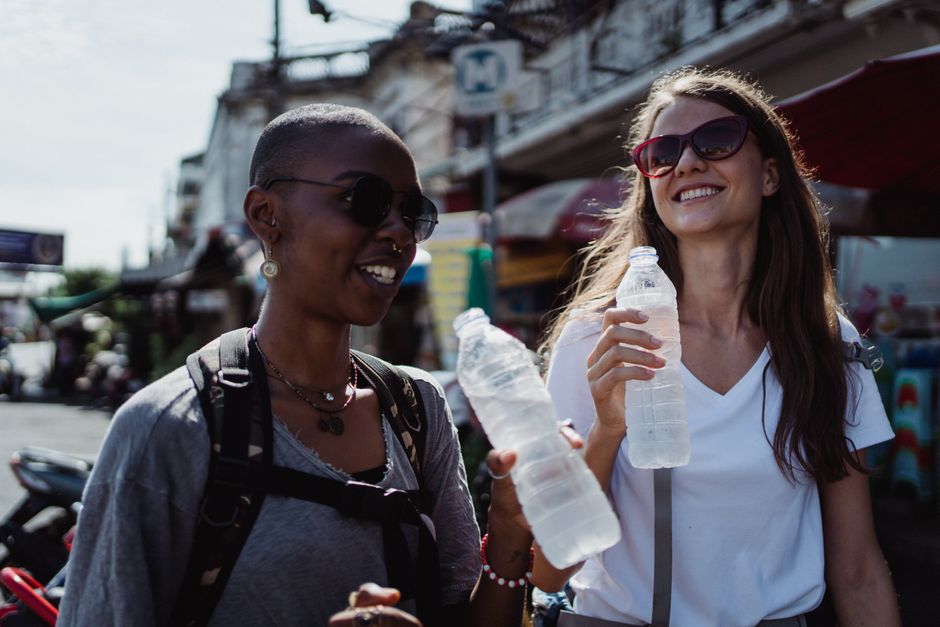
Filling up from a safe tap on the road saves money, plastic, and hassle.
Quick Stats for the Committed Traveler
✈️ Best time to buy: Pre-trip, before you leave home. ⏱️ Time to research: 30 minutes. 💰 Budget range: $15 – $50 (one-time investment). 🎯 Difficulty level: Easy (just fill and go). 📍 Best for: solo adventurers, backpackers, families, digital nomads. 👥 Key benefit: saves you money and the planet, one sip at a time.
Introduction
I remember my first big solo trip to Southeast Asia vividly. I was young, naive, and standing in front of a convenience store in Bangkok, staring at a wall of plastic water bottles. The heat was oppressive, my throat was dry, and I bought a bottle. Then another. And another. By the end of two weeks, I had a guilty mountain of single-use plastic in my hostel bin. I felt wasteful, and my wallet was lighter for it. That trip was my wake-up call.
Traveling has taught me one undeniable truth: the right water bottle is not just an accessory—it is survival gear. Whether you are hiking in the Andes, navigating a bustling city, or camping in a national park, you need a vessel that keeps up. I have personally tested over a dozen bottles in the last five years across three continents. I have spilled, dropped, forgotten, and refilled them all. My expert advice comes from real-world trials, not marketing brochures. In this guide, I will show you exactly why a filter bottle and a collapsible bottle are the two best investments you can make for your travel kit. You will learn the difference between them, when to use each, and which specific models have passed my road test. No fluff, just honest, practical advice from someone who has been dehydrated and overpacked.
The Essentials at a Glance
- 🌍 Stop buying plastic: A filter bottle lets you drink from taps in countries where the water is questionable. Pure, safe hydration anywhere.
- 🎒 Save backpack space: A collapsible bottle folds flat when empty, freeing up room for souvenirs or gear.
- 💧 Taste matters: Many filter bottles improve the flavor of tap water by removing chlorine and sediment. You will actually enjoy drinking it.
- 💰 Earn back your investment: After just a few refills, your bottle has paid for itself compared to buying single-use bottles daily.
The Complete Guide
Why This Matters / Why You Should Go
You might think, “I can just buy a bottle of water anywhere.” That is true. But that mindset ignores the real cost. Financially, buying water adds up fast—especially at airports, tourist spots, and in places like Scandinavia where tap water is free but bottled water is expensive. Environmentally, the plastic crisis is no joke; travelers are a significant part of the problem. But the biggest reason to upgrade your bottle is convenience and safety. A quality filter bottle gives you the freedom to fill up from any public tap, river, or stream without worrying about getting sick. I have used mine to get water from questionable bathroom sinks in rural Morocco and mountain streams in Patagonia. A good filter is a lifeline. Meanwhile, the collapsible bottle solves a different problem: space. On a recent long-haul flight, I packed my collapsible bottle flat in my daypack, then filled it at the airport water station after security. It took zero space in my luggage. This combination of filter + collapsible is the ultimate travel hack for the modern wanderer. It is for the eco-conscious, the budget-savvy, and the light packer.
When to Buy (Not a Seasonal Guide, But a Decision Guide)
There is no “season” for buying a water bottle, but there is a strategic time: buy it before your trip begins. Do not wait until you land in a new country. You want to test your bottle at home. Fill it, drink from it, check for leaks, and get used to the flow rate. I once bought a filter bottle in the airport, only to discover it leaked in my bag on the first day. That was a wet disaster. Also consider the climate of your destination. If you are traveling to a hot, humid place, you will need a larger capacity (at least 600ml) for a filter bottle. For cold climates, a collapsible bottle is perfect because you can tuck it away when not in use. Think about your trip type: urban travel? Both types work. Long hikes? A dedicated filter bottle is essential because your collapsible one likely won't have a filter. The rule is simple: buy early, test often.
Budget Breakdown: The Real Costs
Let’s break down the cost. A high-quality filter bottle like the Grayl GeoPress or Lifestraw Go series costs between $40 and $55. A decent collapsible bottle like the Vapur or Platypus costs between $10 and $20. So your total investment for both is under $70. Now consider what you save: In a typical week abroad, if you buy three bottles of water per day at $1.50 each, you spend $31.50. Over a three-week trip, that is nearly $100. The bottle pays for itself in less than two weeks. The filter cartridge on a filter bottle lasts around 1000 refills (depending on water quality) and costs about $15 to replace. That is pennies per liter. Plus, you avoid the guilt of plastic waste. One note: do not buy the cheapest collapsible bottle on Amazon. I did that once, and it tasted strongly of plastic for weeks. Invest in a well-reviewed brand that uses BPA-free, food-grade silicone or polyurethane.
Getting There & Getting Around (How to Use Your Bottle on the Move)
Airports are the first test. Security regulations require that bottles be empty when you pass through the checkpoint. This is where the collapsible bottle shines. I fill my Vapur at home, drink it down before the x-ray, then fold it flat into my carry-on. After security, I find a water fountain (more airports now have dedicated refill stations) and fill up. If you have a filter bottle, you can use the airport tap water with confidence. On the ground, in cities like Berlin or Tokyo, tap water is excellent. In places like Mexico City or parts of India, it is not. That is when you use your filter bottle. I always keep my filter bottle on the outside pocket of my daypack for quick access. For long train rides or bus journeys, fill up beforehand. A pro tip: carry a small carabiner and clip your bottle to your backpack strap. It frees your hands and you will always have water within reach. I learned this after fumbling with my bottle while trying to get my passport out.
Top Recommendations / Must-Have Bottles
After testing many, here are my top picks. Best Filter Bottle: The Grayl GeoPress. It is robust, filters out viruses, bacteria, and protozoa, and the press system is satisfying to use. I used it on a trek in Nepal and it saved me from buying any plastic water bottles for ten days. The only downside is size—it is a bit chunky. Runner-up filter: The Lifestraw Go Series. Slightly cheaper, and the straw is fine for sipping, but it is harder to filter large volumes quickly. For collapsible bottles, the Vapur Element is my go-to. It is lightweight, folds to a tiny rectangle, and has a clip. I have owned mine for two years without leaks. Honorable mention: Platypus SoftBottle. Very durable and holds flavorless water, but it is a bit pricier. Both collapsible options are great for day trips. One thing I must be honest about: collapsible bottles are harder to clean. They tend to develop a smell if you leave water in them for days. Rinse them with baking soda or use a specific bottle cleaning brush (yes, they make tiny ones for flat bottles). Embrace the maintenance; it is worth the space saving.
Traveler's Pro Tips
Pre-trip leak test: Before you go, fill your bottle with water, lay it on its side on a towel overnight. If there is any moisture, you have a leak. I lost a phone to a leaky bottle. Do not skip this step.
Double duty for collapsible: Use your empty collapsible bottle as a pillow or a place to store a wet swimsuit. It is a surprisingly good hack for cramped spaces.
Filter cartridge care: Never let a used filter cartridge freeze. It will ruin the membrane. In winter travel, keep your filter bottle inside your jacket or insulated bag.
Spare parts matter: If you rely on a filter bottle, pack a spare mouthpiece or valve. I had a valve pop off in Cambodia and had to resort to buying water for two days until I found a replacement.
Drink before you fly: Use your collapsible bottle on the plane. Ask the flight attendant to fill it with water after the beverage service. It saves you from buying expensive small bottles onboard.
Common Mistakes to Avoid
Mistake #1: Forgetting to rinse a new bottle. I once bought a collapsible bottle and filled it the first day in a new city. It tasted like chemical plastic. Always wash your new bottle with warm water and baking soda before your trip. The consequence is a day of bad-tasting water.
Mistake #2: Believing all filter bottles are equal. There are two main types: gravity filters and pump filters. Gravity filters (like Grayl) require you to press the water through. Straw-style filters only work when you suck. I used a straw filter on a group hike and had to wait ages for friends to pass their bottle. Avoid that frustration by choosing based on your use case.
Mistake #3: Not labeling your bottle. In a hostel or hostel kitchen, your plain black bottle will get grabbed by someone else. I lost two bottles this way. Mark it with a permanent marker or a unique sticker. It is cheap insurance.
Mistake #4: Relying only on a collapsible for long hikes. Collapsible bottles are great for urban travel and light day hikes. But for serious trekking where you need high volume, a rigid bottle is better. A collapsible bottle can get punctured or develop micro-tears over time. I had a seam split on a trail once. Lesson learned.
Your Travel Checklist
- Documents: None needed for a bottle, but keep your filter bottle receipt for warranty claims.
- Packing: Two bottles: one rigid filter bottle (Grayl/Lifestraw) and one collapsible (Vapur/Platypus).
- Research: Check if your destination has safe tap water. Use resources like the CDC or local tourism sites. Do not assume.
- Health/Safety: If you have a compromised immune system, ask a doctor before drinking filtered tap water abroad.
- Maintenance Gear: Pack a small cleaning brush and a packet of baking soda for cleaning collapsible bottles.
- Apps: Download “Refill” or “Tap” app to find free water refill stations in cities like London, Paris, and New York.
Traveler FAQ
Q: Can I use a filter bottle for all water sources, including rivers?
A: Yes, but only if the filter is rated for viruses and bacteria (like the Grayl GeoPress or LifeStraw Go with a virus filter). Most filter bottles handle bacteria and protozoa from rivers, but for unknown sources with potential chemical pollutants, stick to treated municipal taps.
Q: How often do I need to replace the filter?
A: It depends on water quality. Most manufacturers recommend every 1000 liters (roughly 250 gallons) or when the flow slows down significantly. I change mine once a year if I travel moderately. Mark the date on the bottle with a sticker.
Q: Is a collapsible bottle safe for hot water or tea?
A: Check the temperature rating. Most are not rated for boiling water. The Platypus SoftBottle can handle up to 140°F (60°C) but not boiling. Do not put hot liquids in a collapsible bottle designed only for cold water; it can warp or leach chemicals.
Q: Can I get a bottle that does both filtering and collapsing?
A: Yes, but they are rare and often compromise on one feature. The LifeStraw Collapsible bottle is a newer option, but it lacks the robust virus protection of the GeoPress. For most travelers, I recommend buying two separate bottles for different purposes.
Q: How do I clean the inside of a collapsible bottle?
A: Use a bottle cleaning brush with soft bristles. Add a small amount of baking soda and warm water, shake vigorously, and scrub. Let it air dry fully with the cap off. Avoid putting it in the dishwasher; high heat can warp the plastic.
Ready for Your Adventure?
Choosing the right water bottle might seem like a small decision, but it ripples through your entire travel experience. It is the difference between running out of water on a long bus ride and having a refreshing sip ready. It is the difference between guilt from discarded plastic and the pride of treading lightly. I get it—there are a hundred things to buy before a trip. But this one item touches your health, your budget, your luggage space, and the environment. A good filter bottle and a light collapsible bottle are not luxury items; they are the foundation of smart, sustainable travel. So do not just pack a bottle. Pack the right bottles. Test them before you go. And when you are out there, sipping clean water from a stream or a fountain, far from any convenience store, you will thank yourself. Now, go refill your bottle and walk out the door. The world is waiting, and you will be ready.


No comments:
Post a Comment