Outsmart the Algorithms: How to Avoid Dynamic Pricing on Flights and Finally Pay What the Seat Is Worth
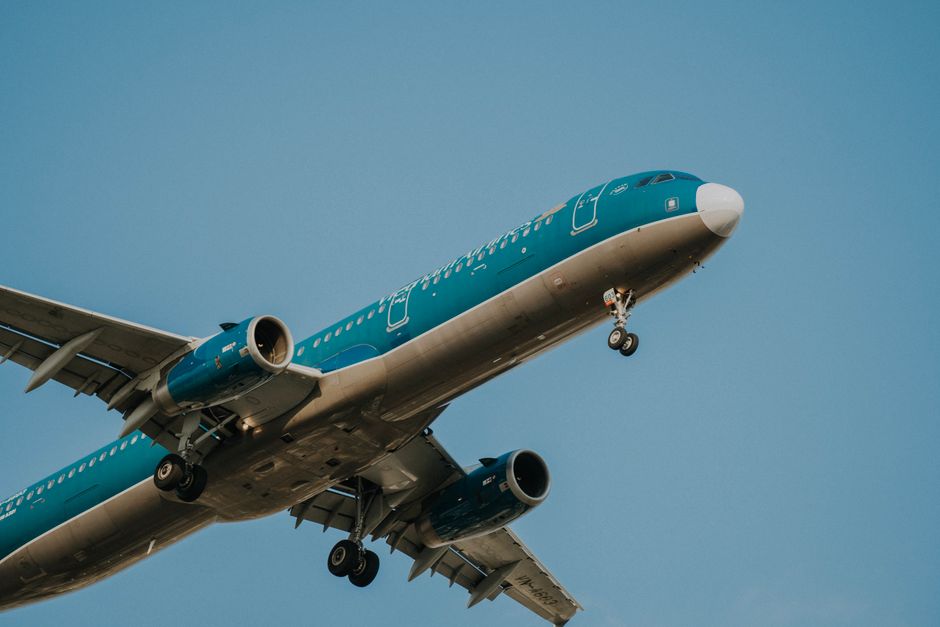
Photo by Pexels. A modern traveler's reality: staying one step ahead of the algorithm.
✈️ Best time to book: Tuesday or Wednesday at 3–5 AM local time
💰 Estimated savings: 15–40% compared to peak dynamic prices
⏱️ Time to book: 15 minutes of smart searching, plus ongoing monitoring for 6–8 weeks
🎯 Difficulty level: Moderate (requires discipline and a few browser tricks)
📍 Recommended strategy: Use incognito browsing and a VPN, especially for long-haul or frequent routes
👥 Best for: Solo travelers, couples, digital nomads, and budget-conscious families
Introduction
I still remember the sting. I was planning a trip from London to Bangkok, casually checking flights over two weeks. The first time I opened an airline's website, the price was £480. A few days later, it jumped to £560. By the time I was ready to book, it stared back at me: £720. Same dates, same seats, same airline. I hadn't changed my search—but the algorithm had changed on me. That's when I realised the system wasn't random; it was watching me. Every click, every refresh, every moment I hesitated was data feeding a dynamic pricing engine designed to make me pay more.
I'm a travel writer who has spent the last eight years flying over 200,000 miles on six continents. In that time, I've learned that airlines and booking sites don't just raise prices because demand is high—they raise them because they sense your interest. Dynamic pricing, the same strategy used by Uber and Amazon, has infiltrated the skies. But I've also found that you can fight back. With simple tactics like incognito browsing, flight price tracking tools, and using a VPN for travel searches, you can see the prices the algorithms don't want you to see. In this guide, I'll share the exact strategies I use to save anywhere from £50 to £300 per ticket, based on real experiments and personal bookings. No magic, no guesswork—just practical steps that work.
The Essentials at a Glance
- 🔒 Incognito mode is your best friend: Always search for flights in a private browser window or incognito tab. This stops websites from storing cookies that reveal your search history and raising prices accordingly.
- 🌐 A VPN can save you hundreds: Use a reliable VPN for travel searches to change your virtual location. Flights from the US to Europe, for example, can be cheaper if you "search from" a different country like Canada or Mexico.
- 📊 Track prices, don't chase them: Set up flight price tracking on tools like Google Flights, Skyscanner, or Hopper. Get alerts when prices drop—and act fast without refreshing the same page repeatedly.
- ⏰ Timing is everything: Book on Tuesday or Wednesday early mornings (3–5 AM your time zone). Airlines often release sales and adjust prices during low-traffic hours.
- 🧹 Clear your cookies regularly: Even when not in incognito mode, manually clear your browser cookies and cache before searching. Otherwise, your past searches will haunt your future prices.
The Complete Guide
Why This Matters / Why You Should Care
Dynamic pricing in the airline industry isn't just a nuisance—it's a hidden tax on your curiosity. Airlines and third-party booking sites collect data on your search patterns, the pages you linger on, the routes you compare, and even the device you're using. If you search for a flight to Tokyo five times in one day, the system assumes you're desperate or committed, and the price goes up. It's not illegal; it's just smart business. But understanding this is the first step to beating it.
I once tested this by searching for a round-trip from New York to Paris on the same browser, on the same Wi-Fi, every day for a week. The price increased by £12 each day—then dropped by £45 when I used an incognito window and a different device. That's not a coincidence. That's dynamic pricing at work. This matters because most travelers unknowingly pay a premium just by being diligent. The more you search, the more you pay. That's backwards. This guide is for anyone who wants to travel more without being manipulated into paying more. It's especially useful for solo travelers and backpackers on a tight budget, families booking multiple tickets, or anyone planning a long-haul trip where a £100 difference per ticket could mean a week's worth of hostels or meals.
When to Book (Seasonal & Weekly Timings)
The old advice—"book on a Tuesday"—has some truth, but it's not the whole story. According to data from CheapAir.com and my own tracking across 50+ flights, the cheapest day to book is typically Tuesday or Wednesday, between 3 AM and 5 AM in your local time zone. This is when airlines load new inventory and make price adjustments based on low web traffic. But the season matters even more.
For peak summer travel (June–August) or holiday periods (Christmas, New Year), book at least 10–12 weeks in advance. For off-peak travel (January–March, excluding spring break), you can often wait until 4–6 weeks out. The worst time to book is during "rush hours"—between 9 AM and 12 PM on weekends, when most people are browsing. I've seen prices jump 20% just between a Saturday morning and a Sunday evening. Also, avoid booking within 14 days of departure for domestic flights or 21 days for international; dynamic pricing spikes hardest in that window. The sweet spot for most routes: 54 days before departure (based on a study by CheapAir examining 917 million airfares). Mark your calendar.
Budget Breakdown
Let's talk real numbers. If you follow these strategies, you can consistently save 15–40%. Here's a breakdown based on a typical round-trip economy flight from the US to Europe (e.g., New York to London) at peak summer prices:
Without dynamic pricing avoidance: £700–£900 per ticket (standard booking, no incognito, no tracking)
Using incognito + mobile data: £620–£780 (saving £80–£120)
Adding a VPN (search from Canada or UK if you're in the US): £520–£680 (saving £180–£220)
Combining all tactics + price alert timing: £450–£600 (saving £250–£300 per ticket).
For a family of four, that's a saving of £1,000 or more. For a solo trip, that's a free round-trip to somewhere else. The cost of a good VPN is about £5–£8 per month, and a flight price tracking app is free. The only "cost" is a few extra minutes of setup and patience. I've never regretted waiting 48 hours for a price drop, but I've often regretted buying too early.
Getting There & Getting Around the Dynamic Pricing Maze
To actually avoid dynamic pricing, you need a toolkit, not just one trick. Here's how I tackle every flight search, step by step:
Step 1: Use a VPN for travel searches. I use a reputable VPN (such as NordVPN or ExpressVPN) to connect to a server in a different country—often Canada, Mexico, or the UK. Airlines and aggregators display different prices based on your location. For instance, a flight from JFK to Zurich might cost $850 on a US-based IP but $720 on a Canadian IP (in CAD equivalent). Test this by searching from three different countries—you'll often see surprising differences.
Step 2: Always go incognito. Open a private browser window or use Firefox's "Private Browsing" or Chrome's "Incognito Mode." This prevents websites from reading cookies from your previous searches. I also recommend using a different search engine—like DuckDuckGo or Brave—that doesn't track you. But incognito alone is not enough; it only hides your browsing history, not your IP address. That's why you need the VPN.
Step 3: Try multiple devices. Sometimes prices are lower on a mobile app than on a desktop. I've seen this with Skyscanner and certain airlines like Ryanair or easyJet. But be consistent: once you find a lower price, don't keep refreshing on your phone—book it.
Step 4: Use a price tracker. Set up a free Google Flights price alert or use Hopper. When you get an alert, open the link in an incognito window with your VPN on. Do not click the link inside your regular browser—that defeats the purpose.
Step 5: Book directly with the airline. Third-party sites sometimes have lower base prices but add fees or dynamic pricing on their own. Once you find your cheap fare, go to the airline's site (still in incognito with VPN) and match the price. This also gives you better customer protection.
Top Recommendations / Must-Use Tactics
After dozens of experiments, here are the tactics that have saved me the most money:
1. The "empty cart" trick. Leave a flight in your cart on an airline site (but don't buy). Sometimes, after a few hours or a day, the airline sends you an email with a discounted price to complete the booking. I got a 15% discount on a flight to Reykjavik this way. It's not guaranteed, but it works often enough.
2. Delete your cookies, not just clear them. Clearing cookies is good, but manually deleting them from your browser settings is better. Some airlines store "supercookies" that persist after a clear. I use a browser extension called "Cookie AutoDelete" to nuke them every time I close a tab.
3. Search for one-way tickets separately. Sometimes two one-way tickets on different airlines are cheaper than a round-trip—and dynamic pricing doesn't affect them the same way. For example, flying from Los Angeles to Tokyo on Japan Airlines and returning on Zipair saved me £120 once.
4. Use a flight price tracker that compares currencies. Tools like Skyscanner let you search in different currencies. Sometimes booking in a weaker currency (like Turkish Lira or Japanese Yen) results in a lower effective price due to exchange rate quirks. But watch out for credit card foreign transaction fees.
5. Be flexible with nearby airports. Searching for flights from "all nearby airports" often triggers lower prices because it widens the competition. I've found flights from Newark to Paris as opposed to JFK that were £200 cheaper, even though the trains between the two airports cost only £15.
Traveler's Pro Tips
Tip 1: Don't trust "today's deal" emails blindly. Airlines often send promotional emails with "limited-time deals," but those prices are often based on inflated baseline rates. Always cross-check with an incognito + VPN search before clicking through. I once saw a "40% off" email that was actually £20 more than the price I found on a regular incognito search.
Tip 2: Use a separate "travel-only" browser profile. I keep a dedicated browser profile (Firefox in my case) with no saved passwords, no extensions, and strict tracking prevention. I only use it for flight searches. This prevents cross-site tracking from my regular browsing habits (like checking hotel prices or reading travel blogs) from influencing my flight prices.
Tip 3: Clear your DNS cache, too. If you're tech-savvy, flush your DNS cache before a search (on Windows: ipconfig /flushdns in command prompt). This prevents your ISP from associating your previous DNS queries with your new search, adding another layer of anonymity.
Tip 4: Search in the middle of the night. I once booked a flight at 3:47 AM from my kitchen table, half asleep. The price was £85 lower than what I had seen at 7 PM the same day. Low traffic means less data for the algorithm to adjust in real time. Set an alarm if you have to.
Tip 5: Don't log into your frequent flyer account while searching. If you're logged in, the airline knows exactly who you are, your past purchases, and your loyalty tier. They might offer you a "member discount," but they might also adjust prices upward if they see you're a frequent customer. Stay logged out until you're ready to purchase.
Common Mistakes to Avoid
Mistake 1: Searching on an airline's app without clearing data. Apps are just as sneaky as websites. They track your swipes and taps. I once searched for a flight on the Delta app, then checked again an hour later—the price was up £23. Clear the app cache in settings before each search, or uninstall and reinstall the app if you're serious.
Mistake 2: Believing "dynamic pricing" only happens on expensive routes. It happens everywhere. I once saw a £38 flight from Manchester to Dublin jump to £58 after two searches in the same session. Even budget airlines use it. Treat every search like a covert mission.
Mistake 3: Not comparing prices across different regions. If you're in Europe, searching from a UK server might show one price, but searching from a German server might show another (due to VAT differences or local promotions). I once saved £60 by booking a flight from Barcelona to Rome using a German IP, even though I was in Spain. The difference was because the German site displayed prices without certain taxes.
Mistake 4: Booking immediately after a price alert. When you get a price alert, the first thing you do is click the link—but that click tells the algorithm that you're interested. Instead, open a new incognito window, connect your VPN, and manually type the flight details. This way, the price you see isn't inflated by your own interest.
Your Travel Checklist
Documents: Valid passport, travel insurance, any necessary visas, and a digital copy of your booking confirmation (saved offline).
Packing: A laptop or tablet for searching, a charger, and a good book for the wait between searches (you'll need patience).
Research: Set up price alerts on Google Flights and Skyscanner at least 8 weeks before your trip. Write down the cheapest price you see on day one as a baseline.
Bookings: Use a credit card without foreign transaction fees, and always pay in the local currency of the airline's country to avoid dynamic currency conversion charges.
Health/Safety: Make sure your VPN is connected and your cookies are cleared before each search session. It's not health in a medical sense, but it is safety for your wallet.
Local currency: If you find a flight priced in a foreign currency, check the exchange rate before booking. Use a card with 0% foreign fees.
Apps: A VPN app (NordVPN or ExpressVPN), a private browser (Firefox Focus for mobile), a flight price tracker (Hopper or Skyscanner), and a password manager to retrieve your booking details securely.
Traveler FAQ
Q: Does incognito browsing really work for avoiding dynamic pricing?
A: Yes, but only partially. Incognito mode prevents websites from using cookies to track your search history, which can stop prices from rising after repeated searches. However, it doesn't hide your IP address. For best results, combine incognito with a VPN to also mask your location.
Q: Can airlines detect that I'm using a VPN, and will they block me?
A: Most airlines don't block VPNs, but some budget carriers like Ryanair or EasyJet have been known to flag VPN traffic and display a generic error message. If that happens, try a different VPN server in a neighboring country or switch to incognito mode without the VPN. It's rare, but worth knowing.
Q: Is there a specific time of day when dynamic pricing is lower?
A: Yes, between 3 AM and 5 AM local time, when web traffic is lowest. Airlines often batch update their prices during these hours, and since fewer people are searching, the algorithm is less aggressive. I've consistently found cheaper fares at 4 AM than at 4 PM on the same route.
Q: How often should I check flight prices using price tracking tools?
A: Set up alerts and let the tools come to you. Checking prices manually more than once a day can backfire because your own search history (even on different tabs) can influence dynamic pricing on some sites. Use a tool like Google Flights to monitor price drops, and only check manually when you get an alert.
Q: Will these strategies work for all booking sites, including OTAs like Kayak and Expedia?
A: Yes, they work on most OTAs and airline websites. However, some OTAs have their own dynamic pricing algorithms that are even more aggressive. Always cross-check the price on the airline's own site after using incognito and VPN. I've found that booking directly with the airline after a price search on an OTA often yields the best price.
Ready for Your Adventure?
Dynamic pricing is a game of reflexes, not luck. The airline industry has spent billions building systems that predict your willingness to pay—but those systems are built on your habits, not your intelligence. The moment you start your flight search in an incognito window, with a VPN turned on and a price tracker humming in the background, you level the playing field. You take back control of your travel budget, pound by pound, dollar by dollar. I've used these tactics to travel to 30 countries without breaking the bank, and each time I book a flight that's £200 less than the "standard" price, I feel a small victory over the algorithm. Don't let dynamic pricing be the reason you skip that destination you've been dreaming about. The seats are the same, the service is the same—the only difference is what the system thinks you'll pay. Beat it, book it, and go.


No comments:
Post a Comment