How to Find Free Walking Tours That Are Actually Good: A Guide for Savvy Travelers in Europe
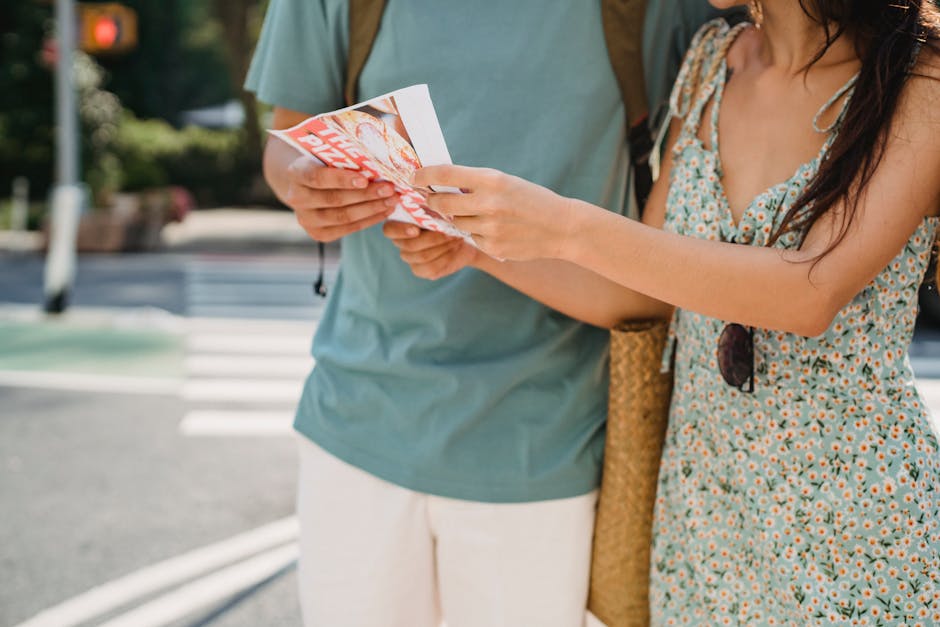
Following a charismatic guide through the winding alleys of a European city — the best five euros you’ll ever spend.
✈️ Best time to visit: Spring (April–June) or Fall (September–October) for mild weather and smaller crowds. 💰 Estimated budget range: €0 for the tour itself, budget €5–€20 per person as a tip. ⏱️ How long to spend there: 90 minutes to 2.5 hours per tour. 🎯 Difficulty level: Easy (mostly flat walking, but cobblestones can be tricky). 📍 Recommended season: Late spring for longer daylight hours. 👥 Best for: Solo travelers, couples, and small groups who want a social, informative experience.
Introduction
I remember my first “free” walking tour in Berlin, standing awkwardly in front of the Brandenburg Gate as a guide in a bright yellow umbrella shouted over the traffic. I had no idea what to tip, whether the tour was going to be any good, or if I was about to be trapped into a timeshare pitch. Three hours later, I’d learned about the Stasi’s secret files, eaten a currywurst the guide swore by, and made three friends from Australia. That tour cost me exactly eight euros — a tip I gave gladly because the guide was passionate, funny, and knew the city’s secrets like a local. Since then, I’ve taken over fifty free walking tours across Europe — from Lisbon’s hills to Krakow’s cobblestones — and I’ve learned exactly how to spot the gems from the duds. This guide will teach you how to find a free walking tour that’s genuinely excellent, how to navigate the tipping etiquette without awkwardness, and how to choose local guides who make your trip unforgettable. By the end, you’ll never book a hop-on-hop-off bus again.
The Essentials at a Glance
- 🗺️ Always check the guide’s credentials: Look for locally owned companies like Sandemans New Europe or Free Tour — they vet their guides and guarantee a consistent quality.
- 💶 Tipping is not optional: €10–€20 per person is standard for a good tour; pay what you think it’s worth, but never skip it.
- 📱 Book in advance: Popular tours in high season can fill up — reserve at least 24 hours ahead through the company’s website or app.
- 👥 Small groups win: Tours with fewer than 15 people allow better interaction and more personalized stories.
- 🌍 Look for “alternative” tours: Street art, food-focused, or ghost-themed free tours often have the most passionate guides.
The Complete Guide
Why This Matters / Why You Should Go
Free walking tours are the single best way to orient yourself in a new city — not just geographically, but culturally. Unlike expensive pre-booked tours or audio guides that drone in your ear, these tours are run by real locals who love their cities. On a tour in Prague, my guide Petr pointed out the hidden courtyard where Franz Kafka wrote his first story; in Budapest, a guide named Eszter taught me how to order “pálinka” like a Hungarian grandfather. What makes a free tour truly special is the human connection — you get spontaneous recommendations for restaurants, insight into current local politics, and sometimes a genuine friendship. The best tours don’t just recite facts; they tell stories that make the city feel alive. However, not all free tours are created equal. Some are scripted, rushed, or designed to funnel you into overpriced restaurants. The key is knowing what to look for before you arrive.
When to Visit (Seasonal Guide)
The best time to take a walking tour in Europe is spring (April to June) or fall (September to early October). During these months, the weather is mild — around 15–22°C — and the crowds are manageable. Summer (July–August) is peak season; tours are often packed with 40+ people, and the heat can make walking uncomfortable. On a July afternoon in Rome, I stood sweating in the sun for two hours because the shade was nonexistent; the guide admitted he was exhausted from doing four tours that day. Winter (November–February) can be magical if you’re prepared — fewer tourists, beautiful Christmas markets, and tours that are more intimate. However, some tour companies reduce their schedules in the off-season, so check availability ahead. I took a winter tour in Edinburgh that ended in a cozy pub — the guide even joined us for a drink. If you’re flexible with timing, aim for shoulder seasons: the tours are better, the tips are fairer, and the experience feels more authentic.
Budget Breakdown
The tour itself costs exactly zero euros — but you must budget for the tip. On a typical free tour, you’ll tip between €5 and €20 per person. For a couple that’s €10–€40 total. Most tours last 1.5 to 2.5 hours, so you’re paying for entertainment, education, and local insight. Accommodation: If you’re based near a central location (which most tours start from), budget €30–€80 for a hostel dorm or €80–€150 for a budget hotel. Food: Lunch or a drink after the tour is a nice addition — many guides recommend excellent local spots that won’t break the bank (€10–€15 per meal). Transport: Some tours require a metro or bus ticket to reach the starting point — budget €2–€5 for local transport. Money-saving tip: Go on a free tour on your first day in a new city — you’ll get a free orientation, learn which neighborhoods to explore, and avoid costly guided bus tours. I’ve saved hundreds of euros by using free tours as my primary discovery tool rather than booking expensive excursions.
Getting There & Getting Around
Most free walking tours start at major landmarks — think the main square in Prague, the Brandenburg Gate in Berlin, or the Arc de Triomphe in Paris. Arrive 10 minutes early; guides often leave exactly on time. Getting to the meeting point is usually easy via the city’s public transport system. In Madrid, the free tour starts at Plaza Mayor, which is a 10-minute walk from the Sol metro stop. In Barcelona, meet at the Plaza de Catalunya — accessible via L1, L3, or L6 metro lines. For navigation, I use Google Maps offline or the Citymapper app (available in most European capitals). A pro tip: many tours are accessed by a local guide who holds a distinctive sign or flag — look for a red umbrella, a particular company logo, or a colorful hat. If you’re in a less centralized city like Lisbon, confirm the exact meeting point online — some tours start near specific churches or statues. Once you’re on the tour, the guide will lead you; just wear comfortable shoes and bring a water bottle.
Top Recommendations / Must-Do Activities
My absolute favorite free walking tour in Europe is the Sandemans New Europe tour in Berlin. It covers the Brandenburg Gate, the Holocaust Memorial, the site of Hitler’s bunker, and the East Side Gallery — all in two hours. The guides are historians or university students who are genuinely passionate. I learned that the concrete in the Holocaust Memorial is coated with a special anti-graffiti substance because vandals tried to paint swastikas — a detail no audio guide ever told me. In Prague, the “Alternative Tours” company runs a free street art version that takes you to the city’s cutting-edge murals and hidden galleries; it’s a breath of fresh air from the usual castle-and-pub tours. In Budapest, the “Free Walking Tour Budapest” (by a local company) does a fantastic Communist-era tour, visiting the statue park and the former secret police headquarters. Insider tip for beating crowds: book the very first morning tour (usually 10 a.m.) or the last one (around 4 p.m.) — both have fewer people and guides who are fresher. A downside: some free tours pass through areas with high foot traffic, like Las Ramblas in Barcelona, where you’ll be weaving through crowds. But the guide’s anecdotes make the squeeze worth it. My only complaint is that some tours feel rushed — if that happens, stay after to ask questions; the best guides love a chat after the official end.
Traveler’s Pro Tips
1. Vet the guide before you pay: Listen for five minutes at the start. A great guide is animated, makes eye contact, and tells stories rather than reciting dates. If the guide sounds like they’re reading from a script, leave politely — you’ll find better.
2. Use the “sandwich method” for tipping: If you’re unsure how much to give, think of it like buying a coffee: €5 is a small tip, €10 is standard, and €20 means the guide was exceptional. I usually budget €15 per person and adjust based on the experience.
3. Look for a company with a physical office or website: Freelance guides who operate without a company can be hit-or-miss. Companies like Sandemans, Free Tour, and GuruWalk curate their guides and offer a consistent product.
4. Follow the guide’s personal recommendations, not the sponsored ones: Some guides get kickbacks from certain restaurants or shops — you can spot this when they linger too long at one spot. Ask the guide where they eat on their day off; that’s the real insider tip.
5. Consider the “pay-what-you-want” model for private groups: Some companies offer private version of their free tours for a fixed fee (€15–€20 per person). This ensures you get a dedicated guide and can ask any question without feeling self-conscious. I’ve done this in Paris and it was worth every cent.
Common Mistakes to Avoid
Mistake #1: Not tipping enough (or at all). I once saw a tourist walk away without tipping after a fantastic 2-hour tour. The guide looked visibly disappointed, and the tourist missed a chance for personal recommendations. Avoid this by always bringing cash in small denominations — coins or small notes are best. I keep €20 in my pocket specifically for these tours.
Mistake #2: Booking a tour that’s too generic. I once took a “free” tour in London that literally was a repeated loop of Big Ben and the London Eye with no storytelling. The guide admitted she was an intern. Instead, look for specific themes — medieval history, local markets, or hidden corners. The more specific the title, the better the guide.
Mistake #3: Arriving late. Tours leave on the dot, and guides often don’t check phones while walking. I missed a tour in Vienna because I was five minutes late; the guide had already moved a block away. Always arrive at least 15 minutes early.
Mistake #4: Assuming “free” means no reservation needed. Some companies limit group sizes to 20 people. I nearly missed a tour in Lisbon because it was fully booked online. Always reserve in advance, especially in summer.
Your Travel Checklist
- Documents: Printed or digital confirmation of the tour booking, a copy of your passport, travel insurance details.
- Packing: Comfortable walking shoes (cobblestones are no joke), a reusable water bottle, light rain jacket or umbrella, and a small backpack.
- Research: Read reviews on GuruWalk or Sandemans, check the tour’s start time and meeting point (often next to a statue or fountain), and download an offline map.
- Bookings: Reserve the tour at least 24 hours in advance via the company website; double-check cancellation policies.
- Health/Safety: Bring hand sanitizer, wear sunscreen in summer, and be aware of your surroundings — some tours go through busier areas where pickpockets operate (never keep valuables in back pockets).
- Local currency: Have enough cash for tips (€10–€20 per person) and for any small purchases like a snack or metro ticket; also carry a card for emergencies.
- Apps: Download the tour company’s app (if available), Google Maps offline, and a currency converter.
Traveler FAQ
Q: Do I really have to tip if the tour is advertised as “free”?
A: Yes, absolutely. The “free” label means there’s no fixed price, but guides work for tips alone. Not tipping is like eating a full meal at a restaurant and walking out. A standard tip is €10–€20 per person for a 2-hour tour.
Q: Are free walking tours safe, especially for solo female travelers?
A: Generally, yes. Reputable companies conduct background checks on guides, and tours usually stay in well-populated public areas. However, always trust your gut — if you arrive and the group feels off, just leave and find another. I’ve done at least 20 as a solo woman and never had a problem.
Q: How long do free walking tours typically last?
A: Most last between 1.5 and 2.5 hours. Some companies offer a “short” version (1 hour) and a “full” version (2.5 hours). Check the description to plan your day accordingly. Longer tours often include a bathroom break at the halfway point.
Q: Can I bring my child on a free walking tour?
A: Yes, but consider the child’s stamina. Most tours don’t have seating, and long walks can tire little legs. Many companies explicitly welcome families, but if your child is under 5, consider a shorter tour. I’ve seen guides give stickers to children to keep them engaged.
Q: What happens if it rains?
A: Most tours run rain or shine unless weather is dangerous. Bring an umbrella and a raincoat. Some guides adjust the route to provide more covered spots. Only once have I had a tour canceled due to a thunderstorm — and the guide rescheduled for the next day.
Ready for Your Adventure?
Free walking tours aren’t just about saving money — they’re about discovering a city through the eyes of someone who lives and breathes it. The next time you’re in a European capital, step away from the overpriced bus and the generic audio guide. Join a group of strangers under a yellow umbrella or a red sign, and let a local show you the hidden corners, the awkward historical truths, and the best places to eat afterward. You’ll learn more in two hours than in two days of wandering alone. So bring comfortable shoes, a pocket full of cash for a good tip, and an open mind. The best stories are waiting for you on the cobblestones — and they’re free to hear.


No comments:
Post a Comment