Master the Art of Suitcase Packing: How to Maximize Every Inch of Space
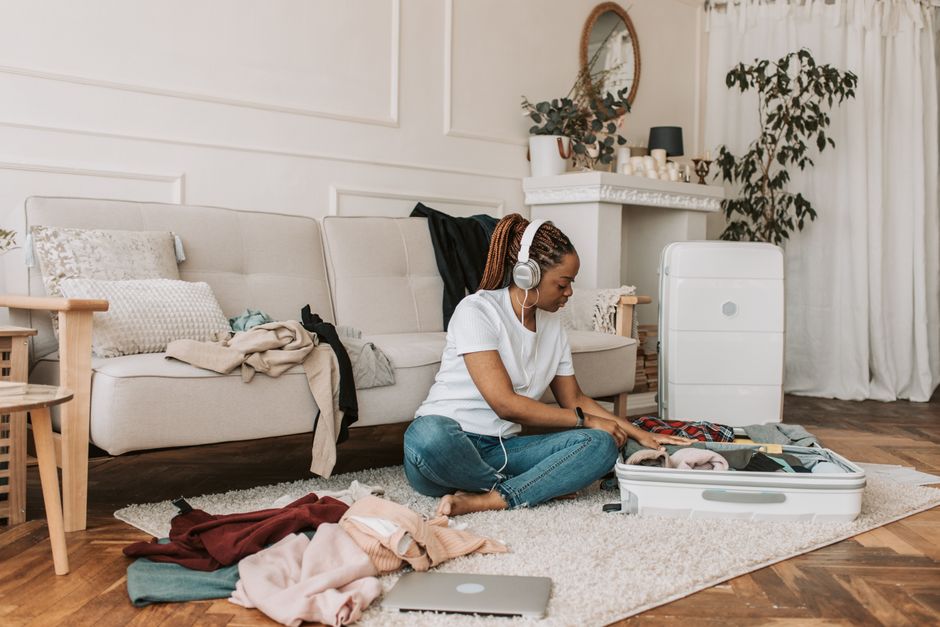
A well-packed suitcase is the secret to stress-free travel. Photo: Pexels
💰 Estimated budget: €15–€40 for packing cubes (one-time investment).
⏱️ Time needed to pack: 30–60 minutes for a well-organized suitcase.
🎯 Difficulty level: Easy once you master the rolling technique.
📍 Recommended season: Year-round; techniques work for all climates.
👥 Best for: Solo travelers, families, couples, and digital nomads.
Introduction
I remember the exact moment I realised my packing strategy was broken. It was 2:00 AM in a cramped hostel dorm in Bangkok, and I was desperately trying to zip my overstuffed suitcase shut. My jeans were wrinkled, my toiletries had leaked, and I had somehow packed five pairs of shoes I never wore. The next morning, I stumbled to the airport with a bag that weighed 23 kilograms—and I was only going on a ten-day trip. That was the last straw. I decided to learn how to pack properly, not by reading generic listicles, but by testing every technique myself over dozens of trips across four continents. Today, I can pack for a three-week trip in a single carry-on, and I want to teach you exactly how I do it. In this guide, I’ll share the specific packing techniques, rolling methods, and compression cube strategies that have saved me from baggage fees, lost luggage, and travel burnout. Whether you’re heading to the beach, the mountains, or a business conference, these principles will transform how you fit your life into a suitcase.
The Essentials at a Glance
- 🧳 Roll, don’t fold: Rolling clothes saves up to 50% more space and reduces wrinkles dramatically.
- 📦 Use compression cubes: These zippered pouches squeeze air out of soft items, doubling your capacity.
- 👕 Build a capsule wardrobe: Stick to a colour palette of 3–4 neutrals so every top matches every bottom.
- 👟 Limit shoes to 2–3 pairs: Shoes are the biggest space hogs; wear your bulkiest pair during transit.
- 🛍️ Layer strategically: Place heavy items at the wheel end of your suitcase to prevent tipping.
The Complete Guide
Why Packing Well Matters
Packing isn’t just about fitting more clothes into a bag—it’s about reclaiming your freedom as a traveler. When you pack efficiently, you stop being a victim of your luggage. You can move easily between trains, avoid checked-bag fees, and never lose a precious hour waiting at baggage claim. I’ve watched fellow travelers struggle with suitcases that refuse to close, their faces flushed with frustration. Meanwhile, I breeze through airports with a tidy carry-on and a lightweight backpack. This skill matters most for those who love spontaneous adventures: if you can pack for any situation in under an hour, you can say yes to last-minute flight deals and unexpected detours. It’s also a game-changer for families—imagine your kids carrying their own compact bags because everything fits so neatly. For digital nomads, it means you can live out of a suitcase for months without feeling cramped. Honestly, the best part is the mental clarity: when your belongings are organised, your mind feels organised too.
When to Pack (Timing and Strategy)
This might sound trivial, but when you pack determines how well you pack. I always pack the night before departure, never in the morning rush. I lay everything I plan to take on my bed first—every shirt, pair of socks, charger, and toiletry. Then I ruthlessly edit: I ask myself, “Have I worn this in the last month at home?” If the answer is no, it stays behind. I also check the weather forecast for every day of my trip using a reliable app like Weather.com and pack accordingly. For a one-week trip, I aim for 5–7 tops, 3–4 bottoms, and 1–2 layers. For two weeks or more, I use the same number but plan to do laundry midway. The best time to pack, in terms of season, is actually irrelevant because these techniques work year-round. But I’ve found that packing for summer is easier because items are lighter; winter trips require more strategic layering with merino wool and down jackets that compress well. Pro tip: always pack a small empty bag for dirty laundry—it keeps your clean clothes fresh and saves you from mixing wet towels with your favourite jumper.
Budget Breakdown for Packing Gear
You don’t need expensive gadgets to pack like a pro, but a few small investments pay off instantly. Low budget (under €15): Buy a set of 3–4 compression bags (the kind you roll to push out air) from a discount store. They cost about €2 each and work surprisingly well. Mid-range (€15–€40): Invest in proper packing cubes from brands like Eagle Creek or Amazon Basics. I use a set of four cubes for around €25, and they’ve lasted through 30+ trips. High-end (€40+): Opt for eBags or Peak Design cubes with compression zippers; they’re more durable and have better organisation features. On top of cubes, consider a lightweight toiletry bag with a hook (about €10) and a shoe bag (€5). Total one-time investment: around €40 for a setup that lasts years. The real money saved is in baggage fees: a single checked bag can cost €30–€60 per flight. If you can fit everything in a carry-on using these techniques, you’ll recoup your investment in one trip. I’ve personally saved over €500 in fees by never checking a bag again.
Getting There and Getting Around (Your Suitcase Journey)
Think of your suitcase as a vehicle that needs to navigate airports, train stations, and cobblestone streets. From your home: Pack your heaviest items (shoes, denim, toiletries) at the bottom near the wheels so the bag doesn’t tip over when you pull it. At the airport: Use the outer pockets for items you need quickly—laptop, passport, snacks, and a light jacket. If you’re flying budget airlines with strict weight limits, weigh your bag on a handheld luggage scale before leaving home. I use a €10 digital scale that fits in my pocket. On the move: Keep a packing list on your phone (I use Google Keep) so you know exactly where everything is. When unpacking at your destination, use the cubes as drawers: one for tops, one for bottoms, one for underwear/socks, and one for miscellany. This system lets you live out of your suitcase without ever digging through a messy pile. For train travel, I prefer a soft-sided duffel with backpack straps—it’s easier to stash overhead and carry on uneven terrain. The key is to think about every step of your journey before you zip up your bag.
Top Recommendations: My Favourite Packing Techniques
After years of trial and error, these are the specific methods I swear by. 1. The Bundle Wrap: Instead of rolling every item individually, place your trousers and larger items flat, then layer smaller clothes in the centre and wrap the trousers around everything. This creates a compact bundle that minimises wrinkles. I use this for dress shirts and blouses. 2. The Military Roll: For t-shirts, fold the sleeves in, then roll tightly from the collar down. This produces a neat, standing cylinder that fits perfectly in cubes. I can fit 10 t-shirts in one medium cube using this method. 3. The Shoe Saver: Stuff socks, belts, or small electronics inside your shoes—it uses dead air space and helps shoes hold their shape. I always pack a pair of flip-flops inside my sneakers. 4. The Toiletry Tactic: Transfer liquids into 50ml or 100ml travel bottles (I use silicone ones that are reusable). Put them in a clear, leak-proof bag and always store that bag in an outer pocket for easy access at security. 5. The Laundry Loop: Pack a lightweight reusable shopping bag for dirty clothes. I use a foldable nylon bag that weighs 20 grams. When I return, my clean clothes stay separate and fresh. My favourite personal success story: on a two-week trip to Japan, I fit seven days of clothes, three pairs of shoes, a laptop, and a camera into a 40-litre carry-on. The key was using all these techniques together, not just one.
Traveler’s Pro Tips
Tip 1: The 24-Hour Rule: After you finish packing, wait 24 hours before zipping up. This gives you time to reconsider and remove items you don’t truly need. I’ve cut my packing by 20% every time using this rule.
Tip 2: Use Dryer Sheets: Place a lightly scented dryer sheet inside each packing cube. Not only do your clothes smell fresh, but the sheets also help repel static and prevent wrinkles. I buy a pack for €2 and it lasts months.
Tip 3: The Hanger Hack: If you’re packing a suit or a delicate dress, fold it over a hanger, then place the hanger in a dry-cleaning bag. Lay it flat across the top of your suitcase, and the bag reduces friction. I’ve used this for weddings and never had a wrinkle.
Tip 4: Charge in Transit: Always carry a multi-port USB charger and a power bank in your personal item. This frees up space in your suitcase and ensures you can charge devices even when outlets are scarce. I use a 20,000mAh bank that charges my phone four times.
Tip 5: Watch the Weight Distribution: When you lift your packed suitcase, it should feel balanced. If it tilts heavily to one side, redistribute items. An unbalanced bag is harder to pull and more likely to tip over on escalators. I test this by walking around my apartment for two minutes after packing.
Common Mistakes to Avoid
Mistake 1: Overpacking Shoes. I once packed four pairs of shoes for a seven-day trip. I wore only two. Shoes are bulky, heavy, and take up disproportionate space. Why it happens: We think we need different footwear for every activity. How to avoid: Choose one pair of comfortable walking shoes (like trainers), one pair of dressy sandals or flats, and if needed, one pair of hiking sandals or boots. Wear the bulkiest pair on the plane. Consequence: You waste space, add weight, and often end up with sore feet from shoes you don’t actually use.
Mistake 2: Not Using Packing Cubes. I resisted cubes for years, thinking they added bulk. Then I tried a cheap set, and it changed my life. Why it happens: People think cubes are a gimmick or they don’t want to spend €20. How to avoid: Borrow a set from a friend or buy an inexpensive starter pack. Use one cube per category. Consequence: Without cubes, clothes become a tangled mess, you waste time searching, and you often pack more than you need because you can’t see what you have.
Mistake 3: Rolling Everything Without a System. Many bloggers say “just roll everything,” but random rolling leads to uneven lumps. Why it happens: They read the advice but don’t learn the technique. How to avoid: Use the military roll for t-shirts, the bundle wrap for delicate items, and always place rolled items snugly next to each other so they don’t shift. Consequence: Clothes get wrinkled, and you end up with gaps that waste space.
Mistake 4: Ignoring the Toiletry Bag. I once put a full-sized shampoo bottle in my suitcase. It leaked on my white shirts. Why it happens: Convenience and laziness. How to avoid: Always use travel-sized bottles and put them in a separate, leak-proof pouch. Pack this pouch in an outer pocket or at the top of your bag. Consequence: Ruined clothes, sticky mess, and a stressful security check if you have liquids over 100ml.
Your Travel Packing Checklist
- 📄 Documents: Passport, visa copies, travel insurance, boarding passes (digital and printed).
- 🧴 Packing Gear: Compression cubes, toiletry bag with refillable bottles, shoe bag, laundry sack.
- 🔧 Research: Weather forecast for entire trip, local laundry options, airline baggage limits and dimensions.
- 📱 Bookings: Confirm accommodation, transportation, and any pre-booked activities. Save PDF receipts offline.
- 🩹 Health & Safety: Basic first-aid kit, necessary medications, a small hand sanitiser, and a mask for crowded places.
- 💶 Local Currency: Bring a small amount of local cash (€50 equivalent) for taxis or tips upon arrival. Notify your bank of travel plans.
- 📲 Apps: Download offline maps (Google Maps), translation app, airline app, and a currency converter.
Traveler FAQ
Q: How many packing cubes do I really need?
A: For a one-week trip, I recommend three cubes: one for tops, one for bottoms, one for underwear and socks. For longer trips, add a fourth for miscellaneous items like swimwear and gym clothes. You don’t need more than four—it just adds bulk.
Q: Will rolling clothes really prevent wrinkles?
A: Yes, rolling reduces wrinkles significantly compared to folding, but it’s not perfect. For wrinkle-prone items like linen or silk, use the bundle wrap method and place them on top of your suitcase. I also pack a small travel steamer (€15) for emergencies.
Q: Can I fit a week’s worth of clothes in a carry-on?
A: Absolutely. I regularly pack for 7–10 days in a 40-litre carry-on by using rolling, cubes, and a capsule wardrobe. The key is limiting yourself to 5–7 tops, 3–4 bottoms, and 2–3 pairs of shoes. Wash clothes once during the trip if needed.
Q: What’s the best way to pack bulky items like a winter jacket?
A: Wear your bulkiest items on the plane—that solves the biggest space problem immediately. For a second jacket, use a compression bag (the type you roll to squeeze out air). I compress a down jacket down to the size of a small pillow.
Q: Should I pack shoes inside my suitcase or separately?
A: Always inside your suitcase, but use a dedicated shoe bag or an old shower cap. Shoes are heavy and take up space, so wearing your bulkiest pair on the plane is a savvy move. Never pack shoes in a separate bag unless you want to carry extra weight.
Ready for Your Adventure?
You now have everything you need to pack like someone who travels often and travels well. The techniques in this guide aren’t theories—they’re lessons I learned the hard way, from late-night packing disasters to flights where my bag fit perfectly under the seat in front of me. The best part is that once you master these skills, they become second nature. You’ll pack faster, lighter, and with more confidence than ever before. I still remember the exhilaration of zipping my first perfectly packed carry-on and realising I had room to spare. That feeling is within your reach, too. So the next time you stare at an open suitcase, don’t feel overwhelmed. Lay out your clothes, grab your packing cubes, roll with purpose, and remember: every item you leave behind is a little more freedom you carry with you. Now go pack—and then go explore. Your adventure is waiting.


No comments:
Post a Comment