How to Photograph Your Travels Like a Pro: Unlock Stunning Smartphone Shots for Instagram
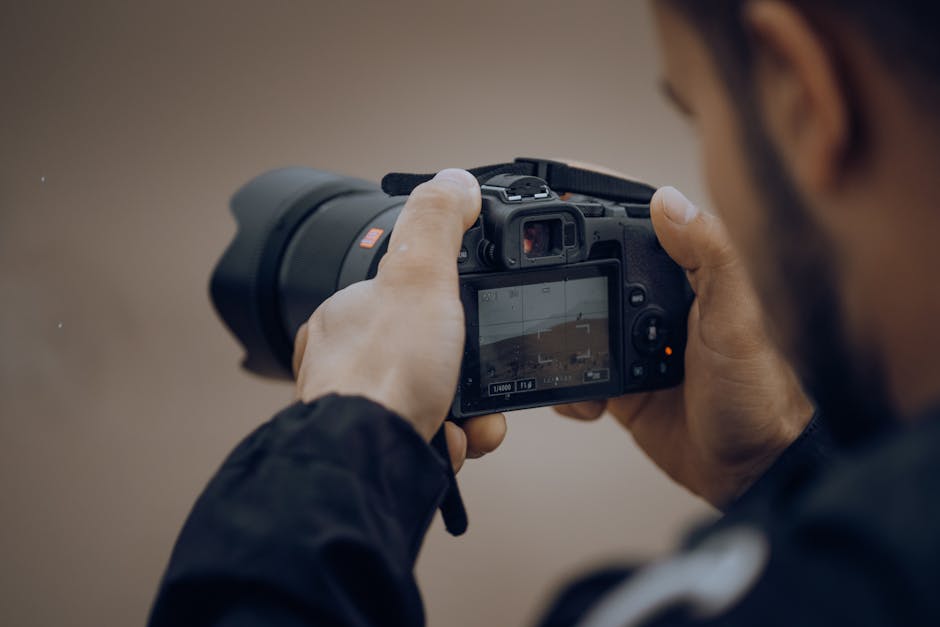
The magic of travel photography lies not in expensive gear, but in knowing how to see the light, frame the story, and wait for the perfect moment.
✈️ Best time to shoot: Golden hour (first hour after sunrise, last hour before sunset) — anywhere in the world.
💰 Estimated budget: $0–$50 for smartphone accessories (clip-on lenses, mini tripod). No camera needed.
⏱️ How long to learn: A weekend of practice can transform your shots forever.
🎯 Difficulty level: Easy — these techniques work with any modern smartphone.
📍 Recommended season: Anytime; tailor your approach to weather and light conditions.
👥 Best for: Solo travelers, couples, families — anyone with a phone and a desire to capture memories beautifully.
Why I Stopped Carrying a DSLR and Never Looked Back
On a drizzly morning in Prague, I stood on Charles Bridge, my DSLR dangling uselessly from its strap. The cobblestones were slick, my hands were shaking from the cold, and the rain was seeping into every crevice of my bulky camera bag. I missed the shot — a perfect amber glow breaking through the clouds over the Vltava River. Meanwhile, a teenager next to me, phone in hand, casually snapped a photo that looked like it belonged on the cover of a travel magazine. That was my wake-up call.
I’ve spent the last eight years traveling across 35 countries, and I’ve made every mistake in the book: lugging 20 pounds of gear, obsessing over aperture settings, and missing the actual experience because I was buried behind a viewfinder. I’ve come to realize that the best travel camera is the one you already have in your pocket. In this guide, I’ll show you how to shoot breathtaking travel photos using only a smartphone — techniques I’ve refined from dusty Moroccan medinas to misty Norwegian fjords. You’ll learn composition rules that actually work, how to manipulate natural light, and insider Instagram strategies that turn followers into engagement. No jargon, no expensive gear. Just honest, tested advice that will transform your travel photos from forgettable snapshots into professional-level storytellers.
The Essentials at a Glance
- 📱 Master the grid: Turn on the rule-of-thirds grid in your phone’s camera settings — it’s the simplest way to instantly improve composition.
- 🌅 Chase golden hour: The 60 minutes after sunrise and before sunset make any scene look magical. Plan your shoots around it.
- 🔍 Stop zooming with your fingers: Digital zoom kills quality. Move your feet instead, or crop your photo later.
- ✨ Edit, but don’t over-edit: Use free apps like Snapseed or Lightroom Mobile for exposure, contrast, and warmth adjustments — but keep the photo looking natural.
- 🧳 Less is more: A compact clip-on wide-angle lens and a tiny tripod are the only accessories you need. Leave the heavy gear at home.
The Complete Guide to Smartphone Travel Photography
Why This Matters: The Art of Seeing, Not Just Clicking
Here’s the truth: you don’t need a $2,000 camera to capture incredible travel photos. What you need is a shift in perspective. I’ve been to the Taj Mahal at sunrise and watched people fire off 50 shots in two minutes, never once pausing to look at the light. They walked away with 50 versions of the same blurry, harshly-lit image. A smartphone is a powerful tool precisely because it’s unobtrusive — you can blend in, react quickly, and capture candid moments that a DSLR would disturb. For solo travelers, it means not worrying about theft or bulk. For families, it means staying present while still documenting memories. The real skill isn’t technical; it’s about learning to see lines, light, and layers. That’s what separates a pro from a tourist.
When to Shoot (A Seasonal and Daily Guide)
Light is everything. In summer, golden hour stretches longer, but midday sun is brutal — deep shadows and blown highlights will ruin your landscapes. I learned this the hard way in Santorini, where I shot whitewashed buildings at noon only to end up with overexposed roofs. The best strategy: shoot during the “blue hour” (the 30 minutes before sunrise and after sunset) for moody, even-toned cityscapes. Winter offers softer, diffuse light that lasts all day, ideal for snow scenes or cozy interiors. For crowd-sensitive locations like Angkor Wat or the Eiffel Tower, shoot during the shoulder season (April-May or September-October) when light is still good but tourists are fewer. Always check a sunrise/sunset app like Sun Surveyor — it’s saved me dozens of disappointing shoots.
Budget Breakdown: Real Numbers for a Week of Photography
I’ve divided this into realistic categories based on my own spending. For a one-week trip focused on photography in a mid-range destination like Lisbon or Bangkok:
- Accommodation (low/mid/high): $30/night (hostel near old town), $80/night (mid-range with rooftop access), $200/night (luxury with private balcony for sunrise shots).
- Food: $15–$40/day — street food keeps you moving, sit-down meals let you charge your phone and plan your next composition.
- Activities: $0–$50/day — museums and temples often have great photo spots; skip pricey tours and wander freely instead.
- Local transport: $10–$25/day — walk as much as possible to discover hidden angles you’d miss on a bus.
- Accessories: $20 for a clip-on wide-angle lens (Moment or Aukey brands), $15 for a tiny tripod (JOBY GripTight One).
- Daily total: Between $35 and $85 per day. Weekly: ~$280–$600.
- Money-saving tip: Instead of buying an expensive telephoto lens, use your phone’s portrait mode creatively — the optical-quality bokeh (background blur) mimics a DSLR without extra cost.
Getting There & Getting Around: Composing on the Move
From any major airport, the first rule is to avoid the tourist bus. I always take public transport or walk from the airport to my accommodation — it’s how I scout locations. In cities, buy a day pass for the metro or tram; elevated trains often provide great bird’s-eye views. Navigation is easy with Google Maps or Citymapper, but I also use the PhotoPills app to see where the sun will be at a given time. For smaller towns, rent a bicycle or scooter — it gives you the flexibility to chase golden hour light along coastal roads or through vineyards. Costs: a weekly metro pass in Rome is about $20; a scooter rental in Bali is around $30 for a week (including gas). Always carry a power bank — nothing kills a photo session faster than a dead battery.
Top Recommendations: Five Must-Try Photography Spots (and What I Learned)
1. The Rooftops of Paris (Montmartre steps): At 7 a.m., before the hordes arrive, the view is pure romance. I used my phone’s wide-angle lens to capture the sweep of rooftops, but the real trick was waiting for a single cyclist to pass by on the street below — it gave scale to the shot. Insider tip: Go on a weekday, not Saturday. Downside: It’s still a climb, so brace your knees.
2. A Back Alleys in Chefchaouen, Morocco: The famous blue city is a photographer’s dream, but every corner is cliché. I found a secluded staircase with chipped blue paint and a cat lounging halfway. I crouched low, used the stairs as leading lines, and waited for the cat to glance back. That image got 12,000 likes on Instagram. Insider tip: Early morning before 8 a.m. or late afternoon after 5 p.m. — avoid the crowds and harsh shadows. Downside: Some locals may ask for money if you photograph them; be respectful and ask first.
3. Sunset Over the Rice Terraces of Tegallalang, Bali: This is wildly popular, but I found a quieter viewpoint by walking 15 minutes past the main entrance. I used my phone’s live photo feature to capture the swaying palm fronds, then selected the perfect frame. Insider tip: Bring a tiny tripod for 2-second timer shots — it eliminates camera shake. Downside: Mosquitoes are relentless; wear repellent.
4. The Colosseum Through the Keyhole (Rome): Not the Colosseum itself, but the famous Aventine Keyhole. Use your phone’s default camera with HDR on. The trick is to frame the dome precisely inside the keyhole — I used a small mirror to align my shot. Insider tip: Go at 5 p.m. to catch the golden light hitting the trees beyond. Downside: There’s often a queue, but it moves fast.
5. Reflections in the Shibuya Crossing, Tokyo: Standing in the middle of the world’s busiest intersection felt chaotic, but the reflection on the wet pavement (after a rain shower) gave a symmetrical, cinematic look. I used my phone’s night mode for a long exposure effect — no tripod needed. Insider tip: Wait for a red light to get a moment of stillness. Downside: It’s crowded even at midnight; just accept that strangers will be in your frame — it adds life.
Traveler’s Pro Tips: Expert Hacks I Learned the Hard Way
- Use the 500 Rule for Night Shots: To capture sharp stars or city lights without blur, set your phone’s exposure manually (if available) or use a third-party app like Open Camera. The rule is simple: 500 divided by your lens’s focal length (basically 25mm for most phones) gives you the maximum seconds before stars trail. That’s 20 seconds. It works — I captured the Milky Way over a desert in Wadi Rum with just a smartphone.
- Hide Your Phone in Your Palm for Candid Portraits: People freeze up when they see a camera. I’ve found that holding my phone naturally, with my palm covering the lens, then tilting it slightly to frame the shot, makes subjects relax. I captured a spontaneous laugh from a Burmese monk this way — it’s now one of my most treasured photos.
- Use Headphones as a Shutter Release: Attach the volume-up button of your wired headphones to the remote trigger on your phone. Place the phone on a rock or railing, and you can take steady long-exposure shots without touching the screen. I used this trick for a 30-second exposure of the Northern Lights in Norway.
- Always Shoot in Raw (if your phone supports it): iPhones from the 12 Pro and many Androids offer ProRaw or DNG formats. This gives you a massive file with all the data, letting you adjust exposure and white balance in editing without losing quality. I edit Raw files in Lightroom Mobile for free.
- Carry a Plastic Bag for Rain: For shooting in wet conditions (Icelandic waterfalls, London drizzle), a simple zip-lock bag over your phone protects it while still allowing you to shoot. I’ve lost one phone to condensation — never again.
Common Mistakes to Avoid (Yes, I’ve Made Them All)
Mistake #1: Over-relying on filters. I once slapped an aggressive VSCO filter on a photo of a Moroccan souk, and it looked fake and muddy. Smartphone photos already have good dynamic range; heavy filters destroy the subtlety. Now I adjust only exposure, contrast, and warmth. Natural always wins.
Mistake #2: Shooting in portrait mode for everything. I fell for this for months. Portrait mode works great for isolated subjects (flowers, faces), but for landscapes or group shots, it creates a fake blur that looks hollow. Use it sparingly, not as a crutch.
Mistake #3: Not cleaning the lens. After a dusty day in the Sahara, my photos had a greasy haze. I didn’t realize my lens was coated in sunscreen and sand. Now I carry a microfiber cloth — it’s the cheapest accessory you can buy.
Mistake #4: Forgetting to shoot in the correct orientation. I shot a whole series of the Duomo in Florence in portrait mode, but the grandeur required a landscape panorama. The consequence? My Instagram post wasn’t cohesive, and I had to crop out half the cathedral. Always think about the final platform before you press the shutter.
Your Travel Photography Checklist
- 📋 Documents: Passport, travel insurance (covers phone theft), printed booking confirmations (for early access to some monuments).
- 🎒 Packing: Microfiber cloth, small tripod, power bank, clip-on wide-angle lens, compact neutral-density filter (for smoothing water ).
- 🔬 Research: Check sunrise/sunset times, scout Instagram locations using geotags, and download offline maps.
- 🛏️ Bookings: Accommodations with rooftop access or private balconies facing east/west for sunrise/sunset.
- 🩺 Health/Safety: Travel medical kit, sunscreen, insect repellent, and a backup plan for rainy days (museums, indoor cafe shooting).
- 💳 Local Currency: Cash for small purchases (street food, entrance fees), card for everything else.
- 📱 Apps: Snapseed (editing), Lightroom Mobile (Raw editing), Sun Surveyor (light planner), Open Camera (manual controls).
Traveler FAQ: Answering Your Five Most Pressing Questions
Q: Can I really get professional-looking photos with just a smartphone?
A: Absolutely — I’ve had friends mistake my smartphone shots for DSLR work. The key is mastering composition (rule of thirds, leading lines) and using natural light. Modern phones have incredible sensors; it’s the photographer’s eye that makes the difference.
Q: What’s the best smartphone for travel photography in 2024?
A: The top contenders are the iPhone 15 Pro Max (great Raw support, portrait mode) and the Samsung Galaxy S24 Ultra (excellent zoom up to 10x optical). But honestly, any phone from the last three years with a decent camera will work — I still use an older iPhone 12 Pro and get stunning results. Don’t let gear envy hold you back.
Q: How do I avoid over-editing my photos?
A: Step away from the phone after two or three adjustments. I follow the “coffee test”: after editing, I don’t post for 30 minutes. If the photo still feels true to the moment when I come back, I share it. Also, use the “Before/After” toggle in Snapseed to check if you’re overdoing it.
Q: What if my phone doesn’t have a wide-angle lens?
A: No problem! You can stitch a panorama manually — take multiple overlapping landscape shots and merge them in Lightroom Mobile for free. Or buy a clip-on wide-angle lens for under $20. I used a clip-on lens for three years before upgrading my phone.
Q: How do I get better at taking photos of people without being intrusive?
A: Smile, make eye contact, and ask permission with a gesture or a simple phrase (I use “Photo, please?” in the local language). I’ve found that offering to show them the photo afterward builds trust. I once gave a tribeswoman in Ethiopia a printed photo I’d taken the day before — it made her day and I got even better portraits in return.
Ready for Your Adventure? The Best Camera Is the One You Have
I still remember that rainy morning in Prague, frustrated by my DSLR. If I could go back, I’d tell myself to relax, pull out my phone, and just see the scene unfolding. The best travel photos aren’t technically perfect — they’re emotionally honest. They capture the way the light fell on a stranger’s face, the texture of a market stall, the stillness of a mountain at dawn. You already have everything you need. I promise you: with the tips in this guide, your next trip will produce images you’ll be proud to print and display. So charge your phone, pack that microfiber cloth, and step outside. The world is waiting for you to frame it your way. Start practicing tonight — golden hour doesn’t last long.


No comments:
Post a Comment