Chasing Shadows: Why a Total Solar Eclipse Trip is the Greatest Adventure You’ll Ever Plan
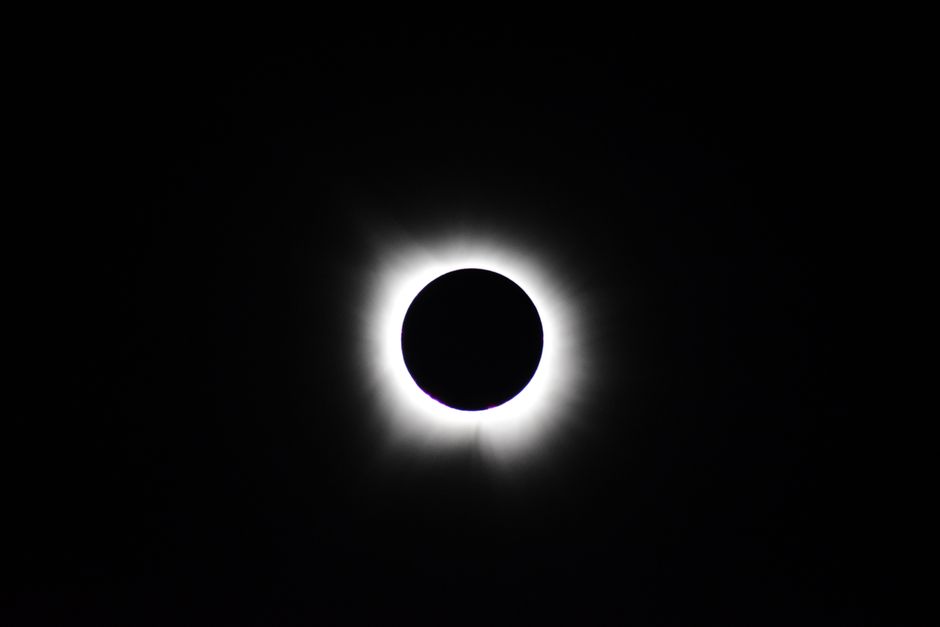
The moment the sun winks out and the corona blooms—a sight that binds every traveler who has chased it.
✈️ Best time to visit: Align with totality path (e.g., Aug 12, 2026 for Spain/Iceland; Aug 2, 2027 for North Africa/Europe)
💰 Estimated budget: $150–$500+ per day (mid-range accommodation, meals, local transport)
⏱️ How long to spend: 5–10 days (3 days minimum at the path, plus buffer for weather)
🎯 Difficulty level: Hard (logistics, weather dependency, high demand)
📍 Recommended season: Late summer (Northern Hemisphere) or early winter (Southern Hemisphere)
👥 Best for: Adventure travelers, astronomy enthusiasts, families with older kids, solo explorers seeking a once-in-lifetime moment
Introduction
I still remember the cold sweat on my palms in August 2017. I had driven sixteen hours from Denver to a tiny field in rural Oregon, my trunk filled with camping gear and a single pair of ISO-certified glasses. The forecast that morning was a cruel tease: high clouds. As the moon began its slow bite into the sun, a strange twilight fell, and the air dropped ten degrees. Then, for two minutes and four seconds, everything stopped. The corona—a ghostly white halo—pulsed above a black disc. People sobbed. Strangers hugged. I understood, right then, why eclipse tourism isn't just a hobby; it's an obsession.
I have since chased three more totalities—Chile’s Atacama Desert in 2019, a harrowing trip to Antarctica in 2021, and Australia’s Ningaloo Reef in 2023. I’ve also spent hundreds of hours researching the next big events: the 2026 eclipse over Spain and Iceland, and the 2027 eclipse that will sweep across North Africa and the Middle East. This guide is built from that experience—both the glorious successes and the chaotic failures. You will learn how to pick the perfect viewing spot, how to budget without breaking the bank, and most importantly, how to be safe without letting fear ruin the magic. By the end, you'll have a clear, actionable plan to stand in the shadow of the moon and have the time of your life.
The Essentials at a Glance
- 🌍 Path is everything: Totality only happens along a narrow, 100–150 km wide path. Do not settle for 99% partial—it’s like showing up to a feast and only smelling the food.
- 📅 Book early or pay late: Prices for hotels and flights within the path triple 12–18 months before the date. Secure refundable bookings as soon as the path is confirmed (usually 5 years out).
- ☀️ Safety is non-negotiable: Only certified ISO 12312-2 glasses protect your eyes during partial phases. Remove them only during totality (and put them back on the second the diamond ring appears).
- ☁️ Weather is the wildcard: Have a backup location within a few hours’ drive even if you’re on the centerline. Cloud cover can destroy your view in seconds.
- 📸 Don’t be a gearhead: Leave the heavy photography to pros for your first time. Watch the eclipse with your own eyes—your phone or a simple point-and-shoot will capture the memory just fine.
The Complete Guide
Why This Matters / Why You Should Go
You have probably seen photos of a total solar eclipse—a black circle with wispy white tendrils. They are beautiful. But they are a lie. No image can capture the visceral, almost spiritual sensation when day turns into a deep, eerie twilight in under a minute. The horizon glows 360 degrees in sunset colors. Birds stop singing. A 360-degree sunset rings the horizon. The temperature plummets. The sun’s corona is not white in person; it is pearlescent, shimmering, and far larger than you ever imagined. That experience—the full, multi-sensory immersion—is why people fly across continents for a few minutes of darkness.
Who is this for? The impatient traveler. The person who wants a genuine adventure that takes planning and guts. It is not for the casual beach tourist; it is for someone who is okay with a 5 a.m. drive to dodge clouds, sleeping in a tent or a booked-out motel, and sharing the moment with thousands of other excited strangers. Families with children aged eight and up will find it magical (younger kids may be scared or bored). Solo travelers thrive here because the eclipse community is one of the friendliest on Earth—strangers share telescopes, snacks, and stories. Go for the eclipse, but stay for the collective gasp of 10,000 people all realizing they are alive at the same perfect moment.
Why choose 2026 or 2027 over other years? For 2026 (August 12), the path crosses Iceland and northern Spain—offering an incredible blend of volcanic landscapes and Mediterranean culture. For 2027 (August 2), totality will last over six minutes (near the maximum possible) across Morocco, Spain, Algeria, Tunisia, Libya, Egypt, and Saudi Arabia. Egypt, in particular, offers extended totality near the Valley of the Kings—a literal “ancient sun meets ancient sky” experience. Both are far more accessible than Antarctica or the middle of the Pacific. You can do these trips without a yacht or a NASA badge.
When to Visit (Seasonal Guide)
The eclipse date is fixed. You do not choose when to visit; you plan everything around that single day. For 2026, the eclipse occurs on August 12. In Iceland, August is high season—temperatures between 10°C and 15°C (50–59°F), long daylight hours (almost 18 hours), but frequent rain and clouds. Northern Spain (e.g., Bilbao, Zaragoza) will be warmer, 25–30°C (77–86°F), with drier conditions but occasional afternoon thunderstorms. Crowds? Astronomical. EVERY hotel and rental within 50 km of the centerline in Spain sells out by spring 2025. Iceland’s small towns will be overrun. The pros: long daylight gives you more flexibility to chase clear skies. The cons: prices are peak season, and weather is a gamble.
For 2027 (August 2), the path crosses the Mediterranean coast of Spain again (better weather here than the Atlantic side), then Morocco, Algeria, and Egypt. If you choose Egypt—near Luxor or the Great Sand Sea—expect brutal heat: 40°C (104°F) in the shade. However, skies are near-guaranteed clear, and the 6+ minute totality will be one of the longest of the 21st century. Crowds in Egypt will be intense but manageable if you book a desert camp or a Nile cruise positioned on the centerline. I recommend targeting Spain’s southern coast (near Almería) or the Egyptian desert for the best balance of accessibility and clear skies. Always arrive at least 3 days early to acclimate and have a car to relocate if weather turns bad.
Budget Breakdown
Eclipse trips can range from shoestring to luxury, but the demand creates a floor. Here are real numbers from my 2023 Australia trip and 2027 research:
- Accommodation (per night): Low (camping or shared hostel) $30–$80; Mid (3-star hotel or Airbnb) $150–$350; High (boutique hotel or resort) $400–$1,200+. In 2026/2027, expect mid-range to start at $250 within the path.
- Food (per day): $20 (street food/market) to $80 (sit-down restaurants). In Spain or Iceland, factor $50/day for moderate eating. In Egypt, street food is cheap ($5–$10), but bottled water and hotel meals are pricier.
- Activities: Eclipse-specific tours (guide, transport, glasses) $100–$500 per person. General sightseeing (museums, ruins) $10–$50. Free: hiking, national parks.
- Transport: Flights to Europe from US/Asia: $800–$1,500 (economy). Rental car for 10 days: $400–$800 (book far in advance—prices double near the date). Local buses/trains: $5–$30 per trip.
- Daily total: For a 10-day trip, budget $2,500–$5,000 per person (mid-range, including flights). Money-saving tips: Book refundable flights 18 months out. Stay in an Airbnb with a kitchen 20 km from the centerline (cheaper, and you can drive to totality). Buy eclipse glasses now for $2 each, not the $20 ones sold near the event.
Getting There & Getting Around
For the 2026 eclipse, the two major entry points are Reykjavík (KEF) for Iceland and Madrid/Barajas (MAD) or Barcelona (BCN) for Spain. From Madrid, the totality path crosses near Burgos, Zaragoza, and Lleida—a 2- to 4-hour drive. In Iceland, totality is over the remote Westfjords and near Akureyri; you will need to rent a 4x4 and book a ferry. Pro tip: Avoid flying into Iceland on the day before the eclipse—I’ve seen people miss totality because of fog cancelling flights. Arrive 4 days early.
For the 2027 eclipse, the easiest hub is Málaga (AGP) for Spain’s path, or Cairo (CAI) for Egypt. From Cairo, a 4-hour drive to the centerline near Luxor or a longer drive (6 hours) to the Sahara. In Egypt, hire a private driver or join a tour—public transport is unreliable and often stops at checkpoints. I strongly recommend renting a car in Spain (roads are excellent), but in Egypt, use a reputable tour company for desert travel. Navigating: Download offline maps (Google Maps or Maps.me) well in advance because cell signals will be overloaded on eclipse day. I made the mistake of relying on my phone’s GPS in 2019 and ended up on a dirt road in Chile.
Top Recommendations / Must-Do Activities
Do not just show up, watch the eclipse, and leave. Make it a full trip. Here are my top picks based on experience and research:
1. Iceland’s Westfjords (2026): This is for the adventurous. The totality path clips the remote Látrabjarg cliffs. Stay in Ísafjörður—a charming fishing town—and hike at sunrise. Book a ferry from Stykkishólmur months in advance. Downside: weather is extremely fickle; have a plan B in a valley. I love the raw beauty here, but it’s not for first-time eclipse chasers because of the logistics.
2. Zaragoza, Spain (2026): This is the sweet spot for 2026. Zaragoza sits close to the centerline, has great train connections from Madrid, and offers beautiful Moorish architecture (Aljafería Palace) and incredible tapas. The eclipse will occur in the late morning, skies are relatively reliable, and the city has enough hotels to absorb crowds. I recommend staying in a nearby village like Huesca for lower prices. Insider tip: Go to the Basilica del Pilar the day after the eclipse—the light reflecting off the Ebro River is stunning.
3. Luxor, Egypt (2027): The crown jewel of 2027. The Valley of the Kings, Karnak Temple, and the Nile—all directly under the path. Totality will last 6 minutes and 22 seconds. Book a felucca sailboat or a desert camp in the Western Desert for a completely unbothered view. Downside: heat is oppressive (40°C+), and you need to drink 4+ liters of water per day. I have not been to this specific eclipse, but I’ve visited Luxor—it is transcendent even without the cosmic show.
4. The Sahara Desert near Merzouga, Morocco (2027): For 2027, Morocco’s path passes through the Sahara. Spend a few nights in a luxury tent camp (e.g., Dar Tafouyte) riding camels and sleeping under stars. The eclipse will rise in the early morning—watching the corona over sand dunes is a bucket-list moment. Must-book: Travel with a guide who knows desert navigation.
Traveler’s Pro Tips
Arrive three days early, stay two days late: You need buffer days for weather, jet lag, and exploring. I once arrived one day before an eclipse in Patagonia and the flight was delayed—I missed everything. Three days minimum in the region gives you a cushion.
Carry a backup pair of glasses in your pocket, not your bag: On eclipse day, keep two certified glasses on your person. I lost mine in a crowd in 2019 and had to borrow from a stranger. They are cheap—buy 10 pairs online for $15 and share.
Practice the timeline of the eclipse beforehand: Do not wing it. Know exactly when first contact (start of partial), second contact (start of totality), and third contact (end of totality) happen for your location. Set an alarm for each phase. I saw people marveling at the partial phase and completely missing totality because they forgot to check the time.
Use a star chart app to find Mercury, Venus, and Jupiter during totality: During the 2021 Antarctica eclipse, I located Venus with my naked eye during totality because I had practiced with SkyView. It added a layer of wonder—planets become visible in the dark sky.
Book a tour that includes a meteorologist or alternative viewing site: For 2027, companies like Eclipse Traveler and MWT Associates offer mobile tours that drive to clear skies based on satellite data. This is expensive ($500–$2,000 per person) but worth every penny if clouds loom. I used a similar service in Chile and it saved my trip.
Common Mistakes to Avoid
Mistake 1: Staying in a city far from the centerline to save money. I did this in 2017—I stayed in Portland, which was 99.5% partial. The difference between 99.5% and 100% is infinite. A 99.5% eclipse looks dark but the corona never appears. You will kick yourself forever. Always stay within the path of totality, even if it means spending more.
Mistake 2: Only bringing one mode of payment. Many eclipse towns have ATMs that run out of cash and card machines that fail due to network overload. In 2019, the Chilean village I was in had no signal for 12 hours. Bring cash in local currency and a backup credit card. I was left without food and paid a taxi driver in USD.
Mistake 3: Trying to photograph the eclipse without practice. You will see people with telescopes and DSLRs fumbling for 90% of totality. The best photos require weeks of setup and practice. For your first time, just use your phone or a basic camera on a tripod. Set it to manual focus, a wide-angle lens, and shoot a short video. Then watch the eclipse with your eyes. You’ll have more memories.
Mistake 4: Forgetting sunscreen during partial phases. The sun is still incredibly bright. I got a sunburn on my face during the 2023 eclipse because I thought the partial phase was “dim enough.” It’s not. Wear SPF 50+ and a hat.
Your Travel Checklist
- Documents: Passport (with 6+ months validity), visa if required (Egypt requires e-visa for most countries), printed flight and hotel confirmations, travel insurance (covers trip cancellation—essential for weather-related changes).
- Packing: ISO 12312-2 eclipse glasses (at least 2 pairs), wide-brimmed hat, sunscreen SPF 50+, layers of clothing (even in deserts, temperature drops 10°C during totality), comfortable walking shoes, reusable water bottle, snacks (high energy bars), a small blanket or chair for viewing.
- Research: Download offline maps (Maps.me), know your exact GPS coordinates for the centerline, print a chart of the eclipse timings for your location, and have a weather app with radar (Windy, AccuWeather).
- Bookings: Accommodation (book 18 months in advance with free cancellation), rental car or tour (book early), travel insurance (buy as soon as you book flights).
- Health/Safety: First aid kit for minor cuts/sunburn, any prescription medications (double supply in case of delays), hand sanitizer, mosquito repellent (especially in Egypt).
- Local Currency: Cash (Euros for Spain/Iceland, Egyptian Pounds for Egypt) and a credit card with no foreign transaction fees.
- Apps: SkyView or Stellarium for astronomy, Google Translate for language barriers, and a compass app to find the sun’s position during the eclipse.
Traveler FAQ
Q: What’s the best way to find a hotel near the centerline without paying triple prices?
A: Use Airbnb or VRBO to rent a private room or entire home 10–20 km outside the exact centerline (prices drop by 50%). Then drive an hour to the centerline on eclipse morning. Or book a campground—national parks and private farms often allow camping for a small fee. I camped in a sheep field in Australia for $15.
Q: Do I really need solar filters for my camera? Can I just use my phone?
A: Yes, you need a solar filter for any DSLR or mirrorless camera during the partial phases—otherwise you can damage the sensor. But for smartphones: if you have an iPhone 12 or newer, you can take a decent shot without a filter by pointing the phone at the partially eclipsed sun through certified glasses (hold the glasses in front of the lens). During totality, remove the glasses—you’ll see the corona perfectly on screen.
Q: What if it’s cloudy? Can I still see the eclipse?
A: Not directly, but you can still experience totality—the sky will darken, and the horizon glows orange. Many people under clouds still report it as magical. But if you want a clear view, the only solution is a backup location. Always have a car and a list of 2–3 towns within 2 hours’ drive that have better weather forecasts. I drove 3 hours in 2017 to a clear spot.
Q: How do I know if I’m buying legitimate solar eclipse glasses?
A: Look for the ISO 12312-2 certification printed on the glasses, and buy only from reputable vendors like Rainbow Symphony, American Paper Optics, or Baader Planetarium. Avoid random Amazon sellers without reviews—counterfeit glasses are dangerous. Test them: if you can see a bright light bulb through them without pain, they’re likely safe. The sun should appear dim and grey, not bright.
Q: Is it safe to fly during a total solar eclipse?
A: Yes, it’s perfectly safe. Many airlines even offer special flights that fly along the path of totality! Airlines like Delta, United, and Air France have done this in the past. If you want a unique experience, consider booking a “eclipse flight”—though seats sell out a year in advance and cost $500–$2,000 extra. The view from 35,000 feet above the clouds is unbeatable.
Ready for Your Adventure?
Planning an eclipse trip is part science, part art, and part pure leap of faith. You are betting on weather, logistics, and your own capacity for spontaneous joy. But here is the secret that veteran chasers know: the planning itself becomes part of the story. The map you obsess over, the rental car you stress about, the last-minute dash to dodge clouds—all of it culminates in those minutes when the moon slides perfectly in front of the sun and the world stands still. You will not regret the effort, the money, or the early mornings. I have stood under four totalities, and I still get goosebumps when I talk about them. The next one is waiting for you in 2026 or 2027. Do not let a fear of crowds or cost hold you back. Book that refundable flight. Buy those glasses now. Pack your bags, chase the shadow, and let the universe leave you breathless.


No comments:
Post a Comment