Chasing Shadows: How to Plan Your Ultimate Trip for the 2026 Total Solar Eclipse
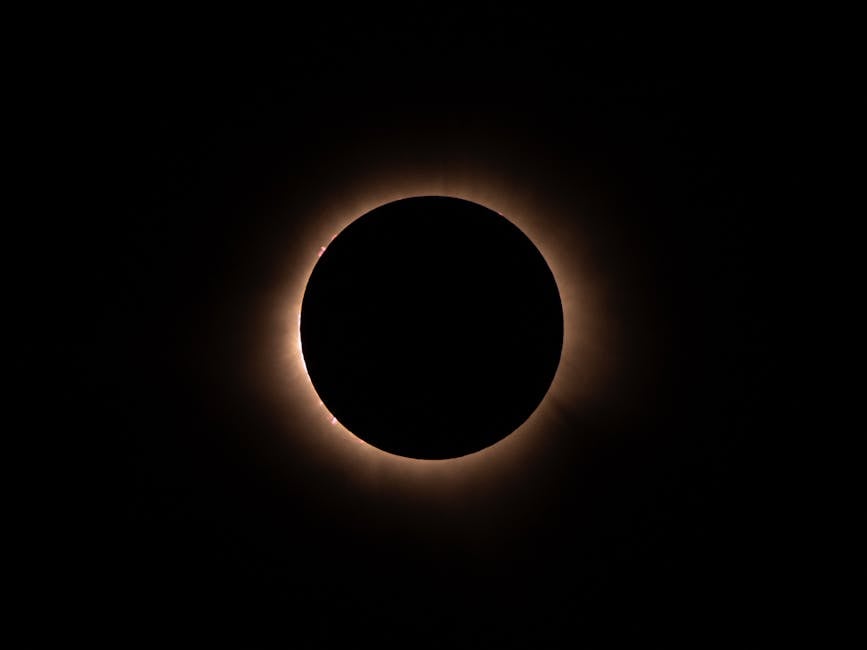
The rugged coast of Iceland, a prime viewing location for the 2026 total solar eclipse, offers otherworldly landscapes that mirror the cosmic event.
✈️ Best time to visit: August 2026 (peak eclipse window)
💰 Estimated budget range: $2,500–$5,000 (7-day trip, mid-range)
⏱️ How long to spend: 7–10 days (to allow for weather flexibility)
🎯 Difficulty level: Moderate (logistics and weather require planning)
📍 Recommended season: Summer in Spain / Late Summer in Iceland
👥 Best for: Solo travelers, couples, astronomy enthusiasts, intrepid families
The Call of the Shadow
I remember the first time I stood in the moon’s shadow. It was 2017, somewhere in a dusty field in Oregon, and as totality swept over us, the temperature dropped, birds stopped singing, and a 360-degree sunset painted the horizon. The world held its breath. That two minutes of cosmic time changed how I saw our place in the universe.
Now, a new shadow is coming—and it’s bigger, bolder, and infinitely more dramatic. On August 12, 2026, a total solar eclipse will trace a path across the North Atlantic, brushing the northern coast of Spain and plunging eastern Iceland into darkness for over two minutes. I’ve chased eclipses across four continents, and the 2026 event is unlike any I’ve planned for. It crosses two wildly different countries: sun-baked Spain and volcanic, untamed Iceland.
I’ve spent months researching this eclipse, talking to local astronomers in both countries, and even scouting potential viewing spots from the Alhambra to the Reykjanes Peninsula. My mission is to help you avoid the mistakes I made on earlier chases—like booking a hotel 50 miles from the centerline or forgetting to pack a tripod. By the end of this guide, you’ll know exactly where to go, when to book, what to pack, and how to photograph the eclipse without fumbling in the dark.
The Essentials at a Glance
- 📍 Prime viewing zones: Northern coast of Spain (Gijón, Santander) or eastern Iceland (Egilsstaðir, Húsavík). Spain offers warmer, more reliable weather; Iceland offers dramatic landscapes but higher cloud risk.
- 🔭 Duration of totality: Up to 2 minutes 28 seconds in Spain; slightly less in Iceland due to proximity to the edge of the path.
- 🌤️ Historical cloud cover: Spain’s north coast averages 40–50% cloud cover in August; eastern Iceland averages 60–70%. Spain is statistically safer for clear skies.
- 📅 Book by: Early 2025 – accommodations near the centerline will sell out by mid-2025. I booked my own room in Gijón in January 2025 and it was already tight.
- 💡 Key difference from 2024: The 2026 eclipse path is largely over ocean—landfall only in Spain and Iceland. Limited land access means you need to plan precisely.
The Complete Guide
Why This Matters / Why You Should Go
Let me be blunt: a total solar eclipse is the single most awe-inspiring natural phenomenon a human can witness without traveling to space. I’ve stood at the rim of the Grand Canyon, watched geysers erupt in Yellowstone, and hiked through Northern Lights in Norway. Nothing—and I mean nothing—compares to the moment the sun’s corona blazes into view. The 2026 eclipse is especially compelling because it crosses two of Europe’s most magnetic destinations in one trip. You can stand on a medieval Spanish cliffside with a glass of Rioja, then fly to Iceland for glacial lagoons and black sand beaches the next week.
But there’s a catch: the path of totality barely touches land. Most of it falls over the North Atlantic Ocean. That means fewer viewing spots, higher demand, and a premium on flexibility. This isn’t a casual “show up and watch” eclipse. It rewards planners, early birds, and those willing to chase clear skies. If you’re the kind of traveler who wants to feel the ancient rhythm of the cosmos, and you’re not afraid of a little logistical challenge, this is your eclipse. I’d say it’s for solo adventurers and couples who appreciate both science and good food—Spain’s seafood and Iceland’s geothermal pools are a bonus.
When to Visit (Seasonal Guide)
The eclipse happens on August 12, 2026. This puts you squarely in the peak tourist season for both Spain and Iceland. In Spain’s northern coast, August means warm days (25–30°C/77–86°F) and occasional rain showers. The Bay of Biscay can be moody—I’ve spent afternoons in Santander where fog rolled in and out every hour. But the upside: long daylight hours (sunset after 9 PM) give you time to explore. Crowds are thick in August, especially along the coast. Iberian tourists flock to the beaches, so book everything early.
Iceland in August is a different beast. It’s the height of summer, with near-24-hour daylight (the sun barely dips below the horizon in the north). Temperatures hover around 10–15°C (50–59°F), which feels chilly compared to Spain. The real challenge is cloud cover. Eastern Iceland, where the eclipse path lands, experiences its wettest month in August. I’ve driven through the fjords near Egilsstaðir in August and had three days of drizzle. The consolation prize? When it’s clear, the landscape is paradise—green hills, waterfalls, and puffins. If you have the budget and time, consider splitting your trip: spend the week before the eclipse in Spain (where you can scout a backup site), then fly to Iceland for the main event if weather forecasts look better. That’s what my astronomer friends are doing.
Budget Breakdown
Let’s cut to the chase: eclipse chasing isn’t cheap, but it doesn’t have to bankrupt you. Here’s what I’ve found from my own bookings and research:
Accommodation (7 nights, mid-range): In Spain’s northern coast, a double room in a decent hotel near the centerline (say, Gijón or Santander) will run €100–€200/night. By late 2025, prices double for eclipse week. In eastern Iceland, expect €150–€250/night for hotels or guesthouses; hostels in Egilsstaðir start at €50/night. My advice: book a refundable rate in both countries if you can.
Food (per day): Spain is a delight—€15–€25 for solid meals with local wine. Iceland is pricier: €30–€50/day for basic meals if you eat out. Save money by hitting grocery stores in both places; a simple picnic of Spanish cheese and bread beats expensive tourist menus.
Transport: Rental car is essential in both regions. In Spain, expect €50–€80/day for a compact car; in Iceland, €80–€120/day. Fuel is expensive in Iceland (€2/liter). I recommend picking up the car in Bilbao or Reykjavik respectively. Flights between Spain and Iceland (Iberia/Play Airlines) range €150–€300 round-trip if booked early.
Total estimate: For a 7-day trip focusing on one location (Spain or Iceland), budget €1,800–€3,000 (roughly $2,000–$3,300). For a combined Spain+Iceland trip (10 days), expect €3,500–€5,000. Money-saving tip: share a rental car with another eclipse chaser—there are dedicated forums for this. I’ve coordinated with strangers twice and made lifelong friends.
Getting There & Getting Around
For Spain, fly into Madrid or Barcelona, then catch a connecting flight or train to Oviedo, Santander, or Bilbao. I’ve done the high-speed train from Madrid to Oviedo (3.5 hours, €50) and it’s smooth. Once you’re in the north, rent a car from Bilbao airport—it’s the most convenient hub. Driving along the coastal N-634 is glorious, with cliffs and fishing villages. But avoid the main highways during eclipse day; traffic jams will be epic. I plan to leave my hotel at 4 AM and drive to a remote beach viewing spot.
For Iceland, fly into Reykjavik (Keflavik) and then take a domestic flight to Egilsstaðir (Air Iceland, 1 hour, €200 round-trip) or drive the Ring Road (10 hours one-way). I’ve driven the Ring Road in summer and it’s worth the journey—waterfalls, glaciers, and sheep everywhere. But if you’re short on time, fly. On eclipse day, local roads to viewing sites (like Borgarfjörður Eystri) can be gravel. Rent a 4x4, not a city car. I once got stuck in a muddy track in a Fiat 500—never again.
Top Recommendations / Must-Do Activities
Spain: Watch from the Mirador del Fitu (Asturias). This viewpoint near Gijón offers panoramic ocean views. I scouted it last October—it’s exposed to wind, but the sightline over the Bay of Biscay is perfect. Arrive by 5 AM. Bring a chair and a thermos of coffee. Downside: no bathrooms nearby.
Spain: Explore the Picos de Europa National Park. After the eclipse, hike the Cares Gorge trail. It’s a 12-kilometer sheer-sided canyon walk that feels like stepping into a postcard. I did it in 2022 and saw vultures circling above. No eclipse-related, but a perfect way to extend the magic.
Iceland: Camp at Vatnajökull National Park. The eclipse path clips the park’s edge near Jökulsárlón glacier lagoon. I’ve camped there in August—the sound of icebergs cracking is surreal. Just be warned: midges (small biting flies) can be relentless. Bring repellent.
Iceland: Visit the village of Húsavík. It’s just inside the path of totality. This tiny whale-watching hub has a fantastic whale museum and a geothermal pool. On eclipse day, the town itself might host events. I’m planning to watch from the hill behind the church to avoid light pollution from houses.
Both countries: Book an eclipse-specific astronomy tour. I did this in 2024 with a company called Eclipse Traveler and it transformed my experience. They provide certified solar glasses, expert commentary, and backup locations. Prices start at €300/person. Worth every penny for the peace of mind.
Traveler’s Pro Tips
1. Have a backup site within 30 minutes’ drive. The weather in both regions changes fast. Book a room with a flexible cancellation policy and check satellite cloud cover apps (like Windy.com) on eclipse morning. I always have three potential viewing spots scouted on Google Maps beforehand.
2. Buy certified solar glasses NOW. Not in 2026, not in 2025. Buy them today. I’ve seen cheap imitations that don’t block infrared light—they can cause eye damage. Get ISO 12312-2 certified pairs from reputable vendors like American Paper Optics or Rainbow Symphony. Buy at least five pairs (one for you, extras for curious locals).
3. Practice your camera setup a week before. The eclipse lasts only 2.5 minutes. You don’t want to be fumbling with settings. I do a “dry run” using the moon at night to test my autofocus, exposure, and intervalometer. Also, bring extra batteries—cold weather drains them fast, especially in Iceland.
4. Use a digital compass app to find the sun’s path. Most people arrive and guess where the sun will be. Use an app like Sun Seeker to see the exact arc for the date. This helps you position your tripod and avoid trees or buildings.
5. Book a hotel with a roof terrace. This is a pro trick from a seasoned chaser: upper floors or roof access guarantee a clear horizon. I always email hotels directly and ask if the rooftop is accessible for eclipse viewing. Some will reserve it for you.
Common Mistakes to Avoid
Mistake 1: Relying on a single viewing spot. I made this error in 2019 for the South American eclipse. I drove six hours to a specific valley, only for clouds to roll in five minutes before totality. I missed the entire event. Now I always plan a primary and two backup sites within a 20-mile radius. The sky moves—you must adapt.
Mistake 2: Forgetting to check the weather in real-time. Don’t trust the forecast from two days earlier. On eclipse day, refresh satellite images every 30 minutes. I use Windy.com and zoom in on the highest-resolution model. If you see a persistent bank of clouds, move early. Roads will jam fast.
Mistake 3: Trying to photograph during totality without experience. This is the biggest heartbreaker. During totality, the corona is beautiful but faint. If you’re adjusting settings, you’ll miss it. Either automate with an intervalometer, or—and this is my strongest advice—just put the camera down for the two minutes and look up with your eyes. I’ve seen people spend 90 seconds fiddling and never actually see the eclipse. You can’t rewatch it; you can only remember it.
Mistake 4: Not booking refundable accommodation. I know it’s tempting to snap the cheapest non-refundable room, but a single bad weather report will ruin your trip. I only book refundable or free-cancellation options for eclipse travel. It costs a little more but saves thousands in stress.
Your Travel Checklist
- Documents: Valid passport (check expiry 6+ months), travel insurance covering weather-related cancellations, printed confirmation of all bookings.
- Packing: Solar glasses (ISO certified), tripod, telephoto lens (200mm minimum), extra camera batteries, power bank, foldable chair, binoculars (with solar filter), warm layer even for Spain (coastal wind!), waterproof jacket for Iceland.
- Research: Download offline Google Maps for your viewing zones, bookmark Windy.com and ClearDarkSky (for astronomy weather), read cloud cover history for your specific region.
- Bookings: Accommodation (pay deposit now!), rental car (4x4 for Iceland), domestic flights if needed, any astronomy tour you want.
- Health/Safety: Sunscreen (even during totality!), sunglasses for after, insect repellent for Iceland, paracetamol for altitude if driving through mountains, and a first-aid kit.
- Local currency: Spain uses Euro; Iceland uses Icelandic Króna. Have a mix of cash and card (cards are widely accepted everywhere).
- Apps: Sun Seeker or Solar Eclipse Timer (crucial for timing!), Windy.com, Google Maps offline, a compass app.
Traveler FAQ
Q: What is the best country to watch the 2026 eclipse: Spain or Iceland?
A: It depends on your priorities. Spain offers warmer weather, better local infrastructure, and statistically clearer skies (lower cloud cover). I’d choose Spain for reliability. Iceland offers unmatched landscape drama but higher risk of clouds. If you can afford it, join a cruise or plan to move between them based on forecasts in the last 48 hours.
Q: How long is totality for the 2026 eclipse?
A: The maximum duration is about 2 minutes 28 seconds on the coast of Spain. In Iceland, it’s slightly shorter at around 2 minutes 10 seconds. That’s still plenty of time for gasps, photos, and a few tears. The experience feels like a compressed dream—time slows down inside the shadow.
Q: Do I need special equipment to view the eclipse?
A: Yes, for the partial phases (before and after totality). You must wear ISO 12312-2 certified solar glasses at all times unless the sun is 100% covered. During totality, you can safely look with the naked eye—that’s the only time. Camera filters are also needed for partial phases; remove them during totality.
Q: Can I drive to the viewing site on the day of the eclipse?
A: Yes, but plan to arrive very early. I’m targeting 4–5 AM for a 8:15 AM eclipse in Spain. Roads near the centerline will be bumper-to-bumper after 6 AM. In Iceland, many viewing roads are gravel and slow. I recommend staying within 20 minutes of your chosen site the night before.
Q: What if it’s cloudy on eclipse day?
A: This is every chaser’s nightmare. The best you can do is improve your odds: book in Spain (better historical weather), have a backup site, and consider renting a car with high clearance to chase a break in the clouds. If all else fails, I’ve learned to savor the partial eclipse and the experience of the crowd—its collective gasp still gives me chills. But honestly, a clear sky is the only guarantee you really want.
Ready for Your Adventure?
The 2026 total solar eclipse is more than a celestial event—it’s a pilgrimage for anyone who feels a deep, undeniable pull toward the cosmos and our place within it. I’ve seen grown men weep under the corona. I’ve seen strangers hug like lifelong friends. This is what we travel for: moments so powerful they bypass language and lodge in the marrow.
You don’t need to be an astronomer or a photographer. You just need the courage to book that flight, pack those glasses, and stand under a shadow that has traveled across an ocean to find you. Yes, the logistics are complex. Yes, the weather is a gamble. But I promise you this: if you stand in the path of totality on August 12, 2026, you will be forever changed.
Now stop reading. Go book that room. Check those glasses. And I’ll see you under the shadow.


No comments:
Post a Comment