How to Build a Zero-Waste Travel Kit That Actually Works
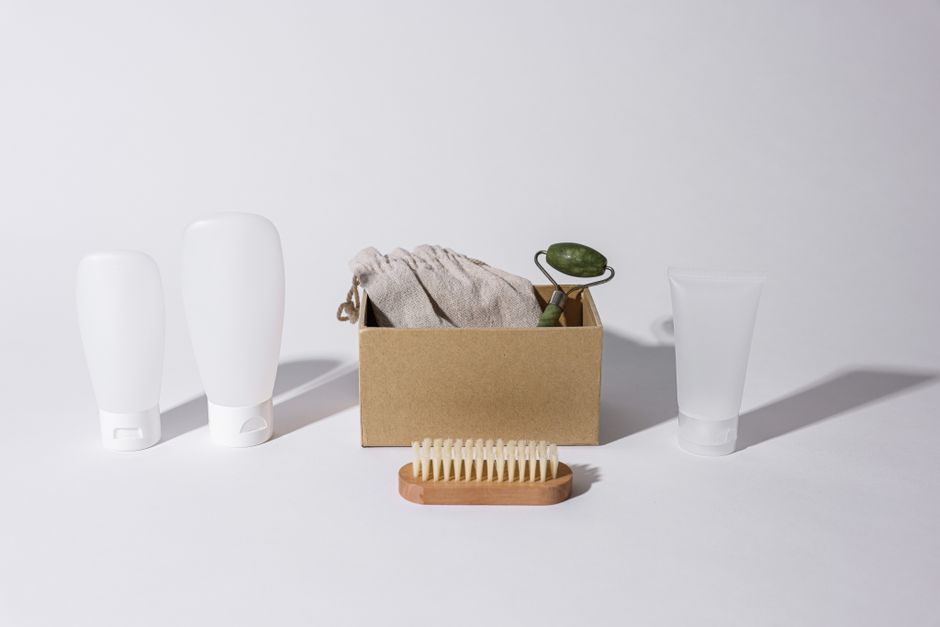
A thoughtfully curated zero-waste travel kit keeps you prepared, light, and kind to the planet.
💰 Estimated budget for kit: $30–80 one-time investment (reusable gear)
⏱️ How long to pack it: 20 minutes once you have supplies
🎯 Difficulty level: Easy (requires planning, not effort)
📍 Recommended season: Any – works year-round
👥 Best for: Solo travelers, families, couples, digital nomads – literally everyone
Introduction
I’ll never forget the moment. I was sitting on a sun-bleached dock in Thailand, watching a fisherman untangle a plastic bag from his net. He looked at me, held it up, and just shook his head. I looked down at my own pile of single-use wrappers – a water bottle, a straw, a takeaway container from lunch – and felt a knot tighten in my stomach. I knew I could do better. That evening, I started sketching my first zero-waste travel kit on a napkin. But I made every mistake along the way: I bought a stainless steel straw that was too short for my water bottle, ruined a bamboo toothbrush by leaving it in a damp bag, and carried around a heavy glass jar that I used exactly once. Over the past six years of traveling across 30+ countries, I've refined my kit down to ten essential items that weigh less than a pound and have eliminated nearly all my single-use plastic waste on the road. This article walks you through exactly what to pack, why each item earns its place, and the small hacks that make zero-waste travel effortless – not preachy. By the end, you'll have a clear, actionable plan for your own kit.
The Essentials at a Glance
- 🥄 Swap plastic for bamboo: A cutlery set (fork, knife, spoon, chopsticks) + metal straw fits in your daypack and saves hundreds of disposables per trip.
- 🧴 Solid toiletries are life-changing: Shampoo bars, soap bars, and toothpaste tablets weigh nothing, can't spill, and last weeks longer than liquids.
- 🛍️ Carry a collapsible bag and bottle: A reusable water bottle with a filter and a foldable shopping bag (that fits in your pocket) solve 80% of plastic problems instantly.
- 🍽️ One container, infinite uses: A lightweight stainless steel or silicone food container works for leftovers, snacks, groceries, and even as a bowl in hostels.
- 🧹 End-of-trip cleanup matters: Carry a small pouch for used gear (like a damp cloth) and know how to dry everything before packing it away – mold is the enemy.
The Complete Guide
Why This Matters – Beyond the Guilt Trip
Let's be honest: the zero-waste movement can feel overwhelming when you're constantly on the move. But the reason I stick with it isn't guilt – it's convenience. A proper zero-waste travel kit is lighter than a bag full of disposable toiletries and single-use items. It costs less over time because you're not buying plastic bottles of shampoo at every stop. And it makes you more resourceful: you learn to say "no straw, please" with a smile, you discover that street food vendors are often happy to fill your container, and you realize that most public water refill stations exist if you just look for the app. Personally, the biggest win came in a small town in Guatemala, where the only drinking water available was in plastic bottles. My filter bottle saved me from buying 30+ bottles over five days – and that's when I knew this wasn't a trend, it was a permanent shift.
When to Start (Spoiler: Today) – Pre-Trip Preparation Timeline
There's no bad season to build a zero-waste kit, but the easiest time is before a trip, when you're already thinking about packing. I recommend giving yourself one week before departure to gather your items. That gives you time to: order a bamboo cutlery set online (3–5 days shipping), visit a local bulk store for solid shampoo and conditioner bars (1 afternoon), and test your water bottle to make sure it doesn't leak in your bag (immediately). If you're traveling in summer, drying times are fast – you can use a wet toothbrush and air-dry it within an hour. In winter or rainy climates, invest in a small mesh bag to let toiletries breathe in your luggage. Crowds don't matter for this kit – you can build it from home without stepping into a crowded store. The only "peak" demand is around New Year's resolutions, when zero-waste kits sell out on Etsy. Avoid that rush and shop in January or June.
Budget Breakdown – What You'll Actually Spend
Forget the premium "sustainable travel sets" that cost $100+. Here's what I spent, and what you can expect, based on real prices from 2024–2025:
- Bamboo cutlery set (fork, knife, spoon, chopsticks, straw + cleaning brush): $12–18 (Amazon basics or local eco-shop).
- Stainless steel water bottle (500ml with filter): $25–35 (Grayl or LifeStraw – the filter lasts 3 months or 100 gallons).
- Solid shampoo & conditioner bars: $8–12 each (Ethique or Lush – one bar of each lasts 3 weeks).
- Toothpaste tablets: $10 for a 2-month supply (Bite or Unpaste).
- Collapsible silicone food container (700ml): $10–15 (Stojo or Sea to Summit).
- Foldable shopping bag: $5–8 (ChicoBag style, fits in a pocket).
- Reusable produce bags (2-pack): $6–10 (cotton mesh, for markets).
Total: ~$65–$95 for a kit that lasts 2+ years if you maintain it. I spend $0 extra per trip after the initial investment – versus $12–20 per week on bottled water and disposables. Money-saving tip: buy the water bottle and toiletries first, then add the rest over two trips. You don't need everything on day one.
Getting There & Getting Around With Your Kit
Your zero-waste kit is designed to fit in a small stuff sack (think the size of a pair of socks) in your main bag or daypack. For flights, keep it in your carry-on. The bamboo cutlery and metal straw are fine through TSA – I've never had an issue in 50+ flights. The solid toiletries should go in a clear pouch to avoid confusion with liquids. When you arrive, your kit becomes your daily companion. In cities, you'll refill water at cafes (ask nicely, tip a dollar) or at filtered fountains (use apps like Refill My Bottle or Tap). In rural areas, carry your water bottle pre-filled from a trusted source. Your foldable shopping bag saves you from plastic grocery bags – most markets in Southeast Asia, Europe, and Latin America accept them. Your container is perfect for takeaway food; just present it with a smile before they wrap it in styrofoam. Navigation tip: learn the local word for "tap water" or "refill" – in Italy it's "acqua del rubinetto," in Thailand it's "น้ำประปา" (nam pra-pa). It breaks the ice and shows respect.
Top Recommendations – Real Items I Swear By
After testing dozens of products, here's what I carry today and why:
- Stojo Collapsible Cup & Bowl (20oz): I love this more than I should. It compresses flat (0.5 inch thick), and I use it for coffee, soup, cereal, and even as a water bowl for stray dogs. The silicone is easy to clean and doesn't hold smells. Downsides: don't microwave it (silicone gets weird), and the lid can pop off if you squeeze it full. But it's replaced 10+ disposable cups per week for me.
- LifeStraw Go Water Bottle (650ml): I've drunk from rivers in Nepal and tap water in Mexico City with zero illness. The filter removes bacteria, parasites, and microplastics. It's slightly heavier than a plastic bottle (about 10 ounces empty), but it saves you from buying 5–10 plastic bottles per day in countries where tap water isn't safe. The filter needs replacement every 264 gallons, but I've gone 6 months of daily use before noticing a slower flow. Pro tip: rinse the filter with clean water after each trip and store it dry in a Ziploc to extend its life.
- Ethique Eco-Friendly Shampoo Bar (for oily hair): Lasts exactly 4 weeks of daily use. It lathers beautifully in both soft and hard water, and the bar doesn't turn into mush if you keep it on a soap dish that drains. I've tested five brands, and Ethique bars survive the longest without cracking. Conditioner bar is less essential – a tiny bottle of leave-in can suffice.
- Bamboo Cutlery from To-Go Ware: The fork has the right curve for scooping rice, the knife cuts a tomato, and the chopsticks don't splinter. Comes with a cotton pouch that I can throw in the wash. The straw is hexagonal so it doesn't roll off the table. One con: the wood eventually dries out after about a year of heavy use. But they're replaceable for $12.
Traveler's Pro Tips
1. The "5-Minute Dry Rule": After washing any reusable item (especially the bamboo spoon or toothbrush), you have exactly 5 minutes to dry it with a microfiber cloth before it starts holding moisture. I learned this the hard way when my bamboo cutlery grew mold inside the pouch. Now I carry a small, ultra-absorbent cloth (like a Swedish dishcloth) that dries anything in seconds.
2. Caffeine Hack for Hostel Kitchens: Most hostels have instant coffee packets in plastic wrappers. Bring a small, reusable French press or a stainless steel pour-over cone (the GSI Outdoors model weighs 2 ounces). You'll make better coffee, avoid the waste, and become the most popular person in the common room.
3. The "Snack Refill" Strategy: Instead of buying packaged snacks, walk into any bakery or market, show your cloth produce bag, and ask for "un pan, por favor" or the local equivalent. In Morocco, the baker wrapped my bread in paper. In Thailand, the fruit seller filled my bag with mango slices and charged by weight. The savings add up, and the food is fresher.
4. Earplugs and Eye Mask Are Zero-Waste Allies: They aren't gear, but they reduce your need to buy sleep aids wrapped in plastic. A silk eye mask and reusable silicone earplugs (like the ones from Loop) last years and prevent you from buying packs of foam earplugs. Plus, they make overnight buses tolerable.
5. Airplane Refill Protocol: On long flights, the flight attendants will give you a plastic cup of water. Instead, walk to the galley between services, hand them your empty water bottle, and ask them to fill it from the large jug they have near the coffee station. Nine times out of ten, they do it without fuss. I've saved 4–6 plastic cups per flight this way.
Common Mistakes to Avoid
Mistake 1: Bringing too many items "just in case." I started with a kit the size of a shoebox – a ceramic mug, a full-size cutlery set, a giant glass jar, and cloth napkins. It took up half my backpack. I used the mug once. The jar broke. Now I carry only items I will genuinely use every day. Ask yourself: "Will I honestly pull this out for a street food meal or a coffee?" If the answer is maybe, leave it.
Mistake 2: Not testing the water filter before the trip. I once bought a filter bottle and assumed it worked. First day in Laos, I drank from a "safe" tap and got sick – the filter had a tiny crack I hadn't noticed. Rule: fill the bottle with tap water, take a sip at home, wait 48 hours. If you don't get sick, the filter works. If you do, you just saved yourself a ruined trip.
Mistake 3: Being too rigid. Zero-waste purism is a recipe for burnout. I once refused a plastic bottle of water at 40°C in Morocco because I was "committed." I nearly fainted. Now I carry a backup plan: a small, collapsible silicone bottle (8 ounces) for emergency water. If I must buy a plastic bottle, I do – and reuse it for four days before recycling. Perfection is the enemy of good. Aim for 80% waste reduction.
Mistake 4: Ignoring local customs. In some cultures (like Japan or Korea), it's rude to bring your own container to a restaurant unless offered. I once presented my chopsticks at a sushi bar in Kyoto, and the chef looked offended – I was implying his disposable ones were bad. Now I ask first: "Can I use my own chopsticks?" In many places, they're happy to oblige. In others, respect the norm and dispose of the single-use items properly.
Your Zero-Waste Travel Checklist
Documents & Prep: Print or download the Refill app (find water stations), save "tap water safe" maps for your destination, check if your destination has local recycling rules (some cities like San Francisco have public compost bins; others recycle nothing).
Packing (The Core Kit): Bamboo cutlery set + metal straw + cleaning brush; collapsible water bottle with filter; solid shampoo bar + soap bar in a soap saver (mesh bag); toothpaste tablets + bamboo toothbrush; collapsible food container (500–700ml); 2 cloth produce bags + 1 foldable shopping bag; small microfiber drying cloth; small pouch for all items (I use a mesh bag for airflow).
Health & Safety: Test your filter bottle before departure; bring a packet of rehydration salts (if you get sick, you won't buy sugary sports drinks); pack a small bottle of hand sanitizer (avoid disposables by buying a 1oz refillable glass bottle).
Apps & Tech: Refill My Bottle, Tap, or The Water Refill Map; a translation app for "no plastic bag, please" and "can I fill my water bottle here?"; a GPS to find local bulk food stores or farmers' markets.
Local Currency: Have small bills and coins – many vendors who let you use your own container won't have credit card machines.
Traveler FAQ
Q: What if I'm flying and my solid toiletries get confiscated at security?
A: I've flown through 14 countries with solid shampoo bars and bamboo toothbrushes, and never had an issue. TSA and most international security treat solid bars as non-liquids. However, toothpaste tablets sometimes look suspicious on X-ray. Put them in a clear labeled bag (e.g., a small Ziploc with "toothpaste tablets" written on it). If questioned, just say they're breath mints. I've never had a tablet removed.
Q: How do I clean my reusable gear in places with no running water, like a desert campsite or a beach?
A: The silicone food container is easiest – rinse with sand or a tiny amount of water from your bottle, then wipe with your microfiber cloth. For bamboo cutlery, scrape off food residue with the back of your knife, then wipe with a wet cloth. If you're really stuck, eat dry foods (nuts, bread, fruit) that don't need washing. Also, many public restrooms in cities have sinks – just a quick rinse suffices.
Q: I'm going to a country where tap water is completely unsafe, even filtered. What then?
A: That's rare (most filters handle bacteria and parasites), but if you're in a place with high chemical pollution (e.g., parts of India or Bangladesh), you'll need a filter that also removes heavy metals – like the Grayl Ultralight, which filters to 0.3 microns and absorbs chemical toxins. If that's too heavy, buy a 5-gallon jug of water at a local store and use it for refills. Or, boil water at your accommodation and let it cool in your bottle.
Q: How do I store wet items like a damp cloth or a used soap bar to avoid mold?
A: This is the #1 challenge. My solution: a small, vented mesh pouch (<3 oz) that lets air circulate. Don't use a sealed plastic bag for wet items. After washing your cloth or soap, squeeze out excess water, then lay it on the pouch's mesh side. In humid climates, hang the pouch from your backpack strap overnight. For bamboo items, dry them completely before putting them in their pouch – never store them damp.
Q: Is a zero-waste kit really practical for a family of four?
A: Yes, but scale down. Instead of each person having a full kit, share communal items: one large collapsible food container for the family's takeaway meals, one set of cutlery per person (or just one set and wash between uses), and a 1-liter water bottle with a filter for the parent (fill everyone's cups from it). Kids can use stainless steel cups with lids. The weight is minimal – about 1.5 lbs for a family's kit. I traveled with my sister and her two kids in Costa Rica, and this setup worked perfectly.
Ready for Your Adventure?
Here's the truth I've learned every time I pull out my bamboo fork at a street stall or fill my bottle at a public fountain: zero-waste travel isn't about being perfect. It's about showing up, trying, and making a small difference that adds up with every trip. That knot in my stomach from Thailand is long gone. In its place is the quiet satisfaction of knowing I'm leaving a place a little cleaner than I found it. The kit I've described – ten items, less than a pound, under a hundred bucks – is a starting point, not a rulebook. Maybe you'll swap the metal straw for a silicone one, or skip the chopsticks if you're not a chopstick person. That's fine. The core idea is simple: carry less, waste less, wander more freely. So the next time you're packing for a trip, set aside twenty minutes, grab the items on this list, and build your own version. Your future self – and the planet – will thank you. Now go pack light, pack smart, and enjoy a trip that leaves only footprints.


No comments:
Post a Comment