How To Rent A Car Abroad Safely: The Insider Hacks That Saved My Trip (And My Wallet)
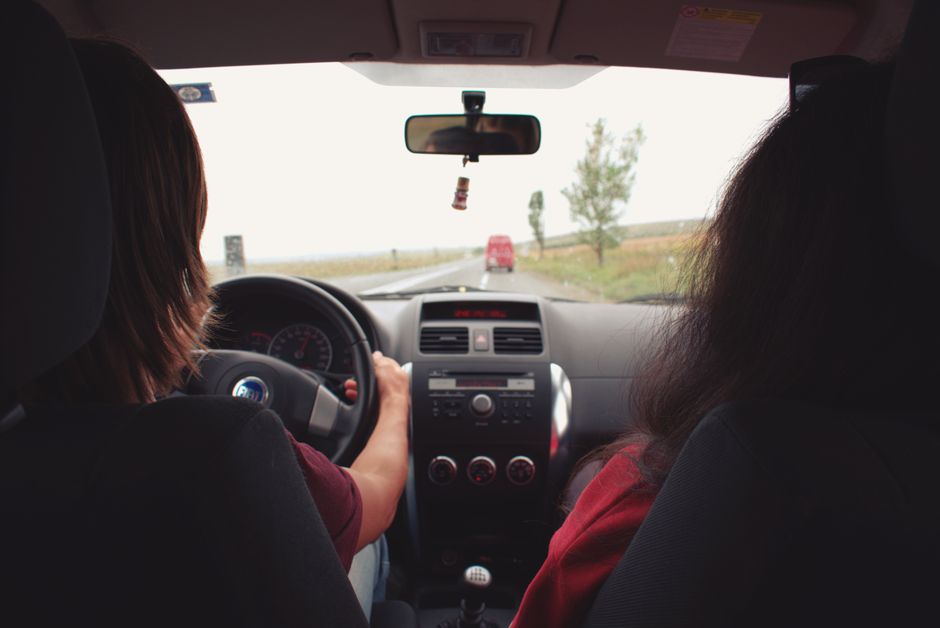
A rental car parked on a scenic coastal road — freedom on four wheels, but only if you’ve done your homework.
✈️ Best time to rent: Shoulder seasons (Apr–May, Sep–Oct) for lower rates and availability.
💰 Estimated budget range: $50–$150/day (car + full insurance + fuel).
⏱️ How long to spend: Book for 7–14 days to amortize weekly discounts.
🎯 Difficulty level: Moderate — requires paperwork savvy and local driving awareness.
📍 Recommended season: Spring or autumn for pleasant road conditions.
👥 Best for: Solo adventurers, couples, and small groups who value flexibility.
Introduction: The Moment I Almost Lost $2,000
I’ll never forget standing at the rental counter in Palermo, Sicily, watching the agent point to a tiny scratch on the bumper of a Fiat 500. The smile I’d worn for ten hours of travel vanished. “That’s €1,800 to fix,” he said flatly. I had purchased the “full” insurance online, but I didn’t understand the sub-limits or the deductible. That moment — sweaty hands, a throbbing headache, and a credit card about to be maxed — changed how I travel forever.
Since that painful lesson, I’ve rented cars in seventeen countries across four continents, from the icy ring roads of Iceland to the chaotic streets of Marrakech. I’ve been scammed, overcharged, and stranded — but I’ve also learned exactly how to avoid every single trap. This guide isn’t generic advice copied from a blog. It’s the hard-won playbook from someone who’s transposed the fine print, argued with managers in broken Spanish, and finally figured out how to drive abroad with confidence.
You’re about to crack the code on car rental hacks that actually work. We’ll cover the International Driving Permit you need (and the one you don’t), the insurance labyrinth simplified so you never pay twice, and the pre-inspection ritual that makes return a breeze. By the end, you’ll walk up to any rental desk with the quiet power of someone who knows more than the agent expects. Let’s get you on the road — safely.
The Essentials at a Glance
- 🗂️ Paperwork first: Secure your International Driving Permit (IDP) weeks before departure — local DMV offices process them fast, but not overnight.
- 🛡️ Insurance double-down: Reject the counter’s collision damage waiver if your credit card offers primary rental coverage — verify with your bank’s benefits department.
- 💻 Book off-airport: City-center rental offices often charge 30–50% less than airport kiosks, and you skip the “premium location” surcharge.
- 📸 Document EVERYTHING: Take a slow, high-resolution video walk-around of the car before you drive it off the lot — include all four sides, wheels, and interior.
- 🚦 Know the rules: Download a local traffic signs app and memorize one unique rule of your destination (e.g., headlights required in Italy even by day).
The Complete Guide
Why Renting a Car Abroad Changes Everything (and Why It Can Go Wrong)
A rental car is the master key to authentic travel. With your own vehicle, you skip the frayed nerves of missed trains, the “tourist taxi” price, and the tyranny of bus schedules. Instead, you pull over for a sunset you didn’t plan on, discover a village that isn’t in any guidebook, and set your own rhythm. For families dragging strollers or couples carrying camera gear, the flexibility is unmatched.
But here’s the flip side: abroad, your usual driving assumptions dissolve. In the UK, you queue on the left; in Vietnam, scooters flow like water around your car; in rural Japan, some roads are barely wide for a kei car. Without proper preparation, the dream turns into a nightmare of hidden fees, legal trouble, and expensive mistakes. This isn’t to scare you — it’s to empower you. When you know the system, you can exploit it for your benefit. You deserve the freedom of the open road, but you also deserve the peace of mind that comes from being bulletproofed against the pitfalls.
When to Rent: Timing Your Adventure for the Best Deal
The car rental market operates on supply and demand — and demand is brutal in high season. In Europe, June through August see rates balloon by 40–60%, and the cheapest cars vanish by noon. I once spent two hours in Barcelona in July hunting for any available automatic — and paid $190 for a basic VW Polo that normally costs $55 in March.
Best months: Mid-April to mid-June, and September to October. Weather is still pleasant (15–25°C in most temperate destinations), roads are less congested, and prices sit at a sweet spot. Worst months: December holidays (especially in ski regions) and August (Europe on holiday). Pros/cons: Spring offers blooming scenery but unpredictable rain. Autumn gives golden light and harvest festivals but shorter daylight hours. If you must travel in summer, book at least three months ahead and consider a manual transmission — automatics are a premium everywhere outside North America. Always check local holidays: a “normal” Tuesday can become a rental blackout day during national festivals.
Budget Breakdown: Where Your Money Really Goes
Let’s break down the real cost of a one-week rental in a mid-range destination like Portugal or Costa Rica (without extreme luxury or bargain-bin choices):
- Base rental fee: $40–$80/day (booked through aggregate site, compact car).
- Mandatory local insurance (Third Party Liability): $15–$30/day (often required by law and non-negotiable at the counter).
- Collision Damage Waiver (CDW) or zero-excess coverage: $20–$40/day if bought at the counter. TIP: you can cover this with annual rental insurance ($200/year total) or a premium credit card for free.
- Fuel: $10–$20/day (depends on driving distance; budget for 200 km/day average).
- Tolls/parking: $5–$15/day (especially in countries with many motorways like France or Italy).
- Additional driver fee: $10–$15/day per extra driver (adds up fast — consider rotating who drives).
Estimated weekly total: $700–$1,100 per week for a safe, insured rental with a single driver. Money-saving tip: return the car with a full tank using a gas station a mile from the rental office — the “refueling service fee” at the lot is usually double the actual fuel cost.
Getting There & Getting Around
Picking up your rental: If you’re flying into a major hub, the airport rental center is convenient — but expect congestion and upselling. I always book a shuttle-accessible off-airport location (e.g., the city center branch of Sixt or Enterprise). In Lisbon, my off-airport pickup saved €80 on fees and took 12 minutes total, compared to the 45-minute queue I saw at the terminal.
Navigation: Don’t rely on your phone’s data alone. Download offline Google Maps or Maps.me of your entire route before you leave the hotel WiFi. Also, invest $15 in a phone mount that attaches to the air vent — it’s a small purchase that prevents the “holding my phone while driving” ticket many countries fine heavily (up to €200 in France). Local traffic quirks to research: in Germany, you cannot stop on the Autobahn for any reason except a breakdown. In the UK, yellow lines on the curb indicate parking restrictions with exact times. Spend 15 minutes reading the EU driving abroad guide before departure — it’s free and authoritative.
Top Recommendations: Discover the Road Less Traveled
1. The Ring Road, Iceland (mid-May to mid-September): This 1,300-km loop is the ultimate bucket-list drive. I did it in June under the midnight sun, stopping at waterfalls that felt like they existed just for me. Insider hack: book a 4x4 with gravel protection, not a standard car. The wind can strip paint off rocks near Stokksnes. Downside: Wind and sudden fog can be intense — always check road.is before driving.
2. The Garden Route, South Africa (all year, best in March–May): From Cape Town to Port Elizabeth, this drive offers vineyards, elephants, and seaside cliffs. I recommend picking up a robust sedan (roads are good but full of potholes after rains). Important: Never drive after dark — animals wander onto roads, and carjackings spike post-sunset. Start early, stop by 5 PM.
3. Stelvio Pass, Italy (June–October only): For thrill-seekers, this alpine road with 48 hairpin turns is unforgettable. Rent a small, manual petrol car (a Fiat 500 or Mini) — the handling is better than a heavy SUV. Warning: Extreme altitude changes can cause altitude sickness and brake fade. Bring a hat and a box of mints for the curves.
Traveler’s Pro Tips: Five Expert Hacks That Saved Me Thousands
Tip 1: The “Walk-Away” Power Move: If the agent adds mandatory extras you didn’t agree to (like GPS or child seat when you’re alone), politely say, “I’ll check the terms and will be back in 5 minutes.” Walk away toward the exit. Nine times out of ten, they call you back to remove the charges. They rely on tired travelers giving in.
Tip 2: The Fuel Photo Ritual: At pickup, photograph the fuel gauge and the dashboard with the odometer. Then take a photo of the gas station receipt when you fill up before return. I once avoided a $90 “fuel service charge” by showing the agent my timestamped receipt and matching odometer shot.
Tip 3: Carry an International Driving Permit (IDP) even if it’s not “required”: I’ve been asked for it in Japan, Spain, and Greece — countries that theoretically accept a national license. The IDP costs $20 from AAA or CAA and takes a half-hour in person. Not having it can mean the agent refuses to release the car, and you lose your entire prepayment.
Tip 4: Rent with a manual transmission — or book automatic 90 days ahead: In Europe and most of Asia, 80% of cars are manual. Automatics are a small fleet and get snapped up immediately. I’ve rented a manual and learned to shift left-handed in Ireland (awkward but doable). Better: book an automatic six weeks out and confirm 48 hours before pickup.
Tip 5: Use a dedicated rental insurance provider (like Allianz Travel or World Nomads) instead of the counter’s product: For $50–$100 per year, annual car rental insurance covers CDW, theft protection, and tire/glass coverage — and pays out first, so your own insurance isn’t involved. That saved me a $2,500 claim in Argentina when a rock cracked my windshield.
Common Mistakes to Avoid
Mistake #1: Assuming “full coverage” means everything: I once bought “super cover” online only to discover at the counter it excluded the undercarriage and roof. In mountainous terrain, a low-hanging rock scraped the bottom — $600 damage, not covered. How to avoid: read the certificate’s exclusions aloud. Ask about “excess,” “deductible,” and “tire/glass/windshield.” If the agent can’t explain, don’t sign.
Mistake #2: Returning the car late by even 30 minutes: In many countries, a 30-minute delay triggers an extra full day rate plus a late fee. I did this in Greece and paid €85 more than expected. How to avoid: set a calendar reminder for 90 minutes before the return deadline, and always plan for traffic.
Mistake #3: Not knowing the local fuel type: In the UK, diesel pumps are green and petrol pumps are black — the opposite of many countries. I watched a tourist pour gasoline into a diesel Renault in Scotland; the engine died, and they owed £4,000. How to avoid: look inside the fuel cap door; it says the fuel type in multiple languages. Take a photo of it before you drive.
Mistake #4: Ignoring the deposit hold: Most international rentals freeze $300–$1,500 on your card. If you’re traveling on a low-limit debit card, you may not have available funds for accommodation. I learned this the hard way in New Zealand when my card was declined for a motel. How to avoid: use a dedicated credit card with at least $2,000 limit solely for the deposit hold, and keep another card for daily expenses.
Your Travel Checklist
- Documents: Valid passport, driver’s license (both sides photocopied), International Driving Permit (IDP), printed rental voucher (two copies).
- Packing: Phone mount for the car, USB car charger, polarized sunglasses (reduce glare on unfamiliar roads), a small first-aid kit, and a zip-lock bag for quick-dry tire gauge.
- Research: Read the rental company’s Google reviews (filter by “damage” and “scam”), check local traffic laws on the official tourism site, and learn the meanings of mandatory road signs (e.g., blue circles in Europe mean minimum speed).
- Bookings: Prepay rental with a credit card that offers primary rental insurance (e.g., Chase Sapphire Preferred), and reserve a parking spot for your first night near the hotel.
- Health & safety: Pack a reflective vest and warning triangle (mandatory in many countries — rental car may not include them), and carry emergency numbers (e.g., 112 in Europe, 911 in US).
- Local currency: Have enough cash for tolls (some stations are cash-only) and for small garages that don’t accept cards. In rural Italy, I needed €20 for a hand-wash tunnel.
- Apps: Google Maps offline, Maps.me (better for unpaved roads), GasBuddy (for international pricing not available abroad — use local app like “PetrolPrices” in UK), and the rental company’s app.
Traveler FAQ
Q: Do I really need an International Driving Permit (IDP)?
A: It depends on the country. In Japan, it’s legally mandatory — no IDP, no rental. In many European countries, it’s not required by law, but rental companies demand it if your license is not in the local language (e.g., Chinese or Arabic script). I always get one ($20, hour wait at AAA) just to avoid the risk of rejection at the counter.
Q: Should I buy the rental company’s insurance or use my own?
A: Neither — use a third-party annual car rental insurance policy (like Allianz Travel Insurance with car rental cover). It costs less per year than one week of CDW at the counter and pays out directly to you without raising your home insurance premiums. Only use your credit card’s rental coverage if it’s primary (not secondary) — call your bank to confirm explicitly.
Q: Can I rent a car in a foreign country with a debit card?
A: Technically yes, but it’s much harder. Most major companies (Enterprise, Hertz, Sixt) require a credit card for the deposit hold. With a debit card, they often place a larger hold (e.g., $2,000 instead of $500) and require proof of return travel. I’ve done it, but I always carry a backup credit card just in case.
Q: What happens if I get a traffic ticket after I return the car?
A: The rental company will charge your card the ticket amount plus an “administrative fee” ($15–$50). This happened to me in France for speeding on a downhill. How to avoid: drive under the limit, especially in countries with strict automated cameras (like France, Italy, or Australia). If you get a ticket, pay it yourself directly via the local government site if possible — the admin fee is usually the penalty for being lazy.
Q: Is it safe to drive at night abroad?
A: Generally no, unless you’re on well-lit highways in developed countries. In developing nations (Kenya, India, parts of South America), animals, pedestrians without reflectors, and poor road surfaces make night driving dangerous. I avoid it after 8 PM. If you must, drive slower than you think is reasonable and keep your brights on when no one’s coming.
Ready for Your Adventure?
Fourteen countries, thousands of miles, and a few honest scars later, I can tell you this: renting a car abroad is the most liberating travel decision you’ll make — if you do it with your eyes open. The paperwork is a gatekeeper, not a barrier. That International Driving Permit is your passport to the hidden corners. The insurance you understand is your peace of mind. And the pre-inspection video? That’s your Get Out of Jail Free card.
Don’t let the stories of getting ripped off paralyze you. Every counter agent will sense the difference between a nervous tourist and a prepared traveler. You have the knowledge now. You carry the checklist. So book that car, turn the key, and roll down the window. The best adventures are the ones where you have the freedom to chase a road that doesn’t have a name. Safe travels — see you on the open road.


No comments:
Post a Comment