How To Survive Long Haul Flights In Economy: The Carry-On Survival Kit That Saves Your Sanity
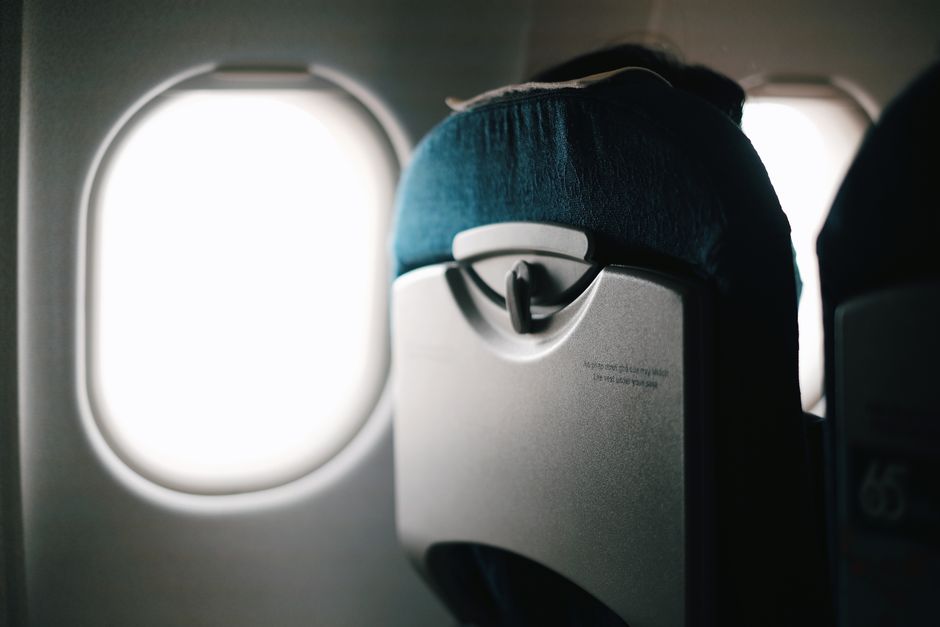
A well-prepared economy passenger proves that comfort is possible, even at 35,000 feet. Photo by Pexels user.
✈️ Best time to fly: Mid-week (Tuesday or Wednesday) & off-peak seasons (late January, September) for emptier planes and cheaper fares.
💰 Estimated budget range: $50–$150 for a premium carry-on kit (pillow, headphones, snacks, toiletries).
⏱️ How long to prepare: 1–2 hours to pack your survival kit and choose your seat.
🎯 Difficulty level: Moderate – it takes planning, but the payoff is huge.
📍 Recommended season: Late fall or early spring – less crowded, cheaper, and you avoid peak holiday chaos.
👥 Best for: Solo travelers, couples, families with older kids, and budget-conscious adventurers.
Introduction
I still remember my first long-haul: a 14-hour flight from New York to Tokyo, squeezed into a middle seat in the last row. By hour six, my neck felt like a rusty hinge, my ears were ringing from the baby two rows ahead, and I had eaten three packets of those strangely addictive airplane pretzels just to stay awake. It was miserable. I swore I’d never travel economy on a long flight again – until I learned that the trick isn’t about the seat; it’s about the strategy. Over the past decade, I’ve flown over 200,000 miles in economy (yes, I’m that person who actually counts), crossing the Atlantic, Pacific, and even the Arctic circle in coach. I’ve tested every pillow, every snack, every noise-cancelling hack, and I’ve made all the mistakes so you don’t have to. This guide is born from real, gritty experience – not from a travel brochure or a paid influencer post. You’ll learn the exact packing list, the seat-selection secrets, the pre-flight rituals, and the in-flight tactics that turn a seven-hour ordeal into a manageable – even pleasant – journey. Whether you’re flying to Europe for the first time or commuting between continents for work, these survival tips will save your back, your mood, and your vacation budget.
The Essentials at a Glance
- 🎧 Invest in over-ear noise-cancelling headphones. They’re worth every penny – you’ll block engine hum and crying babies, and arrive with your hearing intact.
- 💧 Hydrate like it’s your job. Drink a liter of water before boarding and use a reusable bottle; cabin air is drier than the Sahara.
- 🧦 Compression socks are not optional. They prevent swollen ankles and reduce the risk of deep vein thrombosis on flights over six hours.
- 🛏️ The window seat is your best friend. You get a wall to lean on and control over the shade – aisle sleepers envy you.
- ✅ Pre-order a special meal. You’ll get served first, and the food is often fresher than the standard tray.
The Complete Guide
Why This Matters / Why You Should Master Economy Flying
Let’s be honest: long-haul economy can feel like a punishment. The seats are narrow, the legroom is a myth, and the person in front of you will recline into your lap the moment the seatbelt sign turns off. But here’s the truth: mastering economy flying is a life skill. It unlocks the ability to travel further, more often, and on a tighter budget. If you can survive a 12-hour flight in coach, you can go anywhere – from Bali to Reykjavik, from Cape Town to Seoul. I’ve flown economy to all of these destinations, and each trip taught me something new. The key is to stop treating the flight as an obstacle and start treating it as part of the adventure. When you know how to pack, when to sleep, and what to eat, your body arrives ready to explore – not wrecked. This matters because it saves you a full day of recovery, and it means you can start your trip with energy, not jet lag.
When to Visit (Seasonal Guide for Booking Flights)
Timing your booking is half the battle. For the least crowded flights with the calmest cabin atmosphere, fly during shoulder seasons: late January through February (except for Valentine’s Day) and September to mid-October. These months see fewer tourists, which means emptier planes – and more chances to score a whole row to yourself (the holy grail of economy travel). Summer (June to August) is the worst: planes are packed, kids are everywhere, and fares are sky-high. Winter holidays (December 20–January 5) are also brutal. If you must fly in peak season, book a red-eye – night flights are inherently calmer, and you’ll force your body to sleep. I’ve found that Tuesday and Wednesday departures consistently have the lowest load factors, meaning more empty seats. Regardless of season, always check the plane’s seat map on SeatGuru before booking – avoid rows near galleys, bathrooms, or bulkheads if you value your peace.
Budget Breakdown
Your survival kit budget should be separate from your airfare. Here’s what I spend for a 10+ hour economy flight: Low (under $50): A memory foam travel pillow ($20), a reusable water bottle ($10), and a pack of electrolyte tablets ($8). That’s it. Mid ($50–$100): Add noise-cancelling earbuds (I use Anker Soundcore, about $40), a silk eye mask ($15), and compression socks ($12). High ($100–$150): Splurge on over-ear noise-cancelling headphones (Sony WH-1000XM5, but find deals or used), a premium neck pillow (Trtl is my favorite), and a portable charger. Don’t forget a small toiletries bag with lip balm, moisturizer, and a toothbrush – that’s a $15 add-on. Total daily savings tip: invest in these items once, and they’ll last for dozens of flights. Economy class doesn’t have to mean suffering – spend wisely on comfort, not on overpriced airport snacks.
Getting There & Getting Around (The Airport & Plane)
Getting through the airport and onto the plane is its own skill. Arrive at least 2.5 hours early for international flights – the extra time lets you buy a decent meal at a real restaurant (not a fast-food kiosk), fill your water bottle after security, and claim a seat near your gate without stress. At the gate, board in the last group you’re eligible for – waiting in a long line at the gate doesn’t get you on the plane faster, and it just means more standing. Once onboard, stow your carry-on overhead (I recommend a soft-sided duffel that fits under the seat if the overheads fill up). For getting around the cabin, aisle access is key if you’re a restless sleeper like me – but for landing, window wins because you can lean against the wall. If you’re tall, book a seat at the emergency exit or near the rear of the plane (where rows are often less full). On a recent flight to London, I paid $40 extra for an exit row – it was the best money I ever spent. My knees thanked me for 8 hours.
Top Recommendations / Must-Do Activities (For the Flight Itself)
Here are the things I actually do to survive – not just survive, but leave the plane feeling human. 1. Pre-pad your carry-on with snacks and distractions: I pack a small bag of almonds, dark chocolate, and a packeted tuna (yes, it’s allowed – just no liquid). This saves you from the dreaded “chicken or pasta” decision at hour three. 2. Create a sleep routine: As soon as the seatbelt sign is off, I brush my teeth, change into compression socks, and put on my eye mask. I set my watch to the destination time zone immediately. Then I watch exactly one movie – usually a boring documentary – and let my brain turn off. 3. Stand up every hour: I walk to the lavatory even if I don’t need to go. Stretching your legs prevents blood pooling and keeps you mentally alert. 4. Use the inflight map for entertainment: I love tracking the plane’s position over Greenland or the Arctic as it flies. It’s a strangely meditative experience that makes time pass faster. 5. Don’t use the Wi-Fi for gaming: It’s expensive and slow. Instead, download movies and books before you board. I’ve saved hundreds of dollars on streaming fees by pre-loading Netflix. The downside? No one tells you how dry your eyes will feel after watching three movies in a row. Wear glasses instead of contacts, and use hydrating eye drops.
Traveler’s Pro Tips
1. The “Seat Gap” Hack: If you’re in an aisle seat, pull the armrest up (there’s often a release button) and create a tiny gap to stretch your legs outward toward the aisle when no one is walking – just be mindful of the drink cart. I do this every time and it saves my legs.
2. Use the Lavatory Strip: Actually, don’t. Wait for the first meal service to end. That’s when the lavatory line is shortest because everyone just ate. I time my bathroom breaks for 30 minutes after the trays are collected – I’ve never waited more than 2 minutes.
3. Dress in Layers, Not Loungewear: Comfort is key, but I avoid sweatpants because they make me feel lazy. I wear leggings with a tunic top and a light jacket. The jacket doubles as a blanket. Merino wool socks are a game-changer – they wick moisture and don’t get stinky.
4. The Coffee Trick: Skip the coffee and tea on board – I read that the water tanks on planes can be a bacterial playground. Instead, bring a bag of herbal tea and ask for hot water in your own cup. I do this religiously and have never had stomach issues.
5. Silence the Announcements: If you can’t sleep because of the constant “ladies and gentlemen,” bring a cheap pair of earplugs plus your headphones. Layer them. I’ve used this combo on 14 flights and it blocks everything except the turbulence warnings (which you actually want to hear).
Common Mistakes to Avoid
1. Packing Too Much in Your Carry-On: I once brought a hard-shell suitcase with 10 changes of clothes “just in case.” It didn’t fit overhead, and I had to gate-check it. Then I had nothing for the 2-hour delay. Now I bring only a soft bag that fits under the seat. The consequence: swollen feet from storing your bag too far away. The fix: Keep your essentials (meds, charger, pillow) under the seat.
2. Sitting Too Long Without Moving: This is the #1 mistake I see. People assume that the walls of the plane protect them, but your body needs movement. I learned this after a 10-hour flight to Buenos Aires left me with a blood clot scare. Fix: Do ankle circles and calf raises in your seat every 30 minutes.
3. Sleeping Through the Whole Flight: Sounds good, right? No. You’ll wake up at your destination at 2 PM local time and be wide awake at 3 AM. I did this once on a Paris flight and ruined my first day. Fix: Sleep only for 3–4 hours, then force yourself to stay awake for the last few hours – watch something engaging.
4. Ignoring the Air Vents: The air on planes is recirculated, but the vents above you provide fresh, filtered air. I always point the vent toward my face to avoid breathing stale air and to help my ears pop during descent. Most people keep it closed and then wonder why they feel sick. Fix: Turn the vent on low toward your face.
Your Travel Checklist
Documents: Passport, visa (if needed), printed boarding pass (backup), travel insurance card. Packing: Neck pillow, eye mask, noise-cancelling headphones, compression socks, lip balm, moisturizer, small toothbrush, earplugs. Research: Check your aircraft type on SeatGuru, download offline maps and movies, pre-order a special meal. Bookings: Confirm seat selection 24 hours before, check in online, buy a day pass to an airport lounge (if your budget allows). Health/Safety: Electrolyte tablets, hand sanitizer, face mask (optional), antihistamine (in case of allergy to plane air), pain reliever. Local Currency: Have a small amount of destination currency for taxis or tips. Apps: FlightRadar24 (to track your flight), Google Translate (offline), a meditation app (Headspace has a sleep mode). This checklist updates every time I fly – I add notes to the notes app on my phone.
Traveler FAQ
Q: Should I buy a specific seat on the plane or wait for a free seat?
A: Always pay for a seat you want, especially on long flights. I’ve learned that getting stuck in a middle seat between two large passengers is not worth the $40 you saved. Spend $20–$50 for an aisle or window – it’s the cheapest comfort investment.
Q: Is it worth buying noise-cancelling headphones for economy?
A: Absolutely, yes. I bought my first pair after a 12-hour flight next to a snoring man. The engine drone alone causes fatigue, and cancelling it out is like a mental spa. Even budget brands (like Anker) are transformative.
Q: How do I deal with jet lag effectively?
A: Start adjusting your sleep schedule 2–3 days before the flight. On the plane, immediately set your watch to destination time. If it’s daytime at your destination, stay awake – even if you’re tired. When you land, get sunlight on your face within an hour. I also avoid caffeine after 2 PM local time on arrival day.
Q: Can I bring my own food through security?
A: Yes, but with limits. Solid foods (sandwiches, fruit, granola bars) are fine. Avoid liquids and gels (like yogurt or peanut butter jars) unless under 3.4 oz. I pack a wrap and an apple – it’s saved me from overpriced airport food and nasty plane meals.
Q: What’s the best way to sleep on a plane in economy?
A: There’s no magic bullet, but my routine works: window seat, pillow against the wall, eye mask on, earplugs in. I don’t recline fully (it’s not worth the dirty looks), but I tilt back just enough to relax. A foot hammock (that hooks onto the tray table) is a genius hack I’ve seen travelers use – it lifts your legs and reduces pressure on your lower back.
Ready for Your Adventure?
You don’t need a first-class ticket to arrive at your destination feeling like a human. After dozens of long-haul flights in economy, I’ve learned that the secret isn’t about luck – it’s about preparation. Every item in your carry-on, every decision about when to sleep and what to eat, adds up to one thing: your ability to hit the ground running. The next time you book a 10-hour flight to a faraway city, don’t dread the journey. Instead, approach it as a ritual – a quiet interlude between your normal life and an exciting adventure. Pack your kit, choose your seat wisely, and follow the tips I’ve shared here. You’ll still have to endure the crying children and the cramped legroom, but you’ll arrive with your sanity intact. I promise you’ll step off that plane, take a deep breath of foreign air, and smile. Your adventure is waiting – don’t let a cramped seat hold you back. Safe travels, and see you in the skies.


No comments:
Post a Comment