How to Travel the World as a Cruise Ship Worker: Your Salary-Funded Adventure Awaits
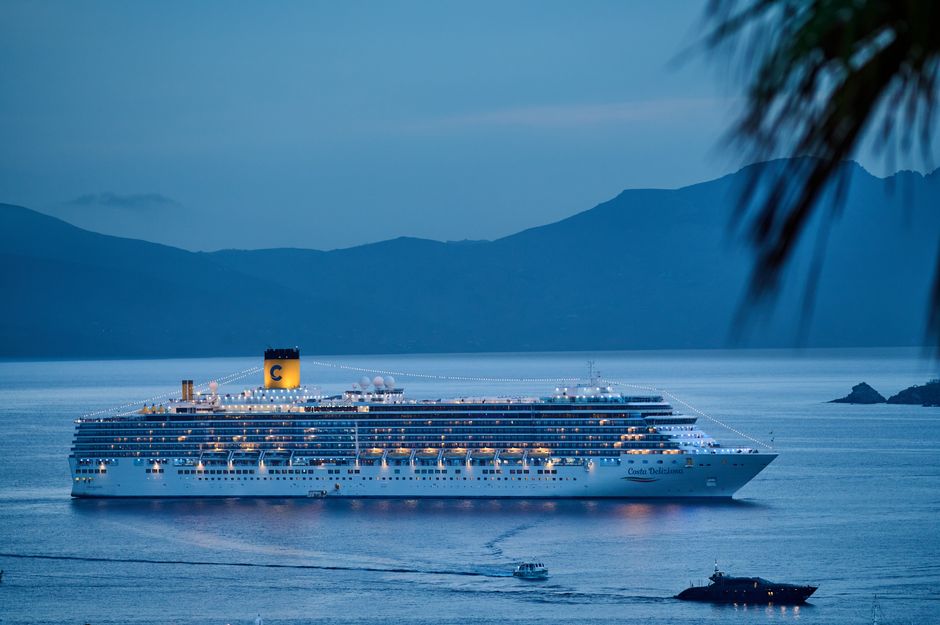
Sunset over a Caribbean port — just another Thursday for a cruise ship crew member.
✈️ Best time to visit: Year-round (you follow the ship’s itinerary; choose a ship deployed to regions you want to see)
💰 Estimated budget range: $0–$500/month out-of-pocket (most living costs covered; budget is for ports, souvenirs, Wi-Fi)
⏱️ How long to spend there: 6–9 months per contract (then re-sign or move on)
🎯 Difficulty level: Hard (mentally demanding; long hours; limited personal space)
📍 Recommended season: Mediterranean summer (May–Oct) or Caribbean winter (Dec–Mar)
👥 Best for: Solo travelers aged 21–45 who crave adventure, love routine, and have thick skin
Introduction
I still remember the first time I leaned over the rail of a 1,000-foot cruise ship and watched Copenhagen’s colorful Nyhavn district shrink into a postcard-sized memory. I was three weeks into my first contract as a youth staff coordinator, and my bank account was still bulging from the advance I’d received before boarding. I had paid exactly zero dollars for the flight from Miami to Denmark. My cabin—though smaller than most walk-in closets—was clean, climate-controlled, and came with a bed that I used exactly six hours per night. That day, as we sailed past the Swedish coast toward the Baltic Sea, I realized I had cracked the code for traveling the world on someone else’s dime: I was working for a cruise line.
Working on a cruise ship isn’t a vacation. It’s a job—often a difficult, exhausting, claustrophobia-inducing job. But it is also the single most efficient way I know to see dozens of countries, build an international network of friends, and save money while doing it. In this guide, I’ll share the hard-earned truths about life as a cruise ship worker, covering everything from the application process and the interviews to the moments when you want to quit (and why you shouldn’t). I’ll give you specific numbers, real port experiences, and the mistakes I made so you don’t have to repeat them. By the end, you’ll know exactly how to trade your desk job for a sea-going career that pays you to wake up in a new port every morning.
The Essentials at a Glance
- 🛳️ Zero living costs: Your cabin, meals, laundry, and medical care are covered by the company. Your salary is pure savings (or port spending).
- 🌍 50+ ports per contract: With a 6–9 month contract, you’ll visit 15–30 different countries depending on the itinerary. I hit 22 countries in my first contract.
- 💸 $1,500–$4,000/month take-home: Entry-level positions pay around $1,200–$2,000 base plus tips (service roles). Supervisory roles earn $2,500–$4,000+. No taxes on board (for non-U.S.-flagged ships).
- 🧳 Life is Spartan: You pack one suitcase. No car. No apartment. No grocery runs. Minimalism isn’t a choice—it’s a survival skill.
The Complete Guide
Why This Matters / Why You Should Go
Why not just save up a bunch of money and take a round-the-world trip? Because long-term travel on your own dime is expensive—$50,000–$100,000 for a full year of decent travel. Most people can’t swing that. Cruise ship work flips the equation: you get paid to move. You don’t have to worry about accommodation, food costs, or transportation between cities. Every morning you look out your porthole and see a new skyline. I’ve had coffee in Santorini before my shift started, hiked the Great Wall of China on a port day, and sat in a tiny bar in Reykjavik listening to an Icelandic folk band—all before my contract ended.
This path is for people who are resilient, adaptable, and okay with solitude. You will not have much privacy. You will work seven days a week for months at a stretch (with maybe one or two half-day breaks in port). But if you can handle the grind, the pay-off is extraordinary: a global perspective, a resume that stands out, and friendships from six continents. (Yes, even Antarctica—I met someone who had been there on a research ship contract.)
Cruise ship work also removes the loneliness of solo travel. You are part of a floating community of 800–1,500 crew members from 40+ nationalities. You eat together, party together, cry together when the internet cuts out for two weeks, and celebrate birthdays with makeshift cakes in the crew mess. It’s like being on a multicultural, slightly dysfunctional family reunion on the high seas.
When to Visit (Seasonal Guide)
Peak Season (Summer in Europe or Winter in the Caribbean): If you want warm-weather ports and high tips, aim for a contract starting in May (Europe) or November (Caribbean). Crowds in port are heavy—you’ll wait in line with 4,000 other passengers to see the Colosseum—but the energy is high. I worked a Caribbean winter contract from November to March, and every port was a slice of paradise: white sand, turquoise water, and $4 margaritas on the beach.
Shoulder Season (Spring/Fall): This is the sweet spot. Weather is still pleasant, ports are less insane, and the crew is less stressed because passenger counts are lower. I did a Mediterranean spring contract (April–June) and hit Barcelona, Rome, and Dubrovnik with half the usual tourists. Tip income dips slightly, but your quality of life improves drastically.
Off-Season (Winter in Alaska or Baltic): These itineraries can be brutal—cold, rainy, sometimes flat-out ugly. I did a two-week repositioning cruise from Vancouver to Los Angeles in December that was nothing but gray skies and rough seas. But the crew is tighter, and you can actually enjoy the ship without the mobs. If you are a morning person who wants to run laps on deck without dodging sunbathers, this is your contract.
Budget Breakdown
Accommodation: $0. Your cabin is free. You’ll likely share a tiny room with a roommate (even managers often share). Private cabins exist for senior staff only. Expect a twin bed, a desk, a small closet, and a bathroom smaller than an airplane lavatory. I shared a cabin with a guy from Indonesia; we became close friends because there was literally nowhere to hide.
Food: $0. Crew mess serves three meals daily plus a late-night snack. It’s not gourmet, but it’s edible and unlimited. You’ll get sick of the rice-and-bean rotation eventually, but you can also sneak into the passenger buffet if you’re in uniform (don’t get caught).
Port Spending: $5–$50 per port day. You don’t have to spend anything—you can go for a walk or just sit on the dock. But most people will want to grab a local meal ($10–$20), a souvenir ($5–$30), or an excursion not offered by the ship ($20–$50). I spent an average of $20 per port day on food and small trinkets.
Alcohol & Wi-Fi: Crew bars have cheap drinks ($2–$4 a beer). Wi-Fi is expensive and slow—I paid $100 for a 1GB package that lasted two weeks. Most crew bought a local SIM card in the first major port for data (e.g., a 30-day Vodafone plan in Spain for €30).
Total Monthly Out-of-Pocket: $100–$300, mostly on ports, internet, and the occasional crew party. I saved 85% of my income during my six-month contract—about $10,000 in the bank by the end.
Money-Saving Tip: Bring a reusable water bottle—your cabin has a sink, and tap water on the ship is desalinated and safe. Buy duty-free alcohol in the first port for your cabin stash. Skip the crew laundry service (it costs) and hand-wash your clothes in the bathroom sink.
Getting There & Getting Around
Getting There: You don’t book flights—the company pays for them from your home city to the ship’s embarkation port. You’ll get a ticket to join the ship in Miami, Barcelona, Singapore, or wherever. You may have to pay for a visa if your home country requires one for the country where you board. I flew from Chicago to Copenhagen on the company’s dime, visa-free for U.S. citizens, and was met at the airport by a crew coordinator holding a sign with my name.
Getting Around in Port: You are responsible for your own transport between the ship and the port city. Many cruise ports are industrial zones far from the city center—expect to pay $10–$30 for a taxi or shuttle to town. In European ports, public buses often run near the dock; I used Google Maps offline to navigate. Pro tip: Walk with at least two other crew members, especially at night, because you look like an easy target for thieves in your uniform.
Navigation Tips: Download offline maps before you dock. Check the “all aboard” time (usually 30 minutes before passengers must return). I once almost missed the ship in Mykonos because I underestimated the distance from the old town to the dock. The last shuttle bus had already left; I ran 1.5 miles in dress shoes and made it three minutes before the gangway came up.
Top Recommendations / Must-Do Activities
1. Do a crew excursion swap. Onboard, the excursion staff sometimes let crew join passenger tours at half price if space is available. I did a catamaran snorkel trip in St. Thomas for $35 (list price $89). It was the best afternoon of my contract: rum punch, sea turtles, and a tan line I wore like a badge of honor.
2. Eat alone in port. This sounds lonely, but it’s the best way to connect with locals. In Istanbul, I ducked into a tiny kebab shop where the owner spoke no English. He brought me çay (tea), showed me photos of his kids, and gave me a free baklava. He was the highlight of my day—not the Hagia Sophia (which was also incredible).
3. Visit the engine room (if they let you). The engineering department is a different world. On a slow day, I asked a friend in the engine crew if I could see the main turbines. Standing next to pistons the size of cars, feeling the ship rumble, I realized how much unseen work keeps a floating city alive. It gave me a profound respect for the crew.
4. Skip the souvenir shops; go to the local market. Every port has a tourist market selling the same “I ❤️ [City]” T-shirts and plastic shot glasses. Instead, go to the working-class mercado (e.g., La Boqueria in Barcelona or Grand Bazaar in Istanbul). Buy a kilo of fresh fruit, a bag of local spices, and a handmade scarf. Those items will remind you of the place far more than a mass-produced keychain.
5. Take a sunrise hike in Santorini. If your ship docks early (we arrived at 6 AM), climb to the castle in Oia before the crowds. The light is perfect, the air is cool, and you will have the entire iconic view to yourself for about 20 minutes. It was one of the most peaceful moments of my entire life. Downside: the climb is steep (600 steps) and you’ll be sore for your shift that afternoon.
Traveler’s Pro Tips
Pack light, but pack smart: Your luggage limit is usually one suitcase (50 lbs) and one carry-on. Bring a small portable fan—your cabin’s AC may not work well, especially in the Caribbean or Persian Gulf. Also bring an extension cord with USB ports; outlets are scarce in shared cabins.
Make friends with the hotel department: The hotel manager controls cabin assignments. If you’re polite and don’t complain about trivial things, they may put you in a slightly better cabin (or with a roommate who works a different shift so you both get privacy). I traded a box of chocolate from Brussels for a cabin upgrade that gave me a window—worth every euro.
Bring a VPN subscription: Onboard Wi-Fi blocks streaming, social media, and often WhatsApp calls. A VPN (I used ExpressVPN) lets you bypass these blocks and even access Netflix. It’s the single best investment for your mental health at sea.
Assigned “crew days off” don’t exist: You work every day for 6–9 months. To get time off, you need to negotiate a swap with a willing coworker. Start building goodwill early—cover someone’s shift when they’re sick, and they’ll return the favor when you need to see a sunset on a Greek island.
Learn to love the crew bar: It’s small, smoky, and plays the same 2007 hits on repeat (Lady Gaga’s “Poker Face” still triggers a Pavlovian response in me). But it’s where you’ll debrief, cry, laugh, and form bonds that survive multiple contracts. Go at least once a week.
Common Mistakes to Avoid
Mistake 1: Overestimating how much free time you’ll have. Many new crew think they’ll explore every port extensively. Reality: you work 10–12 hours a day, 7 days a week. On port days, you might get 3–4 hours off, but you’re exhausted. I planned to hike a mountain in every country; I ended up napping on most beach days. Solution: prioritize quality over quantity. Pick one or two meaningful activities per week and rest on the others.
Mistake 2: Not budgeting for communication. Wi-Fi is criminally expensive and slow. Some crew buy a portable Wi-Fi hotspot (like Skyroam) or a local SIM card in the first port. I watched a colleague spend $500 on ship Wi-Fi over three months just to call his girlfriend. Buy a local SIM in Lisbon, Madrid, or Nassau for $20–$40—you’ll have 10GB of 4G data that works in most ports across that region.
Mistake 3: Ignoring seasickness. “I never get seasick,” they say—and then they do. The side-to-side motion in rough seas (especially in the Drake Passage or the Bay of Biscay) will hit you. Bring Dramamine, ginger chews, or acupressure bands. I ended up with a prescription for scopolamine patches from the ship’s doctor; they worked wonders. Don’t tough it out—you’ll just suffer and miss work, which gets you fired.
Mistake 4: Letting the job consume your identity. It’s easy to become a ship person—only talking about passengers, gossip, and crew drama. But that will burn you out fast. I forced myself to read one book per week (yes, on my phone—no room for physical books) and write in a travel journal. Those small anchors to my pre-ship life kept me grounded.
Your Travel Checklist
- Documents: Passport (valid at least 6 months beyond contract end), C1/D visa for U.S. ports (if required), medical certificate signed by a doctor (company provides form), and copies of all documents stored digitally.
- Packing: One 50-lb suitcase (uniforms provided, but bring comfortable shoes, a light jacket, swimsuit, reusable water bottle, small fan, 3-month supply of any prescription meds, and earplugs for cabin noise).
- Research: Learn the basic itinerary before you sign. Research the ports you’ll hit most often—know where the grocery stores, laundromats, and cheap SIM card shops are.
- Bookings: Nothing to book for the job (company handles flights), but book a local SIM ahead of time if you know your first port (e.g., Orange Holiday Europe SIM for €40).
- Health/Safety: Pack a small first-aid kit (bandages, antiseptic, ibuprofen, anti-diarrheal). The ship’s medical center is free, but only open 8–12 hours a day. Get travel insurance that covers you for any days you’re off the ship (World Nomads works well).
- Local Currency: Bring $200–$500 in cash in your first port’s currency (e.g., euros if joining in Europe). ATMs are unreliable in some ports.
- Apps to Download: WhatsApp (mandatory—everyone uses it), Google Maps offline, XE Currency converter, and a VPN app (ExpressVPN or NordVPN).
Traveler FAQ
Q: How do I get a job on a cruise ship without experience?A: Start with entry-level roles like steward, laundry attendant, or bar server. Companies like Carnival, Royal Caribbean, and Norwegian hire thousands of inexperienced workers each year. Apply through the company’s careers page or recruitment agencies in India, the Philippines, or Indonesia. If you speak English fluently and have a valid passport, you’re already ahead of many applicants.
Q: Can I choose which ship or itinerary I work on?A: Not directly. You list preferences during the interview, but the company assigns you based on operational need. If you really want Europe, aim for the Mediterranean season (March–October) and express interest; many recruiters will try to oblige because they want happy crew. I got lucky—I said “anywhere but the Bahamas” and was sent to the Mediterranean.
Q: Is it safe to work on a cruise ship? What about COVID-19?A: Cruise ships are generally safe, with strict security (ID checks, bag scans, no unauthorized visitors). COVID-19 protocols have relaxed but many ships still test crew weekly and require vaccination. You’ll have a crew doctor onboard who handles routine illnesses. For serious emergencies, you’re medevacked to the nearest hospital. I felt safer than in some cities on land.
Q: What happens if I want to quit mid-contract?A: You can quit at any port, but you’ll pay for your own flight home and lose any future travel benefits. I saw two people quit in Mykonos—they were burned out after two months. I suggest trying to power through the first two months; the slump is temporary. If you’re truly miserable, leave, but have a plan (savings, a ticket home, and a backup job).
Q: Do I need a second language to work on a cruise ship?A: No, but it helps tremendously—especially Spanish for Caribbean and Mexican itineraries, or Mandarin for ships deployed to Asia. I learned basic Spanish (enough to say “dos cervezas, por favor”) and it made port days in Cabo and Cozumel much richer. If you’re multilingual, you can demand a higher salary in customer-facing roles.
Ready for Your Adventure?
A few years ago, I was a corporate accountant sitting in a cubicle, dreaming of faraway places. Today, I’ve seen the Northern Lights from a cruise ship deck in Norway, eaten street tacos in Cozumel at 2 PM on a Tuesday, and shared a beer with a Ukrainian engineer who taught me how to say “good morning” in six languages. None of this required a trust fund—just a willingness to work hard, live small, and embrace uncertainty. Cruise ship life is not glamorous. You will be tired. You will miss birthdays and weddings. You will sometimes wonder if the paycheck is worth the isolation.
But then you’ll step off the gangway in Dubrovnik or Kotor or Auckland, and the weight of the job will slide off your shoulders. You’ll smell the salt air, hear the unfamiliar language, and feel the thrill of being exactly where you want to be—somewhere new, alive, and paid for by the job you do every day. If you have the stamina and the curiosity, this is the best way I know to see the world. So start applying. Pack light. And prepare to be amazed by what you can do when you trade a desk for a deck.
— The world is waiting, and your cabin is ready.


No comments:
Post a Comment