Slow Travel Tuscany: Why an Agriturismo is the Only Way to Truly Experience Italy
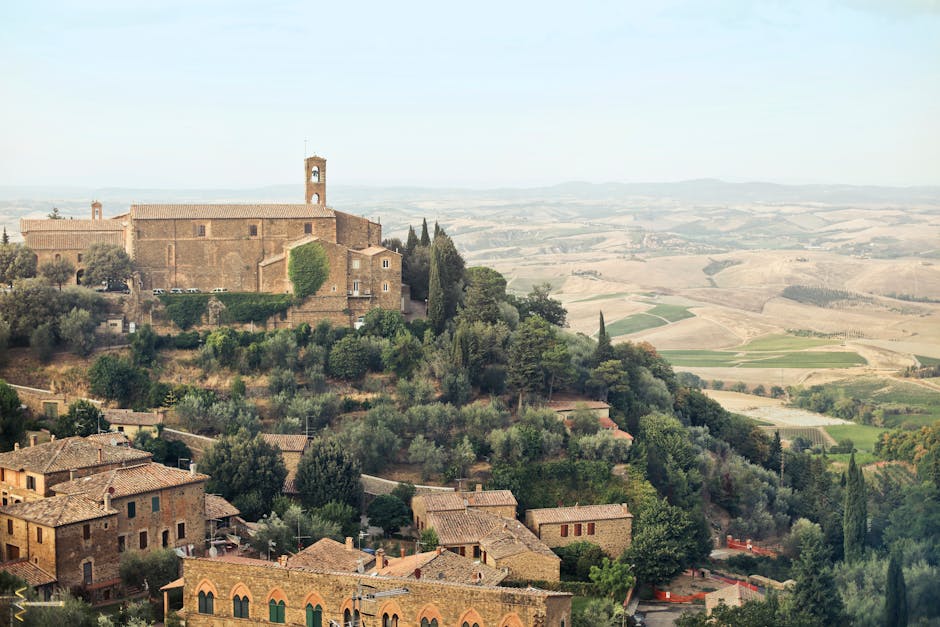
The view from my agriturismo window—a daily reminder that the best journeys have no itinerary.
✈️ Best Time: Late April–June (spring) or Sept–Oct (harvest)
💰 Budget (Daily): €90–€250 per person (mid-range); €50–€70 budget
⏱️ How Long: Minimum 5 days; ideal 7–10 to truly unwind
🎯 Difficulty: Easy (if you surrender to the pace)
📍 Recommended Season: Shoulder seasons for mild weather & fewer crowds
👥 Best for: Couples, solo travelers seeking peace, families who value experience over itinerary
Introduction
The first time I saw the Tuscan sun rise from my agriturismo in Italy, I was not rushing. I was sitting on a worn wooden bench with a cappuccino in hand, watching the fog unravel over the Val d’Orcia. A rooster crowed somewhere behind the olive grove. There was no museum timetable to keep, no train to catch. I had spent the previous decade ticking off capitals and cathedrals, but here, in this quiet farmhouse, I discovered that the most profound travel is not about moving—it is about staying still.
I’ve lived and traveled across Italy for years, working as a guidebook researcher and itinerary designer. I’ve raced through Florence in 36 hours and tried to “do” Siena in an afternoon. I’ve learned the hard way that Tuscany resists fast consumption. This article is not a list of must-sees. It is an invitation to slow travel—to book an agriturismo, to linger over a meal made with vegetables picked that morning, to let the landscape reshape your sense of time. You will learn how to do it well, what it costs, and why it matters.
The Essentials at a Glance
- 🍷 Live like a local farmer: Stay on a working farm where dinner ingredients come from the garden, not a supermarket.
- 🚐 Rent a car, but drive slowly: Trains can’t reach most agriturismi; a small car lets you stop for roadside olive oil stands.
- 🌻 Embrace the “do nothing” day: The culture of dolce far niente (sweet doing nothing) is not laziness—it’s the point.
- 🗓️ Book dinner ahead: Many agriturismi serve only one seating; missing it means driving 30 minutes to the nearest trattoria.
- 📵 Pack a book, not a plan: Cell reception can be spotty in rural hills; bring a paperback and a sense of surrender.
The Complete Guide
Why This Matters / Why You Should Go
Let’s be honest: Tuscany is crowded. Florence in July is a human river. The hill towns of San Gimignano and Pienza can feel like theme parks. If you come expecting solitude on the main squares, you will be disappointed. That is precisely why slow travel via agriturismo matters. It allows you to bypass the curated version of Tuscany and live inside the real one.
An agriturismo is not just a farm stay; it is a legally regulated category in Italy where farms must produce at least 50% of their income from agriculture to offer lodging. This means your hosts are genuinely farmers. I stayed at Fattoria di Petroio in the Chianti hills, where the owner, Matteo, showed me his olive press and explained why the 2022 harvest failed due to drought. That conversation taught me more about Italy than any museum placard.
This kind of travel is for anyone tired of transactional tourism. It is for couples who want to rediscover each other without distractions, for solo travelers seeking grounding, for families where children can run free through vineyards. It is not for people who need nightlife or Michelin-starred precision every night. It is for those ready to relearn that travel is about connection, not collection.
When to Visit (Seasonal Guide)
Spring (April–June): My absolute favorite. Wild poppies bloom in the fields, temperatures hover around 20–25°C, and the crowds have not yet arrived. You’ll see baby lambs in the pastures and sample the year’s first olive oil. Downside: occasional rain showers, which actually make the green hills more vibrant.
Summer (July–August): The landscape turns golden, but the heat can be intense (35°C+ inland). Aggressively crowded in tourist hubs. However, agriturismi with pools are heavenly. Insider tip: Book a farm with a pool and do your sightseeing in the early morning or late afternoon.
Fall (September–October): Harvest season. Truffle fairs, grape stomping, and the smell of fermenting wine in the air. The light is soft and painterly. Watch out: Many agriturismi close by late October, and evenings get chilly.
Winter (November–March): The quietest season. Low prices, but many farms are closed. Those that stay open offer wood-fired stoves, hearty winter stews, and a profound stillness. I spent a December week near Montepulciano and had the town square almost to myself. Be warned: heating is expensive in old stone houses, so check that rooms are well-insulated.
Budget Breakdown
I based these figures on my own stays across five agriturismi in Tuscany in 2023–2024. Prices vary by season and location.
- Accommodation (per night, double occupancy): Low (€70–€100) – basic room in a working farm, shared bathroom possible. Mid (€120–€200) – private en-suite room with breakfast, Italy-style. High (€200–€350) – self-contained apartment with kitchen, private terrace, pool access. I paid €150/night at Agriturismo Bacchereto near Carmignano, and it was worth every euro for the homemade jam at breakfast.
- Food: Agriturismo dinners are typically €25–€40 per person for a multi-course meal with house wine. Cooking your own using farm produce cuts costs to under €10/day. Lunch out at a village trattoria: €15–€20.
- Activities: Wine tastings (€10–€30), cooking classes (€60–€100), museum entry (€10–€20). Most days, I spent zero on “activities”—I just hiked the trails behind the farm.
- Transport: Car rental: €40–€65/day including insurance. Fuel: about €1.80/liter. Avoid renting in Florence airport—pick up at a smaller station like Chiusi or Siena to save fees.
- Weekly total (mid-range, per couple): Approximately €1,800–€2,200, including car, accommodation, half-board meals, and a few splurges. Money-saving tip: Choose an agriturismo that includes breakfast and offers dinner packages. Also, buy wine directly from the farm—it’s often cheaper and infinitely better than what you’ll find in shops.
Getting There & Getting Around
From major hubs: Florence Airport (FLR) is the logical entry, but I prefer flying into Pisa (PSA) or Bologna (BLQ). From there, rent a car. Do not rely on public transport. I made this mistake on my first trip—the bus from Montepulciano to my agriturismo took two hours and dropped me on a highway shoulder. A car gives you freedom.
Driving: The roads are narrow, winding, and sometimes unpaved the last kilometer. I vividly remember navigating a one-lane road flanked by stone walls near Cortona. Go slow, use the horn on blind curves, and learn to park with precision. GPS apps like Google Maps work, but I found Waze better at handling rural shortcuts. Download offline maps before you go.
Local transport: Once parked at your agriturismo, consider using local bus services to reach larger towns for a few hours, though schedules are sparse (often one bus every two hours). Taxis are expensive and hard to hail. Consider that the base of your trip is the farm—getting around means driving, so factor that into your daily rhythm.
Top Recommendations / Must-Do Activities
1. Stay at Agriturismo Fattoria di Grignano (Val d’Orcia): I spent three nights here in September. The room overlooked a wheat field that turned gold at sunset. The owner, Signora Elena, let me help press olives. Insider tip: Book the “cooking with the farmer” experience (€80). We made pici pasta from scratch. Downside: The pool is small, but you’re there for the fields.
2. Visit Pienza at 6:00 AM: Everyone visits Pienza at 10 AM. I arrived at dawn, had a cornetto at the only open bar, and walked the city walls alone. The light hitting the Val d’Orcia was holy. Insider tip: Buy pecorino cheese from Caseificio Cugusi before 9 AM—they sell out by noon.
3. Hike the Via degli Dei (trailhead near Florence): This is not strictly Tuscany, but the first 20 km of this ancient Roman road passes through the Florentine hills near agriturismi. I walked from my farm in Impruneta to the sanctuary of Monte Senario. Insider tip: Download the “Sentieri di Toscana” app for trail maps. No crowds, just forest and silence.
4. Do nothing at the farm pool: My most memorable afternoon was not in a museum. I lay by the lap pool at Agriturismo La Casa in Collina, listening to cicadas, reading a novel, and occasionally dipping in the water. It sounds boring. It was transcendent. Downside: Some travelers feel guilt about “wasting” time. Unlearn that.
5. Truffle hunting near San Miniato: I joined a local truffle hunter, Marco, and his dog, Luna, for a morning walk. Cost: €50 per person. We found three white truffles. He cooked them into fresh tagliatelle for lunch. Insider tip: Book directly with registered truffle hunters (check the Associazione Nazionale Tartufai website) rather than through tourist agencies to avoid inflated prices.
Traveler’s Pro Tips
Learn basic Italian phrases: Not “dov’è il museo” but “posso avere un bicchiere d’acqua?” (can I have a glass of water?). In rural agriturismi, English is often limited to the owner, and they appreciate the effort. I learned “Il vino è buonissimo” (the wine is very good) and used it constantly.
Pack a universal sink stopper: Old farmhouses sometimes have strange plumbing. I once stayed at a converted barn where the bathroom sink lacked a plug. A €2 rubber stopper from Amazon saved laundry by letting me wash socks and underwear easily.
Bring a headlamp: Rural Tuscany is dark at night—no streetlights. Walking from your room to the parking lot after dinner requires a light. I used a Black Diamond headlamp, which also helped me read maps when my phone battery died.
Negotiate half-board directly: Many agriturismi offer half-board (breakfast + dinner) at check-in. I always email before arriving and ask if they can offer a discount for booking a 3-night half-board package. At Antica Fattoria del Villino near Greve, I saved 15% this way simply by asking.
Ask for the “marcatura” off-menu dish: Many farm owners have a dish that’s not on the tourist menu—like their grandmother’s recipe for tortelli di patate. I learned to ask, “Cosa mi consiglia?” (what do you recommend?), and was rewarded with a plate of fresh truffle pasta that wasn’t listed anywhere.
Common Mistakes to Avoid
Over-planning the itinerary: My first slow travel attempt failed because I had booked a winery tour in Chianti, a cooking class in Florence, and a day trip to Siena—all from a single base. I spent half my time driving. Solution: Choose one region (Chianti, Val d’Orcia, or Crete Senesi) and stay there. Everything else is a bonus.
Not checking agriturismo rules on children: Some farms are strictly adult-only. I booked a gorgeous stone villa near Sinalunga for a family trip, only to discover the owner’s memo: “Children under 12 not accepted.” Lesson: Read the fine print on agriturismo.it or call directly. Always ask about age limits, pool rules, and whether the farm is pet-friendly if you’re traveling with animals.
Assuming all agriturismi are cheap: The word “agriturismo” does not automatically mean budget. Some are restored castles with prices matching luxury hotels. I once booked a place that looked rustic in photos but cost €350/night. Tip: Use filters on booking sites to set a maximum price per night, and read reviews that mention value for money.
Ignoring the “no dinner” policy: I arrived at one farm after a long drive to find the kitchen closed. The owner shrugged and pointed to a village 20 km away. In rural Tuscany, restaurants close early and often shut entirely on Mondays. Avoid: Always confirm dinner availability for every night of your stay. If dinner is not offered, plot out nearby options before you arrive.
Your Travel Checklist
- Documents: Valid passport (no visa needed for most stays under 90 days), driver’s license, and International Driving Permit (required for car rental in Italy—I got mine from AAA for $20).
- Packing: Light, layerable clothing (linen for day, sweater for cool evenings), comfortable walking shoes, a reusable water bottle (tap water is safe in most rural areas), and a small bag for farm-stand produce.
- Research: Read reviews on agriturismo.it and Google Maps, focusing on comments about food quality and hospitality. I also check the farm’s Instagram for real-time photos of the garden and pool.
- Bookings: Reserve agriturismo at least 3 months ahead for peak seasons. Book a car 4–6 weeks in advance for the best rates (I use Discover Cars for price comparison).
- Health & Safety: Pack a basic first aid kit, insect repellent for evening walks, and any personal medications (rural pharmacies can be limited).
- Local Currency: €. Bring some cash (€200–€300) for small purchases. Many farm stands and small trattorias do not accept cards. ATMs are sometimes unreliable in tiny villages.
- Apps to download: Waze (driving), Google Translate with Italian offline pack, Sentieri di Toscana (hiking trails), and Too Good To Go (for cheap surplus food from bakeries in larger towns).
Traveler FAQ
Q: Do I need to speak Italian to stay at an agriturismo?
A: Not at all. Most hosts speak basic to fluent English, especially younger farmers. But knowing a few phrases (please, thank you, where is the bathroom) will open doors. At one farm near San Casciano, the elderly nonna who made breakfast spoke zero English, but she loved that I tried to say “grazie” with a smile.
Q: Is renting a car absolutely necessary?
A: For a true agriturismo experience, yes. Public buses are infrequent and stop far from farm entrances. I once walked 3 km from a bus stop to my agriturismo with a suitcase on gravel. Not fun. Rent a small car like a Fiat Panda, which handles narrow roads.
Q: Can I do a day trip to Florence from an agriturismo?
A: You can, but I advise against it if you are committed to slow travel. Driving from a farm in Chianti to Florence takes 1–1.5 hours each way, plus parking costs (€25–€40 for the day). It ruins the unhurried vibe. Save Florence for a separate trip.
Q: What is included in an agriturismo dinner?
A: Typically, a four-course meal: antipasto (local cured meats and cheese), primo (pasta or soup), secondo (meat or fish with contorno), and dolce (dessert). House wine and water are almost always included. The best part? The vegetables come from the farm’s garden that morning.
Q: Is slow travel only for couples or solo travelers?
A: Not at all. Families with children thrive at agriturismi. Many have playgrounds, farm animals, and safe open spaces. I met a family with two kids aged 5 and 8 at Fattoria di Petroio. The kids spent the afternoon chasing chickens. Just confirm in advance about child-friendly policies and meal options.
Ready for Your Adventure?
Slow travel in Tuscany through an agriturismo is not a vacation in the conventional sense—it is a recalibration. It teaches you that a day spent watching the shadows of clouds move across the vineyards is not a day wasted. It reminds you that the best meal is the one where you know the farmer’s name. If you are hesitating because you worry you will get bored or miss something, I understand. I felt that way. But on the evening of my fourth day, I sat on that same farm bench, glass of Chianti in hand, and realized that I had stopped checking my phone. The sun set. The stars came out. And I had nowhere else to be.
Book that agriturismo. Leave the itinerary loose. Let Tuscany slow you down. You will return home lighter, fuller, and with a deeper understanding of what it means to truly travel in Italy.


No comments:
Post a Comment