Why the Highlands of Sri Lanka Offer the World's Best Tea Plantation Tours (And Why You Must Taste the Difference)
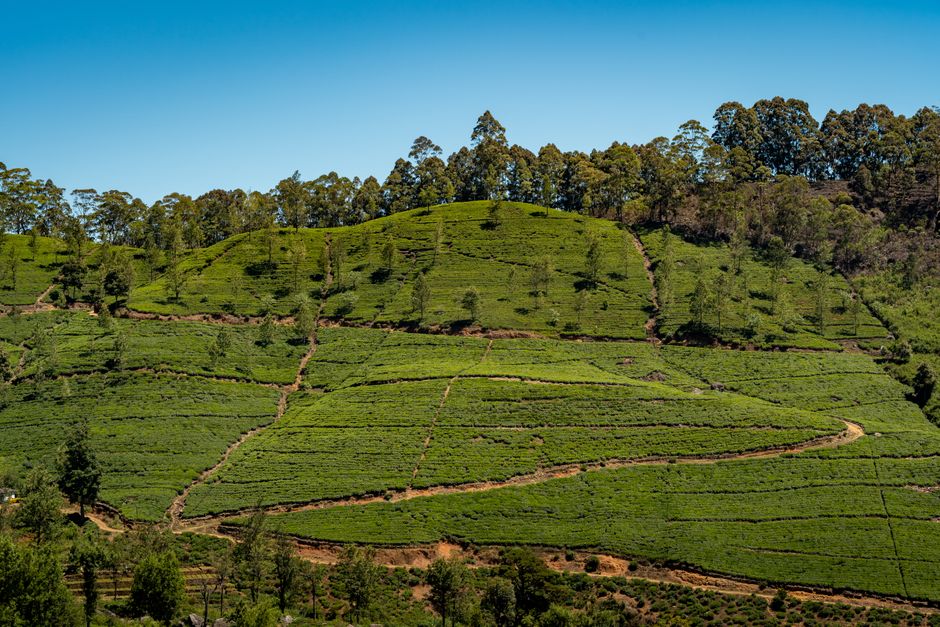
✈️ Best time to visit: January to March (dry, clear views) | 💰 Estimated budget: $50–$100 per day (mid-range) | ⏱️ How long to spend: 3–4 days in the highlands | 🎯 Difficulty level: Easy (walking, no climbing required) | 📍 Recommended season: Dry season (Dec–Mar) | 👥 Best for: Couples, solo travelers, culture & nature lovers, tea enthusiasts
Introduction
I still remember the first time I stepped off the train in Ella. The air was cool and damp, carrying a faint scent of damp earth and something floral—jasmine, maybe, or the tea itself. As I walked toward my guesthouse, a local tea plucker, her fingers stained green from a day's work, smiled and offered me a handful of freshly plucked leaves. "Chew this," she said. I did. The taste was grassy, astringent, and utterly alive. That moment, standing on a hillside carved by generations of tea growers, I understood why Sri Lanka's highlands are the birthplace of some of the world's finest tea.
I've since returned to Sri Lanka four times, spending over a month exploring the central highlands—visiting estates in Nuwara Eliya, Kandy, and Haputale. I've walked factory floors, talked to managers and pluckers, and sipped cups so nuanced they changed how I think about tea. In this article, I'll take you beyond the glossy photos and give you an honest, practical guide to experiencing Sri Lanka's tea country: the best estates, the hidden tearooms, the budget realities, and the mistakes you can avoid. You'll learn not just where to go, but how to taste the difference—and why this trip will linger with you long after the last sip.
The Essentials at a Glance
- 🍃 Don't just tour one estate—compare a large factory (like Glenloch) with a boutique organic operation (like Tea Trails) to see the contrast.
- ☕ Taste the tea fresh at the source—estate-fresh single-origin tea has aromas and flavors no supermarket bag can match.
- 🚂 The train ride from Kandy to Ella is a must, but get a window seat on the left side for the best views of the plantations.
- 💡 Book factory tours in advance, especially during peak season—many estates limit group sizes to preserve the experience.
- 🧳 Pack layers—the highlands can be cool (55–70°F / 13–21°C) even when the coast is blazing hot.
The Complete Guide
Why This Matters / Why You Should Go
Most people think they know tea. They buy bags from the supermarket, pour hot water, and call it done. But stepping into a Sri Lankan tea plantation is like walking into a living library of flavor. This isn't just a scenic landscape—it's a place where centuries of knowledge, soil, and climate come together in a single cup. What makes Sri Lanka's highlands special is the altitude (over 1,200 meters), which slows leaf growth and concentrates flavor compounds. The result is tea with a bright, coppery color and a brisk, floral taste that's unlike the flat, mass-produced stuff.
But it's not just about the drink. It's about the people. I met a plucker named Priya who can harvest 20 kilograms of leaves in a day, earning about $5. She showed me which leaves to pick (the bud and two smallest leaves) and why the morning harvest is best. That human connection—seeing the labor and skill behind every cup—changes how you value tea forever. This trip is for anyone who wants to understand where their food comes from, who loves dramatic mountain scenery, and who isn't afraid to get their hands dirty (literally—you can try plucking). It's also for photographers: the mist rolling over emerald hills at sunrise is a sight you won't forget.
When to Visit (Seasonal Guide)
Best months: January to March. This is the dry season in the highlands. The skies are clear, the views are unobstructed, and you'll be able to walk the estates without mud clinging to your boots. Mornings start crisp and cool, perfect for factory tours, while afternoons warm up enough for outdoor exploration. Crowds are moderate—Ella and Nuwara Eliya are busiest in February, but plantations themselves are rarely packed.
April to June: The inter-monsoonal period brings occasional rain, but the landscape is lush and vibrant. Fewer tourists. I visited in May and had entire estates to myself—but be prepared for sudden downpours.
July to September: The southwest monsoon hits the central hills. Expect heavy rain, especially in the afternoons. Some dirt roads become impassable. Avoid if you're not a fan of wet weather tours.
October to December: Another dry spell (the "second inter-monsoon") but with lower tourist numbers. Good value, but check for landslides in the hill country. I found November tours to be pleasant and uncrowded.
Budget Breakdown
Accommodation (per night): Budget guesthouses in Ella or Nuwara Eliya start at $15–$30 (simple, clean, often with breakfast). Mid-range (my sweet spot) runs $40–$80—places like Hillcrest Tea Bungalow in Nuwara Eliya or 98 Acres Resort in Ella (amazing views, but book 3 months ahead). High-end: $150–$300+, like Ceylon Tea Trails (all-inclusive, superlative service).
Food (per day): Local rice and curry at a guesthouse: $3–$5. Nice restaurant dinner: $8–$15. Street food like roti: $1. Budget about $12–$25 per day for meals.
Activities: Factory tours: $5–$10 per person (most include a tasting). Tea tasting workshops at premium estates: $15–$30. Train ride Kandy to Ella (second class): $6. Total activities per day: $15–$40.
Transport: Private driver from Colombo to Nuwara Eliya: $80–$120 (4 hours). Local bus: $3. Tuk-tuks within towns: $2–$5 per trip. Daily total with moderate activities: around $60–$100 per person.
Money-saving tip: Stay in a town like Haputale instead of Ella—guesthouses are 40% cheaper, and the views are just as stunning. Many offer free tea tastings for guests.
Getting There & Getting Around
From Colombo: The most iconic way is the train from Colombo Fort to Kandy (2.5 hours, $3–$6 for second class), then onward to Ella (7 hours, $6–$10). The train through the tea country is a highlight in itself—book your ticket at least 2 weeks in advance online (railway.gov.lk) for reserved seats. Alternatively, hire a private driver for the full journey ($100–$150), which lets you stop at viewpoints and smaller estates along the way.
Getting around the highlands: Tuk-tuks are everywhere. Negotiate before riding—local trips are $1–$3. For estate hopping, hire a driver for a half-day ($25–$40). I used a driver named Sanjaya (recommended by my guesthouse) who knew the backroads and arranged tastings at small factories not on typical tours. Buses connect major towns (Haputale to Nuwara Eliya, $1, 1 hour), but they're crowded. If you're fit, renting a scooter ($10/day) is a fantastic way to explore—just watch for potholes and sudden fog.
Top Recommendations / Must-Do Activities
1. Glenloch Tea Factory (near Nuwara Eliya): This is the definitive tour. You see the entire process from leaf withering to grading. The manager, Mr. Perera, walked me through the oxidation stages and let me taste raw, unprocessed leaves. The final tasting included four grades: Orange Pekoe, Flowery Pekoe, BOP, and Dust. The difference in aroma was stunning. Insider tip: Go at 8 a.m. when the morning's harvest arrives—the activity is at its peak. Downside: The tour can feel a bit rushed during peak season (Feb–Mar).
2. Handpicked Tea Experience (near Haputale): This is the opposite of the large factory—a small, organic estate run by a family. I spent two hours with the owner, learning how they compost and use natural pest control. We walked the fields, plucked leaves, and then brewed them in a rustic veranda. The tea had a gentle honey sweetness. Why I loved it: It felt personal. Cost: $15, including snacks. How to book: Ask at any guesthouse in Haputale—they'll arrange it.
3. Train ride from Kandy to Ella (specifically the section from Hatton to Ella): The train snakes through endless tea plantations, past waterfalls and through tunnels. I sat on the floor of the open doorway (second class) for two hours, breathing in the cool air. Pro tip: Book a seat in second class (reserved). But when the train slows around the Bluefield Tea Estate, jump off for 15 minutes to take photos—the drivers are used to it. Downside: First class is air-conditioned but has closed windows—you miss the sensory experience.
4. Amba Tea Estate (near Diyatalawa): Less known than others, this estate offers a tasting workshop where you learn to distinguish teas by sight, smell, and taste. I learned that the shape of the leaf after rolling affects how it steeps. Cost: $10. Best for: Developing your palate. Downside: Only open Mon–Fri; limited English among some older staff.
Traveler's Pro Tips
Tip 1: Bring a proper tasting cup. Most estates provide small paper cups that ruin the aroma. I bring a small ceramic teacup in my daypack—it makes the tasting ritual feel intentional, and you actually taste the nuances.
Tip 2: Ask to see the "tea library" at larger estates. Glenloch and others keep samples from different harvest years. I tasted a 2018 Nuwara Eliya vintage that had mellowed into a creamy, almost oaky flavor—completely different from the fresh tea.
Tip 3: Don't skip the morning mist. Wake up early (5:30 a.m.) and walk to the edge of an estate. The light filters through the low cloud, and the tea bushes look silver. For photos, use a polarizing filter to cut the glare of dew.
Tip 4: Learn a few Sinhala words. Pluckers love it when you say "Sthuthi" (thank you) or "Hondai" (good). I made a connection with a family in a small estate near Haputale just by greeting them in Sinhala—they invited me for a cup of tea in their home.
Tip 5: Buy tea directly from the factory, not tourist shops. The same bag of Orange Pekoe that costs $3 in a Colombo supermarket is $1.50 at a factory outlet—and it's fresher. I brought back 3 kg from Glenloch for $18. Just make sure the seal is intact for customs.
Common Mistakes to Avoid
Mistake 1: Booking a tour without checking the harvest schedule. I once visited an estate during a rainy week and saw almost no activity—the pluckers stay home because wet leaves spoil during oxidation. How to avoid: Call the estate the day before to confirm if workers are in the fields. Consequence: You'll see a factory but miss the living story of the tea.
Mistake 2: Only visiting one estate. I met a traveler who spent a whole day at a single large plantation, thinking they'd "seen it all." They never tasted an organic small-batch tea. How to avoid: Plan at least two estate visits—one large commercial, one small organic. The contrast reveals how much terroir affects flavor. Consequence: You leave with a narrow, incomplete understanding.
Mistake 3: Drinking milk in a high-grown tea tasting. I watched someone pour milk into a delicate Orange Pekoe from an estate at 4,000 feet. They couldn't taste anything but the dairy. How to avoid: Taste all single-origin teas black first, then add a splash of water to cool it. Milk overwhelms the subtle notes. Consequence: You miss the entire point of the tasting.
Mistake 4: Rushing the train ride. Many travelers take the train from Colombo to Kandy, but skip the section from Kandy to Nanu Oya (for Nuwara Eliya). How to avoid: Break the journey at Hatton for a night—the area around Dickoya has hidden estates you can walk to. Consequence: You miss the most beautiful stretch of railway in Sri Lanka.
Your Travel Checklist
Documents: Valid passport (with 6 months validity), e-visa (apply online at eta.gov.lk, $35), printed copies of hotel bookings and train reservations.
Packing: Lightweight rain jacket (Gore-Tex preferred), warm fleece or wool sweater (evenings drop to 50°F/10°C), comfortable walking shoes with good grip (moist grass is slippery), a ceramic or glass tasting cup (I use a small Bodum travel mug), reusable water bottle (filtered water available at estates).
Health & Safety: Antiseptic wipes (for tasting cups), motion sickness pills if you're prone (mountain roads are twisty), sunscreen (you're closer to the equator, sun burns fast at altitude), a basic first-aid kit with blister plasters.
Local Currency: Sri Lankan Rupees (LKR). Bring cash from ATMs in Colombo or Kandy—estates and small guesthouses often don't accept cards. I carried about $100 equivalent in LKR for 3 days.
Apps to Download: PickMe (for reliable tuk-tuks), 12Go Asia (for train tickets), Google Maps offline (download highlands area before you go), and a plant identification app (to ID the different tea varieties and wildflowers).
Traveler FAQ
Q: Do I need to book tea plantation tours in advance, or can I just show up?
A: For large estates like Glenloch or the Handpicked Experience, booking 1–2 days ahead is wise during peak season (Jan–Mar). Small estates often welcome walk-ins, but call ahead to confirm English-language guides are available. I learned this the hard way when I showed up at a factory and only the watchman was there.
Q: Is it possible to combine a tea plantation tour with a wildlife safari?
A: Absolutely. Yala National Park is about 5 hours from Nuwara Eliya by car (via transfer). Many travelers do 3 days in the highlands (tea) then 2 days in Yala (leopards, elephants). Just be prepared for the temperature shift—jungle heat after cool hills can be a shock. I'd recommend arranging a private driver for the transfer ($60–$80).
Q: What should I wear for a tea plantation tour?
A: Long pants (to protect from thorny bushes), closed-toe shoes (not sandals—the factory floors can be slippery and have nails), and a hat for sun. Bright colors startle the pluckers and can scare birds, so stick to earth tones. I wear a simple cotton shirt and hiking boots.
Q: Can I buy fresh tea leaves to take home?
A: No—customs in most countries prohibit raw plant material (risk of pests). You can buy processed, packaged tea in sealed bags. I buy BOP (Broken Orange Pekoe) grade because it brews a strong, flavorful cup. Stick to factory-sealed packets for travel.
Q: Is it ethical to visit tea plantations? I worry about exploitative labor.
A: It's a valid concern. Look for estates certified by Rainforest Alliance or Fairtrade. I visited Glenloch, which has worker housing, schools, and free medical care. Ask your tour guide about worker conditions—if they evade answers, choose a different estate. The Tea Trails chain also runs a foundation supporting pluckers' education.
Ready for Your Adventure?
The highlands of Sri Lanka have a way of recalibrating your sense of time. You'll wake to mist, walk through rows of emerald bushes, and sip a cup of tea that tastes like the earth it came from. You might feel a twinge of hesitation—the travel logistics, the budget, the fear of getting it wrong. But I promise you this: standing on a hillside at dawn, holding a cup of estate-fresh tea, you'll know you made the right choice.
My journey from a casual tea drinker to someone who can identify the district of a tea by its aroma started with a single step onto a plantation path. Yours can start today. Book that train ticket. Call that guesthouse. Pack your tasting cup. The highlands are waiting, and the best cup you'll ever drink is still on the bush, ready to be picked, processed, and poured just for you. Don't let another season pass without tasting the difference.
No comments:
Post a Comment