Why Backpacking the Balkans is the Ultimate Adventure You Haven’t Taken Yet
The dramatic meeting of mountains and sea along the Dalmatian coast — just one of the many faces of the Balkans.
✈️ Best time to visit: May–June and September–October for perfect weather and fewer crowds.
💰 Estimated budget: €35–€55 per day (budget), €60–€100/day (mid-range).
⏱️ How long to spend: Minimum 3 weeks to hit Croatia, Bosnia, Montenegro, and Albania.
🎯 Difficulty level: Moderate — public transport is reliable but can be slow; some border crossings require patience.
📍 Recommended season: Late spring or early autumn for hiking and coastal towns.
👥 Best for: Solo travelers, adventurous couples, and small groups who value cultural immersion over luxury.
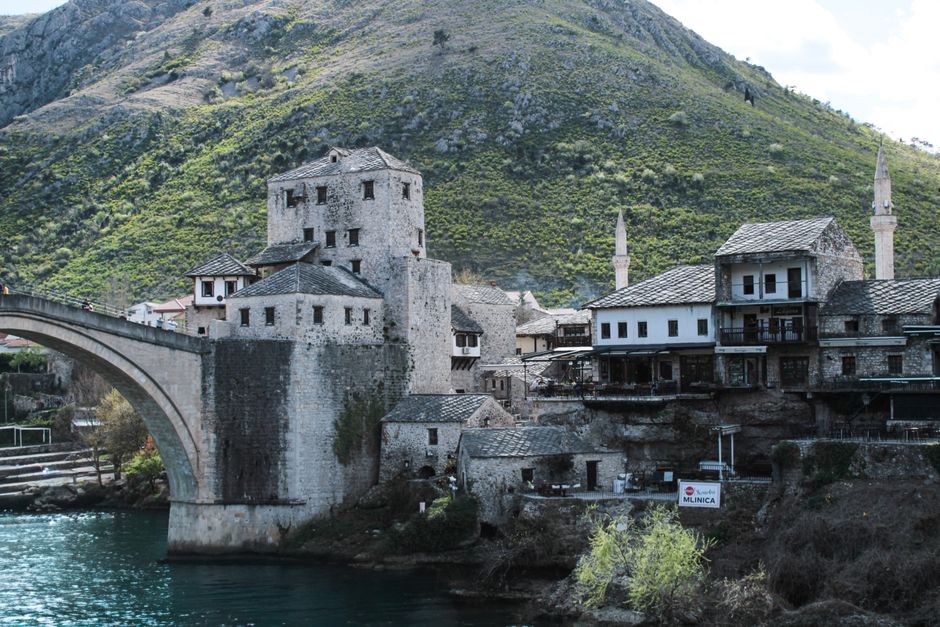
I remember the exact moment I knew the Balkans had rewired my travel brain. I was standing on the ancient walls of Dubrovnik’s Old Town, the Adriatic sprawling like a sapphire quilt below me, when an old Croatian fisherman pointed north and said, “Mostar is just a bus ride away — go, it’s a different world.” I took his advice, and after crossing into Bosnia, I watched the sun set over the Stari Most bridge while listening to the call to prayer echo across the Neretva River. That single day — hopping between Catholic, Orthodox, and Islamic cultures — felt like I’d visited three lifetimes, not three countries.
I’ve backpacked more than forty countries, but the Balkans stand apart. This isn’t a sanitized, over-touristed version of Europe. It’s raw, layered, and deeply personal. I’ve spent over five months traveling through Croatia, Bosnia and Herzegovina, Montenegro, and Albania — sleeping in family-run guesthouses, eating lamb roasted on a spit by a shepherd, and getting lost in labyrinthine Ottoman bazaars. I’ve also made plenty of mistakes (wrong bus station, wrong currency, wrong border protocol), which is exactly why I’m writing this guide: so you don’t repeat them.
You’ll learn exactly when to visit, how much to budget, the best routes, and the hidden gems that no algorithm has overhyped. By the end, you’ll feel equipped — not overwhelmed — to plan your own journey through Europe’s last true frontier.
The Essentials at a Glance
- 🌍 Visa Freedom: EU citizens and most passport holders (US, UK, Canada, Australia) can enter visa-free for up to 90 days. Always check current rules for Serbia, Bosnia, and Kosovo separately.
- 💵 Carry Cash (Kuna, Euro, Convertible Mark, Lek): Croatia uses the euro; Bosnia uses the convertible mark (fixed 2:1 to euro); Albania uses the lek. ATMs are everywhere, but rural guesthouses prefer cash.
- 🚌 Buses are Your Best Friend: Regional buses connect every major city. FlixBus works for Croatia, but local companies (Croatia Bus, Globtour) are cheaper for Bosnia and Montenegro.
- 🏠 Stay in Family-Run Guesthouses: In Bosnia and Albania, “sobe” (private rooms) cost €15–€25 and include homemade breakfast. It’s the most authentic way to experience the culture.
- 📱 Get a Local SIM: Buy a prepaid SIM from T-Mobile (Croatia) or ONE (Bosnia) for about €10. Google Maps offline works, but local data makes bus schedules and WhatsApp calls seamless.
The Complete Guide
Why This Matters / Why You Should Go
The Balkans offer what most of Europe has lost: genuine rawness. In Croatia you get the Adriatic beauty at a fraction of the Italian Riviera cost. In Bosnia, you witness a country still healing from war, yet serving the warmest hospitality I’ve ever encountered. In Montenegro, the Bay of Kotor rivals any Norwegian fjord but with Mediterranean sun. And Albania? It’s the most underrated country in Europe — pristine beaches, Ottoman towns, and a palpable sense of discovery. This region is for travelers who want to feel something real — not just check a bucket list. It’s for those willing to navigate unmarked roads, learn a few words of Bosnian, and share rakija with strangers who become friends. If you want predictable, go to Paris. If you want adventure, come here.
When to Visit (Seasonal Guide)
May–June (Peak Sweet Spot): Wildflowers blanket the mountains; coastal towns like Dubrovnik and Hvar are lively but not overwhelming; daytime temps hover at 25°C. Prices in Croatia are 20–30% lower than July. This is when I walked the entire wall in Mostar without queues. July–August (Avoid): The coast becomes a furnace (35°C+). Dubrovnik gets cruise-ship crowds. Bosnia’s inland cities are still pleasant, but coastal accommodation doubles. September–October (My Favorite): The sea is warm from summer, crowds vanish, and Albania’s beaches are nearly empty. You’ll pay €30 for a sea-view room in Ksamil instead of €100. November–March (Budget but Cold): Inland cities like Sarajevo and Belgrade are cheap (€20/night) and atmospheric, but many coastal restaurants and hostels close. Perfect for urban explorers.
Budget Breakdown
Let’s talk real numbers from my last 4-week trip. Accommodation: In Croatia, expect €25–€40 for a dorm or budget private room (Hostel in Split: €28/night in June). In Bosnia, I paid €18 for a beautiful private room with a balcony in Sarajevo. Albania is cheapest: €12–€18 for a hostel dorm in Berat. Food: Balkan food is hearty and cheap. A cevapi lunch in Bosnia costs €3–€5 with bread and onions. A seafood dinner in Croatia runs €15–€25. Albania: grilled fish and salad for €6. Transport: Bus between Dubrovnik and Mostar: €18. Mostar to Sarajevo: €14. Ferries between Croatian islands: €8–€12. Activities: Dubrovnik walls: €35 (expensive but worth it). Kravice Waterfalls: €10. Mostar walking tour: free (tip-based). Total daily budget: €45–€55 if you’re sensible; you could do €35 in Bosnia/Albania. Save by eating at bakeries (burek for €1.50) and staying in guesthouses outside Old Towns.
Getting There & Getting Around
Arrival: Most international flights land in Dubrovnik, Split, Zagreb (Croatia), or Tirana (Albania). Flying into Dubrovnik is convenient for a south-to-north route, but flights can be pricey. I got a Ryanair deal from London to Zadar for €40. Getting around: Buses are the backbone. From Dubrovnik, take a coach to Mostar (3 hours, €18) — the border crossing takes about 20 minutes, nothing dramatic. From Mostar, go to Sarajevo (2.5 hours, €14) or down to Montenegro (Kotor, 4 hours, €20). For Montenegro to Albania, take a bus from Kotor to Shkodër (3 hours, €15) — the border at Debeli Brijeg is straightforward. Navigation tip: Download the app “GetByBus” for real-time schedules. In Bosnia, double-check the bus station location — Mostar has two separate bus terminals 2 km apart. I missed a bus because I went to the wrong one. Renting a car: If you’re in a group of 3–4, renting a car in Croatia (€40/day) gives freedom, especially for rural Albania (the Llogara Pass views are unreal). But parking in Old Towns is a nightmare.
Top Recommendations / Must-Do Activities
I’ll give you the ones that genuinely delivered. 1. Walk the Walls of Dubrovnik at 7 AM: I queued at the Pile Gate when it opened at 8 AM and had the entire 2 km circuit almost to myself. The light over the terracotta roofs is magical. Cost: €35. Worth every cent if it’s uncrowded. 2. Stay overnight in Mostar: Day-trippers mob the Old Bridge from 10 AM to 4 PM. Stay at a guesthouse like Villa Anic (€25/night) and watch the bridge at midnight — empty and lit up. 3. Take the “Blue Cave” boat tour from Kotor: It’s touristy (€50), but the caves near the Luštica peninsula are surreal — water so clear it looks like liquid glass. Go with a small boat group (max 8 people). 4. Hike from Theth to Valbona in Albania: This 17 km hike through the Accursed Mountains is the best day of my life. Start from Theth (accessible from Shkodër by minibus, €10), stay at a guesthouse (€20 with dinner), then hike 6 hours to Valbona. The views of the Albanian Alps are jaw-dropping. 5. Eat burek at Buregdžinica “S Bosnom” in Sarajevo: It’s a tiny bakery near Baščaršija where locals line up at 8 AM. A massive cheese burek with yogurt costs €3. Honest and perfect.
Traveler’s Pro Tips
Tip 1: Master the “two-sided” border crossing for Kosovo and Serbia. If you plan to visit Kosovo, enter from Albania first — avoid entering from Serbia unless you want hours of questioning. I crossed from Montenegro into Kosovo and got waved through in 10 minutes.
Tip 2: Learn how to order coffee like a local. In Bosnia, order “bosanska kahva” (served with a cube of sugar and a glass of water). In Albania, “kafe turke” (thick and strong). In Croatia, “bijela kava” (white coffee). Saying it in local languages immediately warms people to you.
Tip 3: Use “bolt” not taxis. Ride-hailing apps (Bolt works in most Balkan cities, Uber in Croatia only) cost half of street taxis. In Tirana, Bolt from the airport costs €12 vs. €25 for a taxi.
Tip 4: Download maps.me offline for Albania. Google Maps often doesn’t have provincial roads in the Accursed Mountains or rural Montenegro. Maps.me has trails, guesthouses, and even water fountains marked.
Tip 5: Pack a sarong or large scarf. For entering Orthodox churches and mosques (especially in Bosnia and Albania), you’ll need to cover shoulders and knees. Sarongs double as a picnic blanket and a towel on Albanian beaches where there are no changing rooms.
Common Mistakes to Avoid
Mistake 1: Assuming all former Yugoslav countries use the euro. I did this in Bosnia and tried to pay with euros at a market in Sarajevo. The vendor looked at me like I was crazy. Bosnia has its own mark (KM). Convert marks at any bank or use ATMs — never with street changers who give terrible rates.
Mistake 2: Underestimating border wait times at the Morinj crossing. Between Dubrovnik and Kotor, the border at Debeli Brijeg can take 1–2 hours in summer. I once sat on a bus for 90 minutes because of a car accident. Always have snacks water, and a downloaded movie.
Mistake 3: Booking accommodation in the Old Town of Dubrovnik or Split. It’s loud (cobblestones amplify footsteps at 6 AM when delivery trucks arrive) and overpriced. Stay in nearby areas like Lapad (Dubrovnik) or Varoš (Split) — 15 minutes walk, half the price, actual quiet.
Mistake 4: Not respecting the history of the Siege of Sarajevo. Sarajevo is a vibrant city, but avoid taking selfies at memorials like the “Sarajevo Roses” (mortar shell scars filled with red resin). I saw a tourist laugh while posing at one — it was deeply disrespectful. Learn the history before you go (read “The Cellist of Sarajevo”).
Your Travel Checklist
📄 Documents: Valid passport (6+ months), printouts of accommodation bookings for border checks, travel insurance (recommended: World Nomads).
🎒 Packing: Comfortable walking shoes (cobblestones and mountain trails), a power bank (long bus rides), a refillable water bottle (tap water is safe in Croatia and Bosnia), a sarong (for churches/mosques).
📚 Research: Download offline maps (maps.me), learn 5 phrases in Croatian/Bosnian (hvala, molim, dobro), pre-book the first night’s accommodation.
💳 Bookings: Bus tickets can be bought day-of, but for Dubrovnik–Mostar in summer, book 3 days ahead on getbybus.com. For Plitvice Lakes (Croatia), tickets sell out weeks ahead.
🏥 Health/Safety: No vaccines required, but bring a basic first-aid kit (blisters are common). Tap water is drinkable in Croatia and Bosnia; in Albania, stick to bottled.
💶 Local Currency: Bring a mix of euros (Croatia/Montenegro) and with a card that has no foreign fees (like Revolut or Wise).
📱 Apps: GetByBus (transport), Bolt (rides), maps.me (navigation), Xe currency converter, and Google Translate with downloaded Bosnian/Croatian languages.
Traveler FAQ
Q: Is it safe to backpack alone in the Balkans as a woman?
A: Yes, with standard precautions. I traveled solo for three weeks and never felt unsafe. In Bosnia and Albania, locals are protective of women travelers. Stick to busy streets at night in Sarajevo and Tirana, and use Bolt rather than walking alone after 11 PM. Petty theft is rare but be careful on crowded buses.
Q: Can I enter Bosnia from Croatia with just a Schengen visa?
A: Most nationalities (US, UK, Canada, Australia, EU) do not need any visa for stays up to 90 days. For those who need a visa, a valid Schengen visa is accepted for entry into Bosnia, Montenegro, and Albania. Always confirm with the embassy before departure.
Q: How long does it take to bus from Dubrovnik to Kotor?
A: Direct buses take about 2.5 to 3 hours including border crossing. In summer, expect delays up to an hour. I recommend the 7 AM bus to avoid midday crowds. The drive along the Bay of Kotor is one of the most beautiful in Europe.
Q: What’s the best order to see Croatia, Bosnia, Montenegro, and Albania?
A: Start in Dubrovnik (Croatia), bus to Mostar (Bosnia), then Sarajevo (Bosnia), then back south to Kotor (Montenegro), then Shkodër (Albania), then south to Tirana and the Albanian Riviera. This route flows logically and avoids backtracking.
Q: Do I need to speak the local languages to get by?
A: Not at all, but a few words go a long way. In coastal Croatia and Montenegro, English is widely spoken. In Bosnia and rural Albania, English is less common, but Google Translate and smiles work. Learn “hvala” (thank you) and “dobar dan” (hello) — people genuinely appreciate it.
Ready for Your Adventure?
The Balkans taught me something I didn’t expect: that the best roads aren’t the famous ones. They’re the ones where a bus driver pulls over to show you a hidden waterfall, where a grandmother invites you into her garden for figs, where the map doesn’t work and you don’t care. This isn’t a trip about ticking off countries — it’s about letting the layers of history, the embrace of the Adriatic, and the warmth of the people reshape how you see Europe. Yes, you’ll face delayed buses and confusing currencies. But you’ll also find a version of travel that feels real, unfiltered, and yours. So pack light, keep your curiosity heavy, and book that ticket. The Balkans are waiting — and they don’t care if you’re scared, they just want you to arrive.


No comments:
Post a Comment