The Complete Guide to Motorcycle Rentals in Bali: How to Ride Safe, Skip the Scams, and See the Real Island
Your two‑wheeled passport to Bali’s hidden corners – from the rice terraces of Ubud to the surf breaks of Uluwatu, without getting ripped off or stuck on the side of the road.
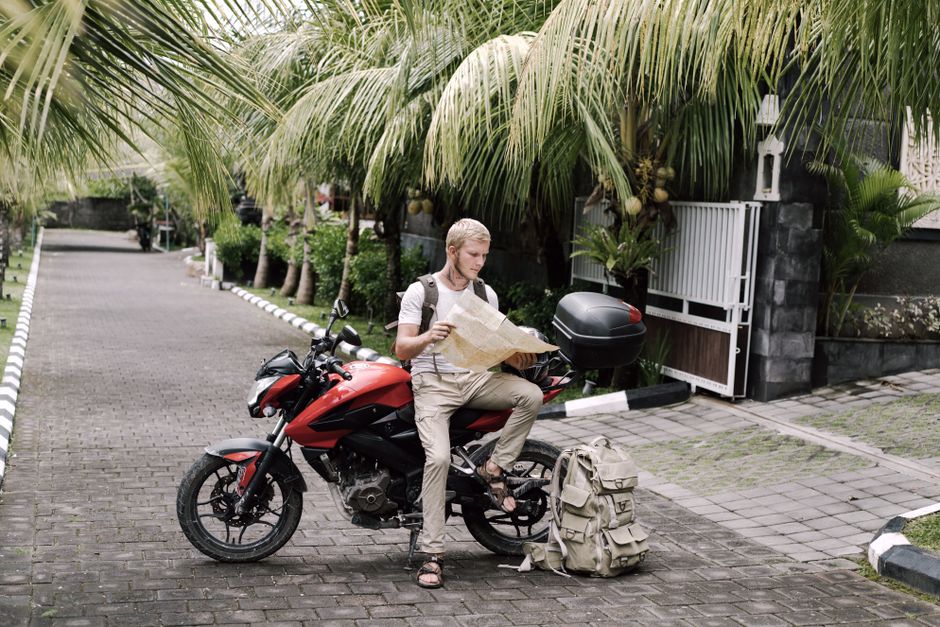
A rented scooter parked on a Balinese back road – the best way to explore beyond the tourist trail.
✈️ Best time to visit: April to October (dry season) for perfect riding conditions.
💰 Est. budget (daily): $25–$50 (includes rental, fuel, food, and a basic homestay).
⏱️ How long to spend there: At least 10 days to cover south Bali, Ubud, and the eastern coast.
🎯 Difficulty level: Moderate – chaotic traffic but manageable if you’re experienced on two wheels.
📍 Recommended season: May or September (fewer crowds, still dry).
👥 Best for: Solo travelers, adventurous couples, and small groups who want freedom.
Introduction
I’ll never forget the first time I rounded a corner on a rented Honda Vario near Sidemen. The road was barely wide enough for two cars, flanked by emerald rice terraces that looked like staircases to the sky. A farmer in a conical hat waved as I passed, his dog chasing the scooter for a few joyful steps. At that moment, I realised that Bali’s soul isn’t in the crowded beaches of Kuta or the Instagram temples of Ubud – it’s on the backroads, felt through the wind and the smell of clove cigarettes and frangipani.
But getting to that moment wasn’t simple. My first rental experience in Bali was a mess. I paid a deposit without a receipt, got handed a scooter with bald tires, and spent the first day terrified of being pulled over without an International Driving Permit. Since then, I’ve rented bikes across Bali over a dozen times – from Kuta to Lovina to the remote villages of the east. I’ve fallen for scams, learned the hard way about insurance, and discovered exactly what it takes to ride Bali safely and confidently.
This guide is built from that experience. I’ll walk you through every essential – from picking the right bike and avoiding rental scams to understanding insurance, packing the right gear, and knowing when to skip the road altogether. By the end, you’ll have everything you need to ride Bali like a seasoned traveler, not a nervous tourist.
The Essentials at a Glance
- 🛵 Always carry an International Driving Permit (IDP) plus your home license. Police checkpoints are common, and fines can be steep.
- 📝 Take photos of the bike before you ride. Rental owners sometimes claim old damage is your fault – cover yourself with timestamped images.
- 💸 Never pay the full rental upfront without a signed agreement. A small deposit (100–200k IDR) is fine; the balance on return.
- 🛡️ Buy travel insurance that covers scooter riding. Standard policies often exclude motorcycles – check the fine print.
- 🧭 Use Google Maps offline, but carry a physical map too. Signal drops often in rural areas, and street signs are sporadic.
The Complete Guide
Why This Matters / Why You Should Go
Bali’s public transport is virtually non‑existent for tourists. Ride‑hailing apps like Gojek and Grab work in the south, but they’re expensive for long trips and often forbidden in areas controlled by local taxi cooperatives. A motorbike gives you true independence. You can stop at a warung that looks interesting, pull over for an unmarked waterfall, or stay on a ridge until the sunset paints the rice fields gold. No driver’s schedule, no tour bus claustrophobia.
But it’s not for everyone. You need real road confidence – Bali’s traffic is chaotic, with aggressive drivers, stray dogs, and sudden potholes. If you’ve never ridden a scooter before, this isn’t the place to learn (unless you take a lesson first in a quiet area). For experienced riders, though, it’s the best way to connect with the island’s spirit. You feel every curve, every scent, every change in elevation. It’s raw and real.
When to Visit (Seasonal Guide)
Dry season (April to October): The best time for riding. Roads are dry, skies are clear, and visibility is excellent. June, July, and August are the busiest months – expect more traffic around Ubud, Canggu, and Uluwatu. May and September are the sweet spot: fewer tourists, great weather.
Wet season (November to March): Riding is possible but challenging. Sudden downpours turn roads slick, especially on mountain passes near Bedugul. Flooding is common in low‑lying areas like Denpasar. If you ride in the wet, wear a waterproof jacket, keep your speed down, and avoid riding after dark (rain reduces visibility even more). The upside? Fewer tourists and lush green scenery.
Shoulder months (April and October): Transitional weather – you’ll get a mix of sun and rain. Always check the forecast before heading out for the day.
Budget Breakdown
Accommodation (per night): Low‑budget homestay (200k–350k IDR / $13–$23), mid‑range bungalow (500k–800k IDR / $33–$53), luxury resort (1.5m+ IDR / $100+). For riders, I recommend a homestay with secure parking – ask if they have a locked garage or a night guard.
Motorcycle rental (per day): Automatic scooters (Honda Vario, Yamaha Nmax) run 60k–100k IDR ($4–$6.50). Manual bikes (Honda CB150R) are 120k–200k IDR ($8–$13). Fuel is cheap – a full tank (4 litres) costs about 50k IDR ($3.30) and lasts 150‑200km.
Food (per meal): Nasi goreng or mie goreng from a warung: 20k–40k IDR ($1.30–$2.70). A sit‑down restaurant with a Bintang beer: 80k–150k IDR ($5.30–$10). Western food in tourist hubs: 100k+ IDR.
Activities: Most temples charge 15k–50k IDR ($1–$3.30). Entrance to waterfalls like Tegenungan or Sekumpul: 10k–20k IDR. Yoga classes in Ubud: 100k–200k IDR.
Money‑saving tips: Rent by the week for a discount (often 20‑30%). Fill up at local petrol stations (Pertamina) instead of roadside sellers who overcharge. Eat at warungs, not tourist cafes. Use Google Maps to find the cheapest fuel prices along your route.
Getting There & Getting Around
Fly into Ngurah Rai International Airport (DPS) near Kuta. From the airport, avoid the overpriced taxis – walk out of the terminal to the main road and use Gojek or Grab for a ride to your accommodation (about 50k–80k IDR to Kuta or Seminyak).
Once you’re settled, find a reputable rental shop. I always search for “motorbike rental Canggu” or “scooter rental Ubud” on Google Maps and read recent reviews. Avoid shops on the main strip that offer extremely cheap rates – they often hide damage fees. My go‑to is Bali Bike Rental in Sanur (known for well‑maintained bikes) or Ride Bali in Canggu (they offer free delivery and pickup). Ask for a test ride before paying.
Navigation: Download offline Google Maps for Bali before you arrive. The island has decent coverage, but it’s spotty in the mountains and eastern coast. Buy a local SIM card (Telkomsel offers good data) at the airport or a convenience store for around 100k IDR with 15GB. Also carry a small paper map – when your phone battery dies, you’ll be grateful.
Top Recommendations / Must-Do Activities
1. The Ubud to Sidemen Loop: This is my favourite ride on the island. Start in Ubud, head east past the Tegallalang Rice Terrace (go early, before 9am, to beat the crowds), then continue to the quieter, less touristy Sidemen Valley. The road winds through clove plantations and forest, with views of Mount Agung on a clear day. Stop at Warung D’Sawah for lunch – the nasi campur is incredible and costs 40k IDR.
2. The Bukit Peninsula Coastline: Ride from Uluwatu to Padang Padang, breaking at every viewpoint. The roads are narrow and the cliffs dramatic. Watch for rented vans full of Instagrammers at the most famous spots, but you can find quiet coves by pulling over on any dirt track. My secret stop is the little beach at Nyamun – no entrance fee, just a steep path.
3. The Bedugul Mountain Pass: This ride takes you through the central highlands, past Lake Beratan and the famous Ulun Danu Temple. The road is well‑paved but steep in sections. The air is cool – you’ll need a jacket even in summer. Stop at the strawberry farms near Pupuan for fresh juice.
4. The East Coast – Amed to Tulamben: This is a longer ride (about 3 hours from Ubud) but worth it for the black sand beaches and world‑class snorkelling. The wreck of the US Liberty in Tulamben is accessible from the shore. The road is mostly straight but can be dusty. Stay overnight at a bungalow like Good Karma Bungalows – they have secure parking and a pool.
Downside: The traffic near popular beaches (Canggu, Seminyak) is awful at sunset – avoid riding there between 5pm and 7pm. Also, the road from Ubud to Bedugul can be foggy in the morning – go after 10am for better visibility.
Traveler’s Pro Tips
- Strong>Bring your own helmet visor: Many rental shops offer helmets with scratched or yellowed visors that make night riding dangerous. I pack a clear replacement visor for my own full‑face helmet – it’s small, cheap, and saves your eyes from bugs and rain.
- Strong>Use WhatsApp to communicate with your rental shop: Almost all Balinese business owners use WhatsApp. Send a message confirming your booking, and ask for a photo of the bike’s odometer and damage before you arrive. This creates a digital paper trail.
- Strong>Learn to use the horn: In Bali, the horn isn’t an expression of anger – it’s a polite “I’m here” signal. Tap it lightly when overtaking a car or passing a pedestrian. Not using it confuses local drivers.
- Strong>Carry a small umbrella in your scooter’s compartment: Even in the dry season, sudden tropical showers can appear. An umbrella under your seat means you can pull over, dry off, and wait it out without getting soaked.
- Strong>Never ride with flip‑flops: You lose all foot control on the pedals. Wear closed‑toe shoes or sturdy sandals that strap around your ankle. I use a pair of cheap sneakers that I don’t mind getting dusty.
Common Mistakes to Avoid
Mistake 1: Not checking the bike’s brakes and tires before riding. In my first rental, the front brake was nearly useless – I only discovered it when a dog ran in front of me. Always squeeze both brakes before you set off, and spin the wheels to check for cracks. If the tires are bald, demand a swap.
Mistake 2: Leaving your passport as a deposit. This is a classic scam. Some rental shops will keep your passport and then claim you damaged the bike, refusing to return it until you pay an inflated repair fee. Never hand over your passport. Offer a cash deposit (100–200k IDR) or a photocopy with your hotel address.
Mistake 3: Assuming your travel insurance covers scooter riding. Many standard policies exclude motorcycles, especially if you don’t have a valid IDP. I once met a traveler who had to pay out of pocket for a broken collarbone because their insurance didn’t cover scooter accidents. Check your policy explicitly: look for the words “motorcycle” or “scooter” in the coverage list. If it’s excluded, buy a separate policy from a specialist like World Nomads or SafetyWing.
Mistake 4: Riding after dark in rural areas. Most Balinese roads in villages are unlit, with wandering cows, dogs, and potholes. After 7pm, visibility drops sharply, and many local drivers don’t use headlights. Stick to riding in daylight – your evening time is better spent sipping a Bintang at a warung.
Your Travel Checklist
Documents: Valid passport (with 6+ months validity), International Driving Permit (obtained in your home country before travel), and a copy of your rental agreement.
Packing for the ride: Full‑face helmet (if you don’t trust the rental one), riding gloves (cheap ones work), waterproof jacket, sunglasses (UV protection), and a small dry bag for valuables.
Research: Download offline Google Maps for Bali, read recent reviews of your rental shop, and check the local traffic laws (e.g., you must wear a helmet at all times, no riding on sidewalks).
Health & Safety: Travel insurance that covers scooter riding, a basic first‑aid kit (bandaids, antiseptic, painkillers), and a phone charged with emergency numbers (police: 110, ambulance: 118).
Local Currency: Always carry 100k–200k IDR in cash for fuel, parking fees (usually 2k–5k IDR), and food at warungs that don’t accept cards. ATMs are everywhere in towns but not in rural areas.
Apps: WhatsApp (for comms), Google Maps (offline maps), Gojek (for ride‑hailing if you need a break), and a currency converter like XE.
Traveler FAQ
Q: Do I need an International Driving Permit (IDP) to rent a scooter in Bali?A: Yes. Balinese police frequently set up checkpoints, especially near tourist areas like Kuta, Canggu, and Ubud. Without an IDP, you risk a fine of up to 250k IDR ($16) and your bike can be impounded. The IDP must be obtained in your home country before you travel – you can’t get it in Bali.
Q: What should I do if the rental shop claims I damaged the bike?A: This is why you take photos and videos of the bike before you ride. If a dispute happens, stay calm, show your timestamped evidence, and offer to call the local tourism police (you can find their number online). Most shops will back down if you have proof. Never pay on the spot without a printed receipt.
Q: Is it safe to ride a scooter in Bali as a beginner?A: Honestly, no. Bali’s traffic is chaotic – cars overtake from the wrong side, dogs run into the road, and corners can have gravel. If you’ve never ridden a scooter, take a lesson first in a quiet area (like Sanur’s back streets) or stick to hiring a private driver for the first few days to observe the traffic patterns.
Q: How much does it cost to rent a scooter for a month?A: Long‑term rentals are significantly cheaper. Expect 1.2m–1.8m IDR per month ($80–$120) for a basic automatic scooter. Negotiate a discount upfront – offer to pay cash for the whole period. Make sure the contract includes free roadside assistance (flat tire, dead battery).
Q: What’s the best type of scooter for Bali’s roads?A: For paved roads, a Honda Vario or Yamaha Nmax is perfect – sturdy, easy to handle, and parts are everywhere if something breaks. If you’re heading to dirt roads in the mountains (like the road to Sekumpul Waterfall), consider a Honda Scoopy or a small dirt bike (Kawasaki KLX) for the extra traction.
Ready for Your Adventure?
Riding a motorbike across Bali isn’t just about getting from one temple to the next. It’s about feeling the warmth of the sun on your shoulders, the sudden shift in temperature as you climb into the mountains, and the incredible kindness of locals who’ll help you push your bike out of a drainage ditch when you take a corner too fast (yes, I’ve been there). The freedom of the road will turn an ordinary holiday into an immersive journey – but only if you prepare properly. Get your IDP, find a trustworthy rental, pack your confidence, and respect the chaos. The island is waiting, and it’s best experienced at 40 kilometres an hour, with the wind in your face and a grin you can’t wipe off.
✨ Your two‑wheeled adventure starts now. Rent smart, ride safe, and discover the real Bali.


No comments:
Post a Comment