How Volcano Boarding on Cerro Negro Changes Your Idea of Adventure
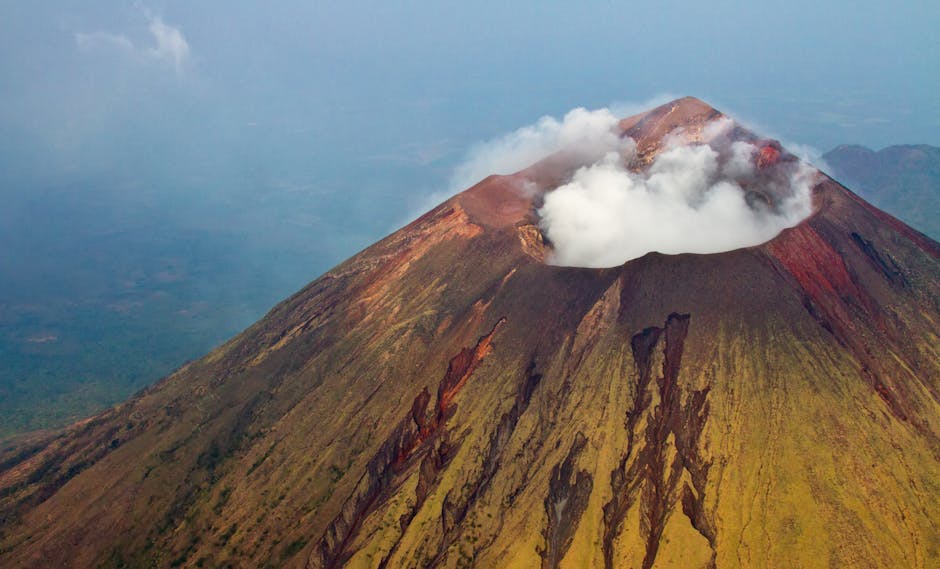
Riding the ash on Cerro Negro — an adrenaline rush like no other, just outside Leon, Nicaragua.
✈️ Best time to visit: November to April (dry season) | 💰 Estimated budget: $45–$70 per day (mid-range) | ⏱️ How long to spend: 2 days in Leon (including half-day for the volcano) | 🎯 Difficulty level: Moderate (short hike up, steep slide down) | 📍 Recommended season: December–March (coolest temps, clearest views) | 👥 Best for: Solo travelers, thrill-seeking couples, adventure groups
Introduction
The first crunch of my boots on the black gravel of Cerro Negro sent a shiver up my spine — not from cold, but from pure anticipation. I was standing on the flanks of one of Nicaragua’s youngest and most active volcanoes, 728 meters above sea level, with a wooden board tucked under my arm and a jumpsuit covered in ash. Below me, a steep slope of jet-black cinder stretched like a dark tongue into the dry valley. I remember thinking: this is either the best decision of my trip or a very silly way to bruise my tailbone. I’ve been writing about adventure travel for nearly a decade, and I’ve sandboarded dunes in Peru, surfed waves in Costa Rica, and hiked ice fields in Patagonia. But nothing — absolutely nothing — compares to the raw, primal thrill of sliding down an active volcano at 50 miles per hour. In this guide, I’ll walk you through every gritty detail: how to book a tour, what to pack, when to go, and how to keep your nerve when you’re staring down that steep slope. You’ll leave with a complete, no-nonsense plan for conquering Cerro Negro.
The Essentials at a Glance
🌀 Book with a local operator in Leon — don’t DIY; guides provide the board, suit, and safety briefing.
🌋 Wear closed-toe shoes and long pants — the ash is sharp and the sun is brutal.
📸 Bring a GoPro or secure your phone — you’ll want proof of this wild ride.
🍜 Eat a light meal beforehand — the hike is 45 minutes, but a heavy lunch will slosh around.
🕐 Go early (7 AM or 1 PM) — avoid midday heat and afternoon wind that kicks up ash.
The Complete Guide
Why This Matters / Why You Should Go
Volcano boarding isn’t just a novelty; it’s a raw confrontation with the earth’s power. Cerro Negro (which translates to “Black Hill”) is the only place on the planet where this sport is regularly practiced, and it emerged only in the early 2000s when a local Australian traveler named Darryn Webb thought, “Why not slide down that?” The volcano itself is young (first erupted in 1850) and still active — it last erupted in 1999, showering Leon with ash. Standing on its summit, you can see steam vents and smell the faint sulfur. This is the real deal, not a theme park. For solo travelers, couples, and small groups, it offers a shared adrenaline moment that bonds you forever. I met a British backpacker who did it three times in one week because she “couldn’t stop thinking about the speed.” It’s that kind of experience. But be honest: it’s physically demanding (the hike up is steep), and the slide can leave you coughing ash for an hour. If you’re after easy bucket-list checking, maybe stick to ziplines. If you want to feel like a tiny human on a giant planet, this is for you.
When to Visit (Seasonal Guide)
Nicaragua has two seasons: dry (November–April) and wet (May–October). I went in early January — blue skies, 28°C (82°F), and hardly any tourists on the volcano. The dry season offers the best conditions: the ash is loose and fast, the trails are not muddy, and the views from the top stretch all the way to the Pacific Ocean. In the wet season (especially September and October), the ash can clump together, making the slide slower and less thrilling, plus the trail can be slippery and dangerous on the hike up. Crowd levels are highest in December and January (holiday season), but the volcano itself never feels packed — tour companies stagger departures. I’d recommend February or March for the sweet spot of low rain, fewer crowds, and cooler morning temperatures. One tip: avoid the week of Easter (Semana Santa) when Leon fills with Nicaraguan families on vacation — your tour might be delayed or feel rushed.
Budget Breakdown
Nicaragua is one of Central America’s most affordable destinations, and Leon is no exception. Here’s what I spent (in USD, mid-range) in January 2024:
- Accommodation: Hostel dorm $10–$15/night; private room in guesthouse $25–$40; boutique hotel $60–$100. I stayed at ViaVia Leon for $28/night — clean, central, with a pool.
- Food: Street quesadilla $2; set lunch (comida del día) $4–$6; nice dinner $10–$15. I ate at El Sesteo — great grilled chicken with gallo pinto, $7.
- Volcano boarding tour: $30–$40 per person (includes transport, guide, board, jumpsuit, goggles, and safety talk). I paid $35 with Real Tours — professional and fun.
- Transport: Local bus from Leon to the volcano turnoff ~$1; most tours include pickup from your hostel.
- Daily total: $45–$70 per day for one activity and three meals. For a 3-day Leon stay with volcano boarding: about $180–$250 total.
- Money-saving tip: Skip the “deluxe” tour that includes photos — just hand your phone to a friend on the slope, or buy the guide’s GoPro footage for $10 afterward.
Getting There & Getting Around
Leon is about 90 minutes north of Managua’s international airport by shuttle or taxi. From Managua, a shared shuttle costs $10–$15; a private taxi around $40. I took the local bus from the Mayoreo terminal in Managua (cheap but slow, ~2 hours) for $2.50 — great for budget travelers but not for the faint-hearted. Once in Leon, everything is walkable: the town is a grid of cobblestone streets, and all volcano tour offices are within a few blocks of the central park. For the volcano itself, your tour will pick you up in a minibus and drive 30 minutes northeast to the base of Cerro Negro. The road is paved except for the last 2 km of dirt track — bumpy but fine. No need for a rental car; tours are the standard. If you’re adventurous, you can bike there (some hostels rent mountain bikes for $15/day), but the climb on loose gravel is tough solo.
Top Recommendations / Must-Do Activities
Volcano boarding is the headline act, but Leon offers so much more. First, spend an afternoon exploring the Leon Cathedral (a UNESCO site) — climb to the roof for a panoramic view of the city and the volcanoes lining the horizon. I went at sunset and watched Cerro Negro turn rose-gold in the fading light. Second, take a street food tour through the central market: try vigorón (cabbage with pork rinds and yuca), nacatamales (Nicaraguan tamales), and fresh-crushed chicha (fermented corn drink). Third, if you have an extra day, join a sandboarding trip to the nearby Apoyeque Volcano — the dune is shorter but the run is smoother for beginners. On Cerro Negro itself, don’t just do one run. Most tours allow at least two slides (the second is always faster because you’re less scared). My guide, Carlos, taught me a trick: lift your toes on the board and lean back slightly — it prevents the board from digging in and gives you a smoother ride. The downside? The hike up a second time is brutal on the legs, but worth it. Also, be ready for ash in every crevice — it got inside my socks and stayed there for days. Bring baby wipes.
Traveler’s Pro Tips
Tip 1: Wear a bandana or buff over your mouth. The ash billows up as you slide, and inhaling it makes you cough for hours. I used a light cotton scarf soaked in water — cut the dust 80%.
Tip 2: Choose your board wisely. Ask the guide for a board with a slightly concave shape (not flat). It tracks straight better at speed. I started with a flat one and wobbled; my second run with a concave board was smooth.
Tip 3: Keep your body low and centered. Don’t stand up like a skier — squat like a snowboarder. I made that mistake first run and nearly tumbled headfirst. Lower your center of gravity and keep your arms forward.
Tip 4: Wear thin gloves under the jumpsuit’s mitts. The jumpsuit provided has built-in hand covers, but they’re thin. The ash is sharp — I got a small cut on my palm. Mechanics gloves from a hardware store work great and cost $2.
Tip 5: Book your tour the evening before. Most operators need 12 hours’ notice to assemble groups. I showed up morning-of and almost missed a slot. Go to Real Tours on Calle Central before 6 PM.
Common Mistakes to Avoid
Mistake #1: Wearing shorts or sandals. I saw a guy in flip-flops at the base. He had to borrow boots from the guide, but they were two sizes too big. The hike is steep and the volcanic gravel is sharp — wear closed-toe shoes and long pants or you’ll get blisters and cuts.
Mistake #2: Not hydrating beforehand. The hike takes about 45 minutes under the direct sun, and at the top, the heat radiates off the black ash. I drank a litre of water beforehand and still felt dizzy. Bring at least 1.5 litres per person.
Mistake #3: Holding the brake too much. Many beginners try to slow down by dragging a foot. That just kicks up ash into your face and slows you to a crawl. Trust the slope — just steer and enjoy the speed. I only went about 25 mph my first run because I was scared; my second run I let go and hit 45 mph. The adrenaline is worth it.
Mistake #4: Forgetting a towel and change of clothes. After the ride, you’ll be covered in black dust. Most tours return to Leon with no shower stop. I had to sit in the minibus like a chimney sweep. Pack a plastic bag with a towel and a fresh shirt. The hostel will thank you.
Your Travel Checklist
- Documents: Valid passport (6 months validity), printed tour voucher, photocopy of passport for safety.
- Packing: Closed-toe hiking shoes, long pants, a thin long-sleeve shirt (sun protection), sunglasses, bandana/buff, reusable water bottle (1.5L), small backpack.
- Research: Check Cerro Negro’s volcanic activity status (usually quiet; the Smithsonian Global Volcanism Program has updates).
- Bookings: Reserve volcano tour at least 24 hours ahead, especially in peak season (Dec–Feb).
- Health/Safety: Bring sunscreen (SPF 50+), lip balm, adhesive bandages for small cuts, and pain reliever for muscle soreness (the hike works your quads).
- Local currency: Nicaraguan Córdoba (NIO). $1 USD = roughly 36 Córdoba. Bring small bills (10s and 20s) for tips and street food. ATMs in Leon work fine.
- Apps: Google Maps offline (download Leon area), WhatsApp (guides communicate via it), and a weather app for wind speed (high wind cancels slides).
Traveler FAQ
Q: Is volcano boarding dangerous?
A: It looks scarier than it is. The ash is soft, so falls rarely hurt — I wiped out on my first run and just tumbled into a black cloud. The risk is mainly from losing control and hitting a rock (rare). Guides brief you on braking and steering. Most injuries are minor scratches. If you follow instructions, you’ll be fine.
Q: Do I need prior boarding or surfing experience?
A: Not at all. I’d never snowboarded or surfed before. The guide teaches you the basic stance in 5 minutes at the top. The board is wider than a skateboard and you can sit on it if you’re too scared to stand (some people ride seated). I saw a 55-year-old woman do it seated and she loved it.
Q: What if the volcano erupts while we’re there?
A: Extremely unlikely. Cerro Negro is monitored constantly by the Nicaraguan Institute of Territorial Studies. It’s considered “restless” but has not produced an eruption since 1999. If any unusual activity occurs (seismic tremors, gas increases), tours are suspended immediately. I checked with the INETER website before booking.
Q: How long does the entire experience take?
A: From pickup in Leon to drop-off: about 4–5 hours. The hike up takes 45 minutes to an hour, you spend 20 minutes at the top taking photos and receiving briefing, then the slide down is 30 seconds to a minute (depending on speed). Then you walk back to the bus (20 minutes).
Q: Can I bring my own board?
A: Yes, but it’s impractical. The ash destroys the bottom of most boards (cheap wood or plastic). The tour boards are custom-made with a thick plastic base designed for the abrasive cinder. My friend brought a snowboard once — it was ruined after one run.
Ready for Your Adventure?
Standing at the base of Cerro Negro, covered in black dust, I finally understood what adventure really means — it’s about trusting the unknown and letting go of control, even if just for 30 seconds. Yes, it’s a little wild. Yes, you’ll cough ash for the rest of the day. But when you’re hurtling down the flank of an active volcano, with the wind roaring in your ears and the world reduced to a blur of black and sky blue, you’re not just a tourist — you’re a participant in something raw and real. Don’t overthink it. Book a tour, hop in that minibus, and put your doubts in your pocket. Leon and its black giant are waiting. You’ll come back with a story that no one else has, and maybe a few bruises, but mostly a grin that won’t fade. So lace up your boots, grab some sunscreen, and go ride a volcano. You won’t regret it.


No comments:
Post a Comment