Why Sleeping on the Floor in a Kyoto Ryokan Changed the Way I Travel Forever
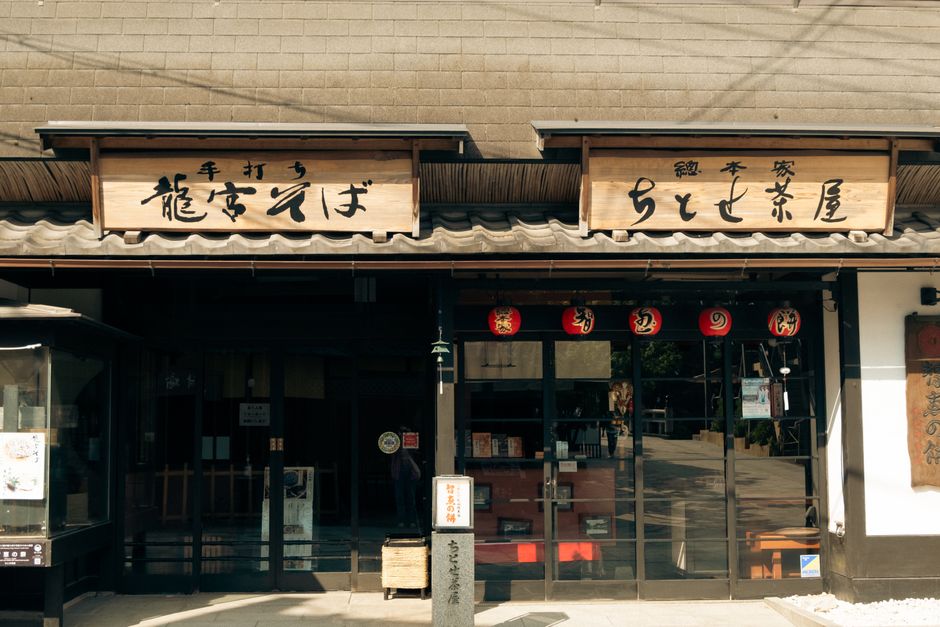
A classic ryokan interior in Kyoto, where simplicity meets profound comfort. Photo from Pexels.
✈️ Best time to visit: Late October to early December (autumn foliage) or March–April (cherry blossoms)
💰 Estimated budget range: $150–$600 per person per night (includes dinner and breakfast)
⏱️ How long to spend: 2–3 nights in one ryokan for the full immersive experience
🎯 Difficulty level: Moderate (cultural etiquette requires attention, but staff are incredibly helpful)
📍 Recommended season: Autumn for the most stunning garden views during onsen soaks
👥 Best for: Couples seeking romance, solo travelers craving quiet, and families wanting an authentic cultural immersion
Introduction
The first time I stepped into a ryokan, I froze in the doorway. My socks slid silently across the polished wooden floor as a woman in a flawless kimono knelt to greet me. She placed a cup of steaming green tea in my hands, and I realized I hadn’t spoken a word yet—but somehow, I already felt cared for. This wasn't a hotel. It was a carefully orchestrated pause from the frantic pace of modern life.
I’ve now stayed in over a dozen ryokan across Japan—from a modest family-run inn in Hakone to a historic, multi-generational property in the heart of Kanazawa. Each stay taught me something new about Japanese hospitality, known as omotenashi, and about how deeply a place can shape your sense of peace. I’m writing this not as a travel agent, but as someone who has fumbled with yukata robes, burned their tongue on scalding tea, and accidentally stepped on a tatami mat with shoes on (please, never do that).
In this guide, I’ll walk you through everything I wish I’d known before my first ryokan stay: how to choose the right inn, what to expect from a kaiseki meal, how to navigate the onsen etiquette without embarrassment, and why you should absolutely book that second night. Whether you’re a nervous first-timer or a seasoned Japan traveler, this article will help you turn a simple overnight stay into a memory you’ll carry forever.
The Essentials at a Glance
- 🛌 Reserve a room with an in-room private onsen if you're shy about public bathing; it costs more but removes all anxiety.
- 🍽️ Never skip the kaiseki dinner—even if you’re on a budget, the multi-course meal is the heart of the ryokan experience.
- 👘 Wear the yukata provided everywhere inside the ryokan; it’s not a costume—it’s local custom.
- 🚫 No shoes on tatami, ever. Not even slippers. Leave them at the genkan (entrance) and use the indoor slippers provided.
- 📅 Book early for peak seasons (spring cherry blossoms and autumn leaves) as top ryokan fill up six months ahead.
The Complete Guide
Why This Matters / Why You Should Go
A ryokan isn’t just a place to sleep—it’s a living museum of Japanese culture. Unlike a Western hotel, where efficiency rules, a ryokan operates on ritual and attention to detail. The tatami mats smell of sweet rice straw. The futon is laid out while you’re at dinner, as if by a ninja. The kaiseki meal is not just food; it’s a seasonal story told through ceramics and broth.
For me, the most transformative moment came during an evening soak in an open-air onsen in the Japanese Alps. Snow fell silently onto my shoulders while steam rose from the volcanic water. No phones. No talking. Just the sound of wind and my own breath. That’s something a standard hotel can never replicate.
This experience isn’t for everyone. If you crave nightlife, constant Wi-Fi (it’s often slow in remote ryokan), or heavy locks on your door (most are sliding paper screens), you might struggle. But if you’re ready to slow down, to trust strangers who genuinely want to care for you, and to sleep on a futon that feels like a cloud, a ryokan will fundamentally shift how you travel.
When to Visit (Seasonal Guide)
Autumn (October–December): My personal favorite. The gardens are ablaze with maple and ginkgo leaves. Many ryokan in Nikko and Kyoto offer special autumn kaiseki menus featuring mushrooms and chestnuts. Onsen soaks with fall foliage views are unmatched. Crowds are moderate except during peak leaf weeks (early November in Kyoto).
Spring (March–May): Cherry blossom season is magical but chaotic. Ryokan prices double, and you need to book a year ahead for top spots like Gora Kadan in Hakone. The upside: you’ll see sakura reflected in onsen pools. The downside: packed ryokan common areas and higher noise levels.
Summer (June–September): Hot and humid, but many ryokan in the mountains (like those in Kiso Valley) offer cool escapes. Firefly-viewing ryokan are a hidden gem. Avoid if you dislike heat; the futon can feel sticky without air conditioning.
Winter (January–February): Fewer tourists, dramatically lower prices (often 30–50% less), and the ultimate onsen experience in snow. I stayed at a ryokan in Kusatsu Onsen in February, and the contrast of icy air against hot water was unforgettable. Downside: some remote ryokan are harder to reach by public transport.
Budget Breakdown
Low budget ($150–$250 per person/night): You’ll find small, family-run ryokan in hot spring towns like Yudanaka or Shuzenji. Expect a shared bathroom (not an onsen, just a regular shower), a basic multi-course dinner (still excellent), and a simple tatami room. I stayed at Ryokan Seifuso in Hakone for around $180—no private bath but the communal onsen was clean and nearly empty.
Mid-range ($250–$450 per person/night): This is the sweet spot. You’ll get a larger room with a garden view, a private toilet and sink (but often still a shared onsen), and a 7–9 course kaiseki dinner. Gora Kadan (Hakone) starts around $350 and includes access to incredible indoor and outdoor onsens.
High-end ($450–$800+ per person/night): At this level, you’re paying for exclusivity. Private in-room onsen, a 12-course kaiseki featuring wagyu and uni, and staff who remember your name and tea preference. Hoshinoya Kyoto is the benchmark, but be warned: $600+ per night is common.
Money-saving tips: Go in winter, book through Japanese websites (Rakuten Travel or Jalan.net—use Google Translate), skip the optional lunch add-on, and consider a weekday stay (Sunday–Wednesday are cheapest).
Total for 2 nights for one person (mid-range): Approximately $700–$900, including both meals and tax/service charges.
Getting There & Getting Around
Most ryokan are located in hot spring towns about 1–3 hours from major cities. From Tokyo, the easiest is Hakone (85 minutes via Odakyu Romancecar, $35 one-way). From Kyoto, book a ryokan in Arashiyama or Kurama (30 minutes by local train). For the ultimate escape, take the Shinkansen to Nagano (1.5 hours, $85) and then a bus to Yudanaka (45 minutes, $10).
Once you arrive, ryokan staff often offer a free shuttle from the local train station—you must email them in advance. Within town, walking is best. Most hot spring villages are compact. I once walked from my ryokan in Kusatsu to the public bath in 7 minutes, barefoot in my geta sandals (not recommended—my feet blistered).
Pro tip: Download Google Maps offline for the area, and buy a Suica card for easy train transfers. Most ryokan don’t accept credit cards for incidentals, so carry cash (20,000–30,000 yen is safe).
Top Recommendations / Must-Do Activities
1. Soak in an outdoor onsen at dawn. At Gora Kadan (Hakone), the women’s onsen opens at 5:30 AM. I went at 5:45 and had the entire stone pool to myself as the sun lit up the bamboo grove outside. It’s worth waking up early for the silence alone.
2. Attend a tea ceremony in the ryokan. Many high-end ryokan offer a private matcha ceremony in their garden tea house. At Hiiragiya Ryokan (Kyoto), the hostess explained each gesture—from how to turn the bowl to why you must drink from the “front” side. It’s not a tourist show; it’s a genuine teaching moment.
3. Walk through the town in your yukata. In Kusatsu Onsen, locals don’t bat an eye when you stroll the main street in your inn’s robe and wooden clogs. I bought a sweet potato from a street vendor and ate it while watching the steam rise from the public baths. This is the Japan most tourists never see.
4. Ask to see the kitchen after dinner. I did this once at a small ryokan in Izu, and the chef proudly showed me the live crab that would become tomorrow’s breakfast. It was surreal and deeply respectful. Just bow and say “gochisousama deshita” (thank you for the meal).
Downsides to honesty: Some ryokan are strict with check-in times (usually 3:00 PM–6:00 PM). If you arrive late, you might miss the kaiseki dinner entirely. Also, the futon can feel hard if you’re used to plush mattresses. I woke up sore the first morning, but by day three, I loved it.
Traveler’s Pro Tips
Tip 1: Learn the onsen bathing ritual before you arrive. This is the number one source of anxiety for beginners. Here’s the short version: wash your entire body (including your hair) while sitting on a small stool using the handheld shower. Rinse off all soap. Then enter the onsen. Never, ever bring a towel into the water—small washcloths for your head are okay, but don’t dip them. I’ve seen tourists scolded for this.
Tip 2: Always tip the staff—but not with money. Japan doesn’t have a tipping culture. Instead, bring a small gift from your home country (a box of high-quality chocolates, a local craft item, or nice tea). Present it with both hands at check-in. The staff will remember your generosity and often give you extra attention during your stay.
Tip 3: Reserve a room on the second floor if possible. In older ryokan, the first-floor rooms are closer to the entrance and can be noisier. Second-floor rooms often have better views and more privacy. Always ask at booking.
Tip 4: Bring your own face wash and moisturizer. Ryokan provide excellent yukata, towels, and basic toiletries (toothbrush, comb), but rarely offer high-quality skincare. The mineral-rich onsen water is drying on some skin types, so pack your own essentials in a small bag.
Tip 5: Check if your ryokan has a “curfew.” Many traditional inns lock their front doors at 10 PM or 11 PM. If you want to enjoy a night out, choose a ryokan in a city center (like Kyoto) or confirm the curfew policy in advance.
Common Mistakes to Avoid
Mistake 1: Wearing shoes or slippers onto tatami mats. I watched a man walk straight from the entrance onto the tatami with his outdoor sneakers. The entire staff stopped talking. He didn’t even notice. Always remove shoes at the genkan, step up in your socks, and switch to indoor slippers for wooden hallways. Remove those slippers before stepping onto tatami.
Mistake 2: Booking only one night. Many travelers, including me on my first trip, think a single night is enough. Wrong. The first night is spent learning the rhythm. The second night is when you relax, eat again, and truly soak in the onsen without rushing. Two nights is the minimum for a transformative experience.
Mistake 3: Eating outside food in your room. Kaiseki is a sacred, timed affair. Eating a convenience store onigiri in your tatami room before dinner is seen as rude to the chef and disrupts the experience. If you’re hungry between meals, ask the front desk—they often have complimentary tea and small sweets.
Mistake 4: Ignoring the dress code for meals. You should wear the yukata provided for dinner, not your own pajamas or travel clothes. It’s part of the ritual. Women should tie the yukata with the left side over the right (right over left is for funerals—a common tourist error). The staff will correct you politely, but it’s better to get it right.
Your Travel Checklist
Documents
- Passport (valid for at least 6 months beyond your stay)
- Copy of your ryokan booking confirmation (printed or offline)
- Travel insurance (covers medical evacuation in remote areas)
Packing
- Comfortable walking shoes (you’ll take them on and off frequently)
- Thin socks (you’ll be barefoot or in socks most of the time)
- Small gift for ryokan staff (e.g., quality chocolate or tea)
- Face wash, moisturizer, and any skincare essentials
- Light cardigan (ryokan common areas can be chilly, especially in winter)
Research
- Read a book on onsen etiquette (or watch a YouTube video from a Japanese source)
- Learn three Japanese phrases: “Sumimasen” (excuse me), “Gochisousama deshita,” and “Onsen wa doko desu ka?” (Where is the onsen?)
- Check if your ryokan has any tattoo policies (some traditional onsens ban visible tattoos; book those with private baths if needed)
Health & Safety
- Carry a small first-aid kit (ryokan have limited medical supplies)
- Stay hydrated—onsen water dehydrates you
- If you have a heart condition, consult your doctor before onsen use
Local Currency & Apps
- 30,000 yen in cash for incidentals
- Download Google Translate with Japanese language pack
- Get a Suica or IC card for trains and convenience stores
Traveler FAQ
Q: Do I need to speak Japanese to enjoy a ryokan?
A: Not at all. Most ryokan staff in tourist areas speak basic English, and they’re incredibly patient with non-Japanese speakers. I stayed at a small ryokan in Yudanaka where the owner only spoke Japanese, but we communicated through gestures, smiles, and my phone’s translation app. It was even more memorable because of the effort.
Q: What happens if I have dietary restrictions?
A: Kaiseki is a fixed menu, but most ryokan will accommodate allergies or vegetarian requests if you email them at least one week in advance. I have a shellfish allergy, and every ryokan I’ve stayed at provided a modified course without shrimp or crab. Just be specific and polite in your email.
Q: Are children allowed in ryokan?
A: Yes, but choose carefully. Some high-end ryokan only accept children over 12. Family-friendly ryokan (like Ryokan Tanabe in Hakone) offer kids’ meal plans and smaller yukata. Expect noise levels to be higher, but many children love the adventure of sleeping on a futon.
Q: How do I book a ryokan without going through third-party sites?
A: Use Japanese booking platforms like Rakuten Travel or Jalan.net with Google Translate. You can often save 20–30% compared to Booking.com or Agoda. Alternatively, email the ryokan directly—many have English contact forms. I once got a free upgrade just by asking politely.
Q: What should I wear to the onsen?
A: Nothing. This is the part that scares most first-timers, but trust me: no one is looking. You enter the onsen completely naked (no swimsuits). Bring only your small washcloth, which you can fold on your head. Separate by gender, always. If you’re uncomfortable, book a ryokan with a private onsen you can lock from the inside.
Ready for Your Adventure?
I still remember the morning I left my first ryokan. I knelt at the entrance, my shoes waiting where I’d left them, and the owner bowed so deeply I felt heat rise to my cheeks. “Please come again,” she said. And I knew I would.
Staying in a ryokan isn’t just about sleep or food or hot springs. It’s a lesson in mindfulness, in the beauty of simplicity, and in how generous strangers can be when you let them care for you. Yes, the etiquette feels intimidating. Yes, the cost can sting. But I promise you: the moment you float in steaming water with snow on your shoulders, or laugh with new friends over a 10-course dinner, you’ll understand why this ancient tradition survives.
So go ahead. Book that two-night stay. Buy the yukata if you want. Learn how to say “thank you for the meal” properly. And when you step through those sliding doors, leave your shoes—and your worries—at the entrance. Your future self will thank you.


No comments:
Post a Comment