Why Your Food Allergies Don’t Have to Ground You – The Ultimate Guide to Safe, Joyful Travel
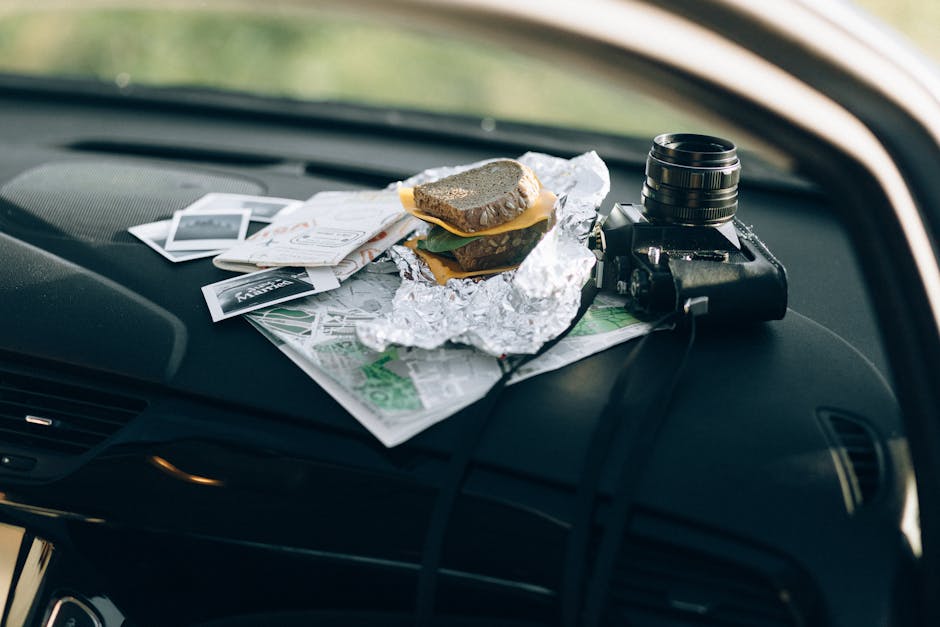
Preparation is power: allergy cards and an EpiPen in hand while exploring a vibrant foreign market.
✈️ Best time to visit: Year‑round, but research local cuisines before booking
💰 Estimated budget range: $500–$1,500/week (depending on destination and need for allergy‑friendly lodging)
⏱️ How long to spend: 5–7 days for a first trip to build confidence
🎯 Difficulty level: Moderate – requires planning, but absolutely doable
📍 Recommended season: Shoulder seasons (spring/fall) for fewer crowds and calm dining
👥 Best for: Solo travelers, couples, families with kids who have allergies, food‑adventure seekers
Introduction
I still remember the knot in my stomach as I landed in Marrakech, clutching a laminated card that read, in French and Arabic: “I have a severe shellfish allergy. Please do not use any shrimp stock, fish sauce, or shellfish in my food.” I was terrified. Would the server understand? Would they roll their eyes? Worse – would a hidden spoonful of fish paste land me in a Moroccan hospital? I’d read the blogs, packed two EpiPens, and even called the riad three times to confirm they could accommodate me. Still, every bite felt like a gamble.
Fast‑forward seven trips later, and I’ve eaten my way through a dozen countries with a dairy and shellfish allergy – from street tacos in Mexico City to pho in Hanoi. I’ve learned that traveling with food allergies isn’t about avoiding risk; it’s about managing it with confidence, a little creativity, and a lot of preparation. I’ve had meals that moved me to tears (for all the right reasons) and a few that made me sprint for the restroom, but I’ve never had a reaction that required an ambulance. That’s the goal.
This guide is not a generic list of “be careful” warnings. It’s my hard‑won playbook – born from mistakes, late‑night research, and conversations with chefs and doctors. If you’ve ever hesitated to book a trip because you’re allergic to peanuts, gluten, dairy, eggs, or something else, I’m here to tell you: you can do this. You just need the right tools, mindset, and a little insider know‑how. Let’s get into it.
The Essentials at a Glance
- 🆔 Get allergy cards in the local language – They’re your most powerful tool. Print at least five copies per trip.
- 💉 Carry two EpiPens at all times – One can fail. Always pack in carry‑on, never checked luggage.
- 🌾 Gluten‑free travelers: learn the local term for “wheat” – In Italy, senza glutine is widely understood; in Japan, it’s trickier – carry a card explaining cross‑contamination.
- 🍽️ Research “safe restaurants” before you go – Apps like Find Me Gluten Free or Allergy Eats can be goldmines (but always double‑check).
- 📞 Call accommodations directly – Don’t rely on booking.com notes. Speak to the chef or manager.
The Complete Guide
Why This Matters / Why You Should Go
I’m not going to sugar‑coat it: traveling with food allergies can feel exhausting. There’s the prep, the anxiety, the moment when you have to explain your condition to a waiter who doesn’t speak your language. But here’s the truth I’ve discovered: the more you travel, the more you build a resilience that goes beyond food. You learn to advocate for yourself. You find that people are generally kind and want to help. And you taste dishes you never thought you could safely enjoy – like a dairy‑free gelato in Florence made from rice milk, or a gluten‑free crepe in Paris that didn’t taste like cardboard.
This matters because food allergies should not shrink your world. They should make you a savvier, more engaged traveler. I’ve had chefs invite me into their kitchens to watch them cook my meal. I’ve had locals adopt me as their “allergy friend” and guide me to hidden gems. The world is full of people who care about what you eat – you just have to give them a chance to help. And when you pull off a safe, delicious meal in a foreign country, the feeling of triumph is unbeatable.
When to Visit (Seasonal Guide)
While food allergies don’t care about seasons, your experience will. I’ve found that traveling during shoulder seasons (April–May and September–October) is ideal. Restaurants are less frantic, chefs have more time to talk to you, and you’re not fighting for a reservation. In high summer, busy tourist spots can be a nightmare: waiters are rushed, communication gets sloppy, and the risk of cross‑contamination rises.
Winter can be great for places with strong food‑safety cultures (like Scandinavia or New Zealand) but avoid very remote areas where ingredient labels are in unfamiliar scripts and medical help is far. Spring and fall also give you the bonus of seasonal produce – think allergy‑friendly local markets where you can buy whole fruits, vegetables, and nuts (if you’re safe with those). Just be extra cautious in countries where street food is a major part of the culture, like Thailand or Vietnam; the heat and humidity can make accidental cross‑contact more likely.
Budget Breakdown
I’ll give you real numbers based on a 7‑day trip to a mid‑range European city like Barcelona (also a fantastic city for gluten‑free dining).
- Accommodation (low/mid/high): $50–$80/night for a hostel with kitchen access (cook your own meals) / $120–$200/night for a mid‑range apartment with a full kitchen / $300+/night for a hotel that offers allergy‑friendly room service.
- Food: $40–$70/day if you eat out for two meals and cook one / $100+/day if you eat at upscale “safe restaurants.”
- Activities: $20–$50/day (museums, walking tours, cooking classes).
- Transport: $30–$60 for airport transfers and local metro.
- Total estimated weekly cost: $700–$1,300 per person. The biggest money‑saving tip? Rent an apartment with a kitchen and visit local markets. You’ll control every ingredient.
Getting There & Getting Around
Flying with allergies requires strategy. I always call the airline 48 hours before to request a special meal (gluten‑free, dairy‑free, etc.) and tell them about my allergy. Some airlines will even bring you a sealed prepackaged meal. I also wipe down my tray table and seat area with a disinfectant wipe – you’d be amazed how many peanut residues linger from previous flights. Carry all medications and allergy cards in your personal item, not your checked bag. If you have a tree nut or peanut allergy, some airlines still serve them; ask the flight attendant if they can announce your allergy (they often will).
Once on the ground, navigate with Google Translate’s camera feature – point it at menu text to instantly translate ingredients. In many cities, apps like HappyCow (for vegan/veggie) and Find Me Gluten Free are lifesavers. I also recommend downloading offline maps and translating key phrases into the local language before you arrive.
Top Recommendations / Must‑Do Activities
1. Take a cooking class focused on your dietary needs. In Rome, I found a gluten‑free cooking class that taught me how to make pasta without wheat. The chef was so careful, she showed me the package of gluten‑free flour and let me watch every step. It cost $85 for a half‑day, and I left feeling empowered, not scared.
2. Visit a local farmers market. In Mexico City, I bought heirloom tomatoes, avocados, and fresh corn tortillas (naturally gluten‑free if you ask about cross‑contamination). It was the safest, most delicious lunch of my trip.
3. Go to a “safe restaurant” that’s famous for its allergy protocols. Places like Positively 4th Street in Portland (dedicated gluten‑free facility) or Ritrovino in Italy (known for catering to celiacs) are destinations in themselves. Call ahead for a reservation and mention your allergy. I’ve had multi‑course meals that were entirely dairy‑free and shellfish‑free – a rare luxury.
4. Explore a city’s “allergy‑friendly” food tour. Companies like Intrepid Travel and local food tour operators now offer dedicated tours for food allergy travelers. In London, I joined a “Free From” food tour that visited four restaurants, each specializing in gluten‑free, dairy‑free, or nut‑free cuisine. It cost £60 and was worth every penny.
Downsides? These activities can be pricier than generic tours, and they require advance booking. But the peace of mind is priceless.
Traveler’s Pro Tips
Tip 1: Learn to say “I have a severe allergy to …” in three languages: Your own, the country’s official language, and English (as a backup). Practice the pronunciation until it’s natural. In a crisis, you want to be able to say it clearly, not fumble for a card.
Tip 2: Pack a “emergency snack bag” with safe protein bars, nuts (if allowed), and dried fruit. I once got stuck in a small village in Peru where the only food was ceviche (shellfish) and soy‑sauced stir‑fry. My snack bag saved me from hunger and panic.
Tip 3: Use social media to crowdsource safe restaurants. Search Instagram or Facebook groups like “Allergy Travelers” or “Gluten Free Travel” with your destination name. I once found a little bakery in Lisbon that made dairy‑free pastries thanks to a local blogger’s post – it wasn’t listed on any mainstream apps.
Tip 4: Always carry a printed copy of your allergy card, even if you have it on your phone. Phones die, batteries run out. I laminate a few cards and keep one in my wallet, one in my daypack, and one with my EpiPen.
Tip 5: Ask the restaurant to write your order down. I once told a waiter I was allergic to dairy, and he forgot – but when I asked him to write it on the ticket, the chef saw it. Always ask for written confirmation.
Common Mistakes to Avoid
Mistake 1: Assuming “gluten‑free” on a menu means it’s safe for celiacs. I made this mistake in a cute café in Prague – the “gluten‑free” crepe was cooked on the same griddle as regular crepes. I spent the rest of the day curled up in pain. How to avoid: Always ask, “Is there a separate cooking area?” and “Can you use clean utensils?”
Mistake 2: Not having a backup plan for your EpiPen. I once packed my EpiPen in my checked bag. The airline lost it. I had to buy a new one at a pharmacy in London, which cost a fortune. How to avoid: Keep it on your body (jacket pocket is best) and have a second one in your partner’s or travel mate’s bag.
Mistake 3: Trusting a card without testing it. I gave a restaurant my allergy card in a small town in Greece, and the owner just nodded. My food arrived covered in feta cheese. He later admitted he couldn’t read English. How to avoid: Show the card and ask the server to read it back to you in their language.
Mistake 4: Forgetting that cross‑contamination can happen in kitchens you can’t see. That “allergy‑friendly” hotel kitchen may use the same fryer for everything. Consequence: A reaction from hidden breading or dairy. How to avoid: Ask about fryer sharing and shared cutting boards.
Your Travel Checklist
- 📄 Documents: Printed allergy cards (at least 5), a doctor’s letter confirming your allergy (translated), travel insurance with allergy‑related coverage, and a copy of your EpiPen prescription.
- 🎒 Packing: Two EpiPens (in carry‑on), antihistamines (liquid and tablet), emergency snack bag, small cutting board and knife (if you plan to cook), wet wipes for surfaces.
- 🔍 Research: Save offline Google Maps with “safe restaurants” pinned, download translation apps, look up local emergency numbers.
- 📅 Bookings: Call accommodations and at least 2–3 restaurants to confirm they can accommodate you. Book a cooking class or food tour in advance.
- 💰 Local currency: Have enough cash for small food stands – some may not take cards.
- 📱 Apps: Find Me Gluten Free, Allergy Eats, HappyCow, Google Translate (with offline pack), and a note‑taking app for your food diary.
Traveler FAQ
Q: Can I travel if I have a severe nut allergy to countries where nuts are common in cuisine?
A: Absolutely. I’ve traveled safely through Thailand (which uses peanuts heavily) by carrying cards that specifically said “no peanuts, no peanut oil, no tree nuts.” I also stuck to restaurants that had English menus and spoke directly to the chef. Just be extra vigilant and never eat at buffets.
Q: Are allergy cards reliable?
A: They are when they’re well‑made and tested. I recommend having them translated by a native speaker (not just Google Translate) and including a simple drawing of the allergen if possible. Show them to the chef, not just the waiter.
Q: What should I do if I have a reaction abroad?
A: Use your EpiPen immediately if you have trouble breathing, swelling in the throat, or dizziness. Then call local emergency services (know the number for the country you’re in). Always carry travel insurance that covers emergency medical transport.
Q: Is it safe to eat street food with allergies?
A: It can be, but only if you can watch the food being prepared from scratch and communicate clearly. I’ve enjoyed safe street food in Mexico and Vietnam, but in Southeast Asia, I avoid wet markets and only eat from stalls where I can see the ingredients.
Q: How do I find safe restaurants in a new city?
A: Use apps like Find Me Gluten Free, Allergy Eats, and local Facebook groups. Also, search for “allergy friendly [city name]” on Instagram. Before I go, I always email or call at least three restaurants to ask. Word of mouth from hotel concierges can be surprisingly reliable too – just explain your allergy clearly.
Ready for Your Adventure?
I won’t pretend that traveling with food allergies is easy. It takes more time, more planning, and more money than a carefree trip where you can eat anything. But I’ve sat at dinner tables in a dozen countries, raising a glass (of safe, dairy‑free wine) and feeling an immense sense of freedom. The planning becomes a ritual. The anxiety fades with each successful meal. And the experiences – tasting a perfectly safe, handmade pasta in Rome or sharing an allergy‑friendly meal with new friends in a Tokyo izakaya – are moments of pure joy that no allergy can ruin.
You have the knowledge now. The cards, the EpiPens, the questions to ask. The world is wide, and it’s waiting to feed you – safely. So book that trip. Pack your allergies as part of the adventure. And when you take that first safe bite in a new place, text me. I’ll be cheering for you from wherever my next meal takes me.


No comments:
Post a Comment