Why Herding 15 Friends Through Morocco Was the Best Chaos I Ever Planned — and How You Can Do It, Too
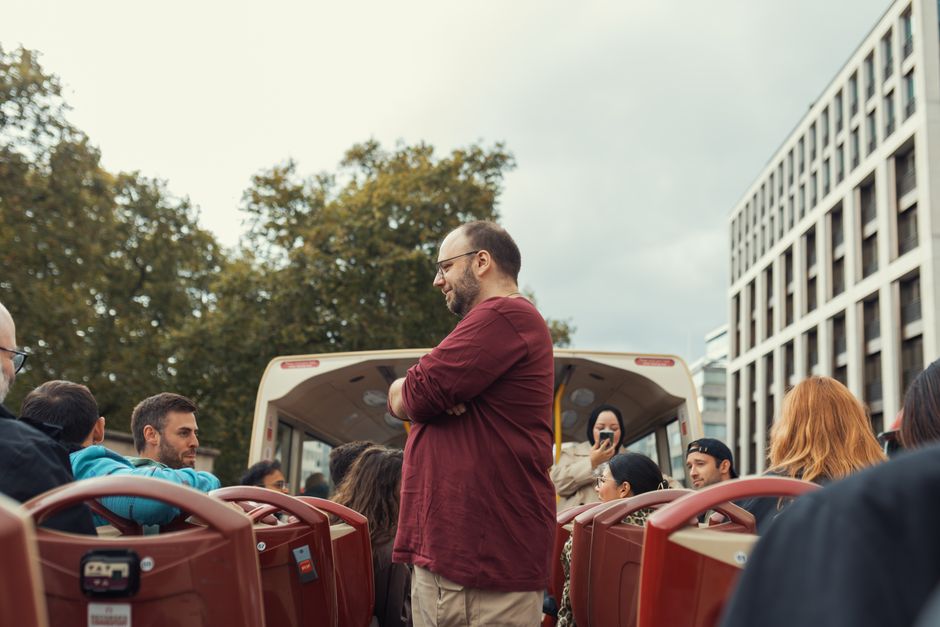
A group of ten travelers navigating a vibrant Moroccan souk — proof that organized chaos can be unforgettable.
✈️ Best time to visit: Spring (March–May) or Fall (September–November) for mild weather and fewer crowds.
💰 Estimated budget range: $1,200–$2,500 per person for a week-long trip (flights excluded; includes shared accommodation, meals, transport, and activities).
⏱️ How long to spend: 7–10 days to balance depth with group cohesion.
🎯 Difficulty level: Moderate — requires planning and compromise, but not extreme logistics.
📍 Recommended season: Shoulder seasons (Spring/Fall) for the best balance of price and comfort.
👥 Best for: Friend groups, extended families, corporate retreats, wedding parties, and any crew with a shared sense of adventure.
Introduction
I remember the exact moment I knew our group trip to Morocco would either be a legendary success or a glorious disaster: it was 7:15 AM in the Marrakech medina, and I was counting heads for the third time. Fifteen friends, two missing, one yelling about a lost phone, and a local guide who looked like he’d seen this exact scenario a thousand times. By the end of the week, we’d huddled over tagines in the Atlas Mountains, lost a pair of sunglasses to a camel, and discovered that the secret to group travel isn’t perfect planning — it’s knowing how to bend without breaking.
I’ve organized trips for groups ranging from ten to twenty people across four continents: a crowded hostel in Barcelona, a rented villa in Tuscany, and a road trip through the Scottish Highlands. I’m not a professional travel planner — just a friend who got tired of waiting for someone else to figure it out. What I learned through trial, error, and a few arguments over restaurant choices is what I’m sharing here. This guide covers everything from booking accommodation that won’t break the bank to building itineraries that leave room for spontaneity. If you have a group of ten or more and a dream destination, you can make it work without losing your mind — or your friends.
The Essentials at a Glance
- 🗓️ Book everything 3–4 months ahead — group availability shrinks fast, especially for popular spots like riads or Airbnb houses.
- 💬 Use a single communication channel (WhatsApp or Slack) for updates, payments, and decisions — avoid the group text chain chaos.
- 🚌 Hire a private driver or van for day trips — it’s often cheaper per person than individual taxis and saves the headache of coordinating public transport.
- 🍽️ Pre-book dinners for large parties — many restaurants cannot accommodate a walk-in group of 12+ without advance notice.
- 💰 Collect a "group fund" upfront — $50–$100 per person covers shared costs like tips, groceries, and unexpected emergencies without chasing people later.
The Complete Guide
Why This Matters / Why You Should Go
Traveling with a large group isn’t just a vacation — it’s an experiment in collective joy. When you’re with ten or more people, the energy shifts. You get inside jokes that last for years, shared sunsets that feel cinematic, and a sense of safety in numbers that solo travel rarely provides. But here’s the honest part: it’s also a logistics puzzle that can test friendships if you don’t plan ahead. I’ve seen groups fall apart over something as small as having to split into two tables at dinner.
What makes a large group trip worth it is the moments you can’t replicate: the spontaneous dance party in a rented villa kitchen, the collective gasp when you round a corner and see the Grand Canyon, or the way a dozen voices can turn a simple campfire song into a memory. This guide is for anyone who wants to capture those moments without the stress of constant arguments or financial surprises. It’s about finding the sweet spot between structure and freedom, and it’s built on real experience — including the failures that taught me the most.
When to Visit (Seasonal Guide)
Timing matters more for groups because you’re multiplying every inconvenience by ten. For my Morocco trip, we went in late March. The weather was warm but not scorching — high 70s Fahrenheit in Marrakech, cooler in the mountains. Spring and fall are generally ideal for most destinations: crowds are manageable, accommodation prices haven’t peaked yet, and you avoid extreme heat or cold.
Summer (June–August) works if you’re heading to a beach or mountain destination where heat is part of the fun, but be prepared for higher prices and book early. Winter (December–February) can be great for ski trips or warm escapes like the Caribbean, but shorter daylight hours mean you have less time for group activities. The biggest lesson: avoid major holidays or festivals unless your whole group is committed to the chaos. My group accidentally overlapped with a local music festival in Essaouira, and while it was magical, we couldn’t find a restaurant table for twelve anywhere near the main square.
Budget Breakdown
Here’s the honest math from our Morocco trip for 15 people over 8 days (excluding flights):
- Accommodation: We split three riads in Marrakech and a rented house in the Atlas Mountains. Total per person: $220 for 7 nights. That’s roughly $31/night per person — impossible to find for a solo traveler in the same quality.
- Meals: We ate a mix of street food (lunch), restaurants (dinner), and grocery runs (breakfast). Average: $30–$40 per day per person. Group dinners at a mid-range restaurant cost us about $18 per head including drinks.
- Transport: We hired a private minibus for three day trips ($50 per person total) and used petit taxis within the city ($3–$5 per trip for up to three people).
- Activities: Guided tours of the medina, a cooking class, and a day in the Ourika Valley — $80 per person total.
- Daily total: Around $60–$80 per person per day including everything but souvenirs. For a 7-day trip, budget $420–$560 per person plus flights (which vary wildly). Money-saving tip: cook breakfast in your rental, buy snacks in bulk from a local market, and always ask about group discounts for tours — you can often negotiate 10–20% off for 10 people or more.
Getting There & Getting Around
For international groups, flying into a major hub is usually the easiest. We all arrived at Marrakech Menara Airport on different flights from Europe and the US, and I’d arranged a pre-booked shuttle van ($8 per person for the 20-minute ride to the medina). Pro tip: book a transfer service that tracks flight numbers — our driver waited an extra hour for a delayed friend without extra charge.
Once you’re at your destination, think about how your group will move together. In cities, I recommend using a combination of public transport (if it’s simple and safe) and ride-hailing apps. In Marrakech, we used the Careem app for larger groups — you can request a van that fits 6 people for about $5–$8 per ride. For day trips, always book a private minibus or driver through a reputable company. We used a local agency recommended by our riad owner for a trip to the Atlas Mountains (8 hours, including driver and fuel — $120 total for 15 people). Avoid trying to coordinate multiple taxis; someone always gets lost or overcharged.
Top Recommendations / Must-Do Activities
These are the activities that worked uniquely well for our large group, and the ones I’d book again without hesitation:
- Private Walking Tour of the Marrakech Medina (2 hours, $15 per person): Our guide, Ahmed, navigated us through the labyrinthine alleys without losing anyone — a feat I still respect. He pointed out hidden courtyards and family-run workshops that we’d have missed on our own. Insider tip: ask for a guide who speaks your group’s language fluently and is comfortable with a large group; some guides limit their group size to 10.
- Group Cooking Class at La Maison Arabe (half-day, $45 per person): We cooked tagine and couscous in teams of three. The kitchen setup allowed us to work side by side, and at the end we ate together on a rooftop terrace. Downside: the class was slightly crowded with 15 people — ask in advance if they can split into smaller groups for hands-on parts.
- Atlas Mountains Day Trip to Ourika Valley (full day, $20 per person transport + $10 guide): The highlight was stopping at a Berber house for mint tea and seeing a waterfall. The group loved the mix of hiking and culture. Warning: the drive has winding mountain roads — pack motion sickness meds if anyone gets queasy.
- Sunset at Jemaa el-Fnaa Square: It’s touristy, yes, but watching the square come alive with food stalls, musicians, and storytellers while sipping orange juice from a street vendor is pure magic. The energy is infectious, and for a big group, it’s a great place to split up and reunite later.
Traveler’s Pro Tips
These are tips I learned the hard way, so you don’t have to:
1. The "Two-Table Rule" for restaurants: When booking dinner for 10+ people, always ask if they can seat you at two tables near each other rather than one long table. Long tables make conversation impossible — people only talk to the person on either side. Two tables of six or seven means better conversation and a more natural flow. I learned this after a painfully quiet dinner where the ends of the table couldn’t hear each other.
2. Assign one "navigator" per day: Rotate the role each morning. That person is responsible for checking the map, counting heads at stops, and making sure the group knows the next move. It takes the pressure off you and gives everyone a sense of ownership. We used a colored bandana as a "navigator flag" — it sounds silly, but it worked.
3. Pack a "group first-aid kit" beyond basics: Include motion sickness pills, electrolyte packets, aloe vera for sunburns, and a small sewing kit. Someone will inevitably need them. Our group’s hero was a tube of diaper rash cream — we used it for a nasty blister on a long hike.
4. Pre-load a digital map with pins: Before your trip, drop pins on Google Maps for your accommodation, recommended restaurants, grocery stores, pharmacies, and meeting points. Share the map link with the group. It saved us countless times when someone got separated in the medina.
5. Build in "off duty" time: Not every moment needs to be group activity. A few hours of solo or small-group exploration means people recharge and come back happier. We made a rule: no official activities after 3 PM on two afternoons — everyone did their own thing and met for dinner. It reduced friction dramatically.
Common Mistakes to Avoid
Mistake 1: Not collecting money upfront. I once fronted a group hostel booking and spent the first two days of a trip chasing payments. It put a cloud over otherwise great days. How to avoid it: Use a platform like Splitwise or PayPal to request partial payments before departure. Collect a deposit at the booking stage, and set a hard deadline for the final amount. The consequence if you don’t: resentment and awkward conversations.
Mistake 2: Overplanning every hour. One trip I created a minute-by-minute itinerary that left no room for spontaneous market finds or a second round of coffee. By day three, people were exhausted and cranky. How to avoid it: Plan one major activity per day (morning or afternoon) and leave the rest as "optional," with recommended options. Let the group vote on a backup plan the night before.
Mistake 3: Ignoring dietary restrictions. I assumed everyone was fine with eating everything, until a vegetarian friend ate bread for three days because we kept choosing meat-heavy restaurants. How to avoid it: Ask each person in advance about allergies, restrictions, and preferences. Use a shared spreadsheet and check it when booking dinners. The consequence: hungry, unhappy travelers.
Mistake 4: Assuming one person will love every activity. Some people hate guided tours. Others don’t want to hike. I learned to offer a "choose your own adventure" option for at least one day, where smaller groups split off based on interests. It sounds like extra work, but it keeps the peace.
Your Travel Checklist
Documents: Passports (check expiration dates 6+ months out), printed copies of flight confirmations, accommodation booking codes, and travel insurance info. Group tip: share a single folder in Google Drive with all documents.
Packing: Reusable water bottle (group hydration is a thing), power bank (shared charging in group spaces is a lifesaver), foldable daypack, universal adapter, and a small notebook for journaling or jotting down group decisions. Pack light — you’ll be moving together, and lugging giant suitcases slows everyone down.
Research/Bookings: Confirm all bookings 2 weeks before departure. Download offline maps of your destination. Make a list of emergency contacts: local police, nearest hospital, and your embassy.
Health/Safety: Group first-aid kit (see pro tips), any prescription meds with a copy of the prescription, hand sanitizer, and sunscreen. If you’re traveling to a country with different health standards, check if anyone needs vaccines or malaria pills.
Local Currency: Carry some cash in the local currency — not everyone has a credit card with no foreign fees, and splitting one meal using three cards is awkward. Agree on a group cash fund for tips and small purchases.
Apps: Splitwise (track expenses), WhatsApp (group chat), Google Maps (offline saves), and a language app like Duolingo or Google Translate for basic phrases.
Traveler FAQ
Q: How do we decide on a destination that everyone will like?
A: Start with a shortlist of three destinations, then have everyone rank them in a poll. Accept that not everyone will get their first choice — that’s okay. The key is transparency. I’ve found that a shared spreadsheet where people note "musts" (beach, hiking, museums) narrows it down fast.
Q: What’s the best way to split costs among 10+ people?
A: Use Splitwise religiously — it lets you track who paid for what and splits automatically. For shared costs like accommodation and meals, collect a single payment per person upfront into a group fund. Then one person pays for everything with a credit card and gets reimbursed. This avoids the "I paid for the taxi but you paid for the water" confusion.
Q: How do we handle people with different budgets?
A: Be upfront about the budget range during the planning stage. Offer at least one free or very cheap activity each day (like a park picnic or a free walking tour) so no one feels excluded. Also, consider booking accommodation with a mix of private rooms and shared dorms or larger rooms to offer price tiers.
Q: Is it better to book a tour company for a large group?
A: For some destinations, yes — like a guided safari or a multi-day trek. But for city trips, it’s usually cheaper and more flexible to plan yourselves. We’ve booked single-day guided tours locally (like the cooking class) while handling the rest on our own. Tour companies can be good for accountability, but they often add a markup of 30–50%.
Q: What do we do if someone wants to opt out of a planned activity?
A: Make opt-outs easy and judgment-free. Designate a "floater" person or a small group for each activity who can do something else — go to a café, explore a neighborhood, or nap. Have them check in via the group chat if they’re splitting off. The trip is about shared experience, not mandatory attendance.
Ready for Your Adventure?
Planning a trip for ten or more people is like conducting an orchestra — you’re not playing every instrument, you’re just making sure everyone starts at the same time and ends on the same note. You’ll face hiccups: a lost reservation, a delayed flight, a disagreement about which restaurant to choose. But those small hiccups are the ones that become the stories you tell at reunions. The reward — arriving at a sunset viewpoint and hearing fifteen voices gasp in unison, sharing a meal where every person at the table is laughing — is worth every spreadsheet and early-morning text.
If you’re hesitating because it feels too complicated: start small. Plan a weekend trip with a smaller subgroup first. Use the tools I’ve listed — the budget breakdowns, the money apps, the communication strategies. And remember: the goal isn’t perfection. It’s making sure that everyone, including you, comes home with more than just photos. So pick a date, send the invite, and start the group chat. The world is waiting for your crew.


No comments:
Post a Comment