Why Visiting the Salar de Uyuni Will Rewire How You See the World
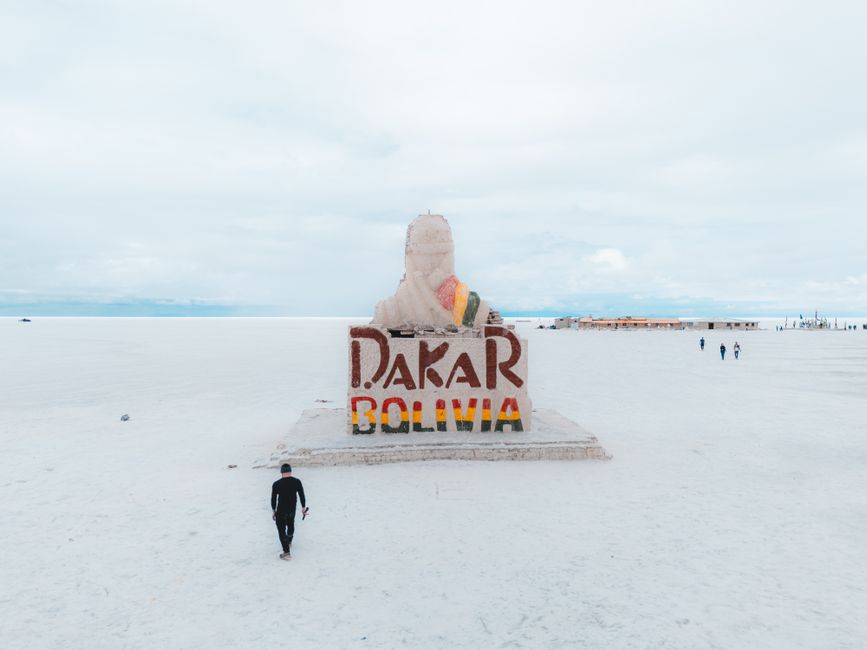
The Salar de Uyuni at dawn — a mirror to the heavens during the reflective season.
Quick Stats:
✈️ Best time to visit: April–October (dry season for salt patterns) or January–March (reflective season for mirror lakes)
💰 Estimated budget: $250–$500 for a 3-day jeep tour (all-inclusive); $30–$80/night for accommodation in Uyuni town
⏱️ How long to spend: 3–5 days (3-day salt flat + lagoon circuit is the sweet spot)
🎯 Difficulty level: Moderate (high altitude: 3,656m / 12,000ft at the flats; up to 5,000m on the circuit)
📍 Recommended season: March (end of rain, start of drying — best of both worlds)
👥 Best for: Solo adventurers, couples seeking otherworldly romance, and photo-obsessed travelers
Introduction
The first time the jeep crested a small rise on the gravel road southwest of Uyuni town, my breath caught in a way that had nothing to do with the altitude. The horizon dissolved. Salt stretched to infinity, a white pane so vast it seemed the planet had been erased and replaced with a page waiting to be written. And then the sky — oh, the sky — reflected back from a thin film of water on the salt crust, so perfectly that the jeep appeared to float through a cloud kingdom. I’d read the travel blogs, seen the Instagram reels, and heard the hype. But standing there, I realized no camera can capture the disorienting, humbling silence of the Salar de Uyuni. It doesn’t just look like another planet — it convinces you that maybe the Earth, in its deepest strangeness, is more beautiful than any fiction.
I’ve spent the last six years leading adventure groups across South America and have traversed Bolivia’s salt flats four times — in drought, flood, and the sweet spot between. I’ve slept on the salt under a blanket of stars, negotiated with tour operators in Spanglish, and eaten llama jerky when the kitchen ran out of options. This guide is built from those real, unfiltered experiences: the jeep breakdowns, the perfect sunsets, and the moments I wished someone had warned me. By the end, you’ll know exactly how to plan your trip — from the reflective season’s magic to the practical grit of stargazing at 12,000 feet.
The Essentials at a Glance
- 🌐 Book early during reflective season: January–March sees heavy demand for jeep tours; reserve at least 2 weeks ahead via your hostel or a reputable Uyuni agency.
- 🌡️ Pack for four seasons in one day: Morning sun burns, afternoon winds cut, and nights drop below freezing — thermal layers and a windproof jacket are non‑negotiable.
- 📸 Bring a tripod and a polarizing filter: The mirror reflection shots need slow shutter speeds; the filter cuts glare in the midday salt glare.
- 💧 Hydrate like it’s your job: Altitude + dry salt air = headaches. Aim for 4+ liters of water daily, and skip alcohol until after the tour.
- 💲 Pay in bolivianos, not dollars: Most tours quote in bolivianos; withdrawing from local ATMs saves you 5–10% over exchange houses in town.
The Complete Guide
Why This Matters / Why You Should Go
The Salar de Uyuni isn’t just a big white flat. It’s the world’s largest salt flat at 10,582 square kilometers — larger than Jamaica. But size alone doesn’t explain the deep pull it exerts. The Salar is a natural mirror when the rainy season floods its crust, turning the sky into a perfect reflection. It’s a prehistoric lake bed where you can see dinosaur footprints. It’s a lithium reserve that powers the electric vehicle revolution. And it’s a place where the rules of perspective break — objects in the distance look tiny or huge depending on where you stand, making for those wacky forced‑perspective photos you’ve seen.
Who is it for? Not just photographers. This place is for anyone who wants to feel small in the face of nature, for hikers who enjoy the high‑altitude lagoon circuit (including Laguna Colorada’s red waters and flamingos), and for stargazers — the Southern Hemisphere’s Milky Way is a ribbon of light here, far from any city glow. My first night camping on the salt, I lay in my bag and watched satellites crawl like slow sparks. Our guide told us the Aymara people believe the Salar is a mirror that connects the earth to the sky. I believed him.
When to Visit (Seasonal Guide)
The Salar has two dramatic seasons, and each offers a completely different experience.
Reflective Season (January–March): The heavy rains flood the flats with 5–30 cm of water, creating the iconic mirror effect. This is the most photogenic time — sunrise and sunset turn the world into liquid color. Pros: surreal reflections, fewer tourists (but it’s getting more popular). Cons: some areas are inaccessible; jeeps can get stuck in mud; camping on the salt is often canceled due to water. The best month is March, when rains taper but water remains, and the salt crust is firm enough for driving.
Dry Season (April–October): The salt dries into geometric hexagon patterns — a photographer’s dream for texture and scale. Pros: easy access to all sites, clearer stargazing (no clouds), comfortable temperatures during day. Cons: no mirror effect; midday sun is brutal (UV index 11+). Stats: average daytime temp 22°C, nighttime drops to -5°C. Crowds peak in July and August, so book jeep tours early.
Shoulder Season (November–December): Unpredictable — some days dry, some thunderstorms. You might get both patterns and a few puddles. Fewer tourists, cheaper tours. My personal favorite was a November trip when we saw the hexagons in the morning and a shallow mirror by afternoon.
Budget Breakdown
Bolivia is one of South America’s most affordable destinations, but a Salar de Uyuni tour (especially the multi‑day circuit) can eat into your budget if you’re not careful.
Jeep Tour (3 days, 2 nights) — The Real Cost: Private tours with English‑speaking guides and better food cost $350–$500 per person. Shared (6‑person jeep) tours range from $150–$250. I’ve done both, and the private tour’s flexibility — stopping for that perfect reflection without six people sighing — is worth the premium. All tours include basic accommodation, meals, and park fees.
Accommodation in Uyuni: Hostels: $10–$20/night (basic but clean, e.g., Hostal Jardines). Mid‑range: $30–$50 (Hotel Avenida, with heating). High‑end: $60–$80 (Hotel Maria Victoria, with Jacuzzi). I recommend the mid‑range for comfort before and after the tour’s rough nights.
Food & Drink: Local lunch in Uyuni: $3–$5 for salteñas or a full set lunch. Dinner at a tourist restaurant: $8–$15. Beer in a store: $1.50; in a bar: $3.
Transport (Getting to Uyuni): Bus from La Paz: $25–$35 (12 hours, overnight). Flight from La Paz to Uyuni (Aerocon): $80–$120 one way (1 hour). I flew to save time; the bus is an authentic Bolivian experience but exhausting.
Money‑Saving Tips: Join a shared tour from Uyuni town’s main street (Avenida Ferroviaria) — haggling is expected, but don’t go below $150 for 3 days; quality drops. Bring snacks (nuts, dried fruit) from La Paz. Avoid buying water at every stop — filter bottles are available.
Getting There & Getting Around
Most visitors fly or bus to Uyuni town (the gateway). From La Paz (355 km, 9–12 hours by bus), overnight buses are comfortable with reclining seats and blankets — Todo Turismo or Trans Omar are reliable ($28–$35). Flights from La Paz’s El Alto airport to Uyuni’s tiny runway take about an hour (Aerocon runs daily; book on their website for $80–$120).
Once in Uyuni, you’ll book a jeep tour. Do NOT try to navigate the salt flat yourself — GPS fails on the white expanse, and without local knowledge, you’ll get lost within an hour. All tours start from Uyuni. The classic route is the 3‑day Salar de Uyuni + Laguna Circuit: Day 1 visits the salt flats, fish island (Incahuasi), and a salt hotel. Day 2 drives southwest to the lagoon cluster (Laguna Colorada, Laguna Verde) at 4,300m‑5,000m altitude. Day 3 returns via the Sol de Mañana geysers and hot springs. A shorter 1‑day tour ($40–$60) just covers the salt flats and returns to Uyuni by evening — good if you’re pressed for time.
Insider note: Always check your jeep’s condition before departing. Look for spare tires, working brakes, and a functioning heater (nights at 4,000m+ are freezing). One tour I took had a broken suspension; the driver fixed it with rope and prayer.
Top Recommendations / Must‑Do Activities
1. Sunrise on the Salt Flat from Incahuasi Island: A 20‑minute hike up this cactus‑covered island (a former coral reef) gives a 360° vista of the salt expanse. The sunrise colors (pink, orange, deep purple) reflect off the wet crust. Go at 6:00 AM — crowds thin and the light is divine. Incahuasi has thousands of 10‑meter‑tall cacti; some are over 1,200 years old.
2. Stargazing and Night Photography: My most transcendent experience. During the dry season, book a tour that includes camping on the salt (many do). Bring a headlamp (red mode to preserve night vision), a warm sleeping bag (rated to -10°C), and a camera with a wide‑angle lens. The Milky Way is so bright you can read a book by it. Pro tip: Wait until 2:00 AM for the moon to set — the sky becomes a black canvas for stars.
3. The Forced‑Perspective Photo Session: Yes, it’s touristy. Yes, you should do it. Our guide positioned us so that I appeared to be holding a dinosaur skeleton (made from salt) in my palm. The trick: a camera with manual focus, consistent aperture (f/8–f/11), and a subject 10 meters behind the foreground object. Best light is golden hour (6:30–7:30 AM, 4:30–5:30 PM). Negative side: some guides rush it. Negotiate time — 30 minutes minimum.
4. Laguna Colorada at Sunset: A shallow, red‑tinted lake (due to algae and minerals) at 4,278m. Flamingos feed here by the hundred. The color is otherworldly — crimson under a blue‑pink sky. It’s a 2‑hour drive from the salt flat, so only included in multi‑day tours. The crowd gets thick around 5 PM; I recommend staying late — walk 500 meters from the viewpoint to a quieter shore.
5. The Train Cemetery: On the first day of the tour, you’ll stop at Uyuni’s outskirts where rusted steam engines rot in the desert. Built by the British in the early 1900s, they were abandoned when mining declined. Climbing inside is allowed (watch your head — sharp metal). At sunrise, the light filters through the skeletal frames. Negative: some tourists treat it like a playground; respect the history.
Traveler’s Pro Tips
Altitude acclimatize before arriving: Uyuni sits at 3,656m, and the circuit reaches 5,000m. Spend 2–3 days in La Paz (3,640m) or a day in Uyuni town before the tour. Drink coca tea, avoid overexertion. Symptoms of altitude sickness (headache, nausea) hit our group — we lost half a day waiting for a member recover.
Bring duct tape and a dry bag: The salt is corrosive — fine white dust gets into every zipper and lens. A dry bag protects your camera from rain and salt spray. Duct tape fixes broken jeep window seals and secures tent flaps against the wind (trust me, it’s crucial).
Learn 5 phrases in Spanish: “¿Dónde está el baño?” (Where is the bathroom), “Más despacio, por favor” (Slower, please), “¿Cuánto cuesta?” (How much?). English is not widely spoken outside tourist agencies. One night, I had to negotiate a roadside repair for a flat tire using hand gestures and “más rápido.”
Buy a SIM card in La Paz (Entel or Tigo): Coverage on the salt flats is zero after 20 km from Uyuni. But in town, a local SIM (about $5 with 1GB) lets you call your tour agency if plans change or you need to send an emergency message.
Pre‑hydrate with electrolyte packets: Pure water isn’t enough at altitude. I packed Nuun tablets — they dissolve in water and prevent the salt‑induced dehydration that caused a migraine on my first trip.
Common Mistakes to Avoid
Mistake 1: Booking the cheapest tour without checking the vehicle. A $130 tour from a street hawker in Uyuni looks tempting. The jeep will be a 20‑year‑old Land Cruiser with bald tires, no heating, and a driver who’s been awake for 18 hours. Result: you freeze, break down, and miss sunrise. Solution: book through a reputable agency (e.g., Salty Desert Tours or Red Planet) or at a hostel with good reviews. Pay 20% more for reliability.
Mistake 2: Underestimating the cold at night. I brought a 3‑season sleeping bag rated to 0°C. At 4,300m, the temperature dropped to -8°C. I lay shivering until the gas heater in the salt hotel (barely) kicked on. Avoid: Bring a liner and thermals, or rent a sleeping bag in Uyuni ($5/night) — but check its condition first. Down is better than synthetic at altitude.
Mistake 3: Not bringing enough cash (bolivianos) for tips and small vendors. ATMs in Uyuni run out of cash by 10 AM. There are no card payments on the tour — for tips (guide gets 20–40 Bs per day, driver 10–20), entrance fees (5–15 Bs), and snacks. I had to skip a post‑tour hot springs visit because I was out of cash. Withdraw in La Paz or at Uyuni’s Banco Mercantil early.
Mistake 4: Relying only on your smartphone for navigation. The salt flat has no landmarks. One solo traveler I met tried to drive her rented ATV on her own with Google Maps. She ended up 30 km off‑route with zero signal. Never go without a local guide or a pre‑paid GPS device (rent one in Uyuni for $10/day). The Aymara people have lived here for centuries — trust their knowledge.
Your Travel Checklist
Documents: Passport (original + photocopy), travel insurance (with high‑altitude coverage up to 5,000m), printed tour confirmation.
Packing: Thermal base layers, fleece or down jacket, windproof shell, waterproof pants (for reflective season), hat and gloves (to -10°C), sturdy walking shoes (for Incahuasi), sunglasses (UV 400), headlamp with red light.
Equipment: DSLR or mirrorless camera with wide‑angle lens (16‑35mm), tripod (lightweight carbon fiber), polarizing filter, extra batteries (cold drains them fast), memory cards (64GB+).
Health: Altitude sickness pills (acetazolamide) — consult your doctor 2 weeks before; Diamox gives side effects (tingling in fingers, metallic taste) but works; diarrhea meds (loperamide); hand sanitizer.
Local: Bolivianos in small denominations (10s and 20s), a small phrasebook, a reusable water bottle with filter (like a LifeStraw Go).
Tech: Download offline maps (Maps.me, with Bolivia map downloaded), a portable power bank (20,000mAh), a universal travel adapter (Bolivia uses Type A and C, 110V/220V).
Traveler FAQ
Q: Is it safe to travel to the Salar de Uyuni right now?
A: Yes, overall it’s safe. The main dangers are altitude‑related (take it slow) and road accidents (choose a well‑maintained jeep). Uyuni town has occasional protests (political, 2023 had a few disruptions) — check local news from the Bolivian Tourism Office (linked below) a week before. I’ve never felt unsafe, but avoid walking alone at night in the town’s outskirts.
Q: Do I need a visa to enter Bolivia for the salt flats?
A: It depends on your nationality. USA, Australian, and Canadian citizens need a visa (obtained online or at the border, $160 USD — bring a passport photo and printed form). EU, UK, and most Latin American countries are visa‑free for up to 90 days as tourists. Check the official Bolivian immigration website (Dirección General de Migración) for updates.
Q: Can I see the mirror effect in July?
A: Only if there’s an unusual rain event (rare). July is deep in the dry season — the salt is bone‑dry and cracked into hexagons. The mirror effect is exclusive to January–March. If you go in July, you’ll get amazing star photography and clear views, but the reflective photos require a wet Salar. Plan accordingly.
Q: How much does a 3‑day jeep tour really cost?
A: Shared tours start at $150–$200 per person (including meals, accommodation, and park fees). Private tours (solo or couple) cost $350–$500. Expect to pay $10–$20 extra for entrance to hot springs and the salt hotel (not always included). Hiding a good tip (30–50 Bs per person for the guide) is customary for great service.
Q: What should I wear for stargazing on the salt flat?
A: Layer like you’re going to Antarctica. Base: merino wool thermal top and bottom. Mid: fleece jacket + down vest. Outer: windproof down parka (rated to -15°C). Bottom: insulated pants over thermals. Feet: thick wool socks + insulated boots. Head: fleece balaclava and a beanie. The wind is the killer — it cuts through any gap. I used a neck gaiter to breathe warm air. Hand warmers (the chemical type) saved my fingertips.
Ready for Your Adventure?
The Salar de Uyuni is not a place you see; it’s a place you feel in your bones, your lungs, and your sense of wonder. It will test you — with altitude, with cold, with the sheer strangeness of a landscape that feels like an alien’s living room. But it will reward you with moments so pure they recalibrate your sense of beauty: a single drop of light on the salt at 5 AM, the sound of your own breathing as you stand alone under 10 million stars, the laughter of your tour group when the jeep stalls and you all push it out of a puddle together.
If you’re hesitating because of the logistics or the cost — I get it. Bolivia isn’t the easiest destination. But I promise you this: every discomfort dissolves the moment you step onto the salt and the horizon falls away. The Salar doesn’t ask for much — just that you show up with an open mind, a warm jacket, and a willingness to be amazed.
Start planning now. Book your tour, pack your thermals, and prepare to see the Earth — and yourself — in a way you’ve never imagined.
For official up‑to‑date information: Visit the Bolivian Tourism Office for entry requirements and safety alerts. Check Salar de Uyuni Official Guide for tour operators and current conditions (seasonal updates).


No comments:
Post a Comment