Why the World’s Best Street Food Will Change the Way You Travel: Top Culinary Destinations for Foodies
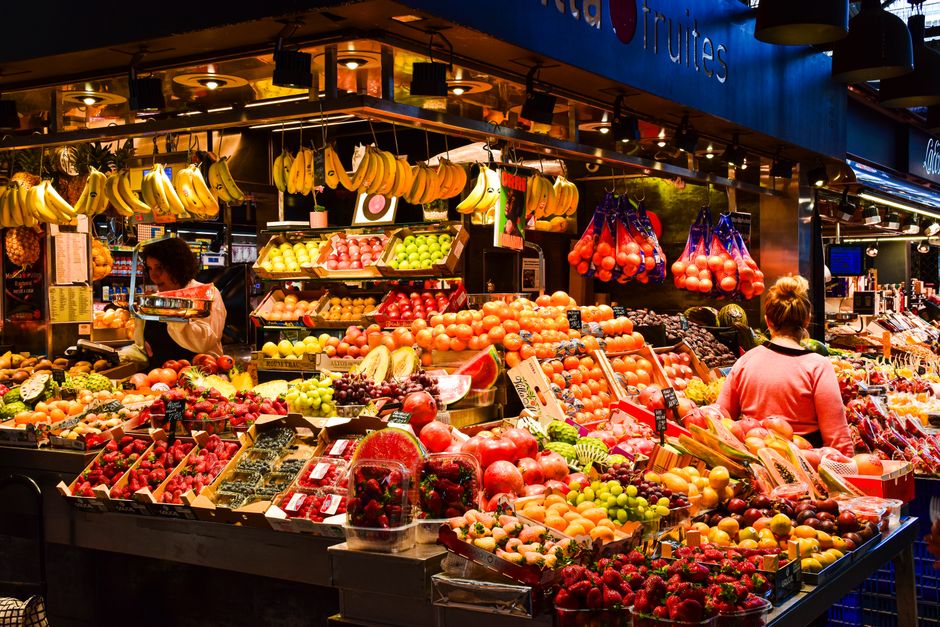
A vibrant street market stall — the heart of food travel in Southeast Asia.
✈️ Best time to visit: Ideally between November and March for dry, comfortable weather across most top foodie cities.
💰 Estimated budget range: $50–$150/day (mid-range) per person, including street food, one sit-down meal, accommodation, and local transport.
⏱️ How long to spend there: 7–10 days per destination for a balanced mix of eating, cooking classes, and sightseeing.
🎯 Difficulty level: Easy to moderate — great for first-time food travelers, but expect some language barriers in local markets.
📍 Recommended season: Dry season (November to April in Asia; May to October in Europe).
👥 Best for: Solo travelers, foodie couples, and small groups of adventurous eaters.
Introduction
I still remember the first bite: a steaming bowl of phở at a plastic stool on a Hanoi sidewalk at 6 a.m., the broth so deep and fragrant it felt like the city had poured its soul into my spoon. That morning changed everything I thought I knew about travel. Before that trip, I planned itineraries around museums and landmarks. After, I planned around meals. Over the past decade, I’ve eaten my way through more than 30 countries — from smoky night markets in Chiang Mai to three-star Michelin tables in San Sebastián. I’ve learned that the best travel stories aren’t always at the top of a tower; they’re hidden in the steam rising from a wok or the laughter shared over a shared platter of meze.
In this guide, I’m pulling back the curtain on the world’s most exciting culinary tourism destinations for 2025. This isn’t a list of overhyped tourist traps. I’m sharing the places where I’ve had life-changing meals — where locals still outnumber tourists, where prices haven’t skyrocketed, and where every dish tells a story. You’ll learn exactly where to go, when to visit, how much to budget, and the hidden gems that most guides miss. Whether you’re a seasoned food traveler or someone who simply loves a good meal, this article will help you plan a trip that feeds your soul as much as your stomach. Let’s dig in.
The Essentials at a Glance
- 🍜 Street food is your best bet: In Bangkok, Ho Chi Minh City, and Mexico City, the best meals come from stalls with lines of locals — skip the fancy restaurants for the real experience.
- 🌮 Take a cooking class early: You’ll understand ingredients and techniques, making every meal afterward twice as enjoyable. I’ve done this in Marrakech and Oaxaca — game-changer.
- 🗺️ Talk to locals, not just guides: The best food tours are the ones you create by asking a tuk-tuk driver or a market vendor where they eat. My best larb in Chiang Mai came from a tip from a fruit seller.
- 💰 Budget extra for food souvenirs: Spices, sauces, and dried ingredients make incredible gifts and preserve the memory. I always leave room in my luggage — and my budget.
- 📱 Use translation apps on menus: You’ll discover dishes you never knew existed. Google Lens has saved me from ordering the same dish three times in a row.
The Complete Guide
Why This Matters / Why You Should Go
Travel is about connection — and nothing connects us faster than food. I’ve sat on dusty floors in Rajasthan sharing dal baati with a family who spoke no English, and in a Tokyo izakaya where the chef taught me how to properly grate fresh wasabi. These are the moments that bond you to a culture in a way no museum exhibit ever can. Culinary tourism isn’t just about eating; it’s about understanding what a place values — the spices it treasures, the rituals around a shared meal, the way a street vendor spends 40 years perfecting a single noodle dish.
In 2025, the world is more accessible than ever, but also more homogenized. The same chain restaurants appear in every airport. This guide is for travelers who refuse to settle for mediocrity. It’s for the person who’d rather spend $5 on a life-changing taco al pastor than $50 on a forgettable plate in a tourist zone. I’ve been that person, and I’ve made the mistakes so you don’t have to. These destinations offer authenticity, affordability, and — most importantly — unforgettable flavors that will linger in your memory long after you’ve unpacked.
When to Visit (Seasonal Guide)
Timing is everything, especially when humidity or monsoon rains can ruin a street food crawl. For Southeast Asian food capitals like Bangkok, Ho Chi Minh City, and Penang, the dry season from November through March is ideal. Expect temperatures around 25–30°C (77–86°F) and low humidity. I visited Bangkok in April once — Songkran (Thai New Year) is fun, but the heat was brutal, and street food vendors were less abundant as many were with family. Avoid October and November in central Vietnam, where heavy rains can flood Hoi An’s old town.
For European food hubs like Bologna, San Sebastián, and Lisbon, aim for late spring (May–June) or early autumn (September–October). Crowds are thinner, hotel prices lower, and the weather perfect for long pintxo crawls or merenda breaks. July and August bring peak tourist prices and queues at the best restaurants. I waited 45 minutes for a table at a famous pizzeria in Naples in August — never again. Mexico City is wonderful year-round, but the rainy season (June–October) brings daily afternoon downpours; pack a small umbrella for market visits.
Budget Breakdown
Let’s talk real numbers based on my own travels. Here’s a conservative per-person daily estimate for a mid-range foodie trip (excluding international flights):
- Accommodation: Low $20–$40 (hostel or guesthouse), Mid $50–$100 (boutique hotel or AirBnb), High $150+ (four-star with location). In Bangkok, I’ve stayed in a clean, centrally located guesthouse for $30/night.
- Food: Low $15–$25 (all street food and market meals), Mid $30–$60 (one sit-down restaurant plus local bites), High $80+ (tasting menu or high-end dinner). My average day in Penang was about $20 for incredible char kway teow, assam laksa, and fresh coconut water.
- Activities: $10–$30 per day for cooking classes, market tours, or entrance fees. A half-day cooking class in Chiang Mai cost me $35 — worth every penny.
- Transport: $5–$15 per day for local buses, tuk-tuks, or metro fares. Ride-sharing apps like Grab (Southeast Asia) are affordable and avoid haggling.
- Daily total (mid-range): $100–$150 per person. For a week-long trip, budget $700–$1,100 plus flights.
Money-saving tip: Eat your main meal at lunch. Many top restaurants offer set lunch menus for a fraction of dinner prices. I had a Michelin-starred lunch in Lisbon for $30 — same quality, half the price.
Getting There & Getting Around
Major hubs like Bangkok (BKK), Ho Chi Minh City (SGN), and Mexico City (MEX) have excellent international connectivity. From the US or Europe, direct flights are common. Once there, the challenge is avoiding the taxi scams near airports. In Bangkok, I always take the Airport Rail Link into the city — $2 to reach the center. In Mexico City, the Metrobús from the airport is cheap ($0.50) and efficient, though I recommend an official airport taxi ($15–$20) if you have luggage.
Getting around within each city is part of the adventure. For food travelers, walking is non-negotiable. Some of my best discoveries have been down alleys I almost ignored. In Singapore, the MRT is spotless and covers every hawker center. In Marrakech, hire a guide for the medina — the maze of alleys will confuse even a seasoned navigator. Download Maps.Me offline maps and save your food pins beforehand. Always have small local currency for street vendors; many don’t take cards. I learned this the hard way in Ho Chi Minh City when I couldn’t buy a second bowl of bún bò Huế.
For multi-city trips, budget airlines like AirAsia, VietJet, and Viva Aerobus offer cheap domestic and regional flights. Book directly on their websites to avoid third-party fees. An intercity bus is sometimes a better option for short distances — I took a bus from Hoi An to Da Nang for $2 and had a local man share his homemade bánh mì with me. That’s the kind of connection you can’t plan.
Top Recommendations / Must-Do Activities
1. Bangkok, Thailand: Don’t just hit Khao San Road. Go to Yaowarat (Chinatown) at night — the seafood stalls are legendary. I still dream about the grilled river prawns at T&K Seafood. For a local touch, take the ferry across the Chao Phraya to the Thonburi side; the market at Wang Lang has khao man gai (chicken rice) that rivals any in Singapore. Join a guided food tour if you’re short on time — I used Bangkok Food Tours and learned about the Muslim-Thai influence on dishes like massaman curry. Downside: It’s hot, and mosquitoes are relentless. Bring repellent.
2. Oaxaca City, Mexico: For mole, tlayudas, and chapulines (grasshoppers), Oaxaca is unmatched. I spent three days just eating through the Mercado de Abastos — the largest market in the city. The memelas from a stall near the center are life-changing. Book a cooking class with a local family, not a commercial kitchen. I went with Casa de los Sabores and spent a morning grinding spices on a metate. Insider tip: Go hungry and buy quesillo (Oaxacan cheese) to take home; it freezes perfectly. The main downside is altitude (1,555m/5,100ft) — drink water and go easy on mezcal until you adjust.
3. Ho Chi Minh City, Vietnam: District 1 is chaotic, but that’s the charm. My favorite morning ritual was a bowl of hủ tiếu from a street vendor on Nguyễn Thái Bình Street — $1.50, served with a side of morning gossip. The Ben Thanh Market is touristy, but go early (before 8 a.m.) to see the produce section. For a deeper dive, take the bus to Chợ Lớn (Chinatown) for the best bánh bò (steamed rice cake) I’ve ever had. One evening, I splurged on a dinner at Anan Saigon — a modern Vietnamese tasting menu that fused street food flavors. It was $60 and worth every dong. Downside: Crossing the street is terrifying; just walk slowly and let the motorbikes flow around you.
Traveler’s Pro Tips
Learn the local eating etiquette before you go: In Thailand, never use a fork to put food into your mouth — use the spoon. In Japan, never stick chopsticks upright in rice. In India, always eat with your right hand. Being respectful opens doors (and bowls).
Pack an empty takeaway container: In many markets, vendors look at you oddly if you ask for a “small” portion. I carry a collapsible silicone container — when I can’t finish a massive bánh xèo, I save it for a late-night snack. It also helps if you want to buy extra sauces to take home.
Set up a “food crawl” with a local: Instead of a single dinner, plan to eat at 3–4 different spots in one evening. I use the app Eatwith or Viator for local-hosted walks. In Lisbon, my host took me to a hole-in-the-wall for pastéis de nata at 10 p.m. — the best I’ve ever had, and it wasn’t Pasteis de Belém.
Carry a small notebook for food notes: You will forget the name of that incredible laksa stall. I write down the name of the dish, the location (GPS pin), and the price. Months later, when a friend asks for a recommendation, I have the details. I also note what I ordered — so I can order it again next time.
Negotiate group food tours carefully: Many “food tours” skip the real local spots. Before booking, ask for a sample itinerary. If they take you to places with printed English menus, it’s likely a tourist trap. I’ve had my best experiences with tours that cap at 6 people and focus on one district.
Common Mistakes to Avoid
Mistake #1: Eating only at the “famous” spots. I once waited an hour for a phở in Hanoi that was merely okay, while the stall next door had no line and incredible broth. Why it happens: Social media hype. How to avoid: Look for stalls where locals eat — especially construction workers, taxi drivers, and market vendors. They know where the best food is. Consequence: Wasted time and money on mediocre meals.
Mistake #2: Not carrying enough small bills. Street vendors in Ho Chi Minh City and Oaxaca rarely have change for a $20 bill (or equivalent). I once lost out on a tamale because I only had a large note. Why it happens: We think cards or large bills are easier. How to avoid: Break large bills at a bank or supermarket early on. Consequence: Missed opportunities to try dishes from specific stalls.
Mistake #3: Overplanning every meal. I used to have a Google Map with 30 pins. The stress of “getting to all of them” ruined the spontaneity. Why it happens: FOMO (fear of missing out). How to avoid: Pick 3–5 non-negotiable meals per day, then let serendipity guide you. Consequence: Burnout and missing the joy of accidental discovery.
Mistake #4: Assuming street food is unsafe. I’ve eaten street food daily in more than 20 countries and had food poisoning exactly twice — once from a hotel buffet. Why it happens: Misinformation. How to avoid: Choose stalls with high turnover — if the food sits out, skip it. Look for clean hands and boiled water. Consequence: Missing out on the most authentic and affordable food experiences.
Your Travel Checklist
- 📄 Documents: Valid passport (6+ months validity), printouts of visas (if needed), travel insurance card, and a list of emergency contacts. Also, a small laminated card with common food allergies translated into the local language.
- 🧳 Packing: Reusable chopsticks/spork, collapsible water bottle, small container for leftovers, wet wipes, hand sanitizer, and a light scarf (for temples or changing weather). Comfortable walking shoes are non-negotiable — you’ll walk 10–15 km a day.
- 🔍 Research: Save offline maps (I use Maps.Me), download local food apps (like Wongnai for Thailand, Deliveroo for some cities), and read 2–3 blog posts from food-focused travel writers. I also check Reddit’s r/streetfood for recent updates.
- 💰 Bookings: Pre-book accommodation with free cancellation, book one cooking class in advance (they fill up), and arrange airport transfer if arriving late. For popular restaurants, make reservations 2–4 weeks ahead.
- 🩺 Health/Safety: Pack anti-diarrheal meds, rehydration salts, and antacids. Check if you need any vaccines (Hepatitis A, Typhoid). Always have a basic first-aid kit with blister plasters.
- 💵 Local Currency: Bring $100–$200 in local currency for your first 48 hours. Know the exchange rate and avoid exchanging money at the airport — use ATMs in the city. Keep small bills for street food.
- 📱 Apps to Download: Google Translate (with offline language packs), XE Currency, Grab or Uber, Maps.Me, and a note-taking app. I also use HappyCow for vegetarian/vegan options in unexpected places.
Traveler FAQ
Q: Is it safe to eat street food in developing countries?
A: Yes — if you use common sense. I’ve eaten street food daily in Thailand, Vietnam, and Mexico. Look for stalls with a high turnover of customers, where the food is cooked fresh in front of you, and where the vendor uses clean utensils. Avoid raw pre-cut fruit that’s been sitting out. I’ve never had a problem when following these rules.
Q: How much does a week-long culinary trip cost?
A: For a mid-range trip in Southeast Asia, budget around $800–$1,200 per person, including accommodation, food, local transport, and one cooking class. In Europe (like Spain or Italy), expect $1,500–$2,500 due to higher accommodation and restaurant costs. Flights and souvenirs are extra.
Q: What if I have food allergies or dietary restrictions?
A: It’s very manageable. I carry a card with my allergies written in the local language (use a translation service like Google Translate or ask a hotel to write it). In Thailand, gluten is rarely hidden in soy sauce (though tamari exists). In Mexico, many dishes are naturally gluten-free. I always ask “Does this contain [allergen]?” using the card.
Q: Should I book a food tour or go solo?
A: I recommend a mix. A food tour on your first day helps you get oriented and learn the lay of the land. My favorite tours are small (4–6 people) and led by locals. After that, go solo — you’ll be more confident knowing what to look for. In Penang, my tour guide showed me how to spot the best laksa; the next day, I explored on my own.
Q: How do I avoid getting ripped off at markets or street stalls?
A: Observe local prices first. If a vendor asks triple the price, smile and walk away — often they’ll call you back. In tourist-heavy areas, stick to stalls with visible local customers. For markets like Ben Thanh in Ho Chi Minh City, go early (before 8 a.m.) when prices are lower. Learn a few phrases like “How much?” in the local language.
Ready for Your Adventure?
After a decade of eating my way across the globe, I’ve learned that culinary travel isn’t about ticking off Michelin stars or squeezing into the trendiest pop-up. It’s about the moments that happen between meals — the shared laughter with a vendor who doesn’t speak your language, the steam rising from a bowl of noodles at dawn, the realization that a simple empanada from a street cart can taste more like home than anything you’ve ever cooked. These experiences have reshaped how I see the world: less as a collection of sights and more as a series of meals that connect us all.
Yes, it can feel daunting to step off the beaten path. Yes, you might get lost, or try something that doesn’t agree with your stomach. But the rewards — a family recipe shared with a stranger, a spice blend you’ll never find in a store — are immeasurable. Pack your curiosity, leave your reservations at home, and trust your taste buds. The world’s most flavorful adventures are waiting. All you have to do is take the first bite.


No comments:
Post a Comment